
Country guide
What makes India a must-visit destination?
India stretches from the snow-capped Himalayas to the tropical Kerala backwaters, from the Thar Desert's sand dunes to the mangrove forests of the Sundarbans. Across this vast territory live 1.4 billion people speaking over 780 languages, practicing every major world religion, and sustaining culinary traditions that vary dramatically from one state to the next. The result is a country where a single week of travel can feel like visiting five different nations, and where the word incredible is closer to literal description than marketing slogan.
India also holds one of the longest continuous histories on earth. It begins with the Indus Valley Civilisation around 3300 BCE, whose meticulously planned brick cities at Mohenjo-daro and Dholavira boasted covered drains and standardised weights while much of the world still lived in villages. From the Vedic age emerged Hinduism and the caste system; by the 3rd century BCE the Mauryan emperor Ashoka had unified most of the subcontinent and, after the bloody battle of Kalinga, embraced Buddhism and spread it across Asia. The Gupta golden age (4th–6th centuries CE) gave the world the concept of zero, the decimal system, and landmark advances in astronomy and medicine. Waves of new rulers followed — the Delhi Sultanate, then the Mughals, who from 1526 built the monuments that still define northern India, including the Red Fort in Delhi and Shah Jahan's Taj Mahal in Agra. European trading companies arrived in the 17th century; the British Raj formalised colonial rule in 1858, and on 15 August 1947 India won independence, the trauma of Partition birthing the world's largest democracy.
That layered past feeds an equally dense living culture. India is the birthplace of Hinduism, Buddhism, Jainism, and Sikhism, and home to one of the planet's largest Muslim populations, so the calendar overflows with festivals — the lamps of Diwali, the coloured powders of Holi, Kolkata's Durga Puja, Kerala's Onam, and Eid. Its arts are just as varied: classical Bharatanatyam and Kathak dance, the Carnatic and Hindustani music traditions, the gold-thread Banarasi silk woven in Varanasi, the block-printed cottons of Jaipur, and the world's most prolific film industry, centred on Bollywood in Mumbai. Cuisine shifts every few hundred kilometres, from the wheat breads and creamy gravies of the north to the rice, coconut, and fiery sambar of the south.
For first-time visitors, the sensory overload of Indian cities can be overwhelming without a guide who speaks the local language, knows which street vendors serve the safest and tastiest food, and can negotiate auto-rickshaw fares. Experienced travelers also benefit: guides unlock private temple ceremonies, family-run textile workshops, and village homestays that no guidebook lists. Explore Delhi for Mughal grandeur, Agra for the iconic Taj Mahal, Jaipur for Rajasthani royalty, Mumbai for Bollywood and colonial architecture, Varanasi for the oldest living city on earth, Kolkata for Bengali intellectual heritage, Udaipur for lake palaces, and Chennai for Dravidian temple culture.
- Language
- Hindi & English Widely spoken across India
- Currency
- Indian rupee (₹) Legal tender across India
- Time zone
- UTC+5:30 Local time in India
- Power plugs
- Types C, D, M · 230V Sockets used across India
- Getting around
- Rail & domestic flights Getting between India's cities
- Best months
- Jan, Feb, Mar, Oct, Nov, Dec Averaged across India's city ratings
India timeline
- c. 2600 BCE
Indus cities thrive
Early urban planning in the Indus region forms one of the deep historical layers behind Indian heritage travel.
- c. 1500 BCE
Vedic traditions emerge
Early Sanskrit and ritual traditions became one deep layer in India's cultural geography.
-
Mughal era begins
Mughal patronage shaped forts, tombs, gardens, and city plans across North India.
-
Crown rule begins
The British Raj left railways, cantonments, hill stations, and imperial civic architecture.
-
Independence
Modern India's independence reframed colonial monuments and civic spaces for visitors.
-
Republic constitution
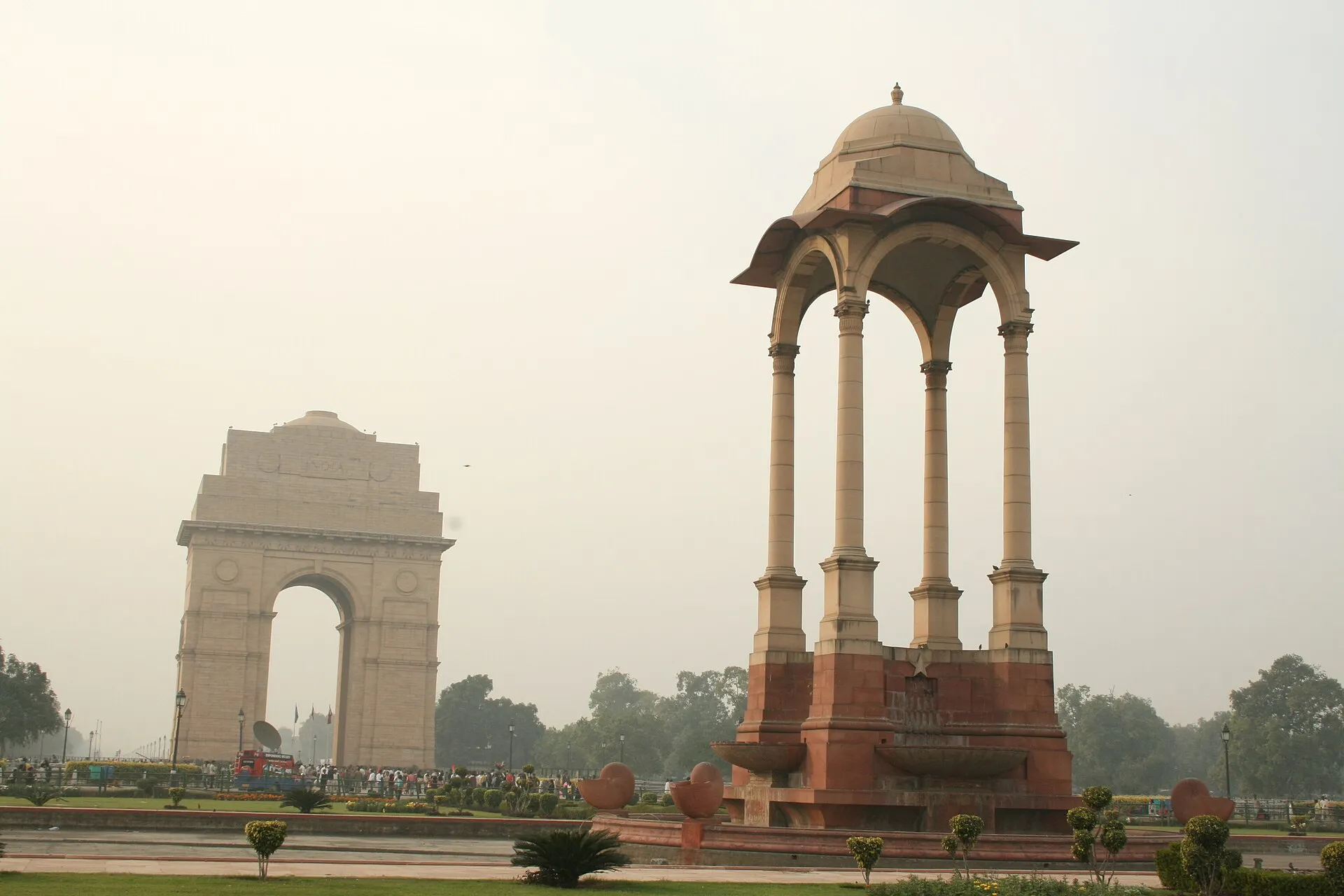
The constitution created the republic and reframed Delhi civic landmarks.
India in Pictures
Local context
Culture and travel signals
43 UNESCO World Heritage Sites
India's inscribed sites range from the Taj Mahal and the Ajanta Caves to the living walled city of Jaipur, placing the country sixth in the world for total listings
Over 5,000 years of urban civilisation
The Indus Valley (Harappan) Civilisation built planned brick cities such as Mohenjo-daro and Dholavira from around 3300 BCE; Dholavira was itself inscribed as a UNESCO World Heritage Site in 2021
780+ languages spoken across the subcontinent
The People's Linguistic Survey of India documented 780 living languages; the Constitution's Eighth Schedule officially recognises 22, while the 2011 Census recorded 121 languages and more than 1,300 mother tongues
Birthplace of four world religions
The 2011 Census recorded India as roughly 79.8% Hindu, 14.2% Muslim, 2.3% Christian, and 1.7% Sikh — a subcontinent that also gave rise to Buddhism and Jainism and hosts one of the largest Muslim populations on earth
US$194 billion contributed to GDP by travel and tourism
The World Travel & Tourism Council valued India's tourism economy at $194 billion in 2019, when 10.93 million foreign tourists arrived and the sector supported more than 40 million jobs directly and indirectly
Source: tour-guide.com — Free to cite with attribution
Season planner
A year in India
Use this best time to visit snapshot as a country-wide average, then check the city guides for local timing.
Mar-May
Spring
Spring stays workable in India at Mar-May (3/5), so lean on city-by-city timing.
Jun-Aug
Summer
Summer is India's quietest stretch at Jun-Aug (1/5) — plan narrower, local days.
Sep-Nov
Autumn
Autumn stays workable in India at Sep-Nov (3.3/5), so lean on city-by-city timing.
Dec-Feb
Winter
Winter holds up well for guided travel in India, averaging Dec-Feb (4.3/5).
Where should you go in India?
The Golden Triangle
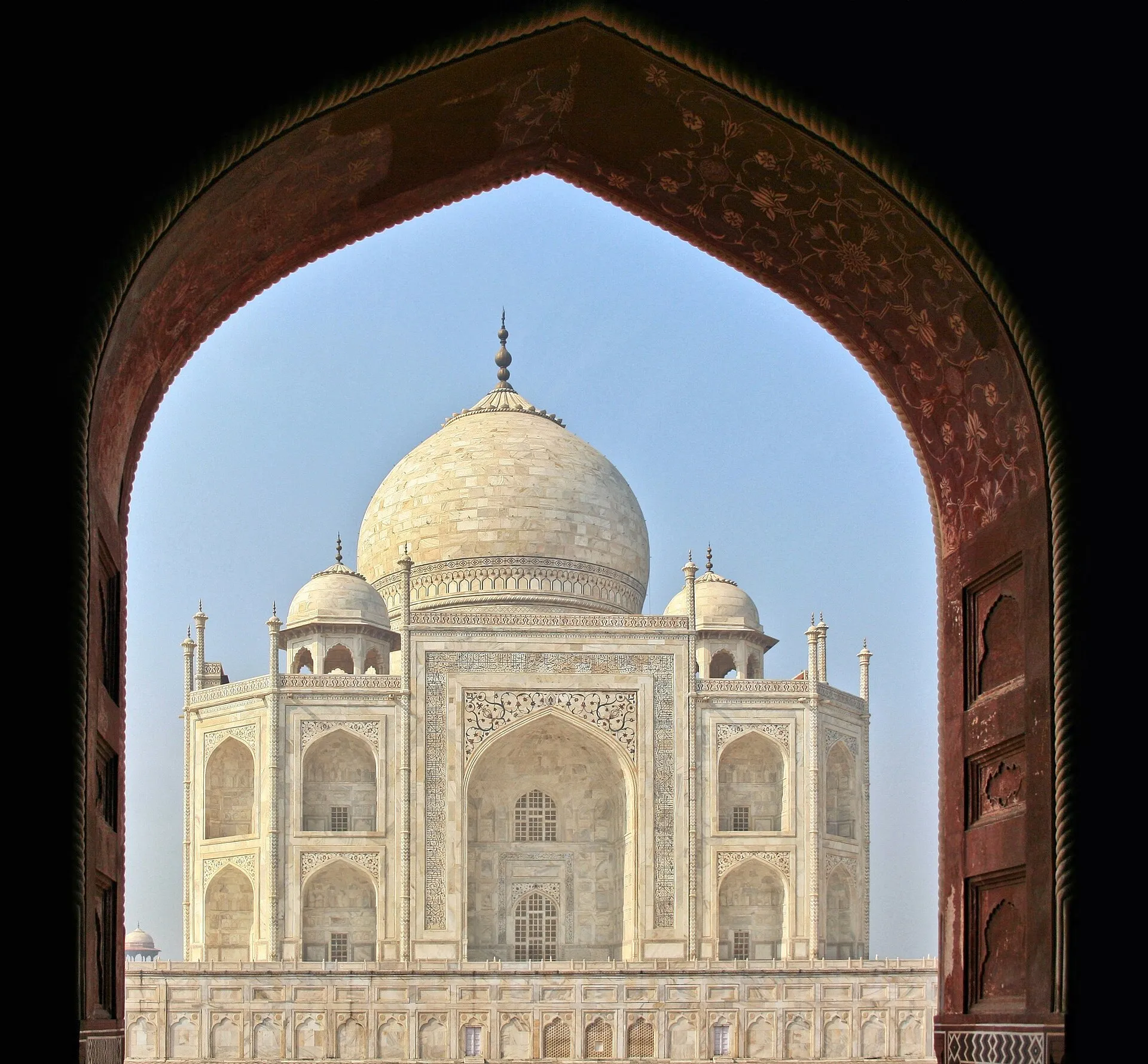
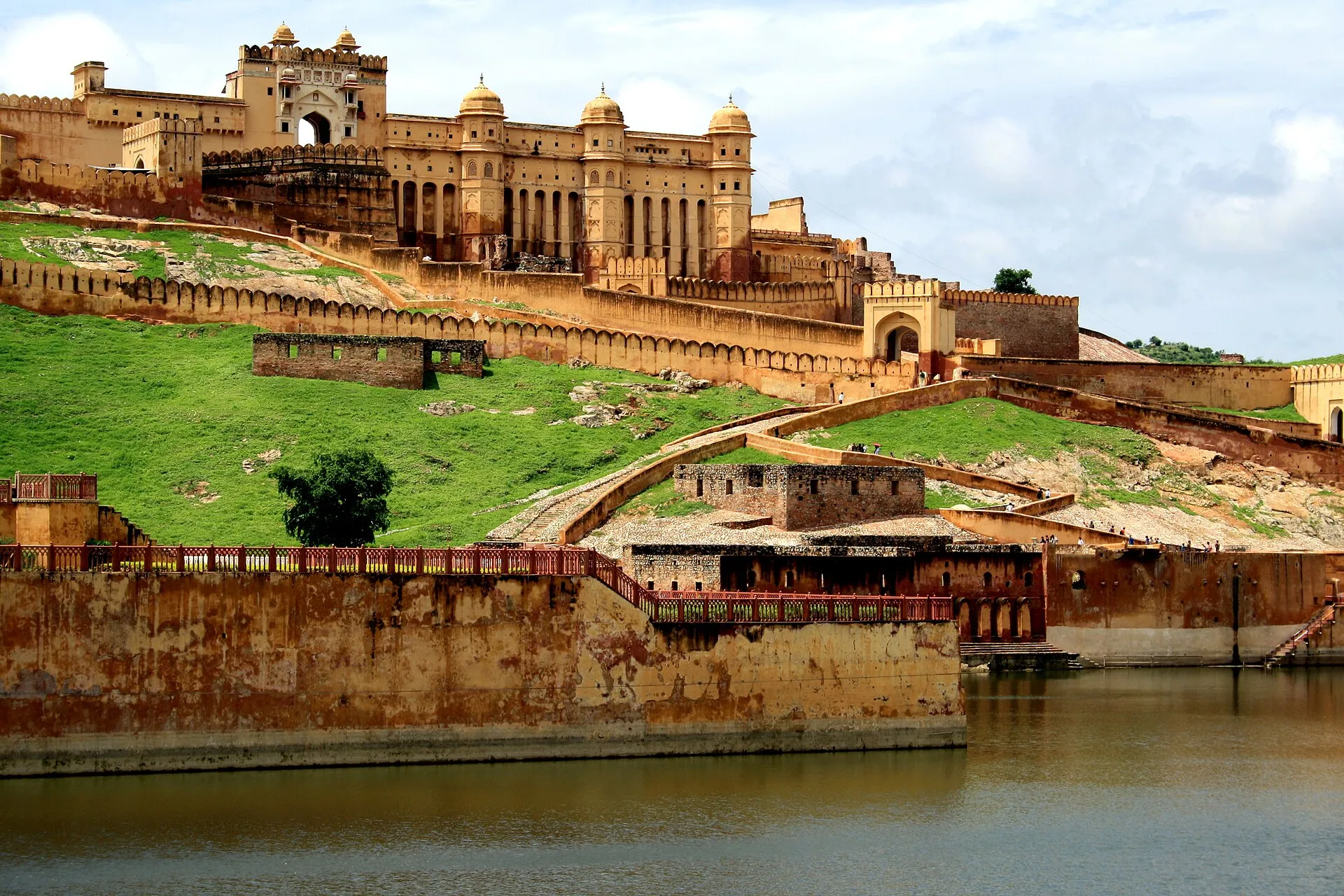
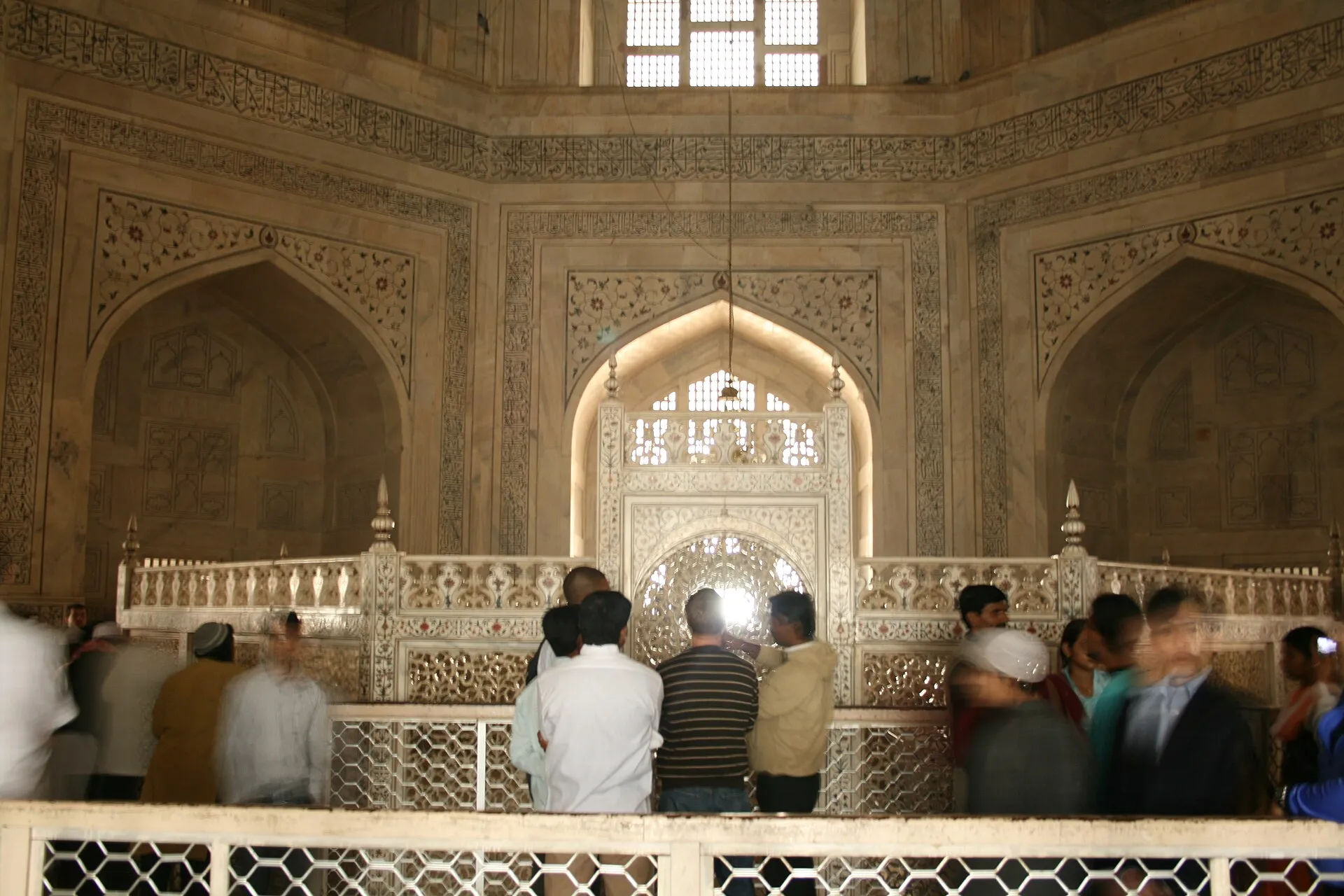
Delhi layers Mughal grandeur over modern chaos — the sandstone ramparts of the Red Fort give way to the soaring Qutub Minar and the serene garden-tomb of Humayun's Tomb, while the narrow lanes of Chandni Chowk overflow with spices, silver, and street food. Agra needs little introduction: the Taj Mahal at dawn remains one of humanity's most arresting sights, and the red-sandstone Agra Fort and abandoned imperial capital of Fatehpur Sikri reveal the world that produced it. Jaipur earns its Pink City nickname through terracotta-hued facades that frame the hilltop Amber Fort, the honeycomb windows of Hawa Mahal, and gem markets where dealers cut stones by hand.
The West Coast & Heartland
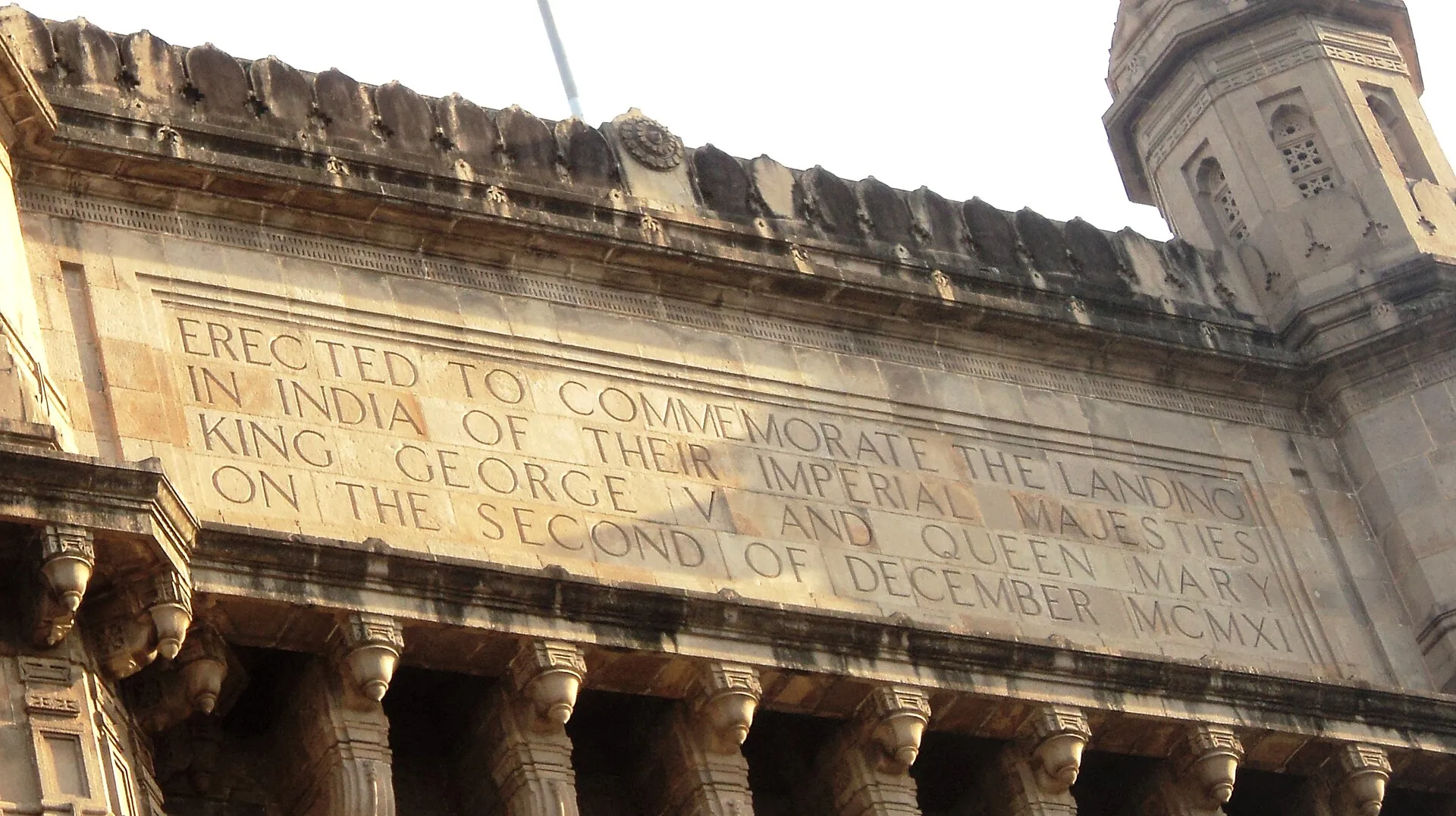
Mumbai straddles colonial elegance and Bollywood ambition, its Gateway of India facing the harbor ferries that carry visitors to the rock-cut Elephanta Caves.
The Spiritual East
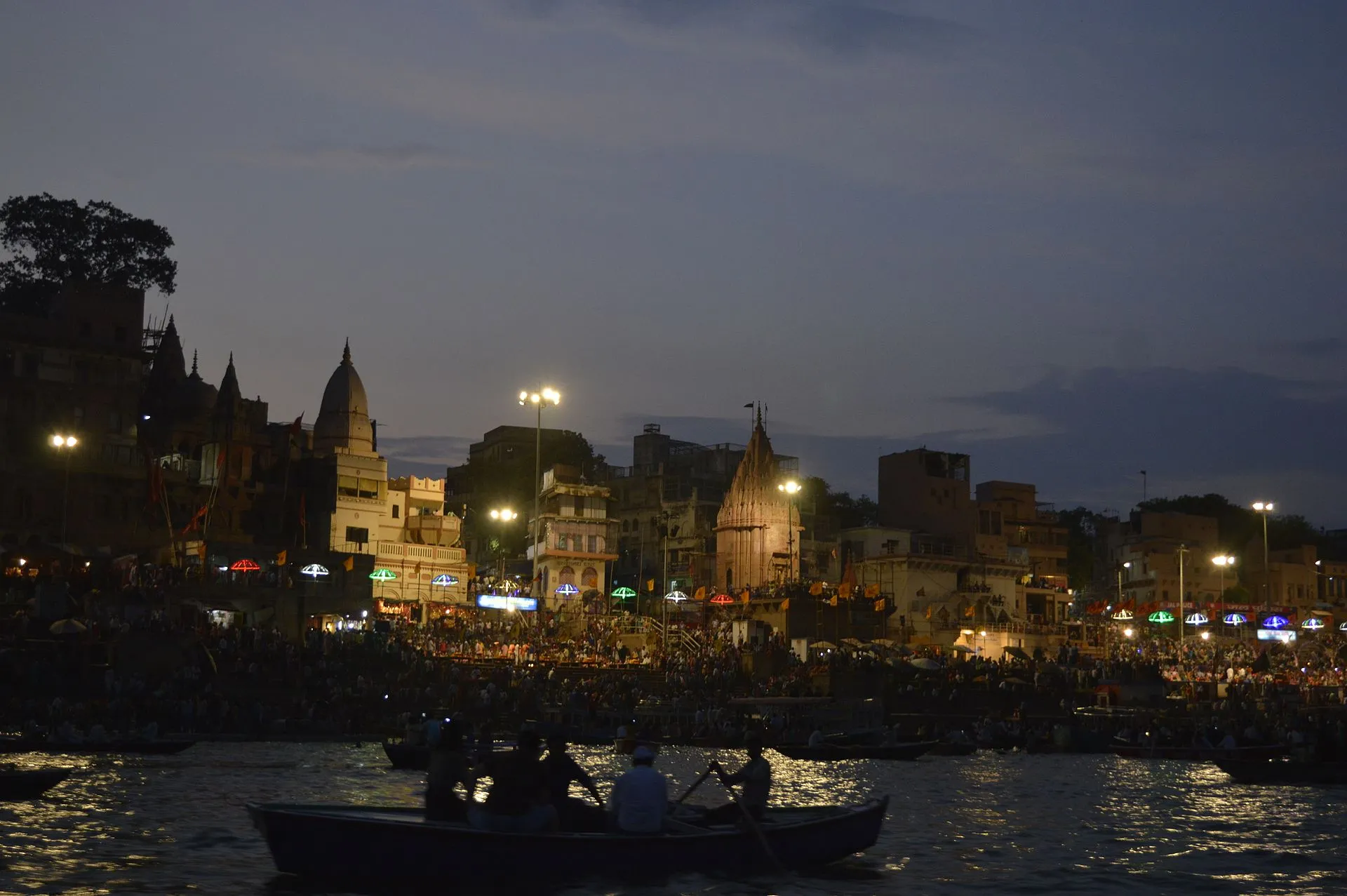
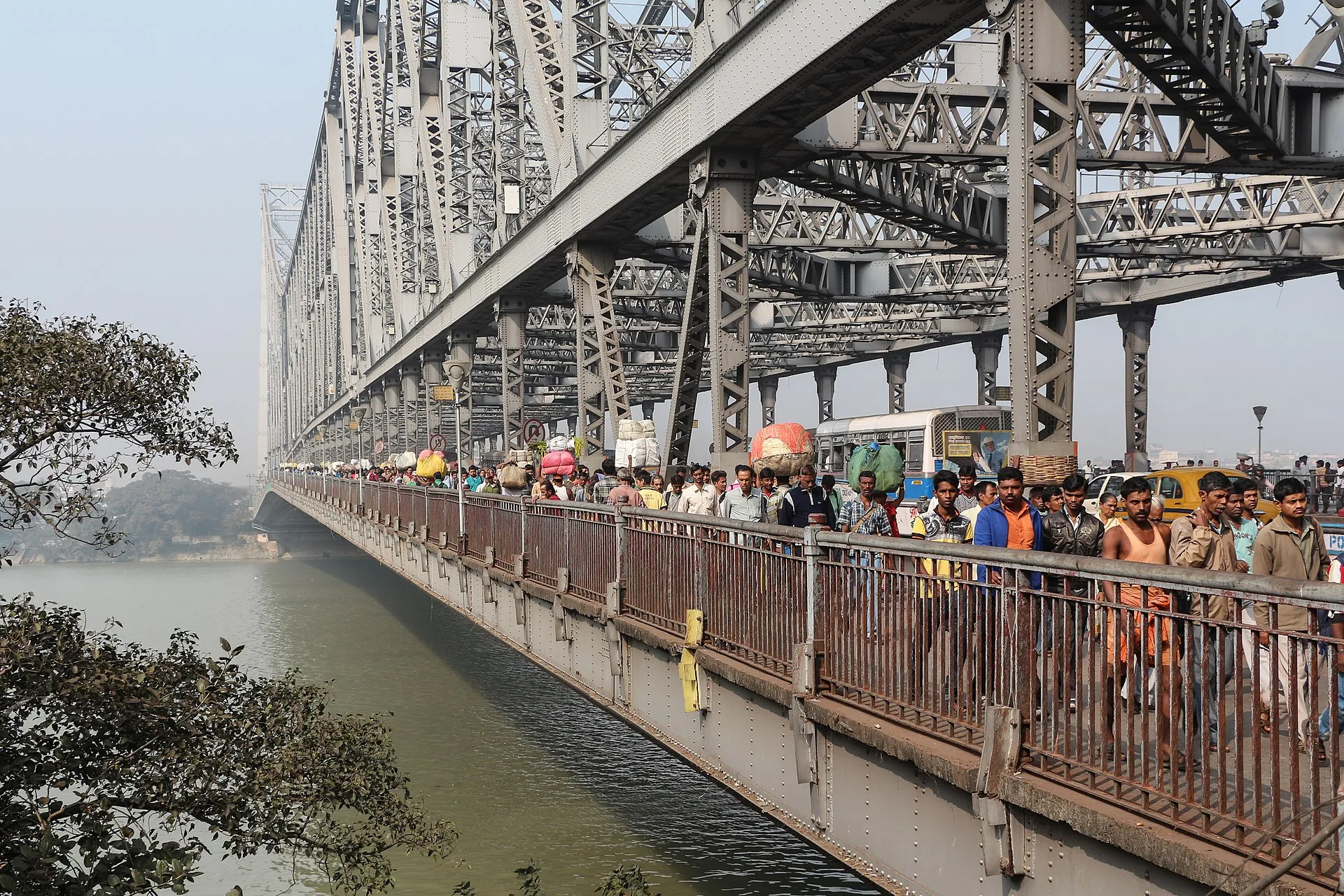
Along the Ganges in Varanasi, temple bells and dawn boat rides on mist-shrouded ghats make this the spiritual axis of the subcontinent, while nearby Sarnath marks where the Buddha preached his first sermon. Kolkata preserves the intellectual legacy of the Bengali Renaissance around the marble Victoria Memorial and the iron spans of Howrah Bridge.
Rajasthan & the South
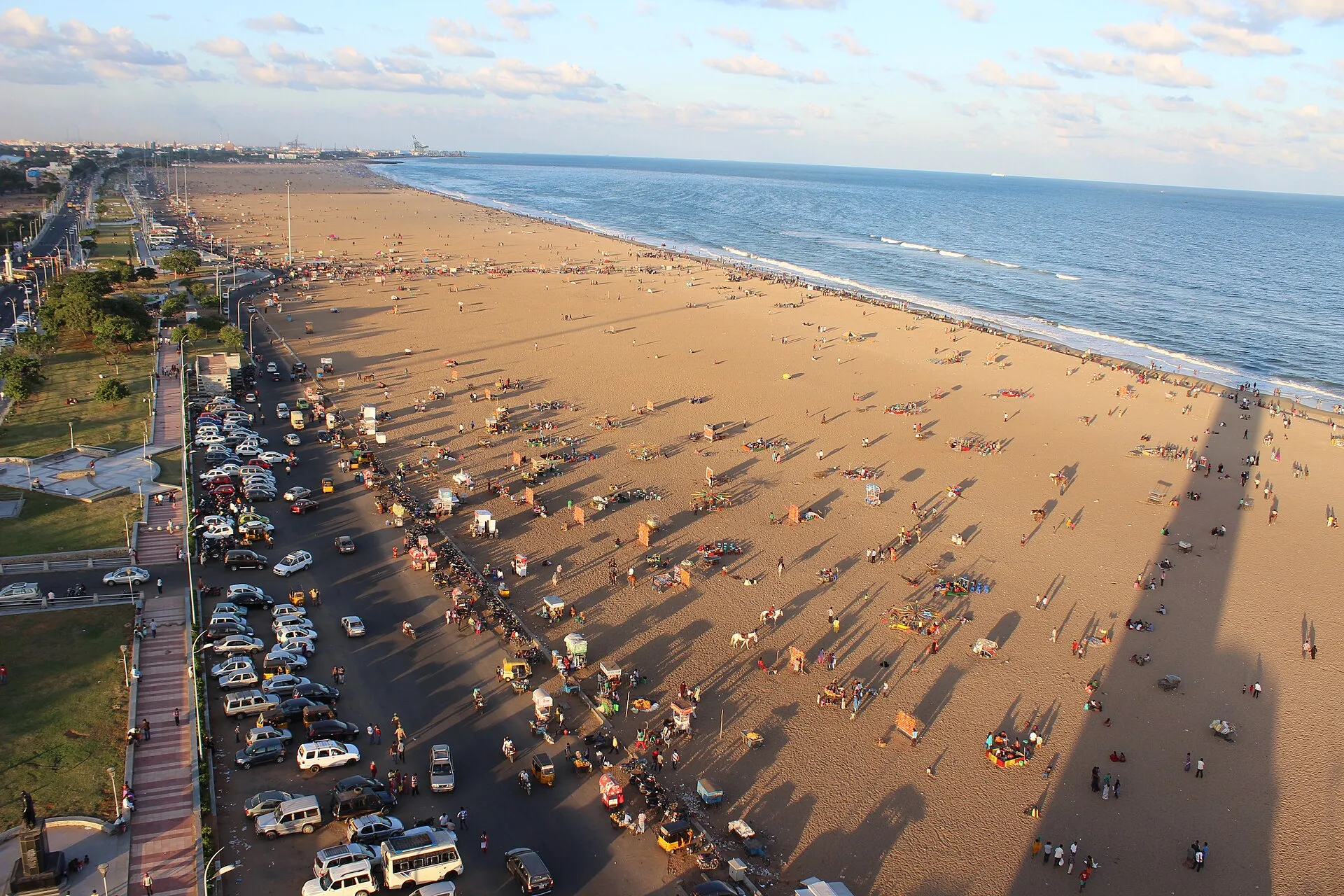
Udaipur floats its lake palaces across the shimmering Lake Pichola against the Aravalli hills in a landscape steeped in Mewar royal heritage. Chennai rounds out the journey with towering Dravidian temples such as Kapaleeshwarar, the classical strains of Carnatic music, and the shore temples of Mahabalipuram carved from granite over a thousand years ago.
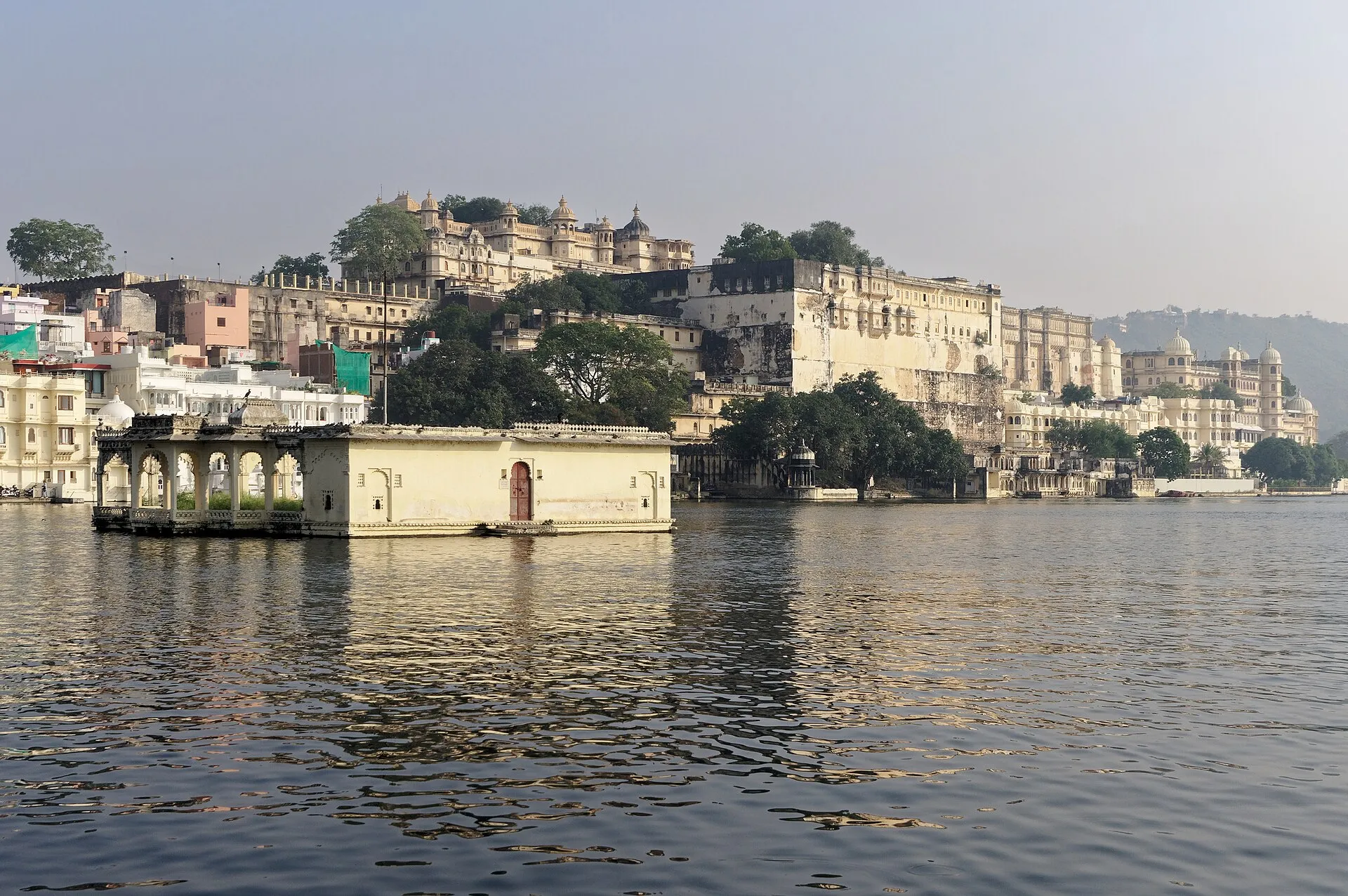
Must-see attractions across India
These are the sights travelers cross India for, each anchored to its own city. Pair one with a guide and the context comes alive.
What do visitors need to know about India?
Finding a Guide
- India's Ministry of Tourism certifies Regional Level and National Level guides who pass examinations in history, archaeology, and languages. Look for their official photo ID badge at any monument
- ASI-approved guides stationed at major monuments like the Taj Mahal and Red Fort provide authoritative historical commentary for government-regulated fees
- Viator, GetYourGuide, and Klook list vetted guides with detailed reviews. India-specific platforms like ToursByLocals and IndiaByLocal connect you with independent experts across smaller cities
- Luxury hotels and converted palace properties maintain relationships with top-tier guides and can organize private heritage walks, cooking classes, and cultural immersion experiences
Typical Costs
| Tour Type | Price Range |
|---|---|
| ASI-approved monument guide | ₹800–1,500 ($10–18) per monument, fixed government rates |
| Group walking tour (3–4 hrs) | ₹1,000–2,500 ($12–30) per person |
| Private half-day guide (up to 4) | ₹3,000–6,000 ($36–72) |
| Private full-day guide (multi-site) | ₹5,000–10,000 ($60–120) |
| Specialist guide (food, photography, textile) | ₹6,000–15,000 ($72–180) per day |
| Multi-day Golden Triangle with car and driver | ₹8,000–15,000 ($96–180) per day |
Must-See Experiences
- Taj Mahal at sunrise — The white marble mausoleum glowing in first light, with a guide who reveals its hidden optical illusions
- Red Fort and Old Delhi — Mughal imperial power followed by the sensory whirlwind of Chandni Chowk's spice market
- Amber Fort at golden hour — Rajput military architecture and mirror-inlaid palaces perched above Maota Lake
- Ganga Aarti ceremony — Thousands of oil lamps offered to the Ganges at dusk in Varanasi
- Gateway of India to Elephanta Caves — Colonial Mumbai meets ancient rock-cut sculpture by ferry
- Street food crawls — Delhi's paranthas, Mumbai's vada pav, Varanasi's kachori: guides know which stalls locals trust
- Textile and craft workshops — Block printing in Jaipur, silk weaving in Varanasi, Bollywood costume houses in Mumbai
- Temple ceremonies — Morning pujas, evening aartis, and festival celebrations that a guide can contextualize
Getting Around
- Indian Railways — One of the world's largest rail networks moves the country. Air-conditioned classes (2A, 3A) and premium Vande Bharat and Shatabdi express trains are comfortable and scenic; book well ahead through the official IRCTC portal, as popular routes sell out weeks in advance
- Domestic flights — For long hops such as Delhi to Chennai or Mumbai to Kolkata, budget carriers make flying cheaper and faster than multi-day train journeys
- Metros — Delhi, Mumbai, Chennai, Kolkata, and Jaipur all run clean, air-conditioned metro systems that bypass notorious traffic and include women-only carriages
- Car and driver — The most relaxed way to run the Golden Triangle; a hired car with driver covers Delhi–Agra–Jaipur at your own pace for a fraction of Western prices
Tips for Visitors
- Visa required — Most nationalities need an e-Visa, applied for through the official Government of India e-Visa portal at least 4 days in advance. The 30-day e-Tourist Visa costs around $25
- Golden Triangle first — Delhi–Agra–Jaipur is the classic introductory route and works well in 5–7 days with a guide and driver
- Best season — October–March offers cool, dry weather across most of India. Summers (April–June) bring extreme heat; monsoons (July–September) bring lush greenery but flooding
- Bargaining expected — Markets, rickshaws, and unlicensed guides all expect negotiation. Guides protect you from inflated tourist prices
- Dress modestly — Temples and mosques require covered shoulders and knees. Carry a scarf for impromptu temple visits
- Water safety — Drink only bottled or filtered water. Guides steer you to safe street food vendors
- Cash still dominates — UPI digital payments are ubiquitous for locals, but carry rupees for markets, rickshaws, and smaller establishments
- Tipping — Not obligatory but appreciated. ₹200–500 per day for guides, ₹100 for drivers. Round up at restaurants
- Photography — Some monuments charge extra for cameras. Guides know which sites allow drones, tripods, and video
- Entry fees — Prices are lower in India than most Asian destinations. Monument entry fees are separate and typically ₹40 for Indians, ₹600 for foreigners. Always confirm whether transportation is included
Frequently Asked Questions
What is the best time of year to visit India?
The Golden Triangle cities of Delhi, Agra, and Jaipur are at their best from October through March, when cool, dry weather makes sightseeing comfortable and smog clears enough for crisp Taj Mahal sunrises. The monsoon season from July through September transforms the countryside into lush green landscapes and fills Rajasthan's lakes, though heavy rains can disrupt travel in low-lying areas. Summer months of April to June bring extreme heat to the plains, but northern hill stations like Shimla, Manali, and Darjeeling offer a refreshing escape in the Himalayan foothills, where temperatures stay mild and tea gardens are in full bloom.
How much does a private tour guide cost in India?
India's Archaeological Survey (ASI) sets fixed rates for licensed monument guides at ₹800–1,500 ($10–18) per site, making iconic landmarks like the Taj Mahal and Red Fort remarkably affordable to explore with expert commentary. Private city guides and specialist food or textile tours cost more but remain excellent value by international standards — a full-day private guide typically runs ₹5,000–10,000 ($60–120).
Do I need to speak the local language to travel in India?
India has over 780 languages, with Hindi and English as official national languages. English is understood in major tourist areas, but proficiency varies enormously by region. A local guide who speaks the state language — whether Tamil in Chennai, Bengali in Kolkata, or Rajasthani in Jaipur — negotiates auto-rickshaw fares, translates street food menus, and unlocks temple ceremonies that would otherwise remain opaque.
Which regions should I prioritise on a first visit versus a return trip?
A first trip usually centres on the Golden Triangle — Delhi, Agra, and Jaipur — which packs Mughal, Rajput, and colonial history into a comfortable 5–7 day loop with good roads and infrastructure. If you have longer, extend east to the sacred ghats of Varanasi or the Bengali heritage of Kolkata. Return visitors tend to head deeper: the Dravidian temple south around Chennai, the lake palaces of Udaipur and wider Rajasthan, the beaches and Portuguese churches of Goa, or the backwaters of Kerala. Treating India as one trip is a mistake — most seasoned travellers pick a single region and go slowly.
What cultural etiquette should visitors know before arriving?
A few customs smooth almost every interaction. Remove your shoes before entering temples, mosques, gurudwaras, and most homes, and cover your shoulders and knees at religious sites. Use your right hand for eating, giving, and receiving, as the left is traditionally considered unclean. Ask before photographing people, ceremonies, or cremation grounds — at Varanasi's Manikarnika Ghat, photography is forbidden entirely. Public displays of affection are frowned upon in most places, and modest dress attracts far less unwanted attention. A guide reads these unwritten rules in real time, telling you when to fold your hands in a namaste and when a small donation is expected.
Is India safe for solo travellers and women?
Millions of independent travellers, including solo women, explore India every year without incident, but common sense matters. Stick to registered accommodation, use app-based taxis such as Uber and Ola or hotel-arranged cars after dark, and keep to well-lit, busy areas at night. The Delhi Metro and many long-distance trains offer women-only carriages. The most common problems are financial rather than physical — inflated fares, gem and shopping scams, and unlicensed "guides" — which a Ministry of Tourism-certified guide neutralises by handling negotiations and steering you away from touts. Register your trip with your embassy and carry your accommodation address written in the local script.