
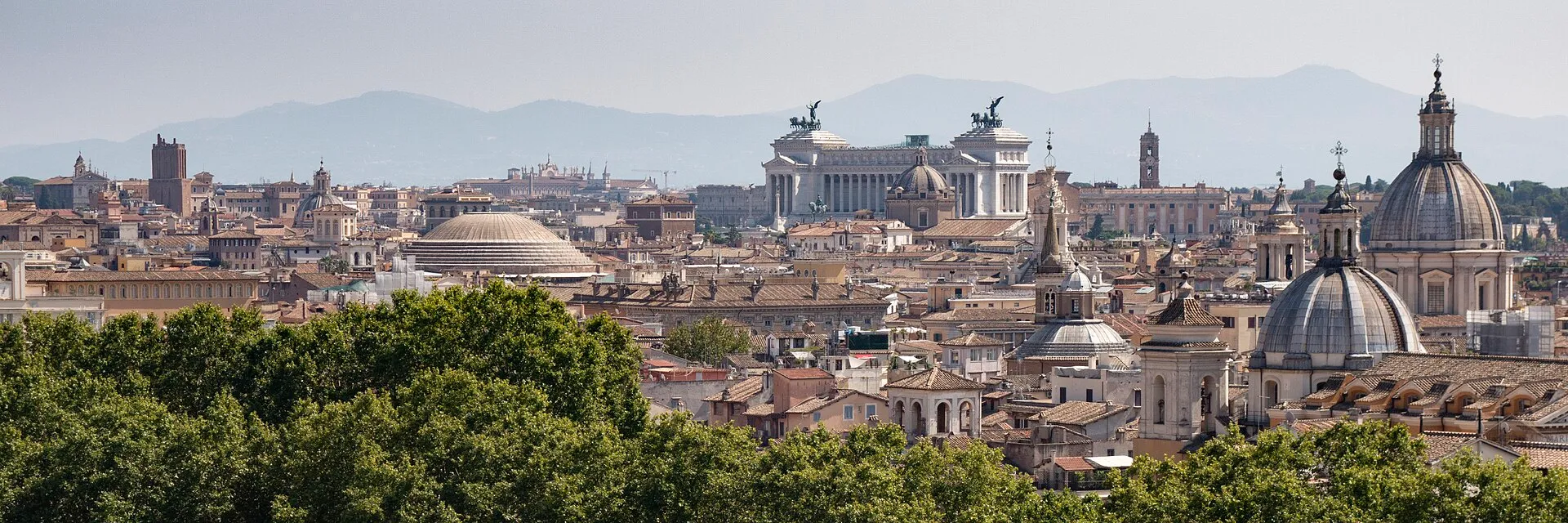
Rome timeline
- 753 BCE
Foundation tradition
Rome's legendary founding date anchors the ancient story behind the city's ruins.
-
Colosseum inaugurated
The amphitheater became the defining monument of imperial spectacle.
-
First Jubilee draws pilgrims
Holy Year routes tied basilicas, bridges, and papal Rome into a visitor circuit that still matters.
-
New St. Peter's begins
Renaissance rebuilding remade the Vatican skyline and drew artists into the city's sacred center.
-
Capital of unified Italy
Rome became the national capital, adding modern government layers to the ancient city.
-
Vatican City defined
The Lateran Treaty formalized the city-within-a-city relationship visitors encounter around St. Peter's.
Cited city facts
Key facts for visiting Rome
50,000 spectators in the Colosseum
The Colosseum held up to 50,000 spectators and could be emptied in just 10 minutes through its 80 arched entrances, an engineering feat modern stadiums still study
900+ churches
Rome contains over 900 churches, more than any other city in the world, spanning architectural styles from early Christian basilicas to Baroque masterpieces
280 fountains
Rome has approximately 280 public fountains, including the Trevi Fountain which collects an estimated 3,000 euros in coins daily, donated to charity
Sistine Chapel ceiling: 4 years of work
Michelangelo painted the Sistine Chapel ceiling between 1508 and 1512, covering 1,110 square meters with over 300 figures while working mostly on his back atop scaffolding
Source: tour-guide.com — Free to cite with attribution
Things to see
What are the top attractions in Rome?
Rome packs an extraordinary density of landmarks into its walkable historic center. The Colosseum and Roman Forum anchor the ancient core, while Vatican City holds St. Peter's Basilica, the Sistine Chapel, and one of the world's richest art collections. Between these headline sites, neighborhoods like Trastevere, Monti, and the Jewish Ghetto reward slower exploration with hidden churches, artisan workshops, and trattorias that have served the same recipes for generations. Licensed guides bring these layers to life with archaeological context and skip-the-line access that transforms a potentially overwhelming visit into a coherent narrative.
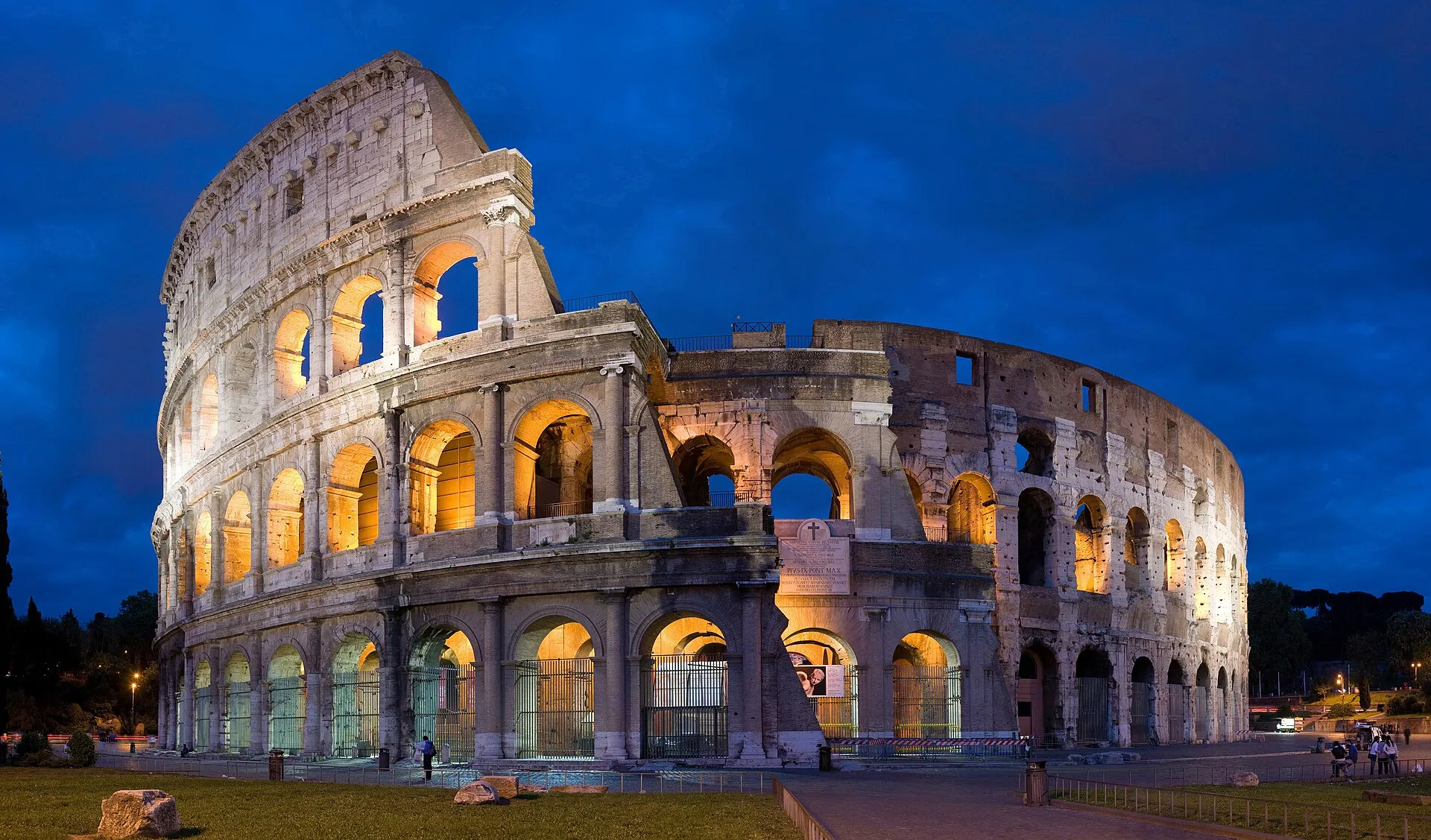
Colosseum
Rome's gladiatorial arena - 2,000 years of history
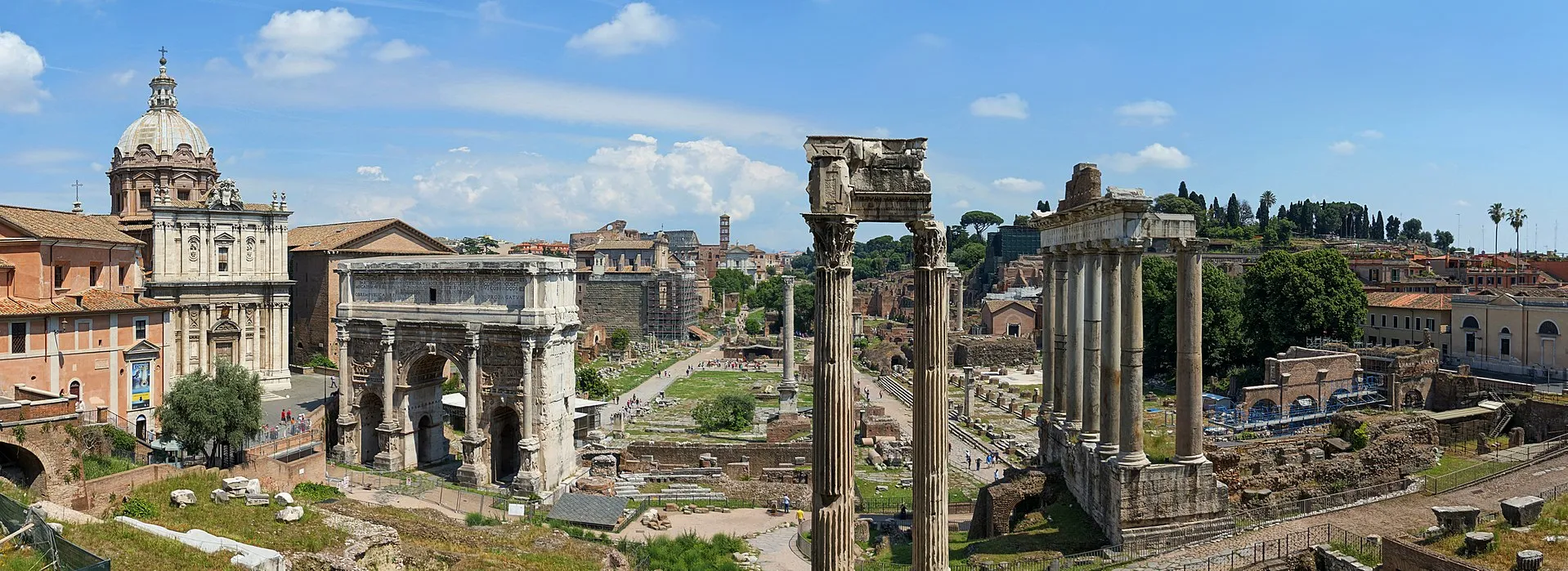
Roman Forum
Heart of ancient Rome's empire
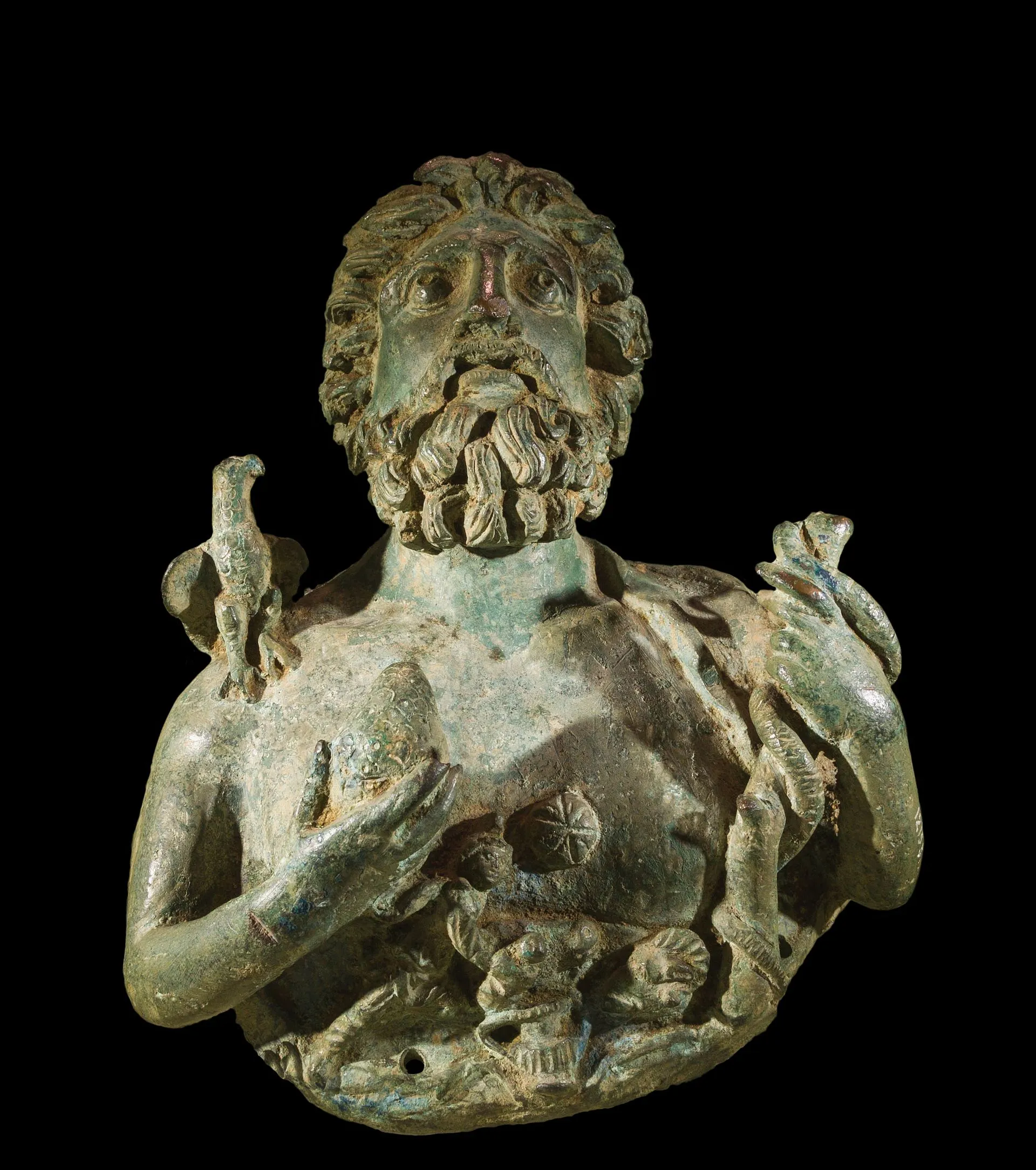
Vatican Museums
500 years of papal art, from Laocoon to the Sistine ceiling
Guide planning
How much does a tour guide cost in Rome?
Giorgia Cadinu is a licensed local guide offering fully customisable private tours across Rome. From Colosseum deep-dives to hidden-gem food walks through the Jewish Ghetto, she builds each itinerary from scratch based on your interests and pace. Direct booking through her site keeps things simple and personal.
Agnes Crawford is a licensed Rome guide and architectural historian who turns every tour into a masterclass in how the city was built and rebuilt across millennia. She covers the Vatican, Ancient Rome, and Renaissance palaces with the kind of scholarly depth that makes you see familiar monuments through entirely new eyes. Day trips to Ostia Antica and Tivoli round out the offering.
Rome requires all guides at archaeological sites to hold the official "Guida Turistica Abilitata" certification, which guarantees both expertise and legal authorization.
Group walking tours typically cost €30-50 per person for a 3-hour session covering a focused area like Ancient Rome or the Vatican. Private tours for up to 6 people run €250-400 for the Colosseum and Forum, €300-500 for the Vatican Museums and Sistine Chapel, or €500-800 for a full-day itinerary. Specialty tours led by art historians or archaeologists command premium rates but offer significantly deeper insight. Admission fees for attractions are charged separately.
Book a Local Guide
The guides below are independent local businesses we recommend purely on editorial merit. We don't sell placement and we earn no commission when you book with them — see our booking and affiliate disclosure.
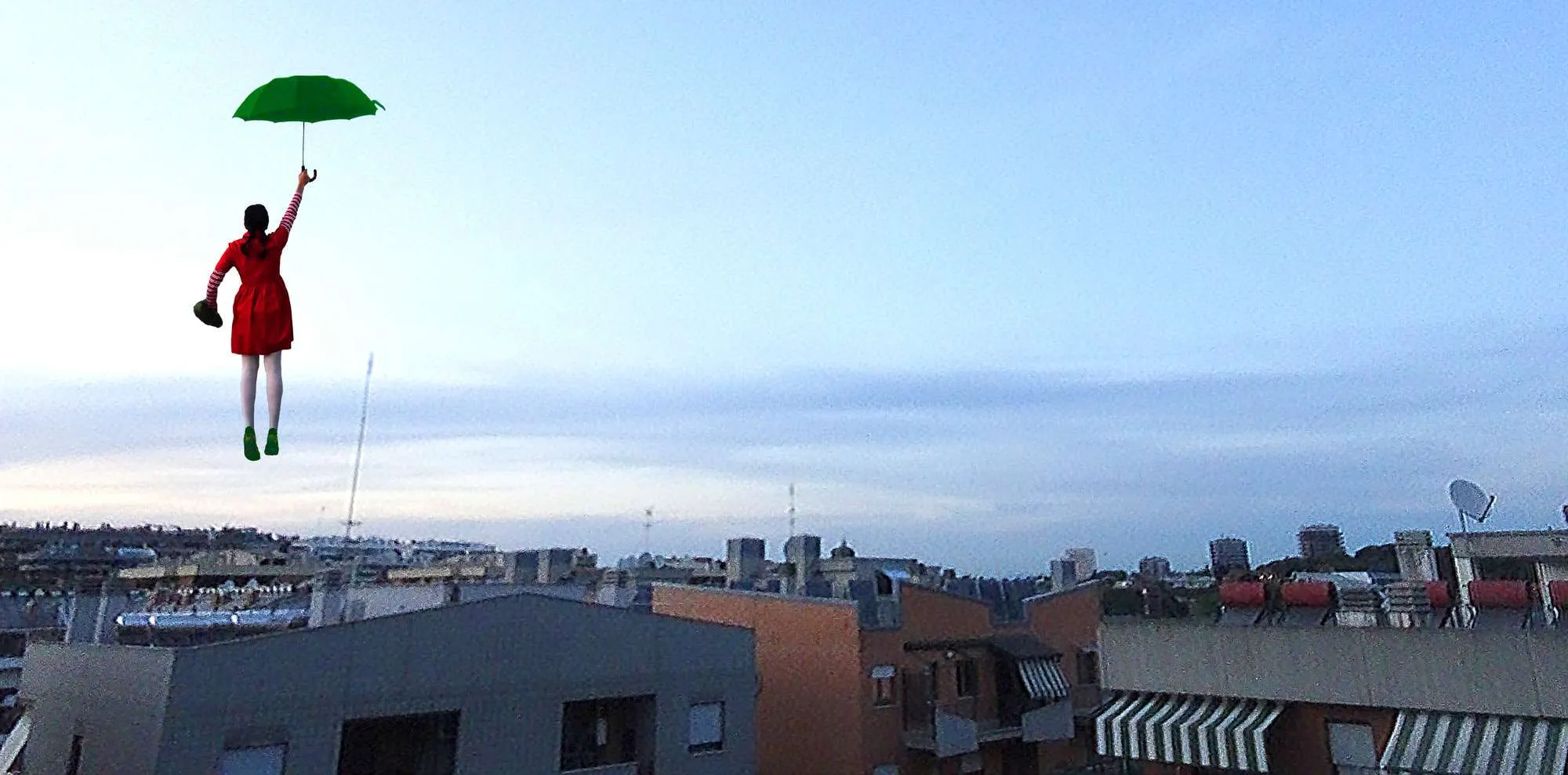
Rome Personal Guide — Giorgia
Giorgia Cadinu is a licensed local guide offering fully customisable private tours across Rome. From Colosseum deep-dives to hidden-gem food walks through the Jewish Ghetto, she builds each itinerary from scratch based on your interests and pace. Direct booking through her site keeps things simple and personal.
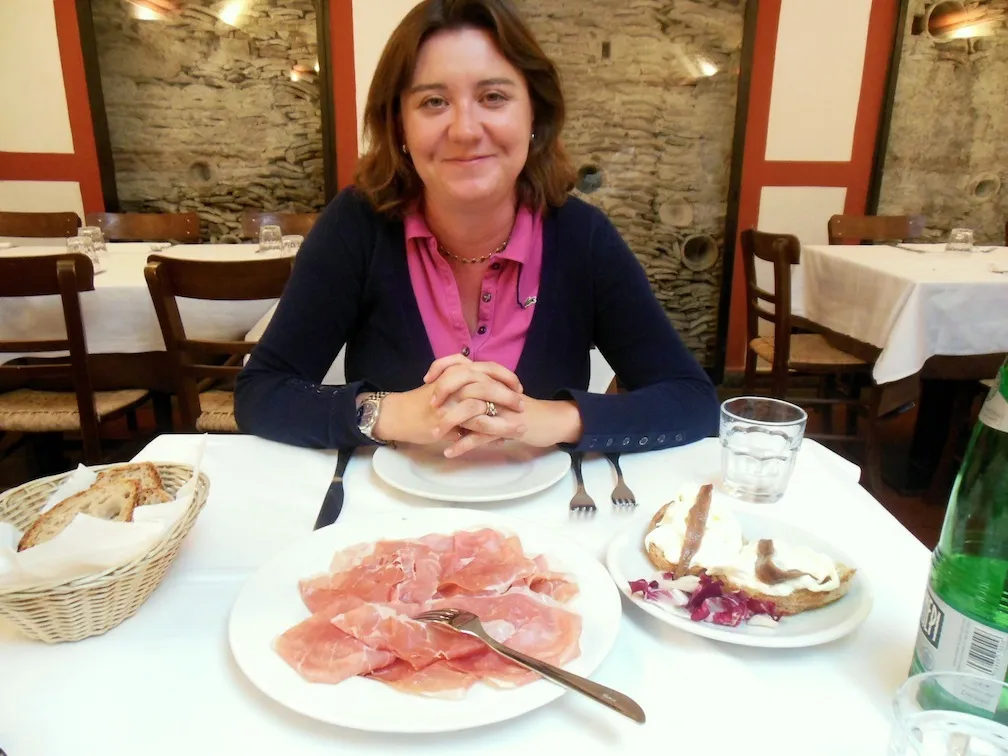
Understanding Rome — Agnes Crawford
Agnes Crawford is a licensed Rome guide and architectural historian who turns every tour into a masterclass in how the city was built and rebuilt across millennia. She covers the Vatican, Ancient Rome, and Renaissance palaces with the kind of scholarly depth that makes you see familiar monuments through entirely new eyes. Day trips to Ostia Antica and Tivoli round out the offering.
Season planner
When is the best time to visit Rome?
April through May and September through October deliver the best combination of mild temperatures, manageable crowds, and long daylight hours. July and August regularly exceed 35°C and draw peak tourist numbers, making outdoor sites like the Forum exhausting without early-morning starts. Winter months are quieter and cooler, with shorter queues at major museums, though some outdoor attractions reduce hours. Holy Week and Easter bring large crowds to Vatican City, while August sees many local restaurants close for summer holidays.
Spring
Mar-May
Summer
Jun-Aug
Autumn
Sep-Nov
Winter
Dec-Feb
Each score averages that season’s monthly ratings out of 5. The top-rated window is usually the peak season too, so read the guidance above for its trade-offs before you book.
On the ground
How do you get around Rome?
Rome's Metro has two main lines (A and B) that intersect at Termini station, connecting key hubs like the Vatican (Ottaviano), Spanish Steps (Spagna), and Colosseum. Buses supplement the metro across the historic center where subway expansion is limited by underground ruins. Most major attractions cluster within walking distance of each other in the centro storico. Taxis are metered with surcharges for luggage and night rides. The Roma Pass covers public transport and includes skip-the-line entry to select museums. Book Colosseum and Vatican tickets at least two months ahead — both sell out weeks in advance.
Frequently Asked Questions
How many days do you need in Rome?
Three to four days is the realistic minimum for Rome. Devote one day to ancient Rome — the Colosseum, the Roman Forum, and the Palatine Hill — and a separate day to Vatican City, where St. Peter's Basilica and the Vatican Museums with the Sistine Chapel each demand hours. A third day links the Pantheon, Trevi Fountain, and Piazza Navona on foot. The fourth lets you slow down in Trastevere or the Jewish Ghetto, or take a day trip to Ostia Antica or Tivoli.
What is the best time to visit Rome?
Summer heat: July-August can hit 95°F - bring water, sun protection. Best months: April-May and September-October for mild weather.
How much does a tour guide cost in Rome?
Group walking tours run €30-50 per person for 3 hours. Private tours for up to 6 people cost €250-500 depending on the itinerary, with full-day private tours at €500-800. All guides at archaeological sites must hold the official Guida Turistica Abilitata certification.
How do you get around Rome?
Rome's Metro lines A and B connect major hubs like the Vatican, Spanish Steps, and Colosseum. Most historic-center attractions are walkable. Buses fill gaps where the subway doesn't reach, and the Roma Pass covers unlimited public transport plus museum entry.