
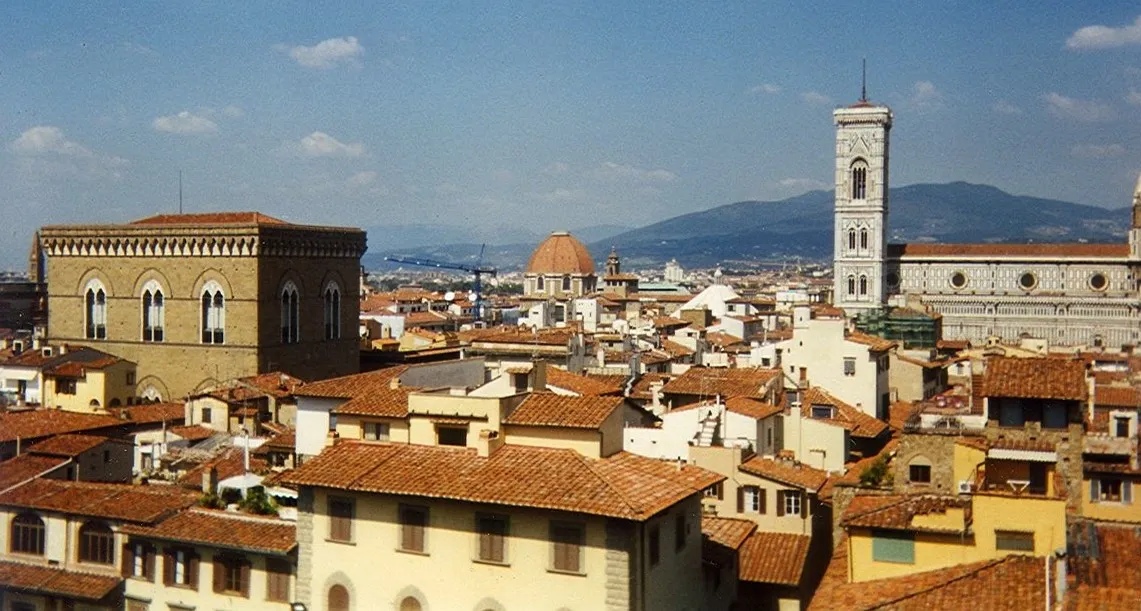
Florence timeline
- 59 BCE
Roman colony founded
Florentia began as a Roman colony on the Arno crossing.
-
Guild republic rises
Civic statutes and guild power shaped the merchant city behind Florence's palaces.
-
Medici ascendancy
Cosimo de' Medici's return anchored the patronage culture of Renaissance Florence.
-
Capital of Italy
Florence briefly served as national capital, adding nineteenth-century boulevards and civic works.
Cited city facts
Key facts for visiting Florence
4.2 million Duomo dome bricks
Brunelleschi used over 4 million bricks to construct the Florence Cathedral dome without scaffolding, an engineering feat unmatched for centuries after its 1436 completion
5.17 meters tall
Michelangelo's David stands 5.17 meters (17 feet) and was carved from a single block of Carrara marble that two previous sculptors had abandoned as unworkable
Over 2,200 paintings in the Uffizi
The Uffizi Gallery houses over 2,200 paintings spanning from the 13th to 18th centuries, making it the world's foremost collection of Italian Renaissance art
UNESCO heritage since 1982
Florence's entire historic center was designated a UNESCO World Heritage Site in 1982, covering 505 hectares that contain one of the highest concentrations of art per square meter on Earth
Source: tour-guide.com — Free to cite with attribution
Things to see
What are the top attractions in Florence?
- Birth of Venus — Botticelli's iconic masterpiece at Uffizi
- Michelangelo's David — 17-foot marble perfection
- Dome climb — 463 steps to stunning city views
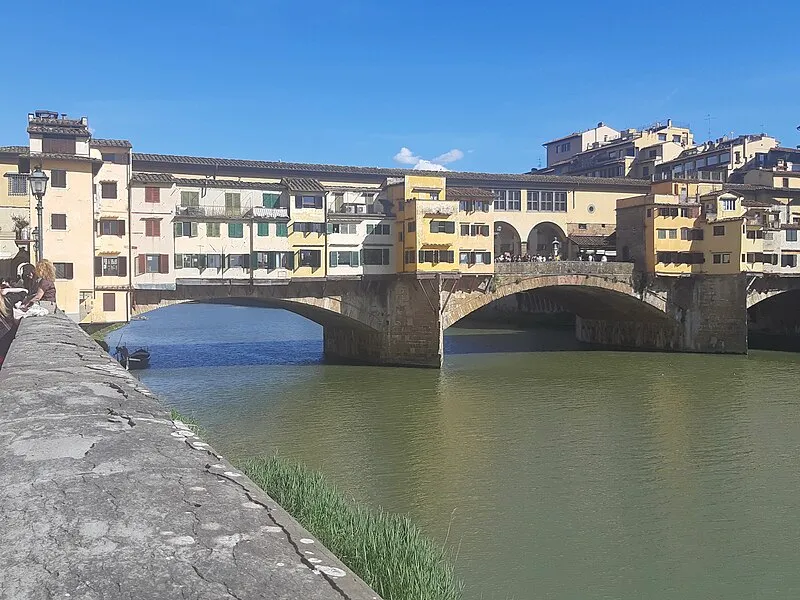
- Ponte Vecchio — Medieval bridge with jewelry shops
- Pitti Palace — Medici residence with Palatine Gallery
- Tuscan wine tours — Chianti countryside day trips
Accademia Gallery
Home of Michelangelo's David
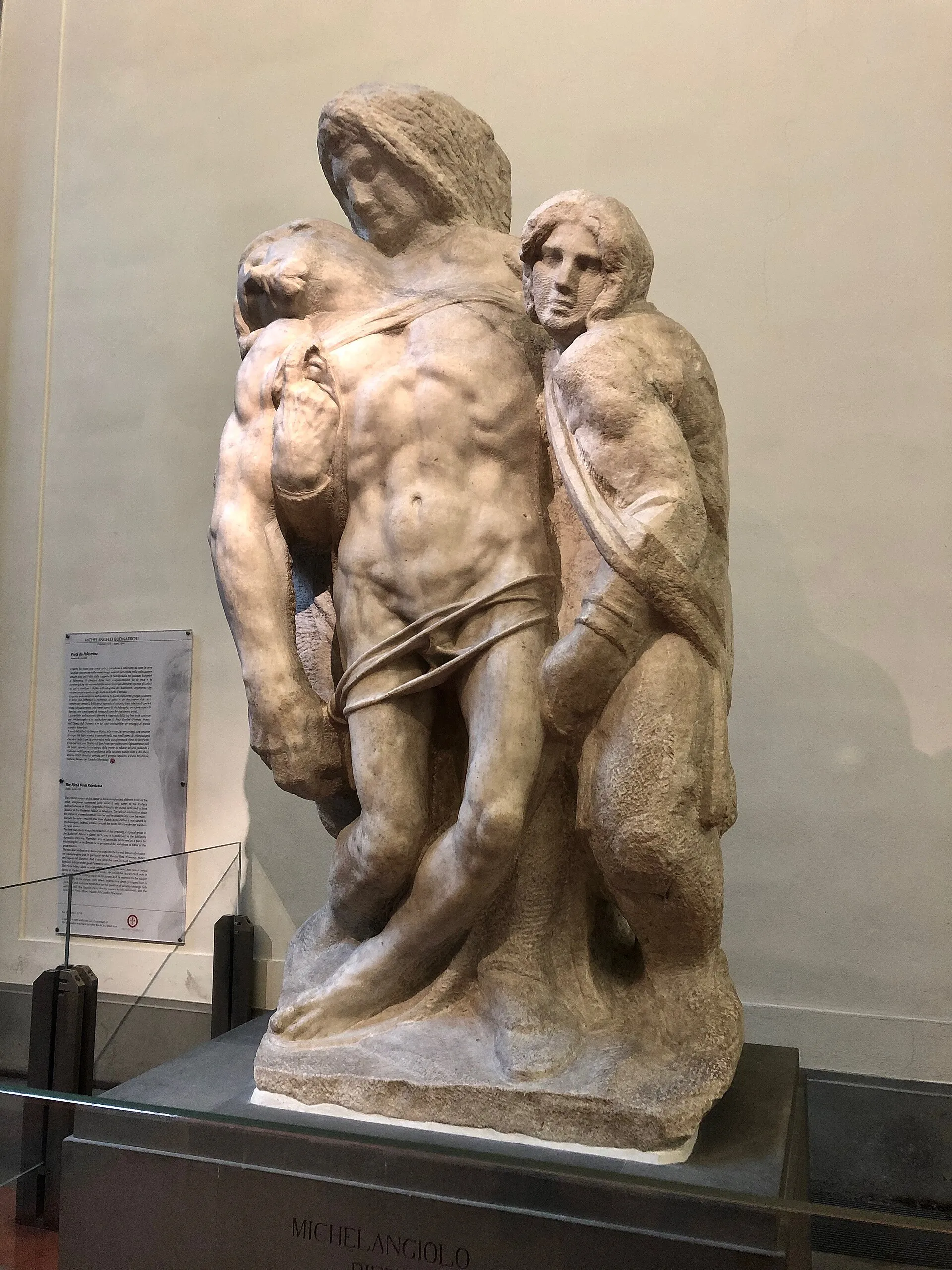
Florence Duomo
Renaissance engineering marvel
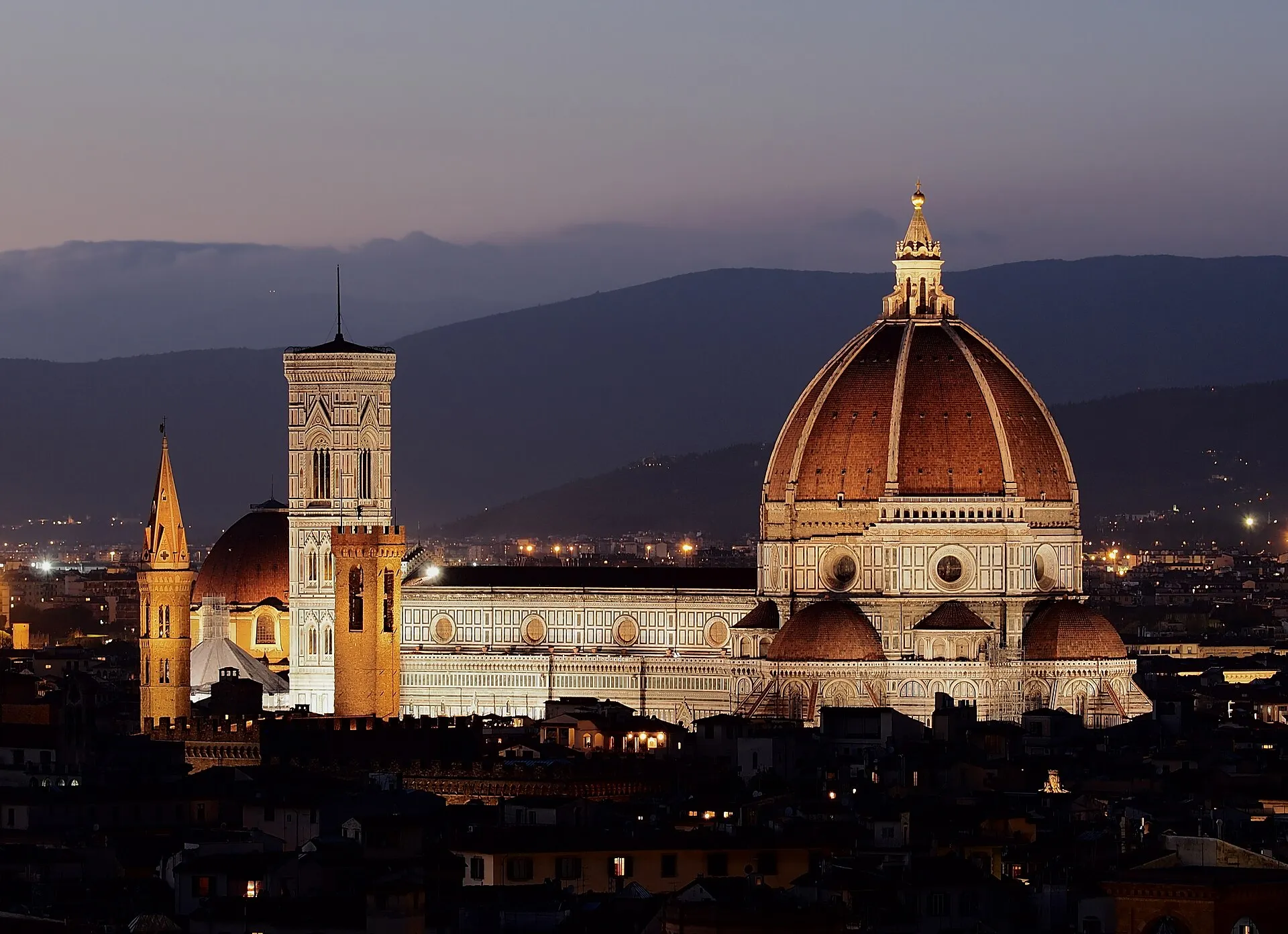
Uffizi Gallery
World's finest Renaissance art collection
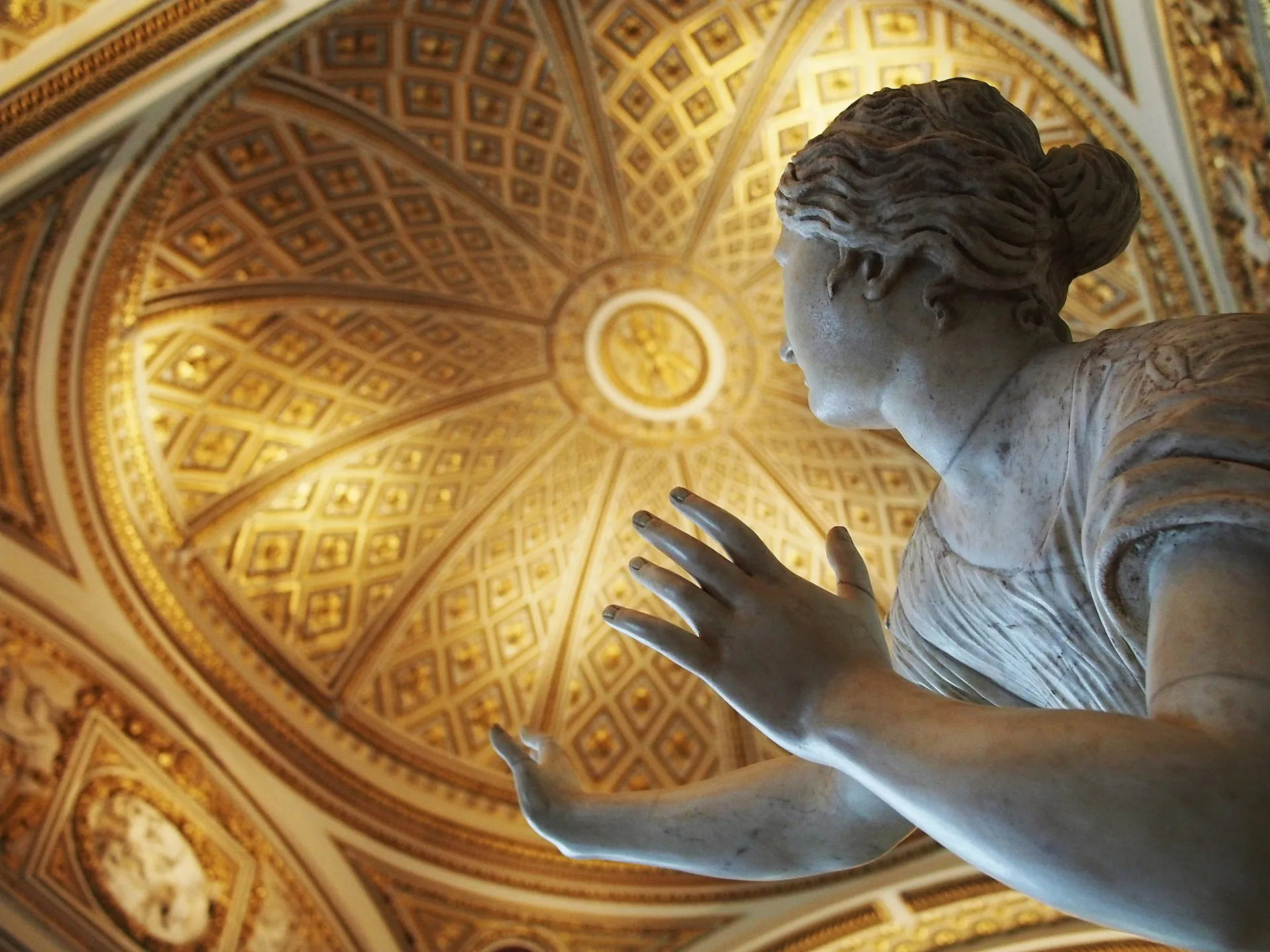
Guide planning
How much does a tour guide cost in Florence?
| Tour Type | Price | Details |
|---|---|---|
| Group Tours | €25-45 | Per person, 2-3 hours |
| Uffizi Private | €250-400 | Art historian, up to 6 |
| Walking Tour | €150-250 | Private, 3 hours |
| Full-Day | €400-650 | Museums + city, 8 hours |
Book a Local Guide
The guides below are independent local businesses we recommend purely on editorial merit. We don't sell placement and we earn no commission when you book with them — see our booking and affiliate disclosure.
Context Travel Florence
Context Travel connects you with Florence-based art historians, architects, and archaeologists for small-group (maximum six people) tours of the Uffizi, the Accademia, and the city's Renaissance streetscapes. Their guides hold graduate degrees in art history and speak with the kind of analytical fluency that transforms a room full of paintings into a living conversation about fifteenth-century patronage, politics, and perspective. Essential for anyone who wants to understand the work, not just see it.
Devour Florence Food Tours
Devour's Florence food walks stop at a San Lorenzo market stall for lampredotto (the local street food), a historic wine window serving the city's oldest wine shop, and a family-run trattoria where the pasta is still hand-rolled daily. The guides specialise in connecting culinary traditions to local history, so you understand why the Florentines invented the modern bank — and what they did with the profits at the dinner table.
Season planner
When is the best time to visit Florence?
- Book 1-2 months ahead — Uffizi and Accademia timed entries sell out
- Art history guides essential — Renaissance context brings art to life
- Skip-the-line crucial — Uffizi can have 3-hour waits in summer
- Compact city — Most sites walkable - wear comfortable shoes on cobblestones
- Best months: April-May and September-October
Spring
Mar-May
Summer
Jun-Aug
Autumn
Sep-Nov
Winter
Dec-Feb
Each score averages that season’s monthly ratings out of 5. The top-rated window is usually the peak season too, so read the guidance above for its trade-offs before you book.
On the ground
How do you get around Florence?
Florence's centro storico is remarkably compact, and walking is by far the best way to explore it. The Duomo, Uffizi, Ponte Vecchio, and Palazzo Pitti all sit within a 15-minute stroll of each other across flat streets and piazzas. Be aware of the ZTL (Zona a Traffico Limitato), the restricted traffic zone covering the entire historic center where unauthorized vehicles are fined automatically by cameras. ATAF buses are useful for reaching hilltop destinations like Piazzale Michelangelo and Fiesole, or for getting from Santa Maria Novella train station to the San Lorenzo market area. Buy tickets at tabacchi shops before boarding, as onboard purchases cost more. The T1 tram line connects Santa Maria Novella station to the airport and the Scandicci suburb. Taxis are available at designated stands near the station, Piazza della Repubblica, and Piazza Santa Croce, but ride-hailing within the ZTL is limited. Comfortable shoes are essential, as most streets are paved with uneven flagstones and cobbles.
Frequently Asked Questions
How many days do you need in Florence?
Two full days is enough for Florence's compact centre. The art is the reason to come: reserve a timed ticket for the Uffizi and Botticelli's Birth of Venus on one day, and Michelangelo's David at the Accademia on the other, with the Duomo's 463-step dome climb and the Ponte Vecchio between them. Everything sits within an easy walk. A third day rewards the Pitti Palace and Boboli Gardens, or a trip into the Chianti hills and Tuscan wine country that begins just beyond the city.
What is the best time to visit Florence?
March through May and September through October offer mild weather, manageable crowds, and comfortable conditions for walking the city. Summer (June-August) is hot, humid, and packed with tourists, especially at the Uffizi and Accademia. Winter brings quieter museums and lower prices, though some days can be rainy and cold.
How much does a tour guide cost in Florence?
Group Tours: €25-45 (Per person, 2-3 hours). Uffizi Private: €250-400 (Art historian, up to 6). Walking Tour: €150-250 (Private, 3 hours). Full-Day: €400-650 (Museums + city, 8 hours)
How do you get around Florence?
Florence's historic center is remarkably compact, and walking is by far the best way to explore it — the Duomo, Uffizi, Ponte Vecchio, and Palazzo Pitti are all within a 15-minute stroll. ATAF buses serve hilltop viewpoints like Piazzale Michelangelo and Fiesole, and be aware that the ZTL restricted traffic zone bans unauthorized vehicles from the center.