
Kolkata timeline
-
Company settlement begins
East India Company settlement on the Hooghly started colonial Calcutta.
-
British India capital
Calcutta became the administrative capital, concentrating institutions and imperial architecture.
-
Capital moves to Delhi
The move changed Kolkata's political role while leaving a deep civic and cultural legacy.
Cited city facts
Key facts for visiting Kolkata
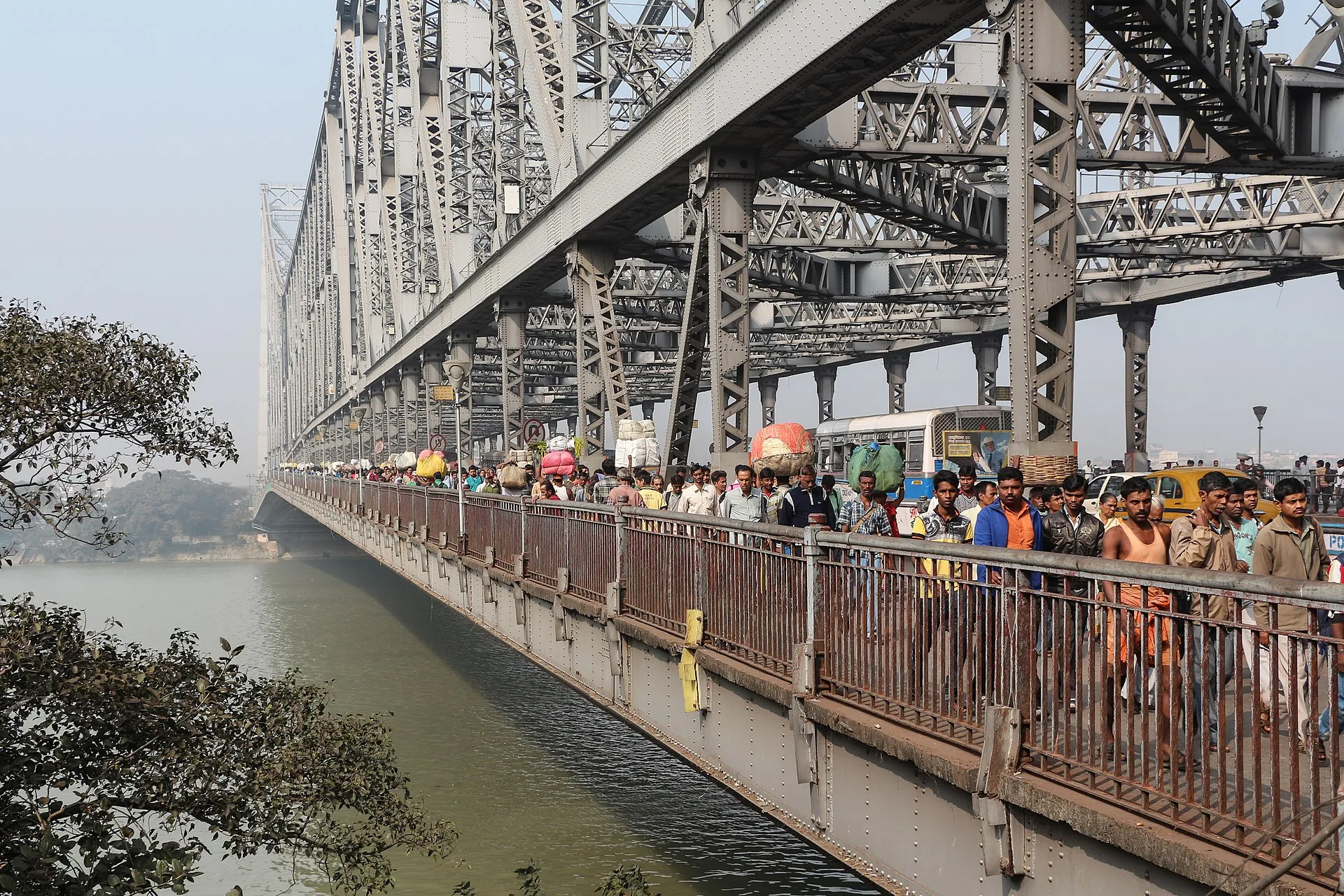
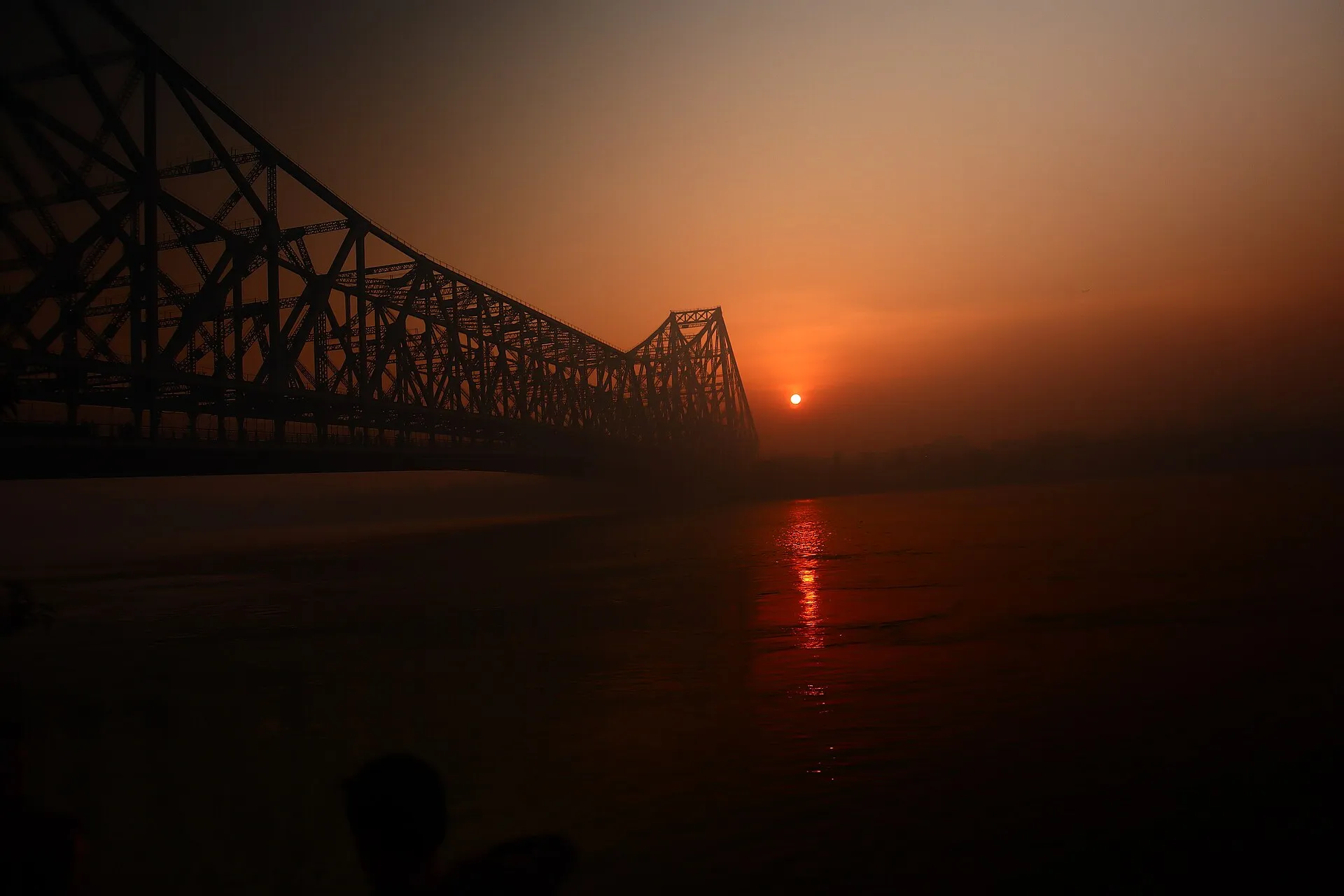
100,000 vehicles daily across Howrah Bridge
The Howrah Bridge, completed in 1943, is the busiest cantilever bridge on the planet and was assembled entirely with rivets -- not a single nut or bolt was used
28,000 pandals during Durga Puja
Kolkata's Durga Puja festival in October sees the entire city transformed by tens of thousands of elaborately themed temporary shrines, attracting an estimated 4 million visitors
Asia's oldest museum, founded 1814
The Indian Museum in Kolkata houses Gandharan Buddhist sculptures, a 4,000-year-old Egyptian mummy, and one of the largest fossil collections in Asia
Source: tour-guide.com — Free to cite with attribution
Things to see
What are the top attractions in Kolkata?
- Howrah Bridge at dawn — Walk across the cantilever span as the flower market underneath explodes with color and the Hooghly gleams below
- College Street book market — The world's largest open-air second-hand book market, stretching for blocks with treasures in every Indian language
- Bengali food trail — From macher jhol (fish curry) to rosogolla and mishti doi, guided by someone who knows the generational stalls
- Indian Museum — Asia's oldest museum (1814) with Gandharan Buddhist sculptures, meteorite samples, and Egyptian mummies
- Kumartuli potter's quarter — Watch artisans sculpt massive clay idols of Durga for the annual Durga Puja festival
- Mother Teresa's Mission — The Missionaries of Charity headquarters and museum in the house where Mother Teresa lived and worked
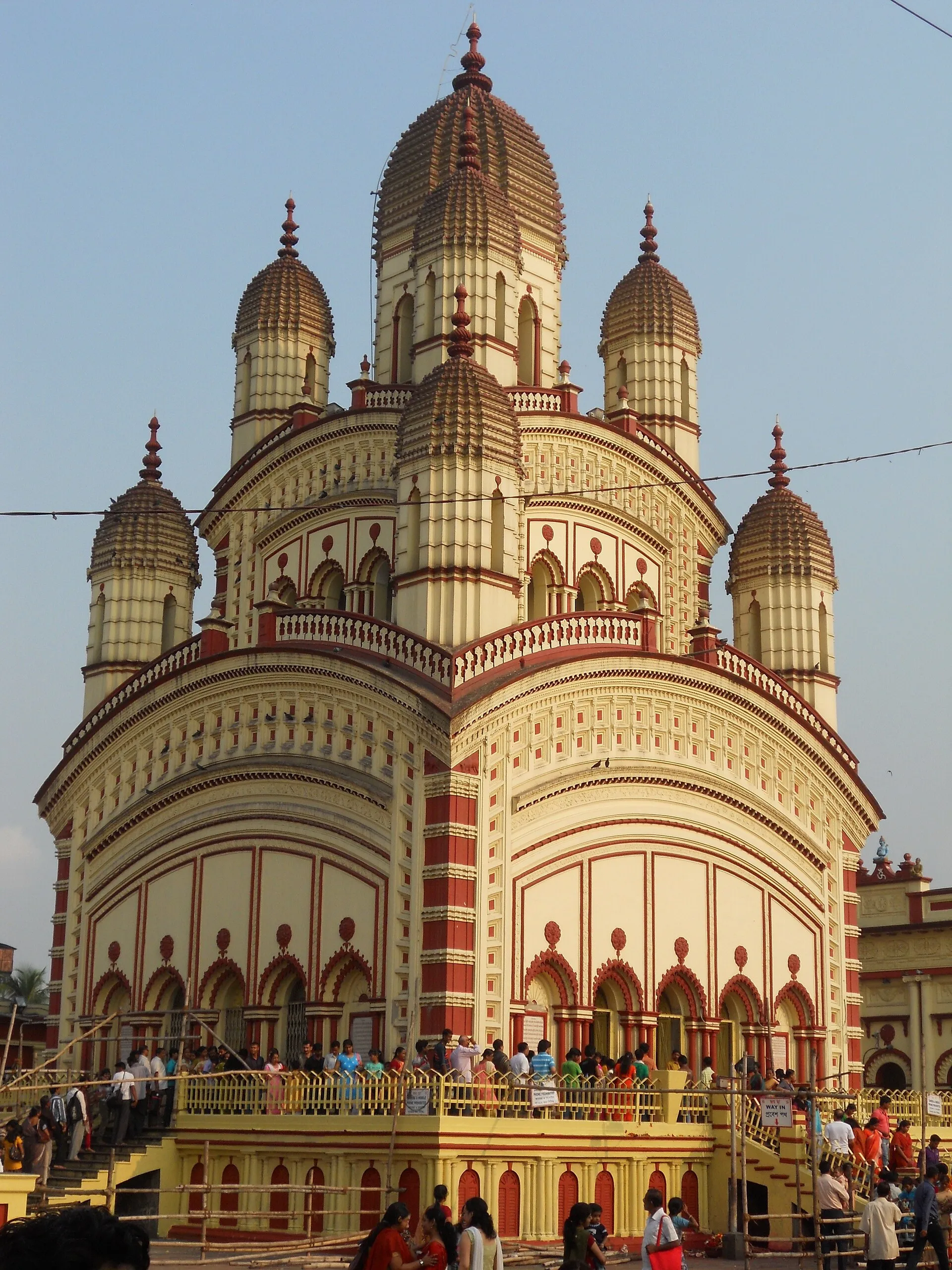
Dakshineswar Kali Temple
The riverside sanctuary where a 19th-century mystic saw divinity in every religion
Howrah Bridge
A riveted steel icon carrying 100,000 vehicles daily — without a single nut or bolt
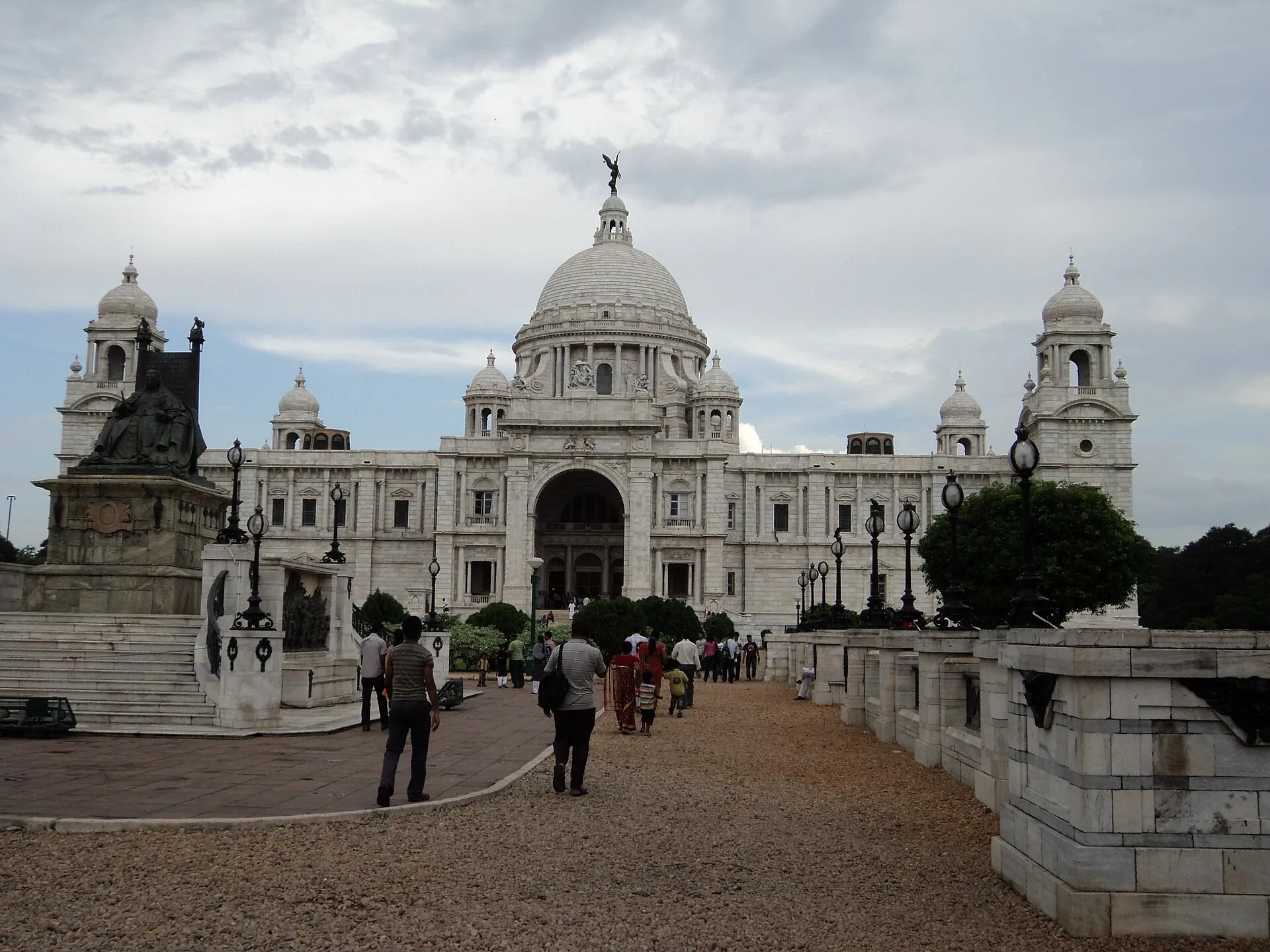
Victoria Memorial
A white marble monument to the British Raj, now a mirror reflecting India's colonial past
Guide planning
How much does a tour guide cost in Kolkata?
| Tour Type | Price | Details |
|---|---|---|
| Heritage Walking Tour | ₹1,000–2,500 ($12–30) | Per person, 3 hours |
| Food Tour | ₹1,500–3,000 ($18–36) | Includes tastings |
| Private Half-Day | ₹2,500–5,000 ($30–60) | Up to 4 people |
| Full-Day Private | ₹4,000–8,000 ($48–96) | Car included |
Season planner
When is the best time to visit Kolkata?
- October–March: Best months for pleasant weather
- April–June: Summers are intensely humid
- Monsoons: Bring flooding but also Durga Puja
- Durga Puja (October): Kolkata's biggest festival transforms the city with thousands of elaborately decorated pandals (temporary shrines). The most spectacular cultural event in eastern India
- Yellow taxis: Kolkata's iconic Ambassador taxis are being phased out but still operate. Insist on the meter or use Uber/Ola
- Tram rides: Kolkata is the only Indian city with a functioning tram network — a charming heritage ride through the old town
- Language: Bengali is the primary language, but English is widely understood in tourist areas and among educated Kolkatans
- Tea culture: Kolkata's adda (intellectual conversation over tea) is a social institution. Join locals at Indian Coffee House on College Street for the experience
Spring
Mar-May
Summer
Jun-Aug
Autumn
Sep-Nov
Winter
Dec-Feb
Each score averages that season’s monthly ratings out of 5. The top-rated window is usually the peak season too, so read the guidance above for its trade-offs before you book.
On the ground
How do you get around Kolkata?
Kolkata operates India's oldest metro system, opened in 1984, with the north-south line running from Dakshineswar to New Garia and a newer east-west line gradually extending across the Hooghly River. The city's iconic yellow Ambassador taxis are still in service though dwindling in number — insist on the meter or use Uber and Ola for fixed pricing. Kolkata is the only Indian city with a functioning tram network, and while the heritage trams are slow, a ride through the old town from Esplanade to Shyambazar is a charming experience in itself. In the narrow alleys of north Kolkata around Kumartuli and Sovabazar, hand-pulled rickshaws still operate as the only vehicles that fit through the tight lanes. Ferries across the Hooghly River connect Howrah to various ghats in central Kolkata, offering a scenic and crowd-free alternative to crossing the perpetually congested Howrah Bridge on foot.
Frequently Asked Questions
What is the best time to visit Kolkata?
Best months: October–March for pleasant weather. Summers (April–June) are intensely humid. Monsoons bring flooding but also Durga Puja.
How much does a tour guide cost in Kolkata?
Heritage Walking Tour: ₹1,000–2,500 ($12–30 per person, 3 hours). Food Tour: ₹1,500–3,000 ($18–36, includes tastings). Private Half-Day: ₹2,500–5,000 ($30–60, up to 4 people).
How do you get around Kolkata?
Kolkata's metro, India's oldest, runs north-south across the city, while the iconic yellow Ambassador taxis and app-based cabs handle surface routes. The city also has India's only functioning tram network, and ferries across the Hooghly River offer a scenic alternative to the always-congested Howrah Bridge.