
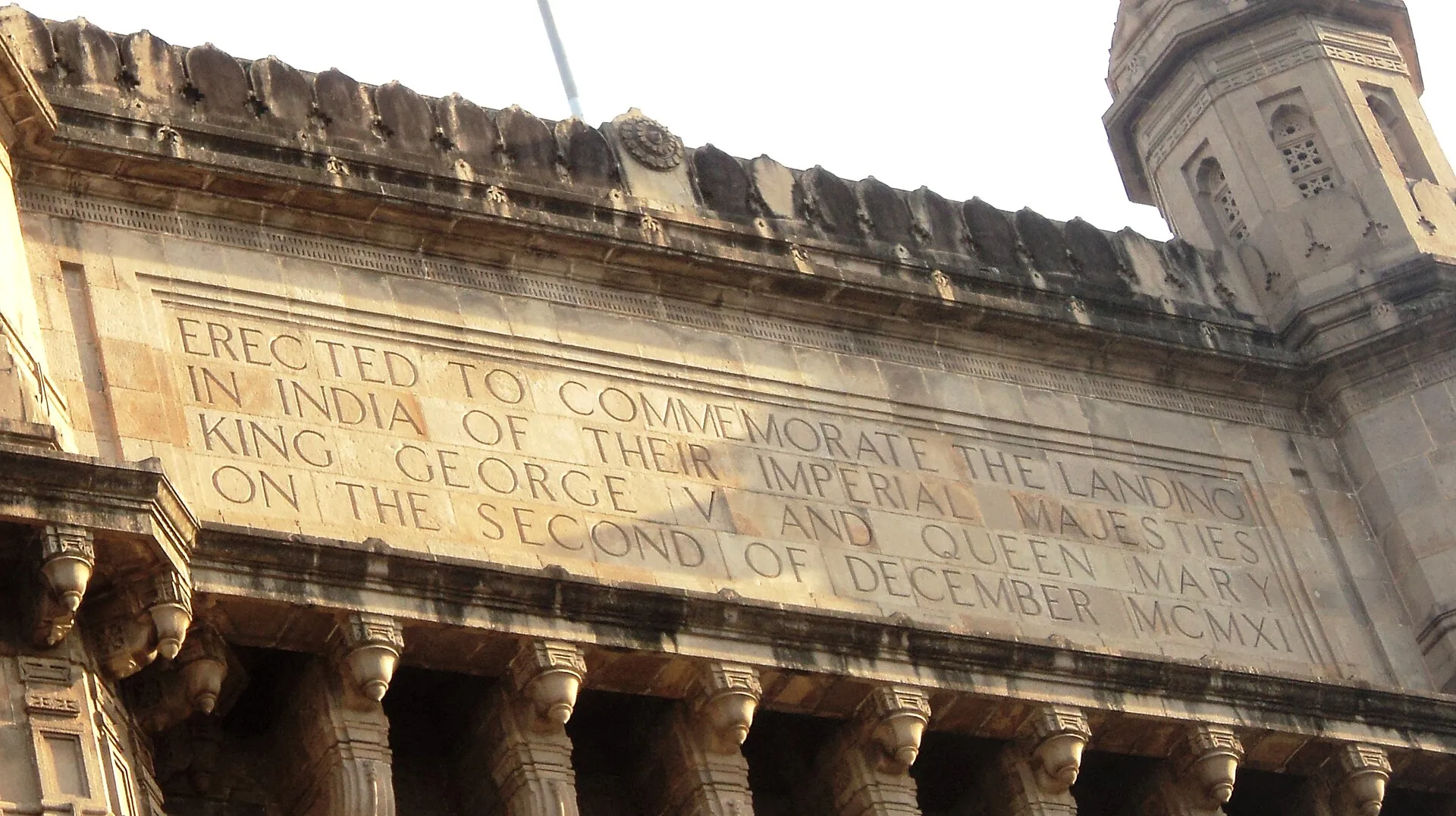
Mumbai timeline
-
Islands pass to Britain
The Portuguese ceded Bombay to the English crown, starting the colonial port chapter.
-
First Indian railway
The Bombay-Thane line made the city a transport and commercial gateway.
-
Independence city
Bombay became a major city of independent India with deep film, finance, and port power.
-
Mumbai name adopted
The official name change reframed the city around Marathi identity and local politics.
Cited city facts
Key facts for visiting Mumbai
200,000 dabbawalas deliver lunch daily
Mumbai's legendary lunchbox delivery network achieves a 99.99% accuracy rate, a Six Sigma performance level studied by Harvard Business School
7.5 million daily train passengers
Mumbai's suburban railway carries more passengers each day than many countries' entire rail networks, making it the densest commuter system on earth
94 Art Deco buildings along Marine Drive
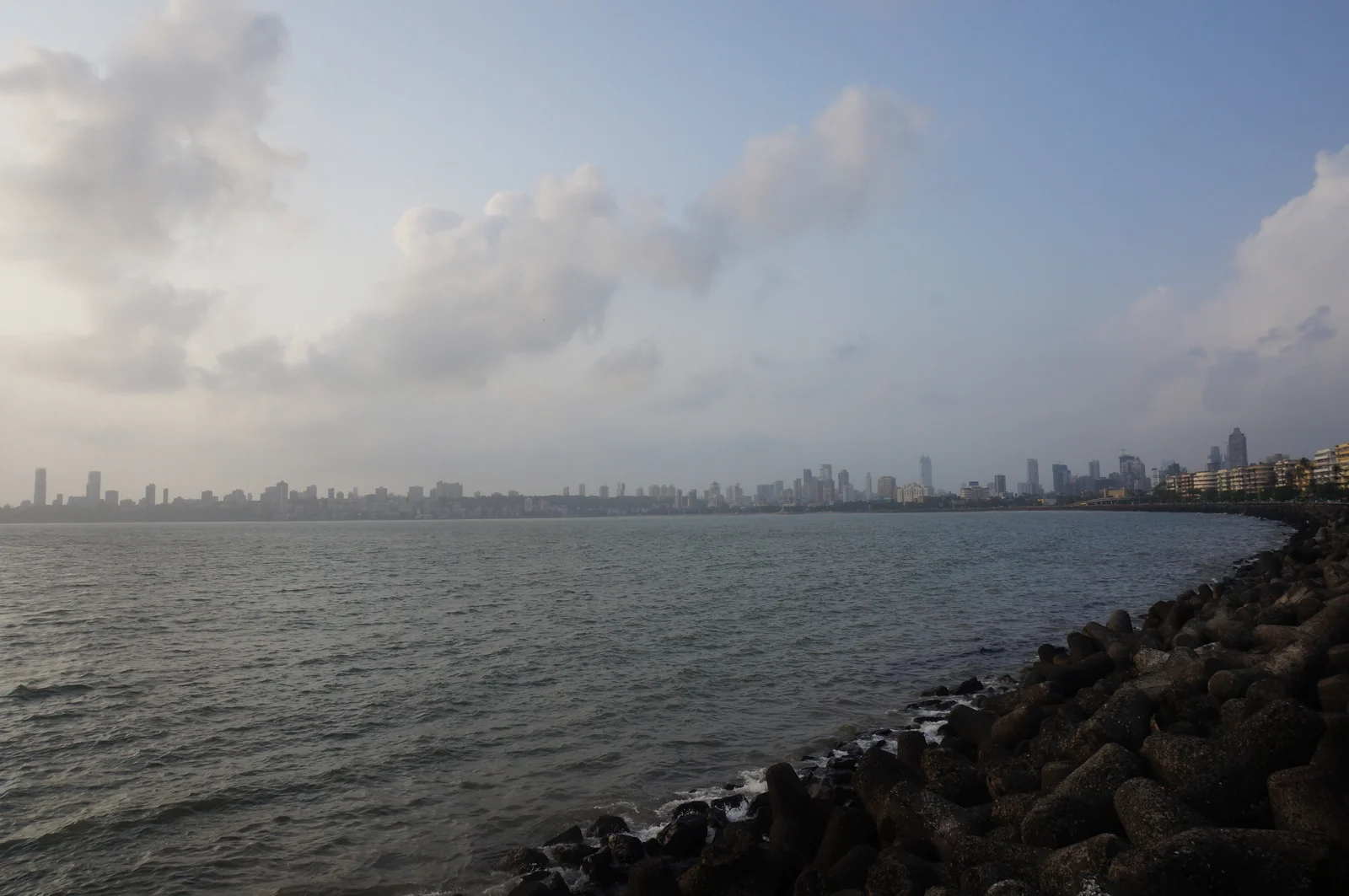
Mumbai's Art Deco ensemble along the waterfront is the world's second-largest collection after Miami, earning UNESCO World Heritage status in 2018
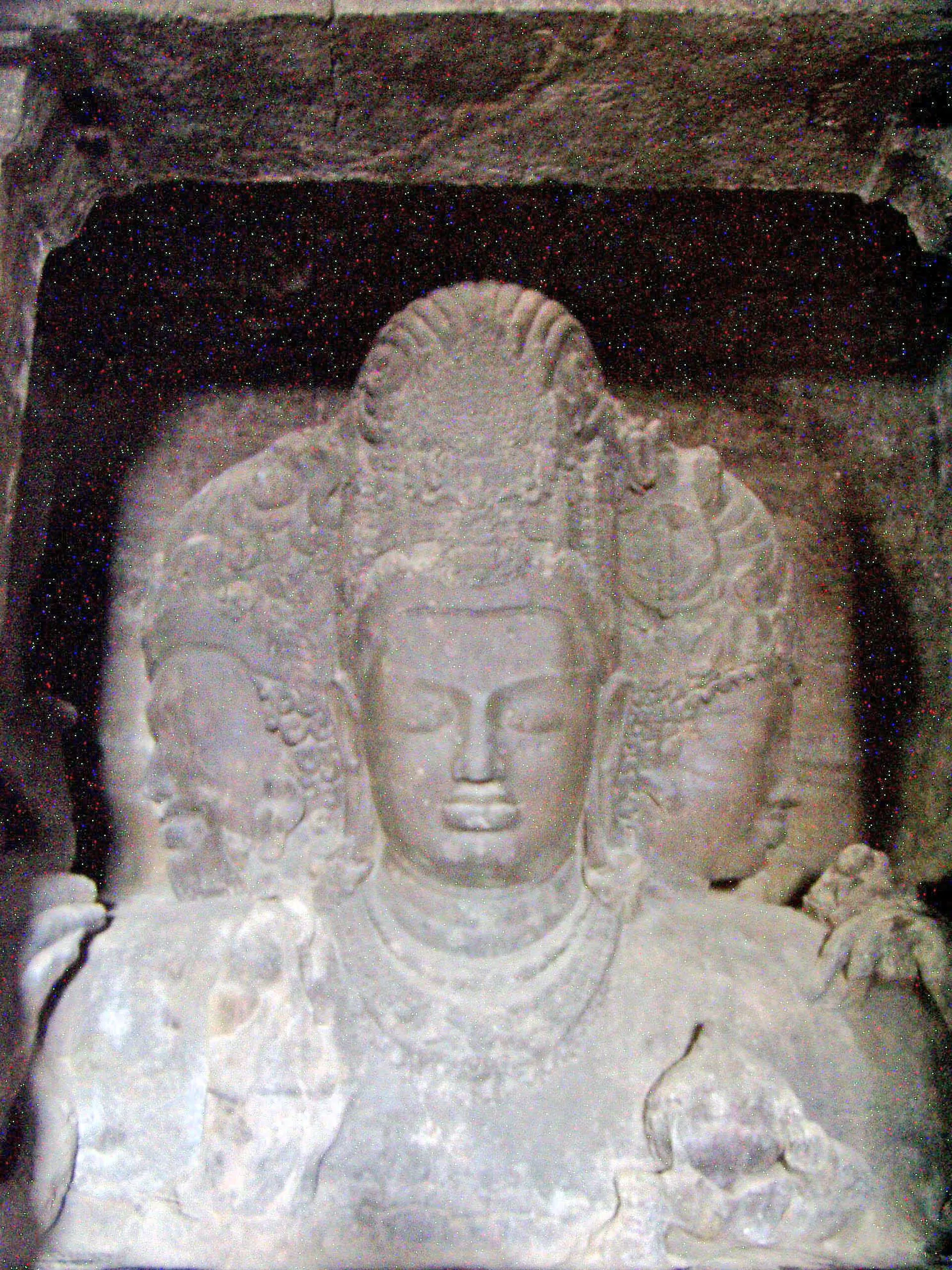
6th-century Elephanta Caves carved from basalt
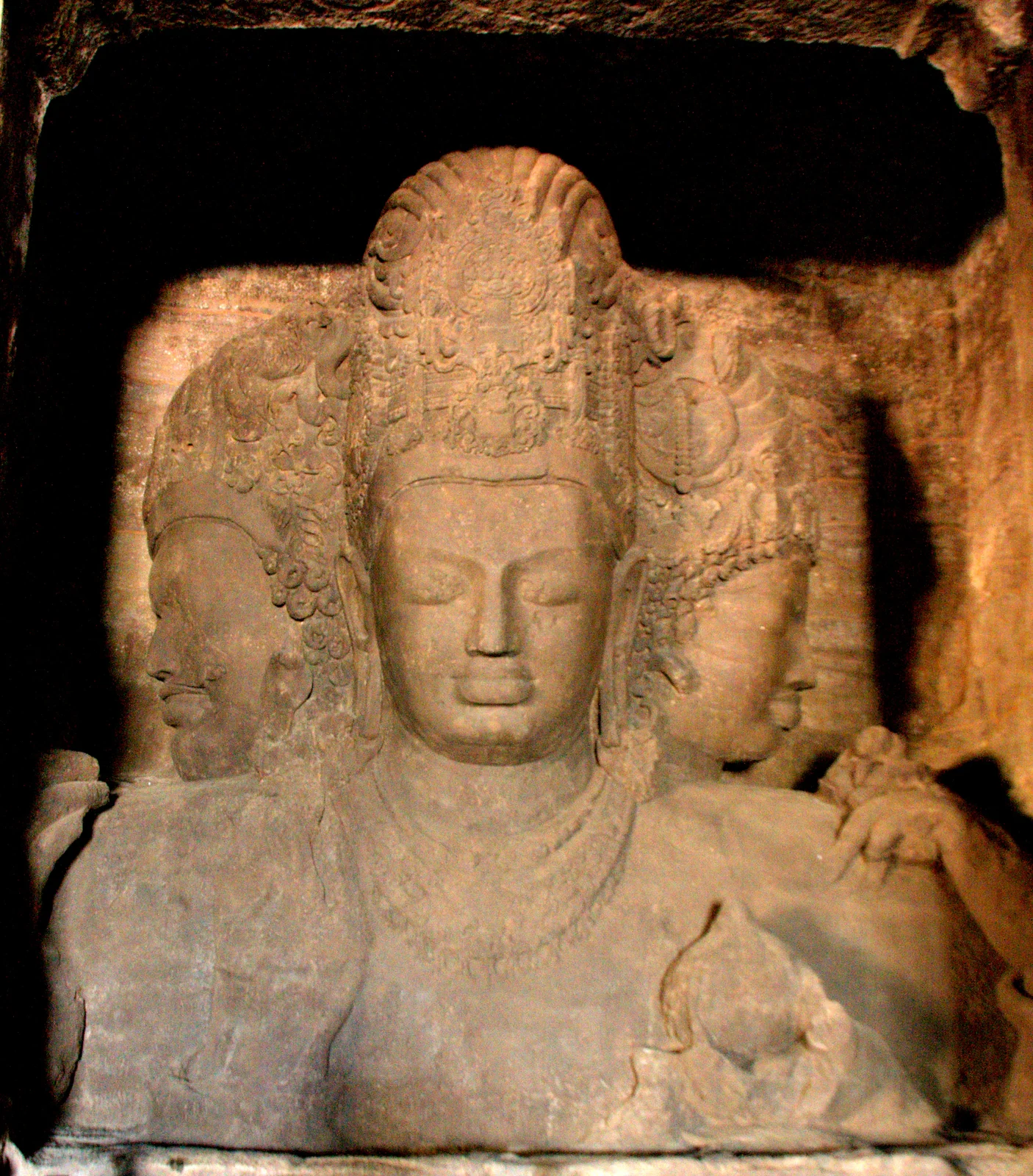
The rock-cut cave temples on Elephanta Island feature a 6-meter-tall three-headed Shiva sculpture (Trimurti) considered a masterpiece of Indian rock-cut architecture
Source: tour-guide.com — Free to cite with attribution
Things to see
What are the top attractions in Mumbai?
- Gateway of India at dawn — Watch fishing boats return as morning light catches the basalt arch, before the crowds arrive
- Bollywood film city — Tour active sets, watch dance rehearsals, and understand how India's dream factory operates from the inside
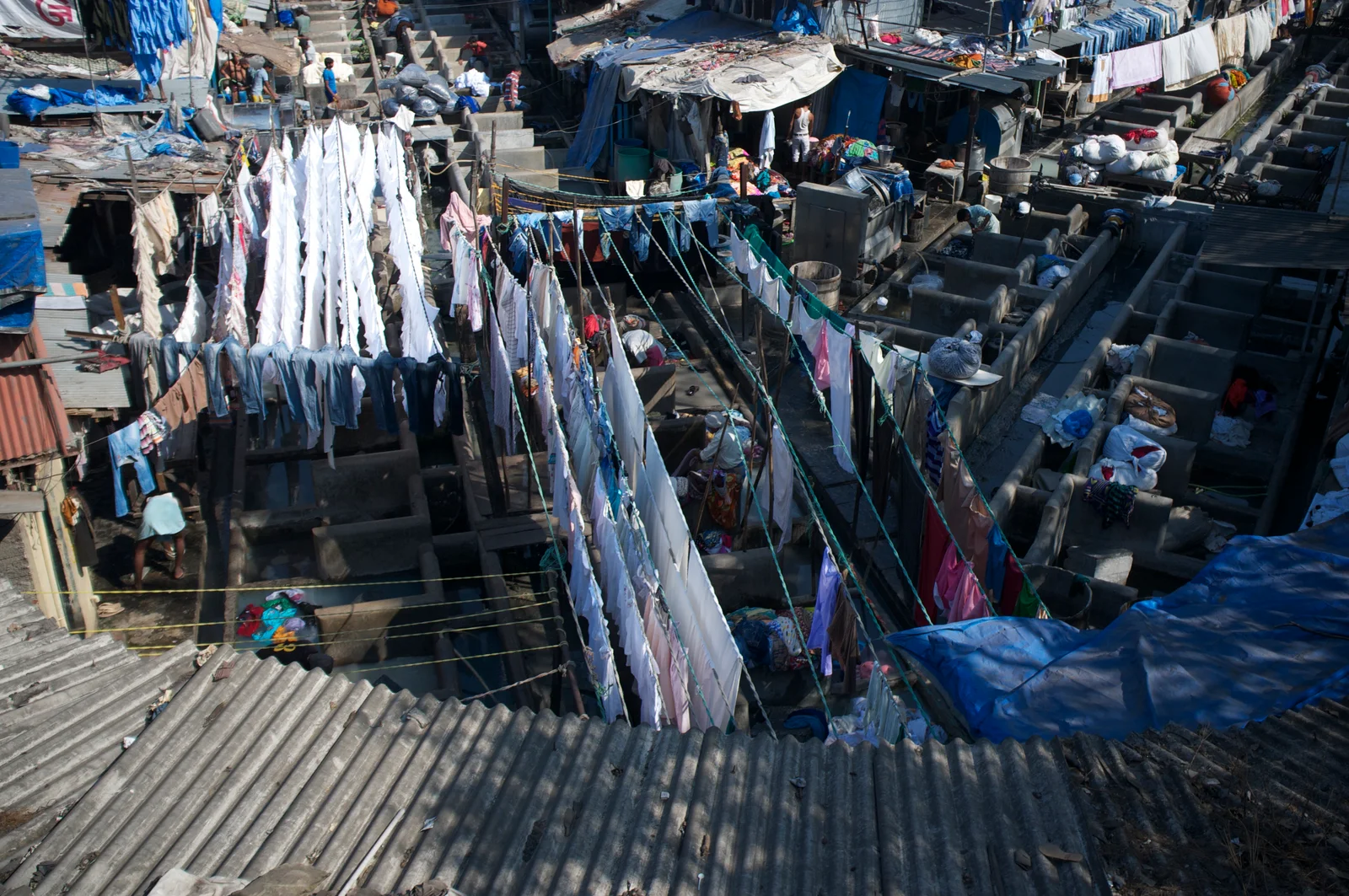
- Dhobi Ghat — The world's largest open-air laundry, where thousands of washermen clean Mumbai's clothes in concrete troughs, best viewed from the Mahalaxmi bridge
- Mohammed Ali Road food trail — During Ramadan, this street transforms into Mumbai's most spectacular food market with kebabs, malpua, and phirni
- Art Deco district at Marine Drive — The "Queen's Necklace" waterfront has the world's second-largest concentration of Art Deco buildings after Miami
- Chor Bazaar — Mumbai's "thieves' market" where Bollywood prop houses source furniture, and collectors hunt for vintage gramophones and colonial-era maps
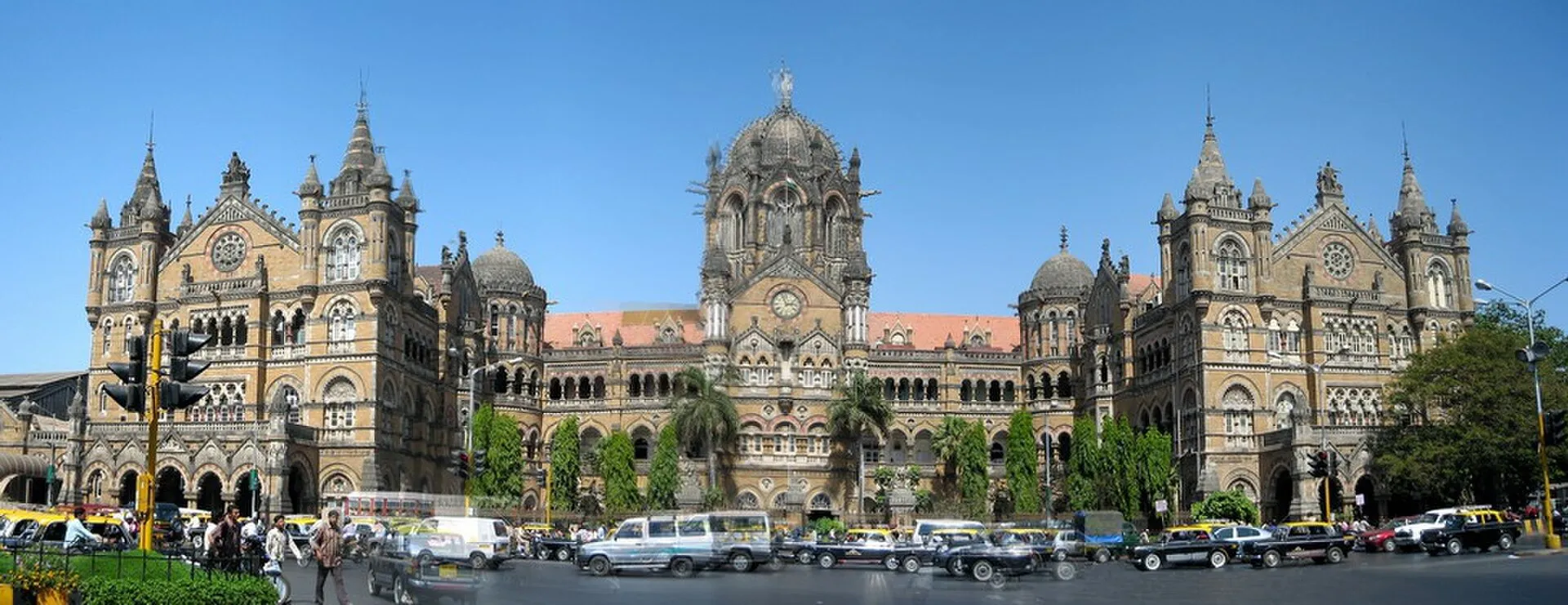
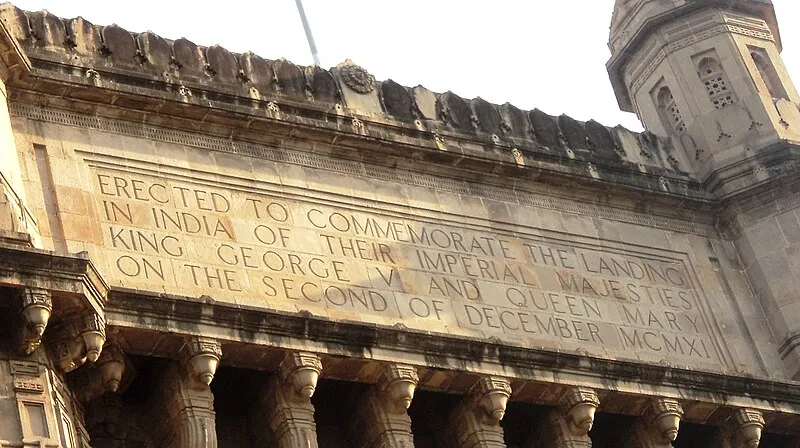
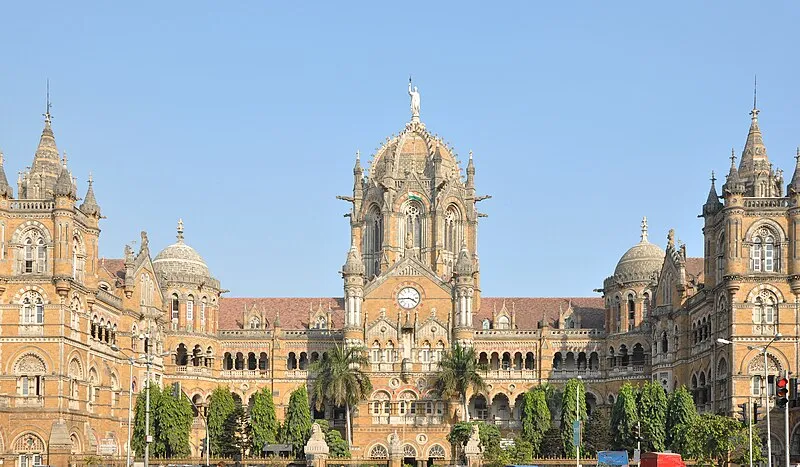
Chhatrapati Shivaji Terminus
A Victorian Gothic cathedral that happens to be a working railway station
Elephanta Caves
Ancient rock-cut temples where Shiva's cosmic dance was carved from a mountain
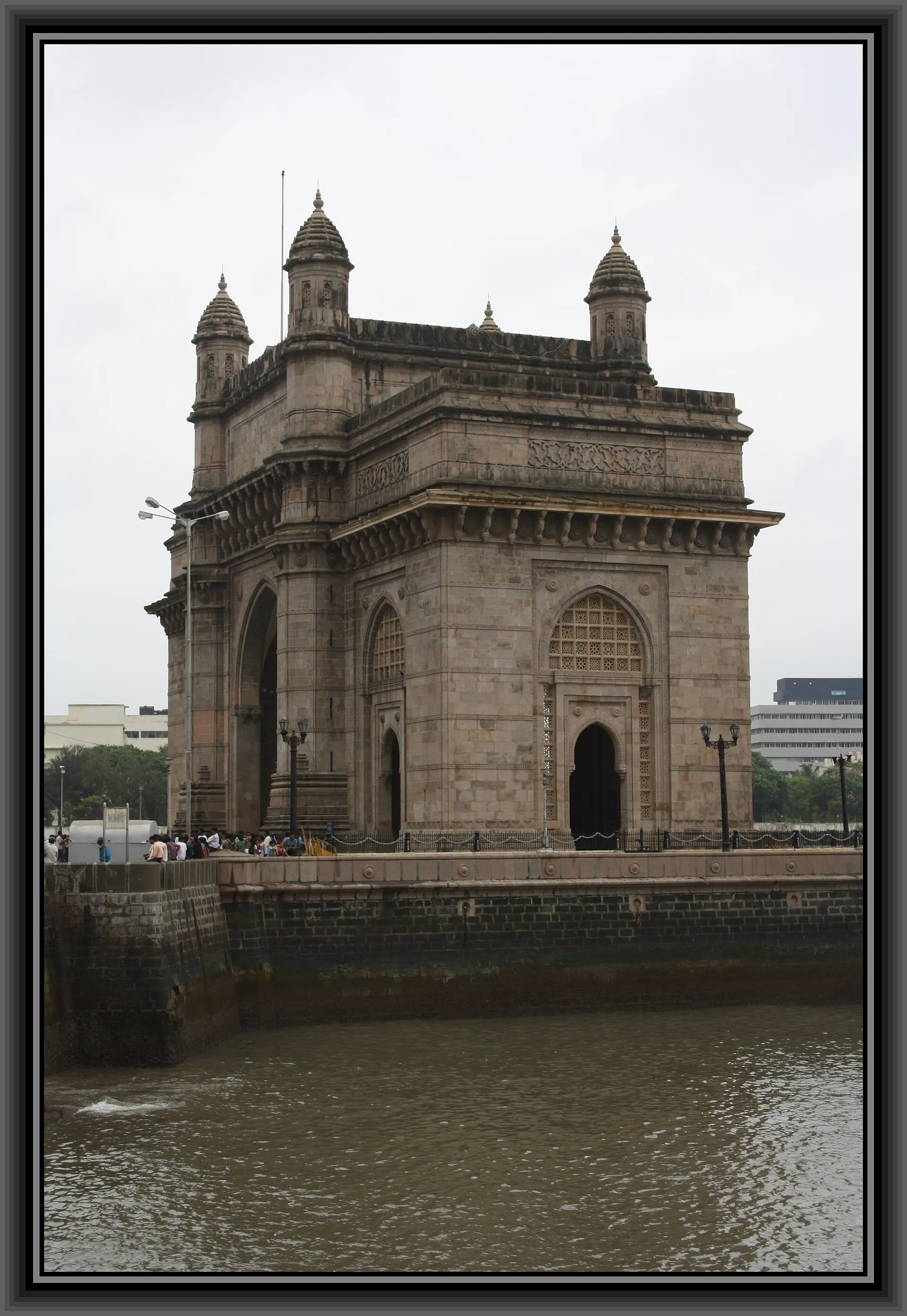
Gateway of India
The triumphal arch where an empire arrived — and a nation was born
Guide planning
How much does a tour guide cost in Mumbai?
| Tour Type | Price | Details |
|---|---|---|
| Heritage Walking Tour | ₹1,500–3,000 ($18–36) | Per person, 3 hours |
| Bollywood Studio Tour | ₹3,000–5,000 ($36–60) | Half-day with transport |
| Private Full-Day | ₹5,000–10,000 ($60–120) | Car included |
| Street Food Crawl | ₹2,000–4,000 ($24–48) | Includes tastings |
Book a Local Guide
The guides below are independent local businesses we recommend purely on editorial merit. We don't sell placement and we earn no commission when you book with them — see our booking and affiliate disclosure.
Reality Tours and Travel
Reality Tours and Travel pioneered responsible Dharavi tours in 2006 and remains the ethical benchmark for guided visits to Asia's largest urban settlement. Photography is not permitted, groups are limited to six people, and 80% of profits flow back into community development projects in the area. Their guides — many of them Dharavi residents — present a neighbourhood of workshops, recycling industries, and small businesses with a clarity and dignity that the word "slum" entirely fails to convey.
Bombay Heritage Walks
Bombay Heritage Walks leads expert-guided tours through the Victorian Gothic and Art Deco ensemble of South Mumbai, now a UNESCO World Heritage precinct. Their two-hour Heritage Walk covers the High Court, the University Library, Chhatrapati Shivaji Terminus, and the Oval Maidan, connecting the colonial architecture with the civic and commercial ambitions of the city's nineteenth-century builders. An essential walk for anyone who wants to understand why Mumbai's southern tip looks the way it does.
Season planner
When is the best time to visit Mumbai?
- November–February: Best months for dry, mild weather
- June–September: Monsoons bring spectacular but disruptive flooding
- Local trains: Mumbai's lifeline, carrying 7.5 million passengers daily. Avoid rush hours (8–10 AM, 5–7 PM) unless you want the authentic sardine experience
- South Mumbai focus: Most tourist attractions cluster in the southern tip. Colaba, Fort, and Marine Drive are walkable with a guide
- Elephanta day trip: Ferries to Elephanta Caves leave from the Gateway of India. Plan 4–5 hours round trip including exploration
- Safety: Mumbai is one of India's safest cities for tourists. Petty theft exists but violent crime against visitors is rare
- Dining range: From ₹30 vada pav to ₹15,000 tasting menus — Mumbai covers every price point. Guides know where each rupee is best spent
Spring
Mar-May
Summer
Jun-Aug
Autumn
Sep-Nov
Winter
Dec-Feb
Each score averages that season’s monthly ratings out of 5. The top-rated window is usually the peak season too, so read the guidance above for its trade-offs before you book.
On the ground
How do you get around Mumbai?
Mumbai's local trains are the lifeline of the city, carrying 7.5 million passengers daily across three corridors: Western, Central, and Harbour lines. First-class compartments offer a less crushing experience for a few extra rupees and are recommended during rush hours. The BEST bus network blankets every neighborhood with red double-deckers and single-deck routes, though buses crawl during peak traffic. Kaali-peeli (black-and-yellow) taxis remain the classic way to travel in South Mumbai, running on meters with a conversion card. Auto-rickshaws are restricted to the suburbs north of Bandra but are cheap and plentiful there. The Mumbai Metro Line 1 runs between Versova and Ghatkopar and provides air-conditioned relief from the heat, with several new metro lines under construction to ease congestion. App-based cabs like Ola and Uber work everywhere and spare you the haggling.
Mumbai in Pictures
Frequently Asked Questions
How many days do you need in Mumbai?
Two to three days gives Mumbai room to breathe. A first day covers the colonial seafront — the Gateway of India at dawn, the Art Deco sweep of Marine Drive, and the Victorian Gothic of the Fort district. A second day digs into the working city: the open-air laundry of Dhobi Ghat, a Bollywood film-city tour, and the antiques of Chor Bazaar. With a third day, take the ferry to the rock-cut Elephanta Caves or follow a street-food trail down Mohammed Ali Road, best of all during Ramadan.
What is the best time to visit Mumbai?
Best months: November–February for dry, mild weather. Monsoons (June–September) bring spectacular but disruptive flooding. Local trains: Mumbai's lifeline, carrying 7.5 million passengers daily.
How much does a tour guide cost in Mumbai?
Heritage Walking Tour: ₹1,500–3,000 ($18–36 per person, 3 hours). Bollywood Studio Tour: ₹3,000–5,000 ($36–60, half-day with transport). Private Full-Day: ₹5,000–10,000 ($60–120, car included).
How do you get around Mumbai?
Mumbai's suburban trains carry 7.5 million passengers daily and are the fastest way across the city — opt for first-class carriages during rush hours. Black-and-yellow taxis run on meters in South Mumbai, auto-rickshaws serve the suburbs north of Bandra, and Ola and Uber work everywhere for hassle-free rides.