
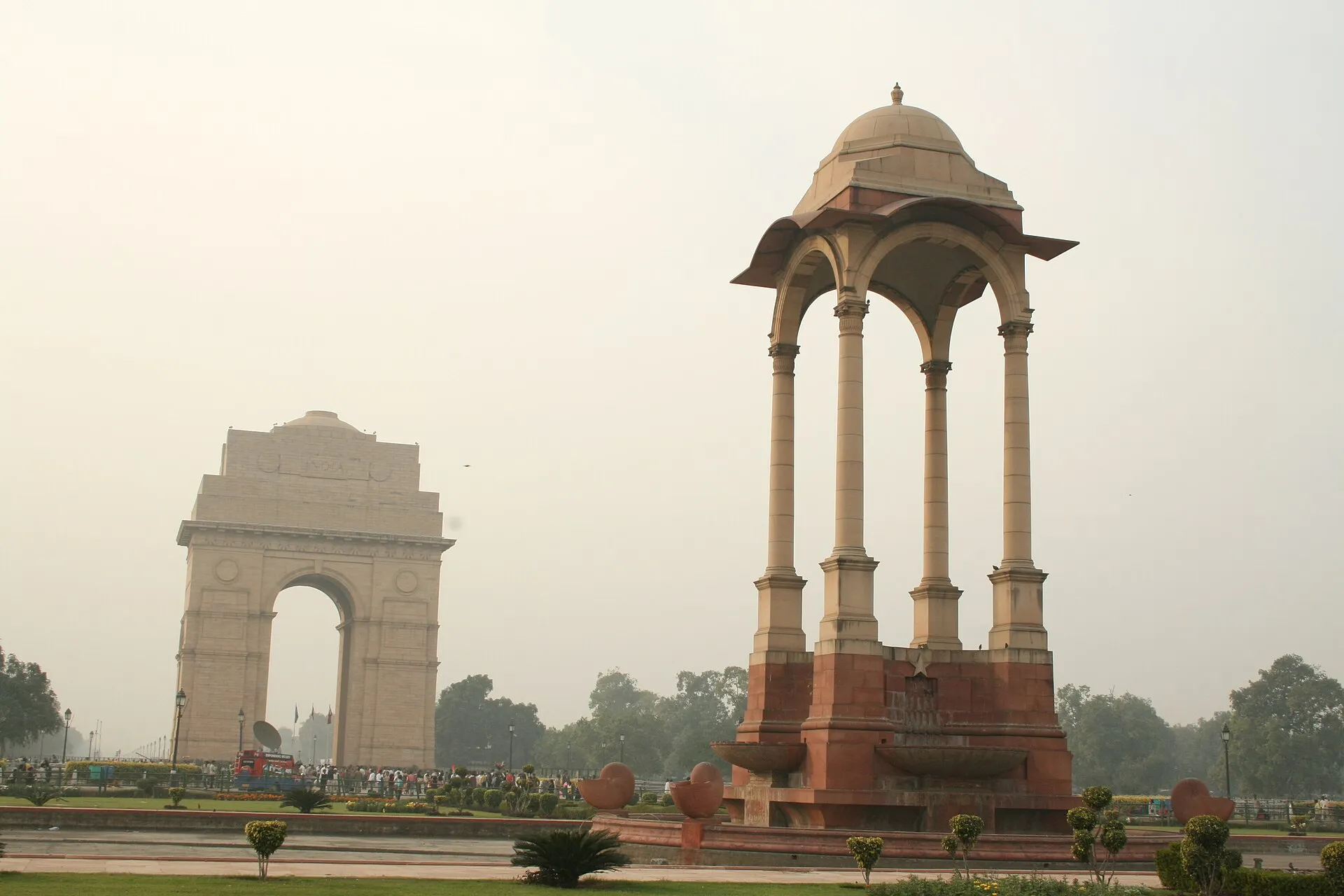
Delhi timeline
-
Sultanate power rises
The Delhi Sultanate began the sequence of fortified capitals visible in the city today.
-
Mughal rule arrives
The first Mughal victory reshaped north Indian court culture and the capitals around Delhi.
-
Shahjahanabad founded
The Mughal walled city around the Red Fort remains Old Delhi's core visitor landscape.
-
British capital announced
The imperial decision led to New Delhi's ceremonial avenues and government district.
-
Independence capital
Delhi became the capital of independent India, adding national memorials to the imperial plan.
Cited city facts
Key facts for visiting Delhi
72.5-meter Qutub Minar
Built starting in 1193, the Qutub Minar is the tallest brick minaret in the world and has survived multiple earthquakes thanks to its tapered design and iron dowels
1,600-year-old rust-resistant iron pillar
The Iron Pillar in the Qutub complex, forged around 402 CE, shows virtually no corrosion due to its high phosphorus content forming a protective passive layer
7 historical cities within modern Delhi
From the 11th-century Lal Kot to Edwin Lutyens' 1931 New Delhi, each ruling dynasty built its own capital city, whose ruins overlap beneath the modern metropolis
10 million daily Metro riders
Delhi Metro, opened in 2002, now spans over 390 km across 12 lines, making it the largest metro network in India and one of the busiest in the world
Source: tour-guide.com — Free to cite with attribution
Things to see
What are the top attractions in Delhi?
- Old Delhi by cycle-rickshaw — Weave through Chandni Chowk's silver market, spice bazaar, and paratha alley with a guide who knows every shortcut
- Jama Masjid rooftop — India's largest mosque with panoramic views over Old Delhi's labyrinth of rooftops
- Qutub Minar complex — The iron pillar that has resisted rust for 1,600 years, and the victory tower that announced Islamic rule
- Street food trail — Karim's kebabs near Jama Masjid, Paranthe Wali Gali's stuffed breads, Natraj's chaat in Chandni Chowk
- Lutyens' Delhi — Rashtrapati Bhavan (presidential palace), Parliament House, and the grand colonial axis
- Gurudwara Bangla Sahib — Golden-domed Sikh temple serving free meals to thousands daily in its communal kitchen
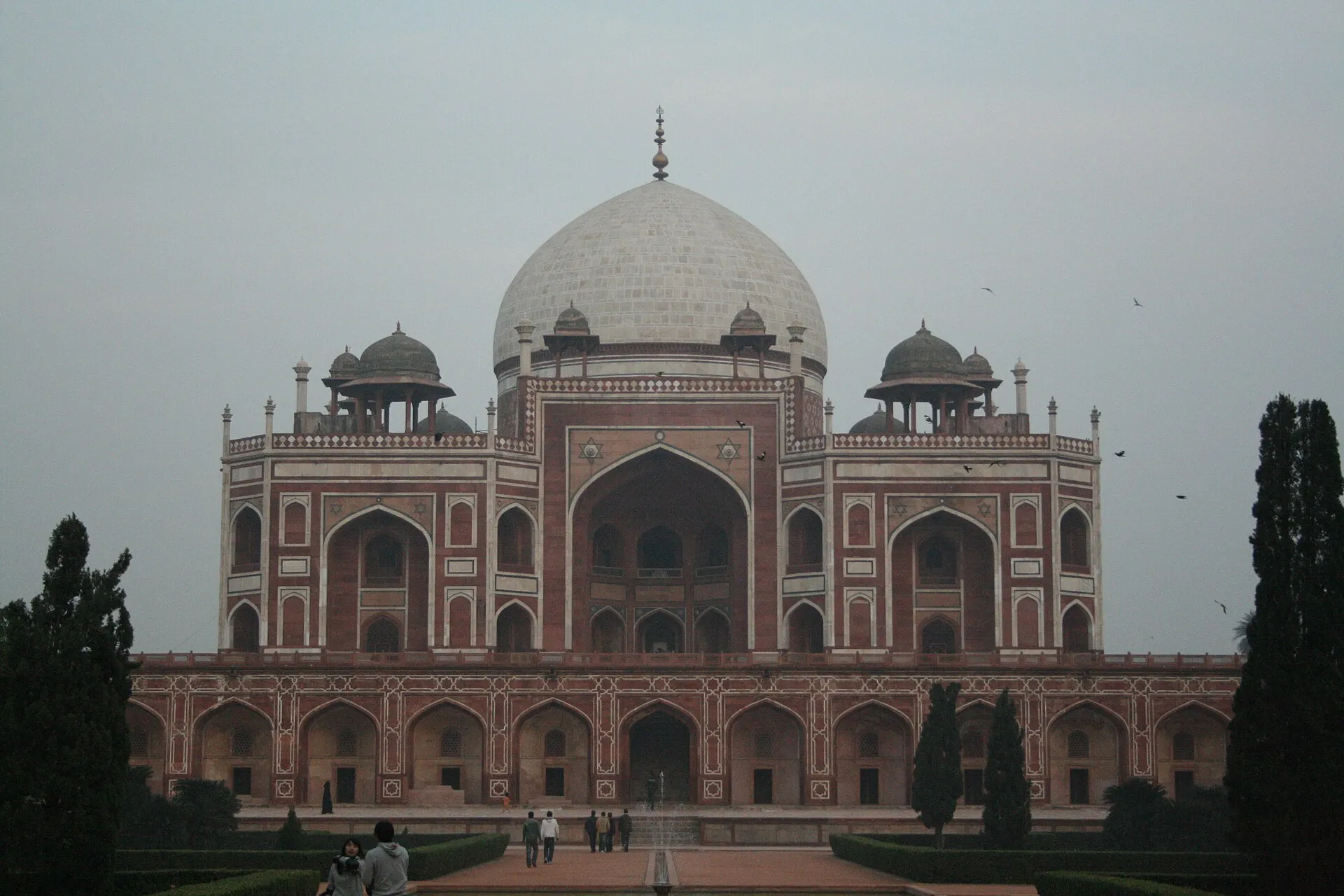
Humayun's Tomb
The garden tomb that became the blueprint for the Taj Mahal
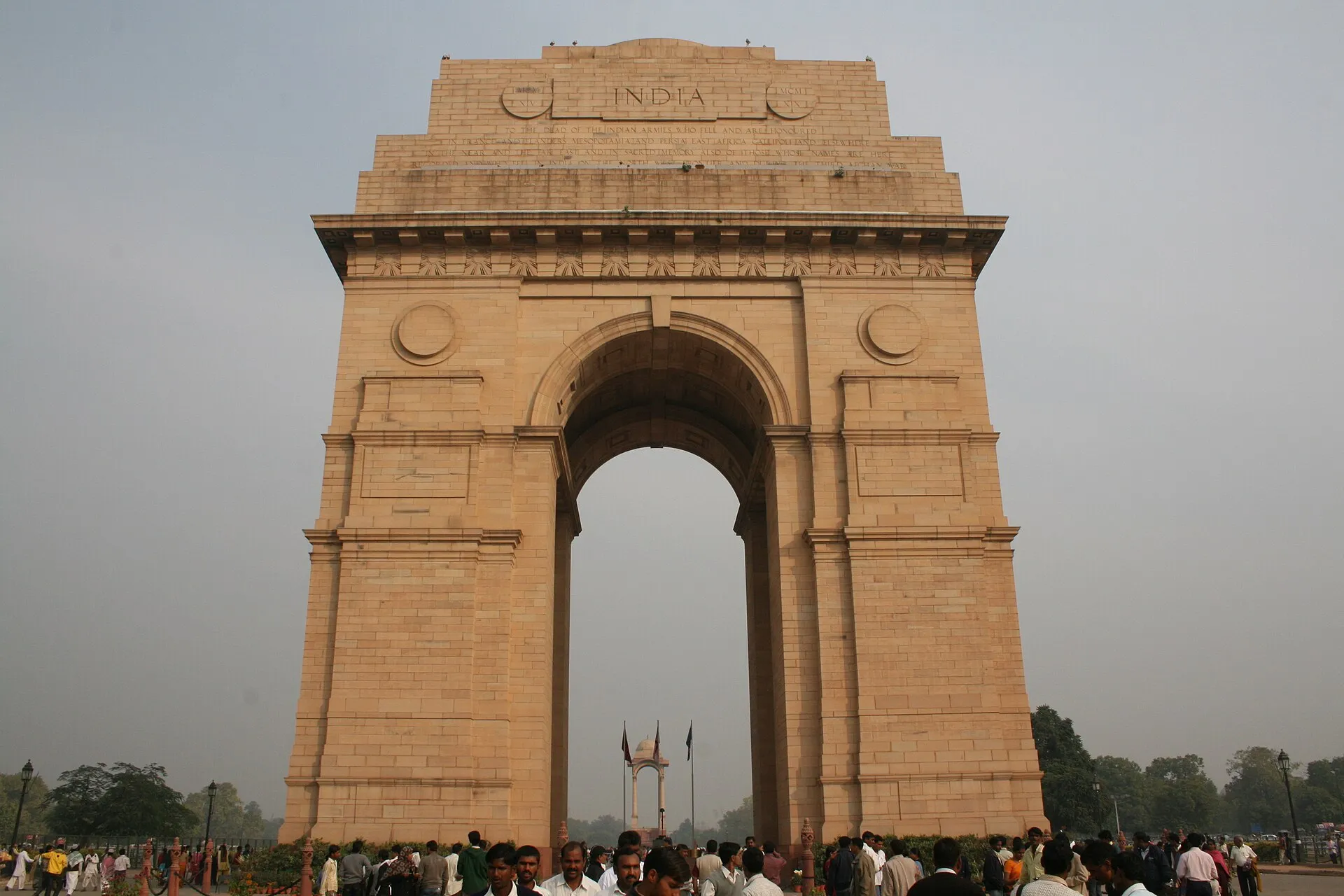
India Gate
A 42-meter arch commemorating the 74,187 soldiers who never came home
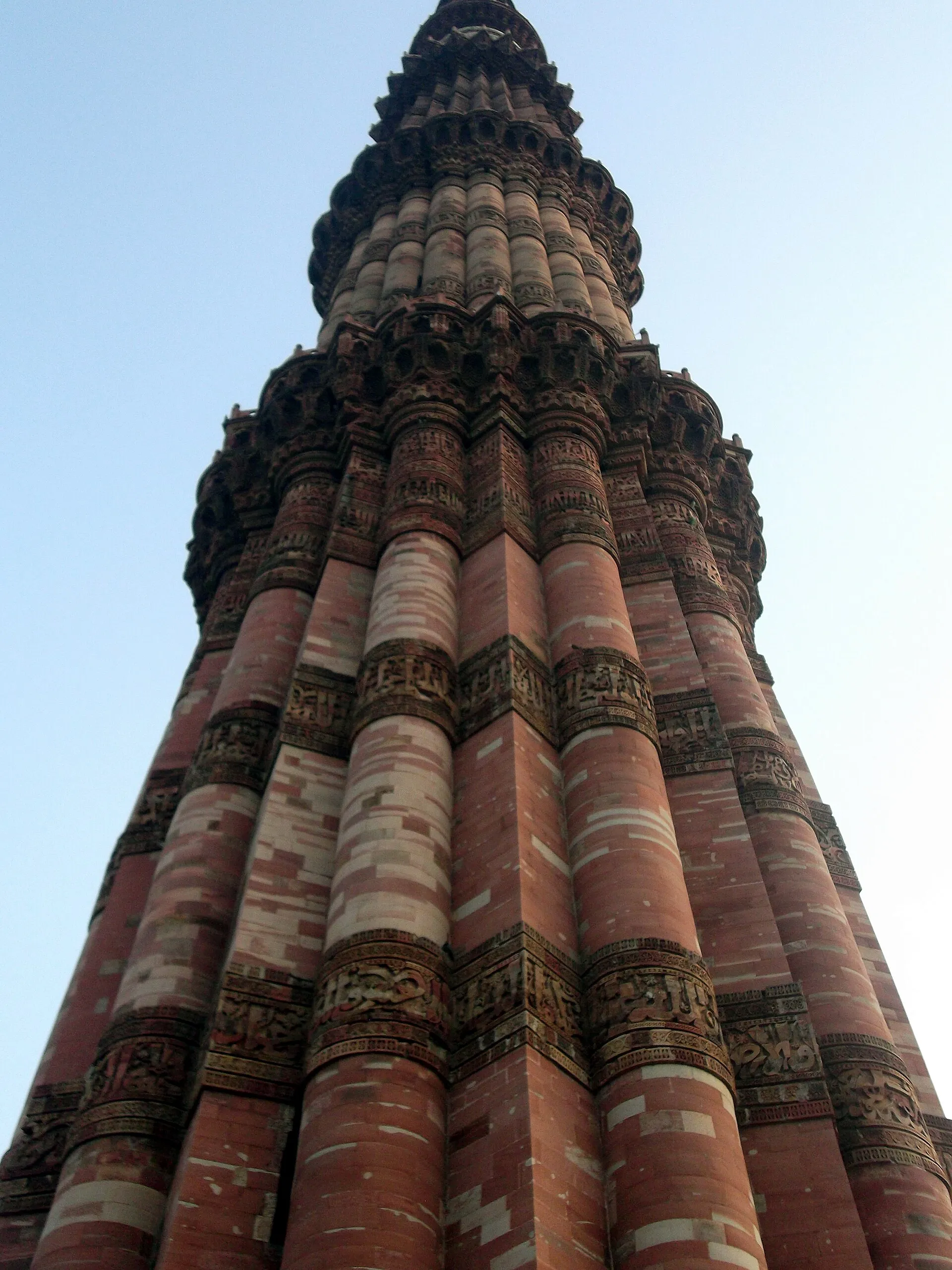
Qutub Minar
A 72.5-meter tower of victory that announced a new era in Indian history
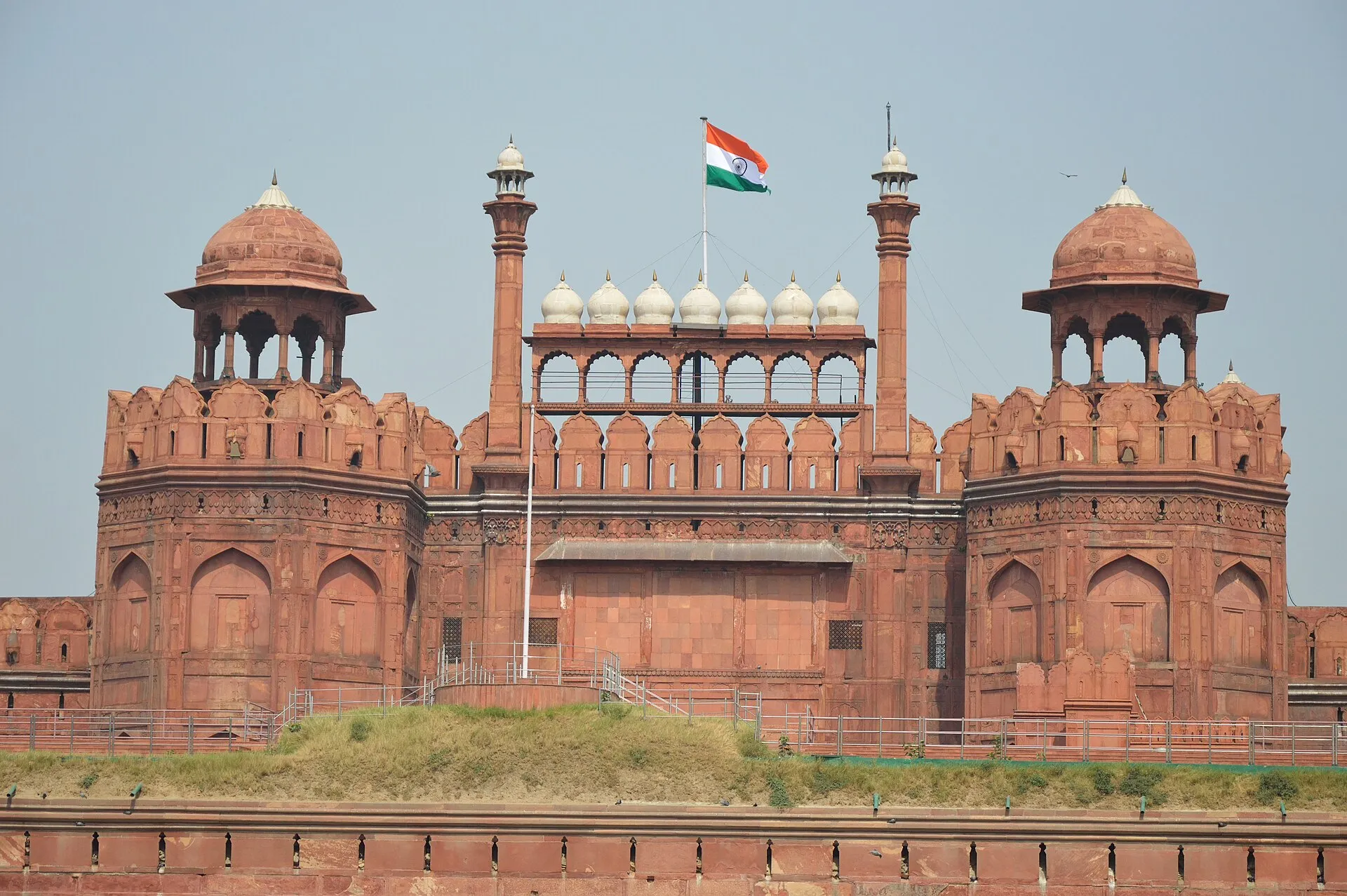
Red Fort
The sandstone fortress where Mughal emperors ruled a subcontinent
Guide planning
How much does a tour guide cost in Delhi?
| Tour Type | Price | Details |
|---|---|---|
| ASI Monument Guide | ₹800–1,500 ($10–18) | Per monument |
| Old Delhi Walking Tour | ₹1,500–3,000 ($18–36) | Per person, 3 hours |
| Private Half-Day | ₹3,000–6,000 ($36–72) | Up to 4 people |
| Full-Day Private | ₹6,000–10,000 ($72–120) | Car included |
Season planner
When is the best time to visit Delhi?
- Best months: October–March when temperatures stay between 10–25°C. Summers exceed 45°C and should be avoided.
- Pollution awareness: Air quality deteriorates November–January.
Spring
Mar-May
Summer
Jun-Aug
Autumn
Sep-Nov
Winter
Dec-Feb
Each score averages that season’s monthly ratings out of 5. The top-rated window is usually the peak season too, so read the guidance above for its trade-offs before you book.
On the ground
How do you get around Delhi?
- Delhi Metro — Clean, efficient, and covers every major site. Women-only carriages available at the front of each train.
- Consider an N95 mask — For extended outdoor sightseeing.
- Combine with day trips — Delhi is 3–4 hours from Agra by expressway or train, making Taj Mahal day trips feasible.
- Scam prevention — Use only pre-paid taxi booths at the airport and train stations. Guides shield you from touts near monuments.
- Dress code — Cover shoulders and knees at all religious sites. Remove shoes before entering mosques, temples, and gurudwaras.
Frequently Asked Questions
What is the best time to visit Delhi?
Best months: October–March when temperatures stay between 10–25°C. Summers exceed 45°C and should be avoided. Pollution awareness: Air quality deteriorates November–January.
How much does a tour guide cost in Delhi?
ASI Monument Guide: ₹800–1,500 ($10–18 per monument). Old Delhi Walking Tour: ₹1,500–3,000 ($18–36 per person, 3 hours). Private Half-Day: ₹3,000–6,000 ($36–72, up to 4 people).
How do you get around Delhi?
Delhi Metro: Clean, efficient, and covers every major site. Women-only carriages available at the front of each train. Consider an N95 mask for extended outdoor sightseeing.