

Country guide
What makes China a must-visit destination?
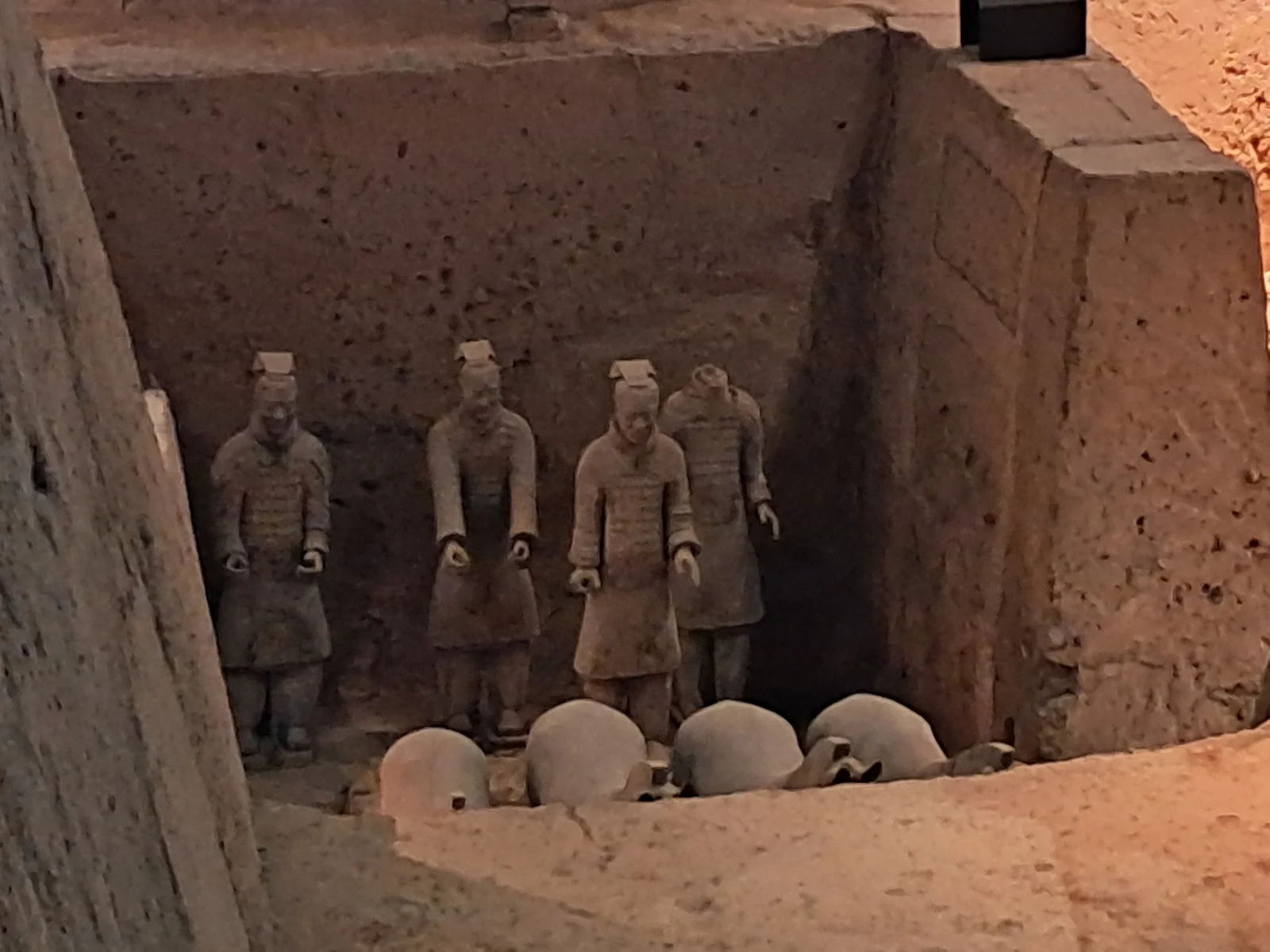
China holds one of the longest unbroken cultural records on earth, and travelling here means walking straight through it. The written story begins with the Shang dynasty, whose diviners scratched questions to the ancestors onto oracle bones more than 3,000 years ago. In 221 BCE the first emperor, Qin Shi Huang, welded the warring states into a single realm — standardising the script, coinage, and even cart-axle widths — and left behind the buried Terracotta Army that still guards his tomb outside Xi'an. Each dynasty that followed left something you can stand inside today: the cosmopolitan Tang turned Xi'an into the eastern anchor of the Silk Road, the Ming raised the vermilion halls of Beijing's Forbidden City and rebuilt the Great Wall in the brick-and-stone form travellers picture, and the Qing stretched the empire to its greatest reach before the last emperor abdicated in 1912.
That history produced a civilisation defined less by a single faith than by a braid of them. Confucian ideas about hierarchy and family still order the symmetry of imperial architecture; Daoist reverence for landscape echoes in the karst peaks above Guilin; and Buddhism, carried east along the trade roads, fills grottoes, pagodas, and cliff-carvings such as Chengdu's colossal Leshan Giant Buddha. Everyday culture is just as layered: China counts eight great regional cuisines, from the numbing heat of Sichuan to the delicate dim sum of the Cantonese south, alongside living traditions of tea, calligraphy, ink painting, and opera that a good guide can open up rather than leave you guessing at.
From the imperial grandeur of Beijing's Forbidden City to the futuristic skyline of Shanghai, from the silent ranks of Xi'an's warriors to the misty Li River, few countries pack such variety into a single journey. Navigating that scale — across dozens of dialects, a character-only script, and fast-changing regional customs — is where an English-speaking guide earns their fee. A skilled guide decodes Confucian symbolism in palace layouts, secures tables at family-run Sichuan restaurants tourists would never find, and turns a walk along an ancient city wall into a vivid lesson on dynastic strategy. Guides are well-established in every major destination, so booking one rarely means giving up your independence.
- Language
- Mandarin Chinese Widely spoken across China
- Currency
- Renminbi / yuan (¥) Legal tender across China
- Time zone
- UTC+8 Local time in China
- Power plugs
- Types A, C, I · 220V Sockets used across China
- Getting around
- High-speed rail (CRH) Getting between China's cities
- Best months
- Apr, May, Sep, Oct, Nov Averaged across China's city ratings
China timeline
- 221 BCE
Imperial China begins
The Qin unification created the imperial framework behind many sites visitors still tour, from city walls to ceremonial axes.
-
Tang dynasty begins
Tang cosmopolitan culture shaped temple, poetry, and Silk Road stories across China itineraries.
-
Forbidden City opens
The Ming court completed Beijing palace planning that still shapes the capital guide route.
-
Imperial rule ends
The revolution ended the Qing dynasty and changed how visitors read palace and republican sites.
-
Modern republic proclaimed
The founding of the People's Republic reframed Tiananmen, Beijing, and modern Chinese civic history.
-
Reform era opens
Economic reforms transformed skylines, transport, and the modern urban China visitors encounter.
China in Pictures


Local context
Culture and travel signals
59 UNESCO World Heritage Sites
As of 2024 China holds 59 inscribed sites — second only to Italy — spanning the Great Wall and Forbidden City, the karst landscapes of South China, and the ancient Silk Roads corridor.
The Great Wall stretches 21,196 kilometres
A 2012 State Administration of Cultural Heritage survey measured every section, branch, and spur built across successive dynasties, confirming the wall as the longest structure ever built by humans.
Over 3,000 years of recorded history
China's written record reaches back to the Shang dynasty oracle bones inscribed around 1250 BCE at Yinxu, near modern Anyang, making it one of the longest continuously documented civilisations on earth.
More than 45,000 km of high-speed rail
China runs the world's largest high-speed rail network by a wide margin, linking almost every major city at up to 350 km/h and frequently beating domestic flights door to door.
56 officially recognised ethnic groups
Beyond the Han majority the state recognises 55 ethnic minorities — from the Zhuang of the Guilin countryside to the Uyghur, Tibetan, and Hui peoples — each with distinct languages, dress, and cuisine.
Source: tour-guide.com — Free to cite with attribution
Season planner
A year in China
Use this best time to visit snapshot as a country-wide average, then check the city guides for local timing.
Mar-May
Spring
Spring stays workable in China at Mar-May (3.7/5), so lean on city-by-city timing.
Jun-Aug
Summer
Summer stays workable in China at Jun-Aug (3/5), so lean on city-by-city timing.
Sep-Nov
Autumn
Autumn holds up well for guided travel in China, averaging Sep-Nov (4.3/5).
Dec-Feb
Winter
Winter is China's quietest stretch at Dec-Feb (2.7/5) — plan narrower, local days.
Where should you go in China?
The Imperial North
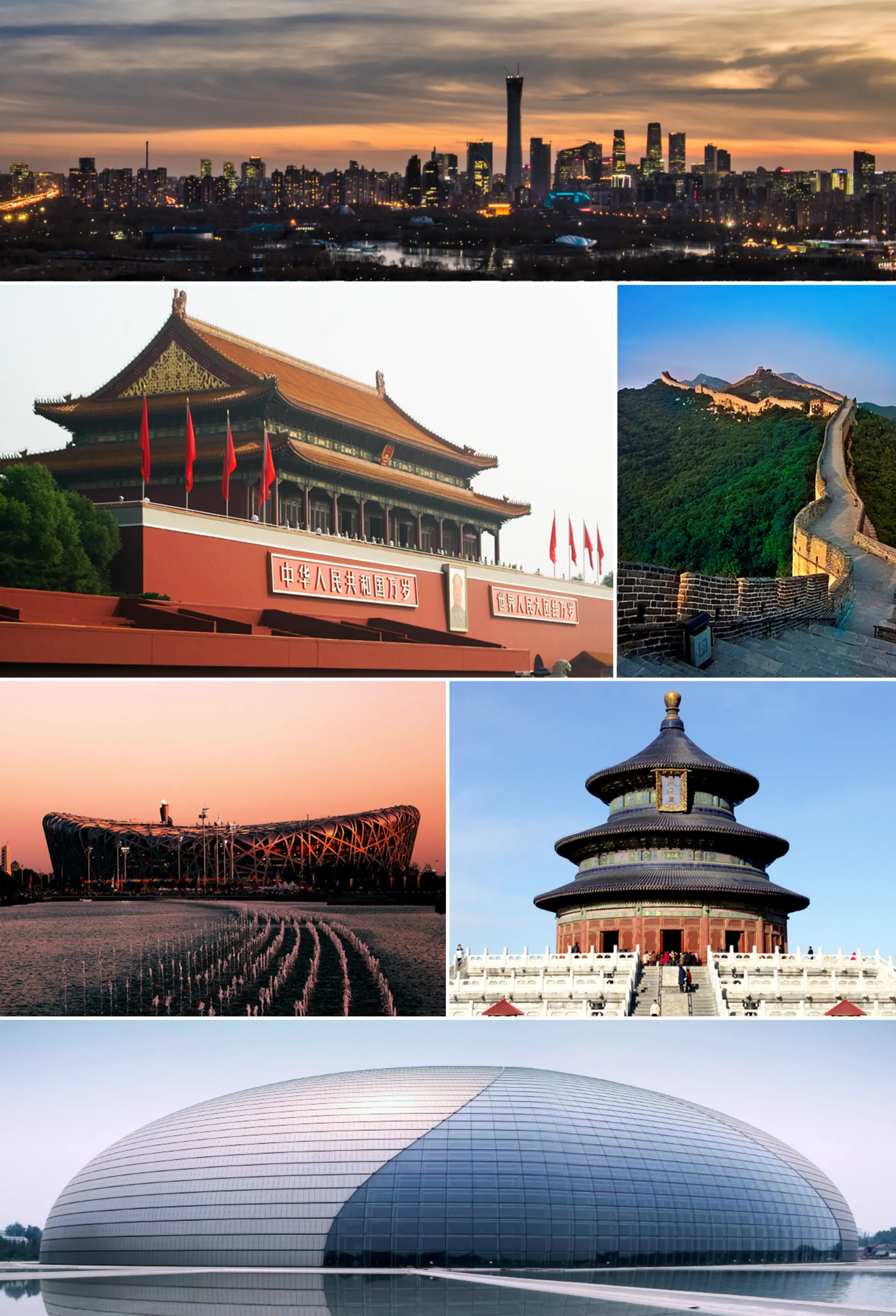
Beijing opens with the Forbidden City, the Great Wall, and the Temple of Heaven — monuments so vast they rewrite your sense of scale — with the lakeside Summer Palace and the reinvented 798 Art District rounding out a long weekend. Xi'an, once the eastern anchor of the Silk Road, guards the Terracotta Army behind its intact City Wall, and the Muslim Quarter still serves lamb skewers under lantern light.
The Eastern Seaboard
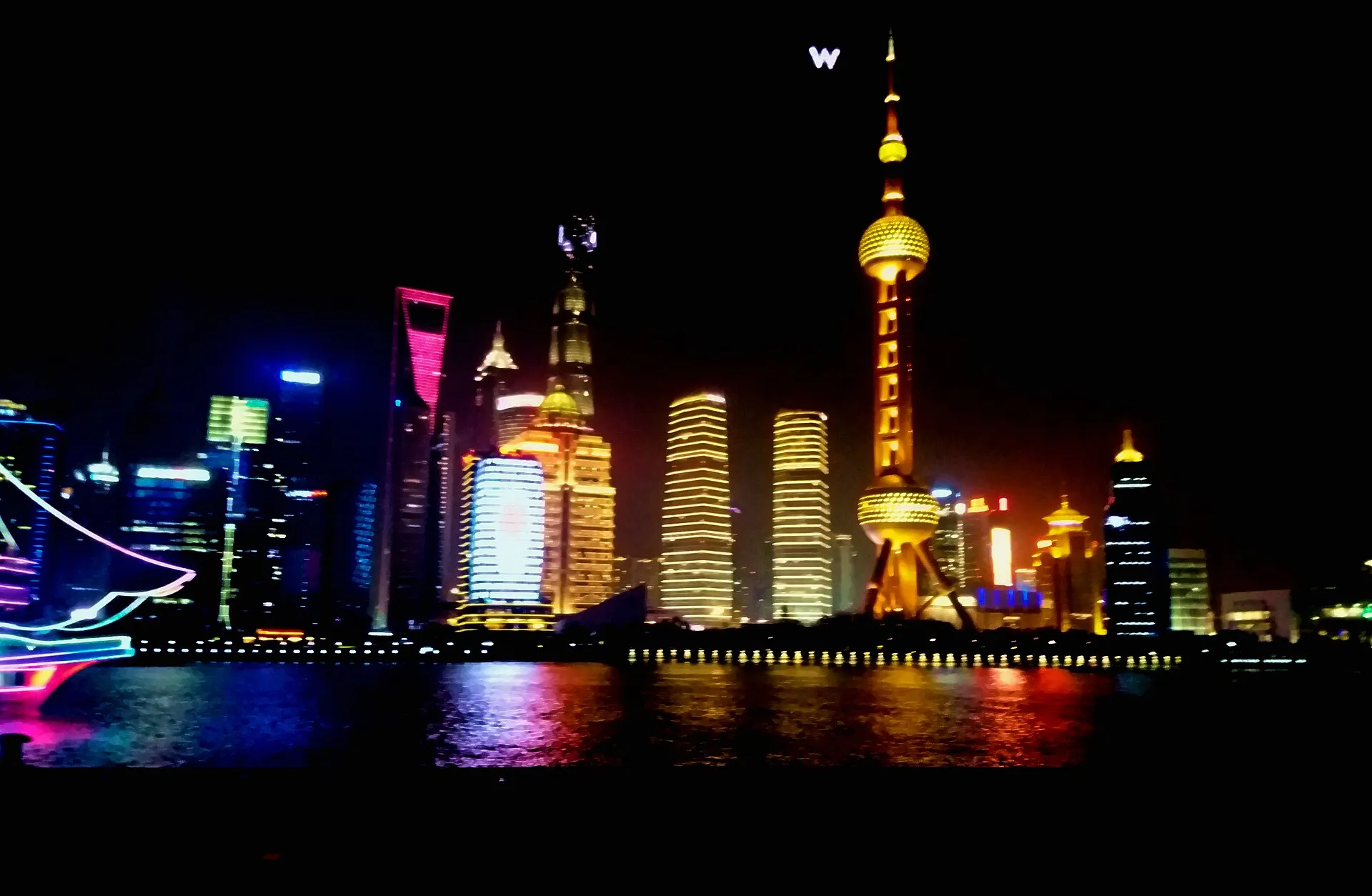
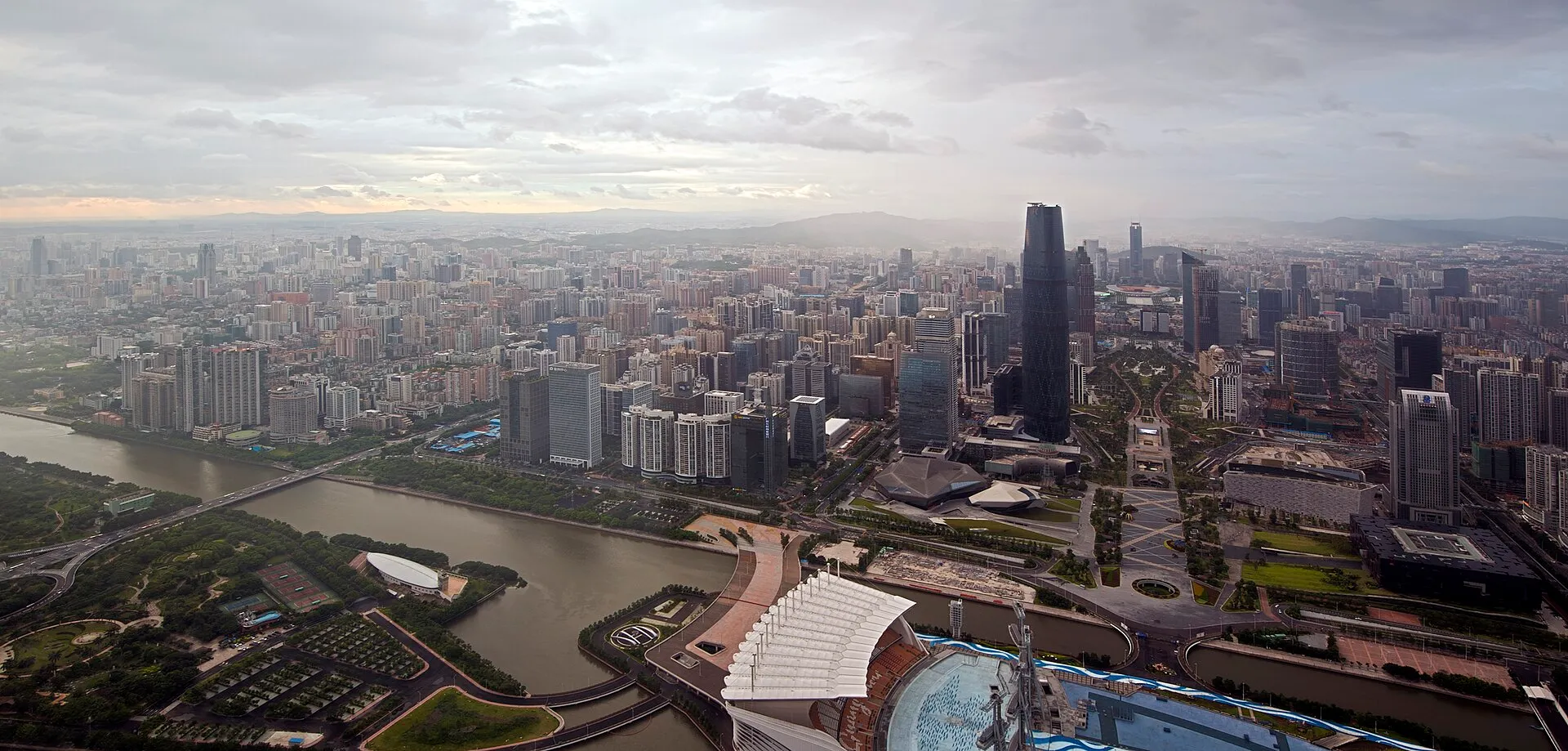
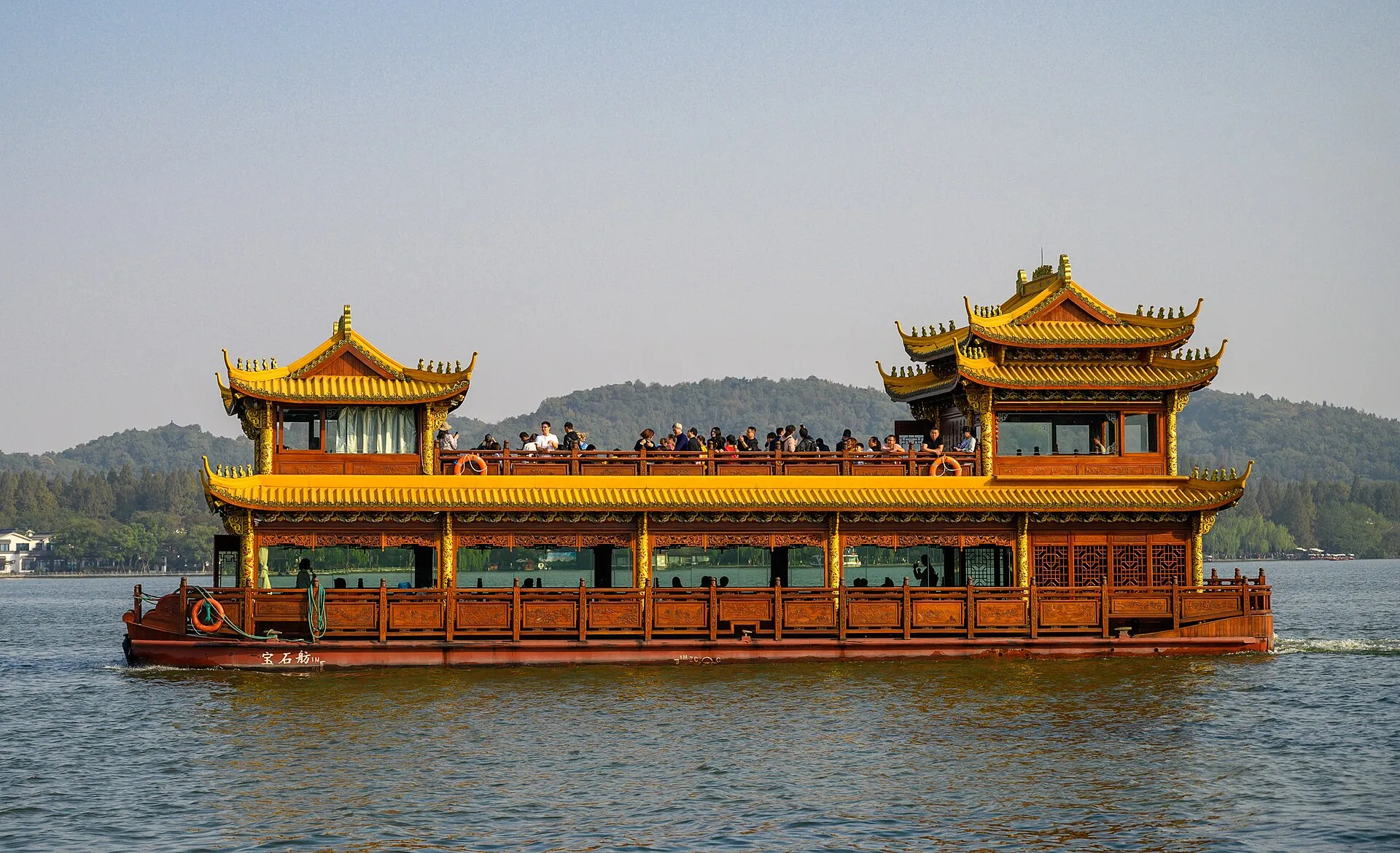
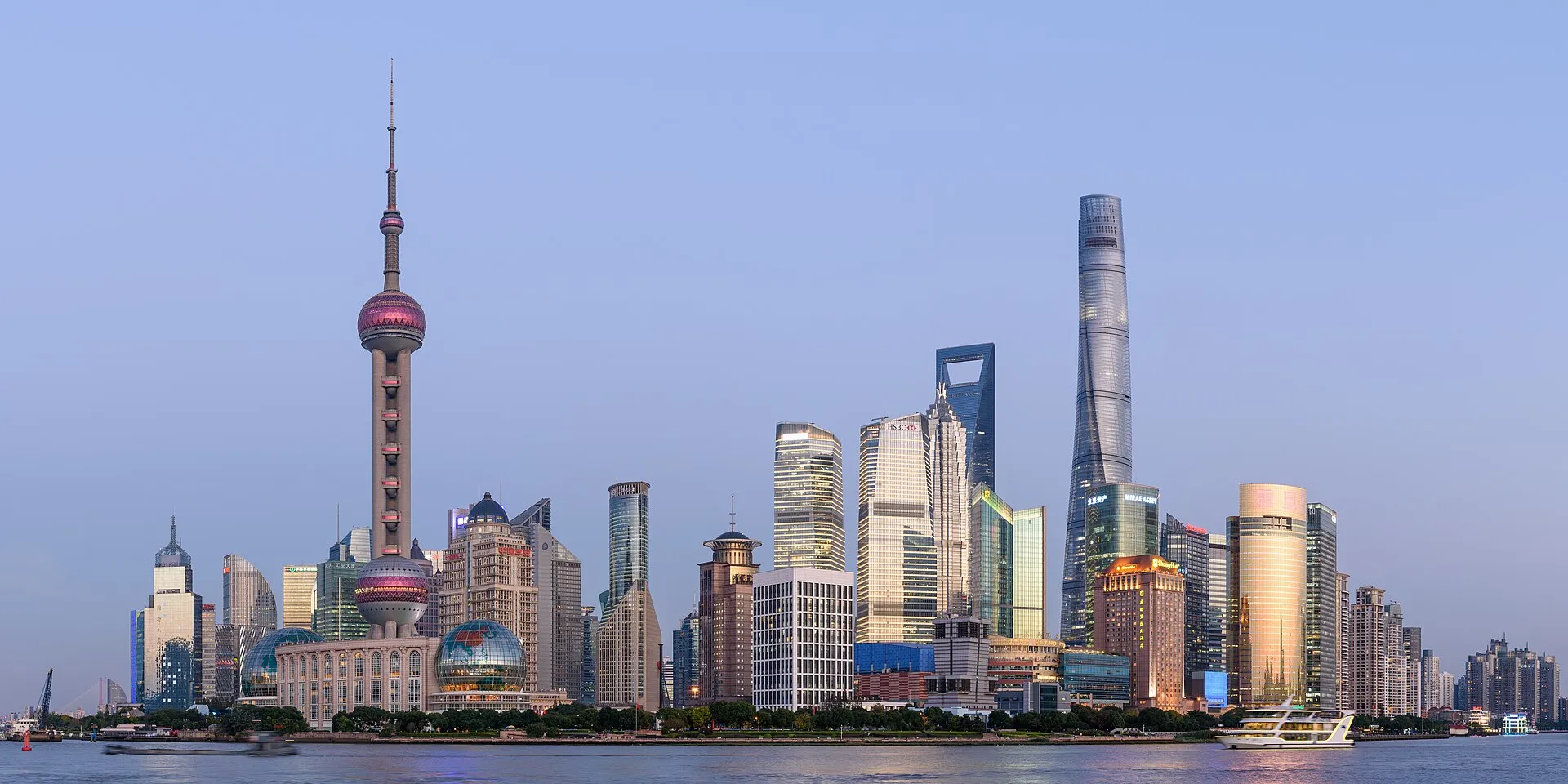
Shanghai answers with a different kind of grandeur, its Bund waterfront juxtaposing colonial banking halls against the Shanghai Tower and the neon glow of Pudong, while the classical Yu Garden and the plane-shaded French Concession slow the pace. Hangzhou drifts more gently still around West Lake, Lingyin Temple, and the Longjing tea hillsides. Guangzhou rounds out the map with the twisting Canton Tower, the ornate Chen Clan Ancestral Hall, and the leafy colonial lanes of Shamian Island.
The Interior & South
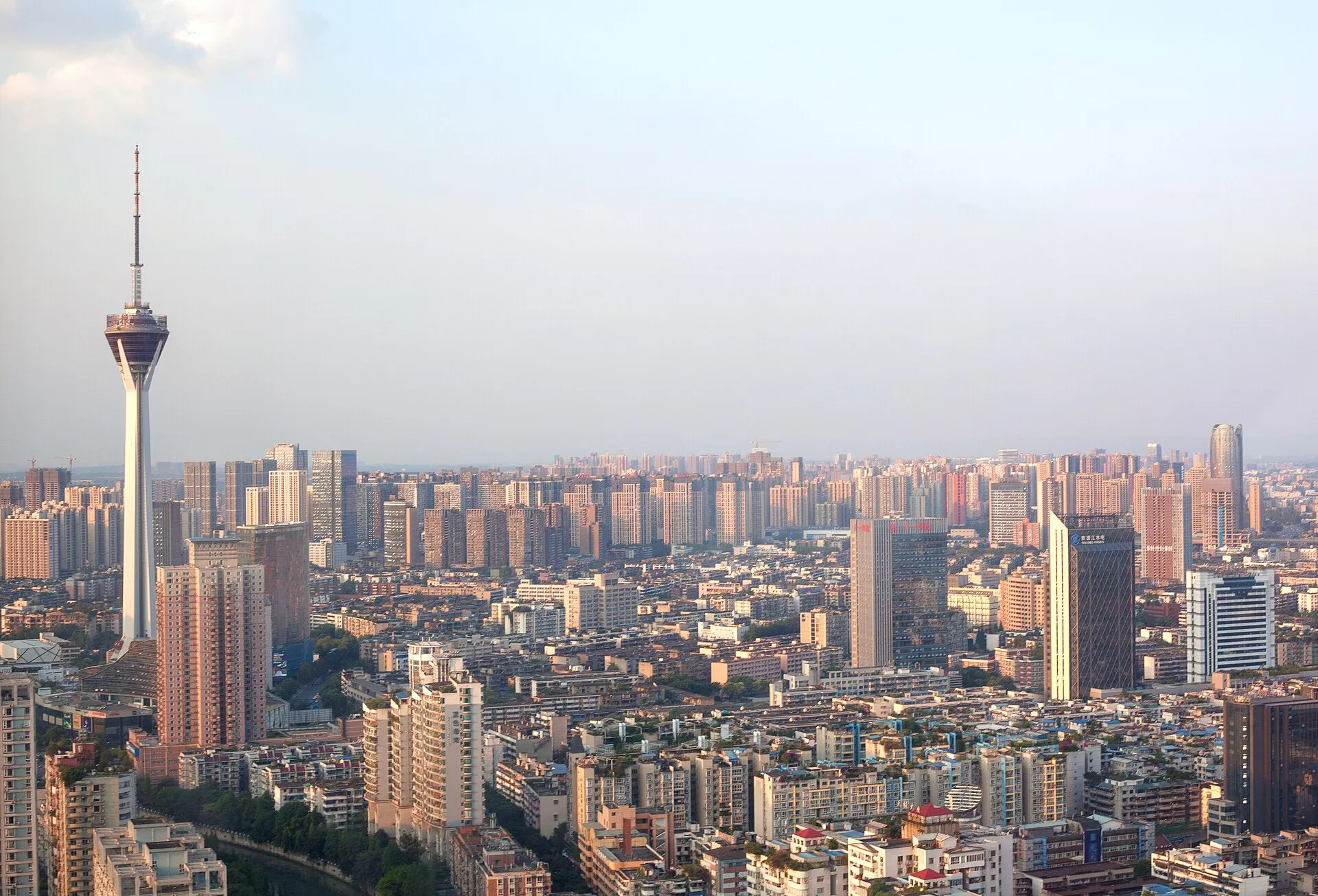
In Chengdu, giant pandas tumble through bamboo at the Research Base while Jinli Street and the colossal Leshan Giant Buddha offer a gentler pace. Guilin's karst peaks rise from the Li River like a scroll painting, complemented by the Reed Flute Cave and the tiered Longji rice terraces nearby. Hong Kong stacks Victoria Peak views, the bronze Tian Tan Buddha, and the clamorous Temple Street night market into a vertical cityscape.

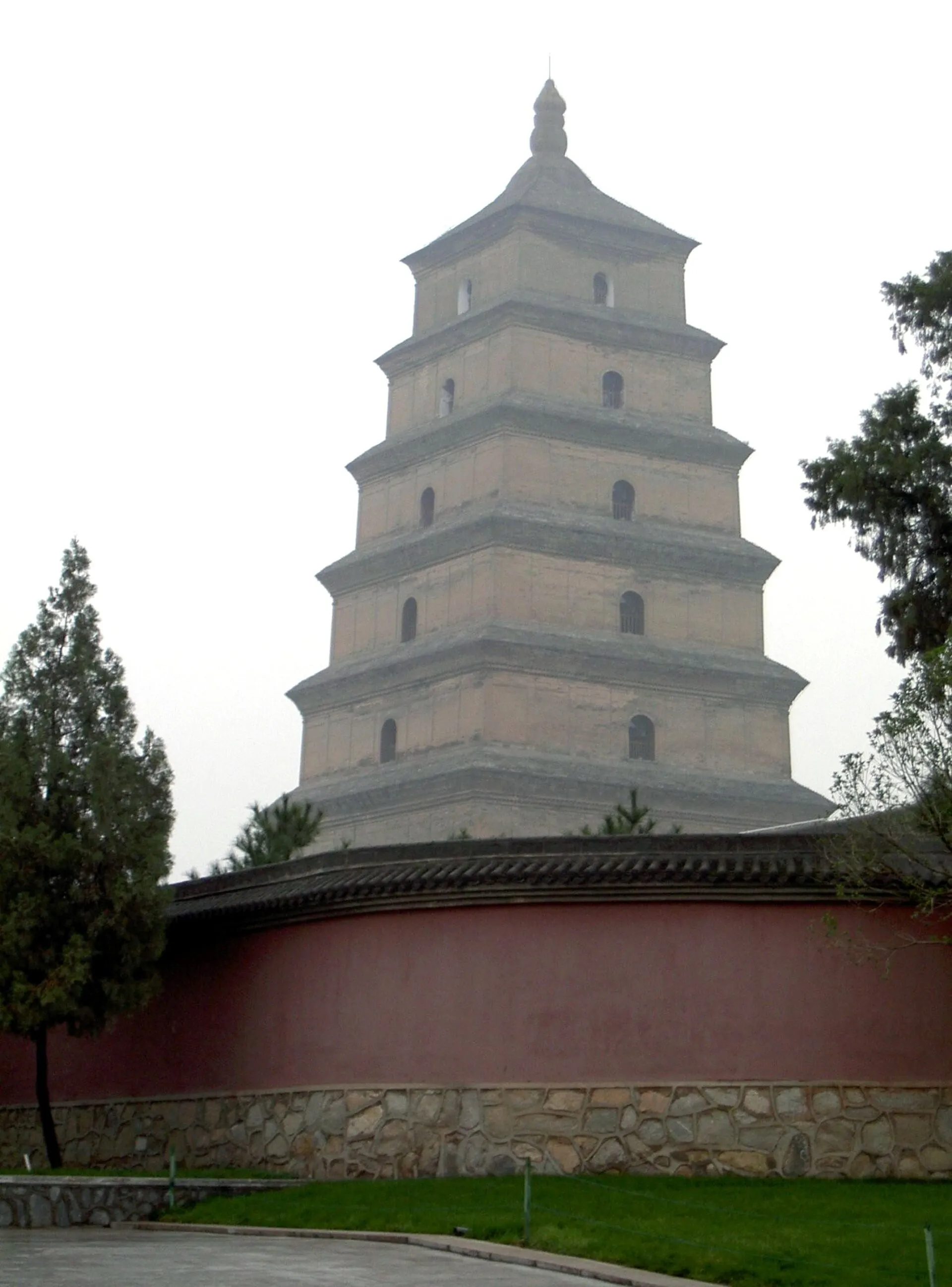
Must-see attractions across China
The shortlist below gathers China's most-visited sights into one place, each linked to its home city and ready for a guided deep-dive.
What do visitors need to know about China?
Finding a Guide
- Government-licensed guides carry an official ID card and have passed language-proficiency and cultural-knowledge exams. China requires professional certification for tour guides.
- International hotels in cities like Beijing and Shanghai maintain curated lists of English-speaking guides they trust. This is often the most reliable route for last-minute bookings.
- Viator, GetYourGuide, and Klook feature vetted Chinese guides with traveler reviews. Booking ahead is strongly recommended during national holidays like Golden Week.
- Reputable agencies like China Highlights and Intrepid Travel employ experienced guides who handle logistics, translation, and cultural context across multi-city itineraries.
Typical Costs
| Tour Type | Price Range |
|---|---|
| Group walking tour | ¥200–500 ($28–70) per person |
| Private half-day guide | ¥800–1,500 ($110–210) |
| Private full-day guide | ¥1,500–2,500 ($210–350) |
| Food tour guide (includes tastings) | ¥400–800 per person |
| Multi-day specialist guide (per day) | ¥2,000–4,000 |
Must-See Experiences
- The Forbidden City — 600 years of imperial history behind Beijing's vermilion walls
- The Great Wall — Walk the Mutianyu section for restored ramparts without the crowds
- Terracotta Army — Thousands of life-sized warriors guarding an emperor's tomb
- Giant pandas in Chengdu — Watch cubs tumble at the world's leading conservation center
- Li River landscapes — Drift past jade-green karst peaks near Guilin
- Shanghai's Bund at dusk — Art Deco meets neon as the Pudong skyline ignites
- Longjing tea ceremony — Sip premium green tea in the Hangzhou hillsides where it grows
- Cantonese dim sum — Savor steaming baskets in Guangzhou, the birthplace of yum cha
Getting Around
- High-speed rail first — China's bullet-train network is the world's largest, and for journeys under about five hours it usually beats flying once you count airport time. Your guide can book seats on the 12306 app, where the English interface still trips up most visitors.
- City metros — Every major city has a clean, cheap, English-signed subway; buy a rechargeable transit card or scan a QR code from your phone.
- Ride-hailing — The Didi app works much like Uber and sidesteps the language barrier by handling addresses in Chinese for you.
- Domestic flights — Worth it for long hops such as Beijing to Guilin or Chengdu, though weather delays are common.
Tips for Visitors
- Book early for peak seasons — October's Golden Week and Chinese New Year (January/February) see massive domestic travel; guides fill up months ahead
- VPN before you go — Google, WhatsApp, and most Western social media are blocked on the mainland. Download a VPN before arriving. Hong Kong does not have these restrictions
- WeChat Pay and Alipay — Cash and foreign credit cards are rarely accepted. Both wallets now let you link an international card; set one up before you arrive or ask your guide for help
- Language barrier is real — Outside top-tier tourist sites, English signage is sparse. Guides are essential for train stations, restaurants, and hospitals
- Best weather windows — April–May and September–November offer comfortable temperatures and fewer crowds in most regions
- Tipping — Not expected in mainland China, but appreciated by private guides. In Hong Kong, a 10% service charge is standard
- Visa planning — Most nationalities need a visa; apply at least 4 weeks ahead. Generous transit-visa exemptions let many travellers stop over for several days without one, so check the latest rules for your passport before booking
Frequently Asked Questions
What is the best time of year to visit China?
April through May and September through November offer comfortable temperatures and fewer crowds across most regions. Avoid October's Golden Week and Chinese New Year (January/February), when massive domestic travel packs transport and tourist sites — if you must travel then, book guides months ahead.
How much does a private tour guide cost in China?
Given the language barrier and complexity of navigating Chinese cities, guided tours offer strong value. Group walking tours run ¥200–500 ($28–70) per person, while a private English-speaking guide for a half day — essential at sites like the Forbidden City or along the Great Wall — costs ¥800–1,500 ($110–210).
Do I need to speak the local language to travel in China?
Mandarin is the official language, but China's regions speak dozens of distinct dialects and many rural areas have virtually no English signage or speakers. Even in Beijing and Shanghai, menus, transit systems, and hospital forms are overwhelmingly in Chinese characters. An English-speaking guide is essential for navigating daily logistics, and invaluable for interpreting the historical and cultural context at sites like the Forbidden City or Terracotta Army.
How do you get around China as a visitor?
The high-speed rail network is the fastest and simplest way to move between cities — bullet trains link Beijing, Xi'an, and Shanghai at up to 350 km/h and usually beat domestic flights once you account for airport time. Within cities, extensive metro systems and the Didi ride-hailing app cover almost everywhere. A guide can book seats on the sometimes-baffling 12306 app and steer you through stations where signage and announcements are largely in Chinese.
Can foreign visitors pay by card, or is mobile payment required?
Mobile payment dominates daily life: both WeChat Pay and Alipay now let foreign visitors link an international Visa or Mastercard, so you can scan QR codes like a local. Cash still works but is increasingly rare, and Western credit cards are accepted only at international hotels and airports. Set up at least one mobile wallet before you arrive, and keep a little cash for small rural vendors — several, as in Xi'an's Muslim Quarter, still prefer it.