
Hangzhou timeline
-
Hangzhou named
Sui administration gave the city the name that still anchors its identity.
-
Grand Canal arrives
The Sui extension of the Grand Canal reached Hangzhou, wiring it into the empire's grain and silk trade.
-
Southern Song capital
Hangzhou became Lin'an, one of the richest and most populous capitals in the medieval world.
-
West Lake listed
UNESCO recognition protected the lake landscape that defines the city visit.
-
G20 summit hosted
World leaders met on the shores of West Lake, sealing Hangzhou's modern role as a tech and diplomatic hub.
Cited city facts
Key facts for visiting Hangzhou
West Lake covers 6.39 square kilometers
Inscribed as a UNESCO World Heritage Site in 2011, the lake and its surrounding hills have been the subject of Chinese landscape painting and poetry for over 1,000 years and set the template for garden design across East Asia.
Southern terminus of the 1,776 km Grand Canal
Hangzhou anchors the southern end of the Beijing-Hangzhou Grand Canal, the longest and oldest artificial waterway on earth; the Sui dynasty pushed it to the city in 609 CE, wiring Hangzhou into the empire's grain and silk trade for the next thirteen centuries.
Capital of the Southern Song from 1138
Known then as Lin'an, Hangzhou grew into one of the largest cities on earth, its population passing a million; when Marco Polo reached it he called it Kinsai and judged it "beyond dispute the finest and noblest city in the world."
Lingyin Temple was founded in 328 CE
One of the ten most important Chan (Zen) Buddhist monasteries in China, Lingyin has been destroyed and rebuilt no fewer than 16 times across its nearly 1,700-year history.
Longjing tea sells for up to ¥50,000 per kilogram at peak harvest
Pre-Qingming picks from the original Longjing village fields command astronomical prices because only a few hundred kilograms of the highest-grade leaves are produced each spring.
45 minutes by bullet train from Shanghai
High-speed services link Shanghai Hongqiao and Hangzhou East in under an hour at up to 350 km/h, making the old Southern Song capital one of the easiest day trips on China's rail network.
Source: tour-guide.com — Free to cite with attribution
Things to see
What are the top attractions in Hangzhou?
- West Lake at dawn — Walk the Bai Causeway in early-morning fog, when the Broken Bridge seems to dissolve into mist and the water lies glass-still
- Feilai Feng grottoes — More than 300 Buddhist rock carvings from the 10th to 14th centuries line the cliff beside Lingyin Temple, among the finest early sculpture in southern China
- Hand-roasting Longjing — Visit a family farm in the Dragon Well hills during spring harvest to press the year's first leaves in a 200°C wok
- Impression West Lake show — Zhang Yimou's open-air spectacle, performed on the lake surface itself after dark
- Dongpo pork at Louwailou — Try the legendary braised pork belly at Hangzhou's most storied restaurant, in business since 1848
- Grand Canal by night — Ride a public water-bus along the southern terminus of the world's longest artificial waterway, past the lantern-lit Gongchen Bridge
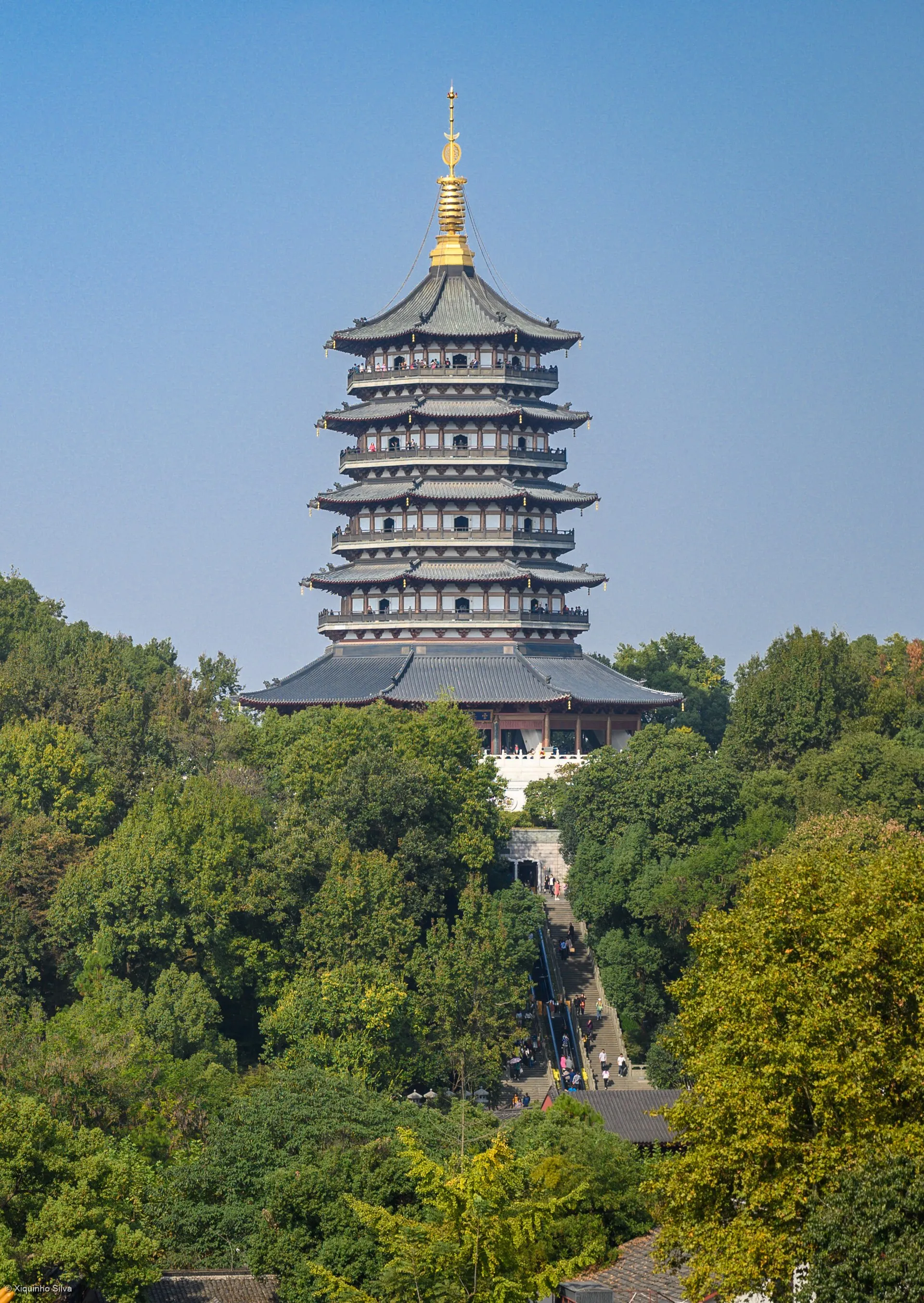
- Leifeng Pagoda at sunset — Circle the 15-kilometre shoreline by bike as the rebuilt pagoda on the south shore catches the last light
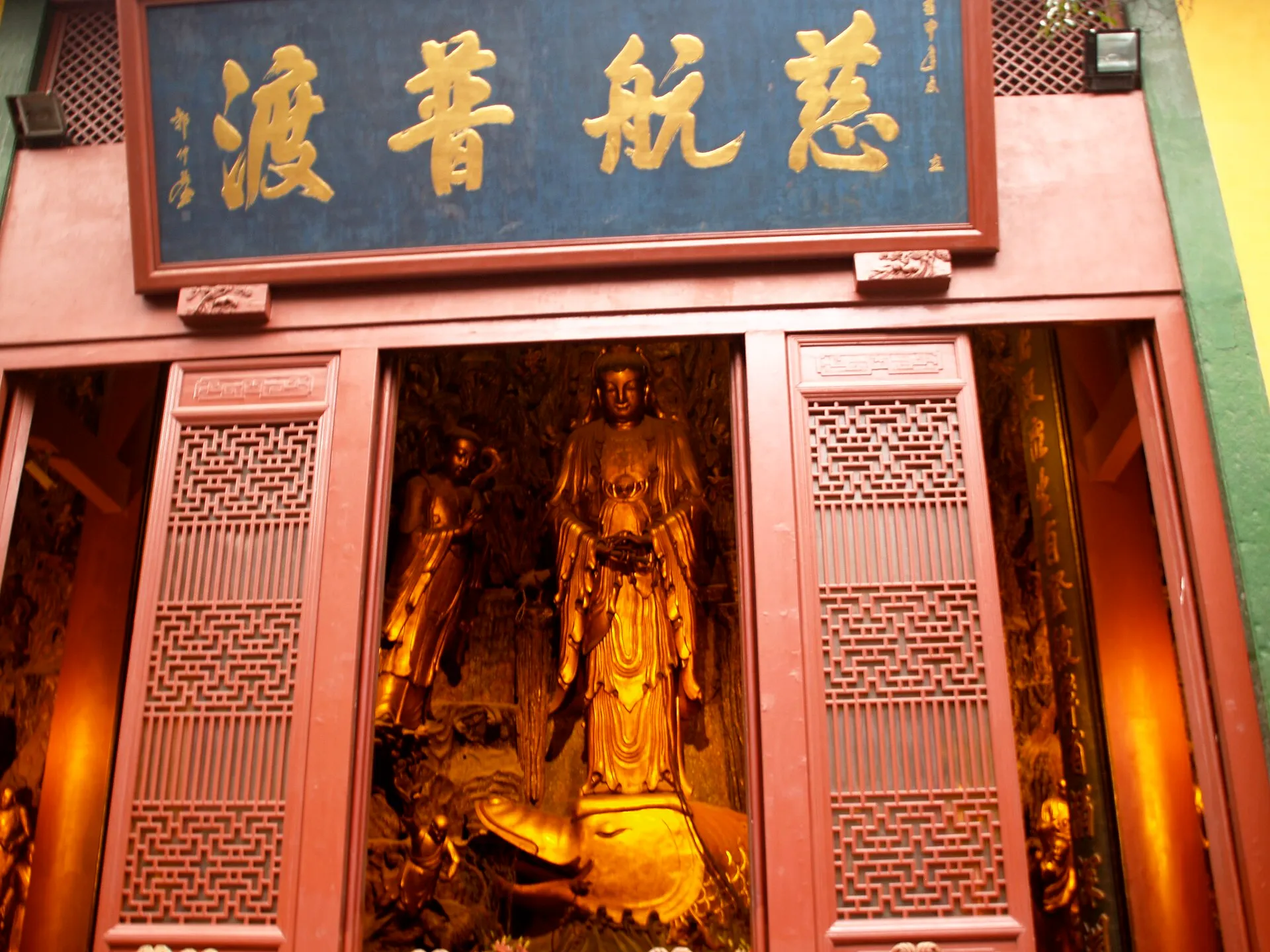
Lingyin Temple
The Temple of the Soul's Retreat, nestled in forest since 328 CE
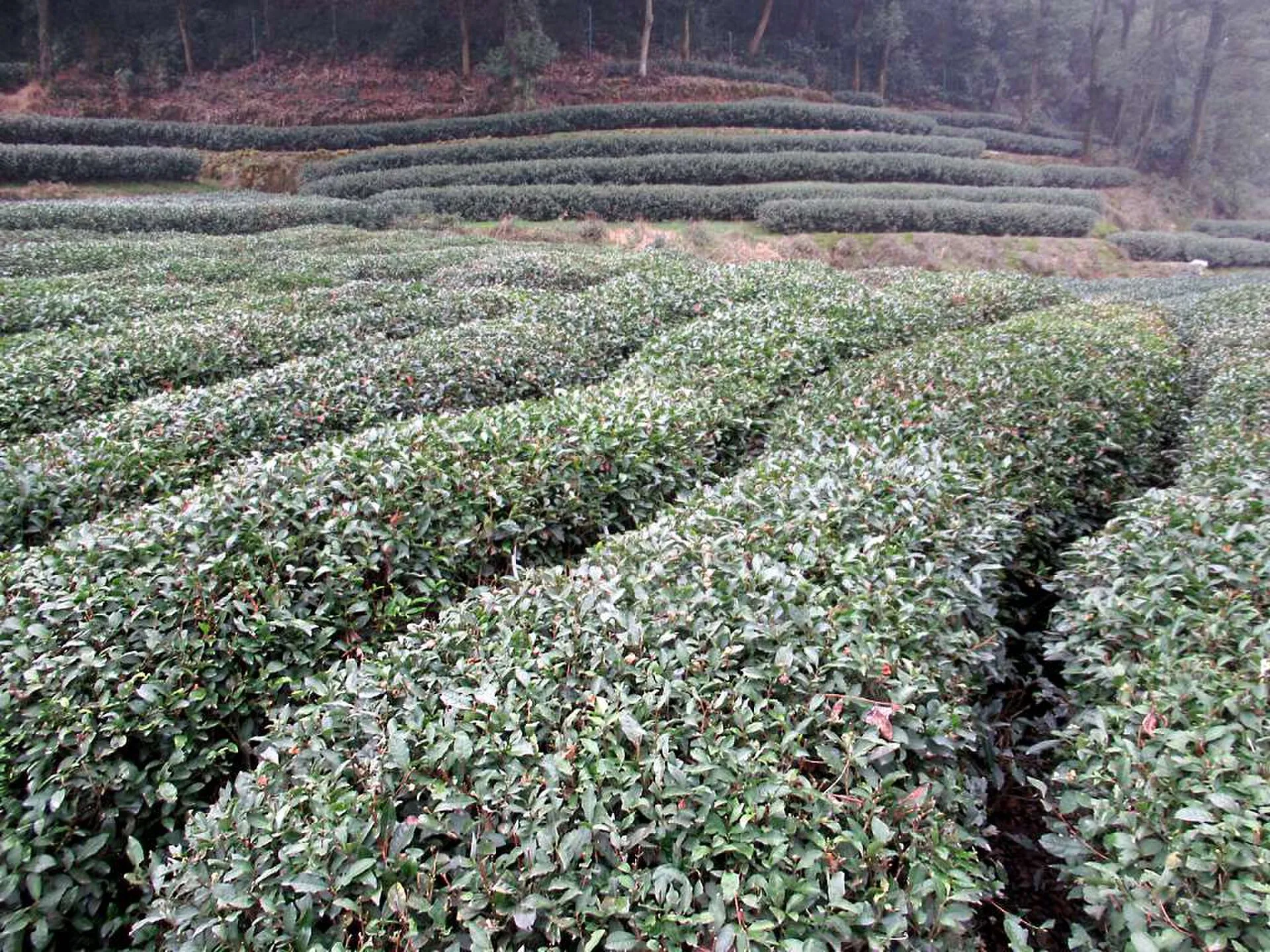
Longjing Tea Plantations
Rolling hillsides where China's most treasured green tea has been cultivated for twelve centuries
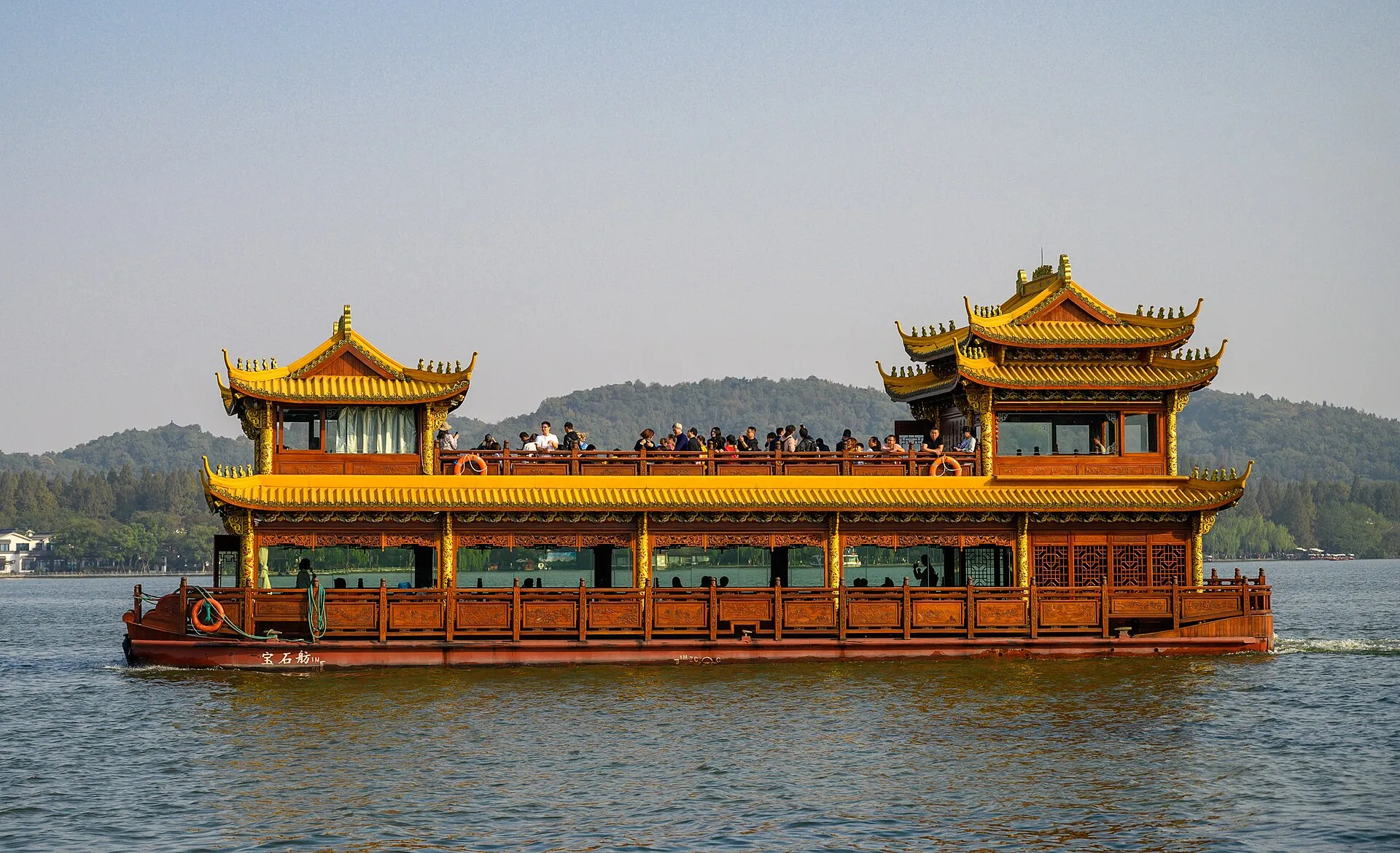
West Lake
The landscape that taught China how to paint
Guide planning
How much does a tour guide cost in Hangzhou?
English-speaking guides in Hangzhou specialise in two things above all: reading the layered symbolism of West Lake — where every bridge and pagoda quotes a poem — and getting you honest tea at a fair price in the Longjing hills. Typical rates:
| Tour Type | Price | Details |
|---|---|---|
| Group Lake Walking Tours | ¥200-350 | $28-50 per person |
| Tea Culture Experiences | ¥400-700 | $55-100 with tasting and ceremony |
| Half-Day Private | ¥600-1,000 | $85-140 |
| Full-Day Private | ¥1,200-2,000 | $170-280, transport included |
Most private guides quote in renminbi and expect payment by Alipay or WeChat Pay; tipping is not customary in mainland China but is appreciated after a full day on foot.
Season planner
When is the best time to visit Hangzhou?
- Spring (March–May) — Peak Longjing harvest and peach-and-willow blossom along the causeways; late March to April is the finest all-round window, though tea prices soar and hotels fill fast
- Autumn (September–November) — Clear skies, mild air, and the citywide scent of sweet osmanthus, Hangzhou's official flower; the Qiantang River tidal bore, the world's largest, surges past nearby Yanguan around the Mid-Autumn Festival
- Summer (June–August) — Hot and humid, but the lotus ponds of Quyuan Garden bloom pink and white and warm evenings suit boat cruises past the illuminated Impression West Lake show
- Winter (December–February) — Quiet and often grey, yet a rare snowfall on the Broken Bridge recreates "Lingering Snow," the most celebrated of the lake's Ten Scenes
- Avoid Golden Week — The first week of October brings over a million visitors a day to West Lake; book well ahead or shift your dates off-peak
Spring
Mar-May
Summer
Jun-Aug
Autumn
Sep-Nov
Winter
Dec-Feb
Each score averages that season’s monthly ratings out of 5. The top-rated window is usually the peak season too, so read the guidance above for its trade-offs before you book.
On the ground
How do you get around Hangzhou?
- High-speed rail from Shanghai — Under an hour to Hangzhou East at up to 350 km/h, so many visitors fold both cities into one trip; bullet trains also reach Beijing in about 4.5 hours
- Metro and airport — A network expanded for the 2023 Asian Games links Hangzhou East station, the city centre, and Xiaoshan International Airport; lines 1 and 5 cover most of what a visitor needs
- Bikes and boats — The flat 15-kilometre lakeshore is made for the citywide bike-share (first hour usually free), while public water-buses ply the Grand Canal between the centre and the old Gongchen Bridge district
- Ride-hailing — The Didi app works much like Uber and sidesteps the language barrier by handling addresses in Chinese for you
- Cashless city — As Alibaba's home, Hangzhou runs almost entirely on Alipay and WeChat Pay; link an international card before you arrive and keep a little backup cash for rural tea farms
Frequently Asked Questions
What is the best time to visit Hangzhou?
Late March through April is the peak Longjing tea harvest and the finest all-round window, with blossom along West Lake's causeways — though tea prices soar and hotels fill. September to November rivals it: clear skies, mild air, the citywide scent of sweet osmanthus, and the Qiantang River tidal bore near the Mid-Autumn Festival. Avoid Golden Week (the first week of October) and Chinese New Year, when domestic crowds peak.
How do I get from Shanghai to Hangzhou?
High-speed trains from Shanghai Hongqiao reach Hangzhou East in under an hour at up to 350 km/h, running every few minutes through the day, so many travellers visit on a day trip or fold both cities into one itinerary. Book on the 12306 app or through your hotel; second-class fares run roughly ¥73-90 ($10-13) each way.
How much does a tour guide cost in Hangzhou?
Group lake-walking tours run ¥200-350 ($28-50) per person; a tea-culture experience with tasting and ceremony is ¥400-700 ($55-100); a half-day private guide costs ¥600-1,000 ($85-140) and a full day ¥1,200-2,000 ($170-280) with transport included. Most guides expect payment by Alipay or WeChat Pay, and while tipping is not customary it is appreciated after a long day.
Is West Lake free to visit?
Yes — the lake, its causeways, and the lakeshore paths are open around the clock with no entrance fee, making it one of the rare UNESCO World Heritage sites you can wander for free. You only pay for extras: an electric boat out to the Three Pools Mirroring the Moon island is about ¥55 ($8), and neighbouring sights such as Lingyin Temple and Leifeng Pagoda charge their own admission.
What food is Hangzhou known for?
Hangzhou cuisine is subtle and slightly sweet. The classics are Dongpo pork (red-braised pork belly named for the poet-governor Su Shi), West Lake vinegar fish, longjing shrimp stir-fried with Dragon Well tea leaves, and beggar's chicken baked in clay. The storied Louwailou restaurant on the lakeshore has served them since 1848.