
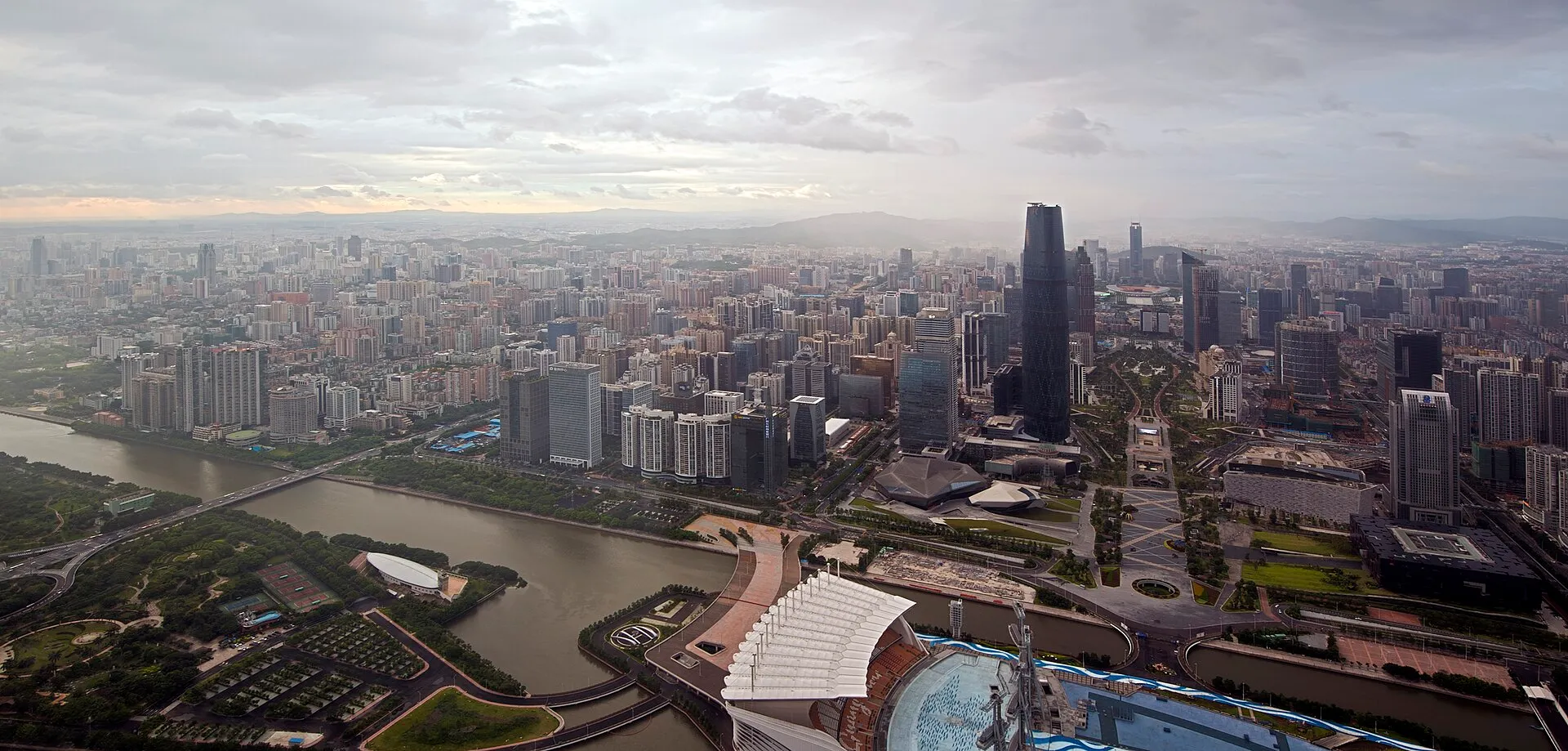
Guangzhou timeline
- 214 BCE
Panyu founded
The Qin-era city became the ancient base beneath modern Guangzhou.
-
Canton System begins
Foreign trade was concentrated through Guangzhou, shaping factories, merchants, and port history.
-
Reform gateway
Economic reforms renewed Guangzhou's role as a manufacturing and trade gateway.
Cited city facts
Key facts for visiting Guangzhou
2,200+ years of continuous settlement
Founded as Panyu in 214 BCE under the Qin Dynasty, Guangzhou is one of the few Chinese cities that has served as a major trading port without interruption since antiquity
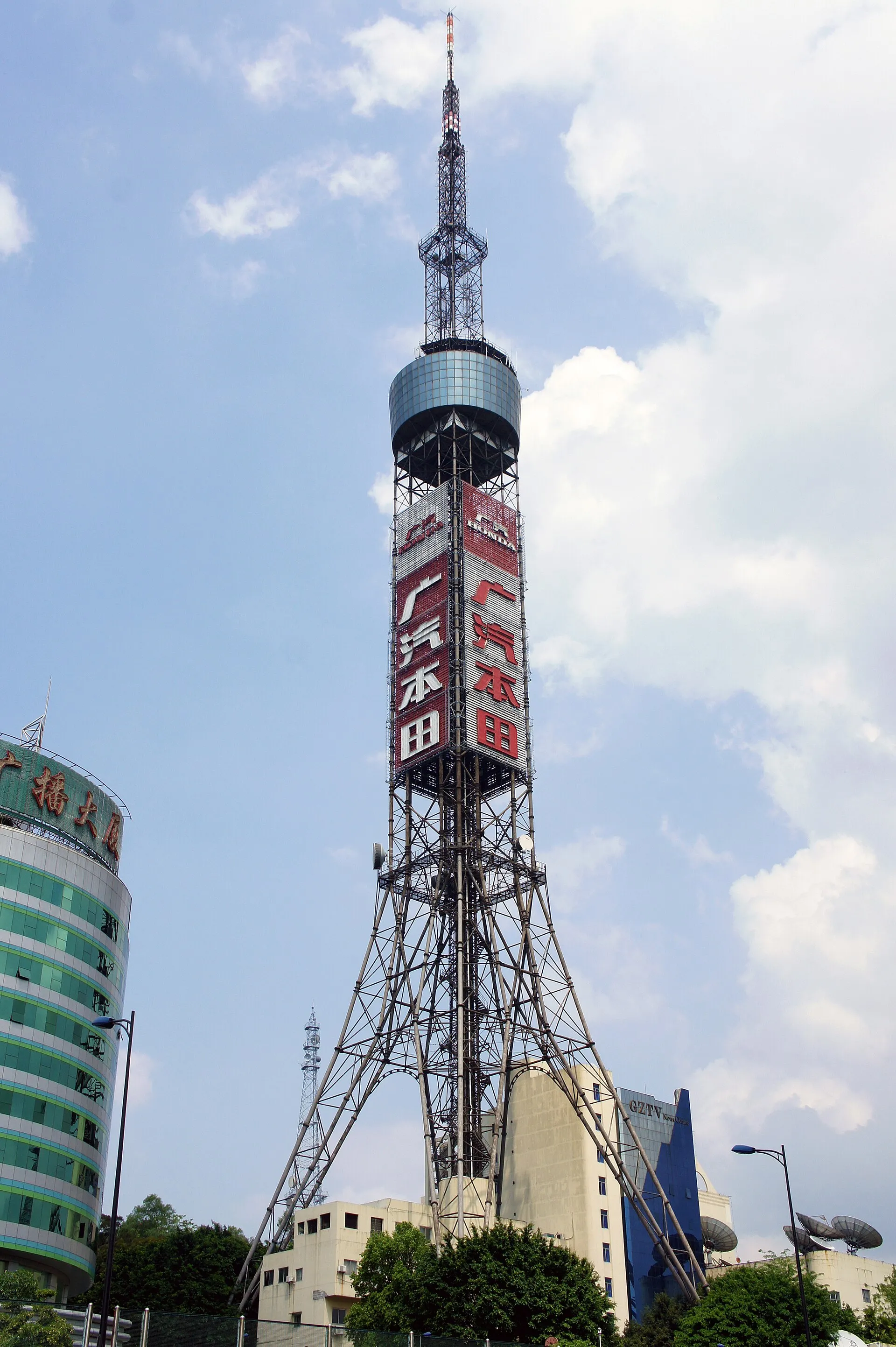
Canton Tower stands 604 meters tall
Completed in 2010, it held the title of world's tallest tower until Tokyo Skytree surpassed it in 2012, and its open-air observation deck at 488 meters remains among the highest in the world
Canton Fair attracts over 25,000 exhibitors per session
Held every spring and autumn since 1957, the China Import and Export Fair is the largest trade fair in China by transaction volume and visitor count
Guangzhou Metro spans over 620 km of track
Opened in 1997, the network has grown into one of the busiest rapid transit systems globally, carrying more than 9 million riders daily across its 16 lines
Source: tour-guide.com — Free to cite with attribution
Things to see
What are the top attractions in Guangzhou?
- Canton Tower at night — The tower's LED skin cycles through colors; walk the open-air skywalk at 488 meters for a vertigo-inducing thrill
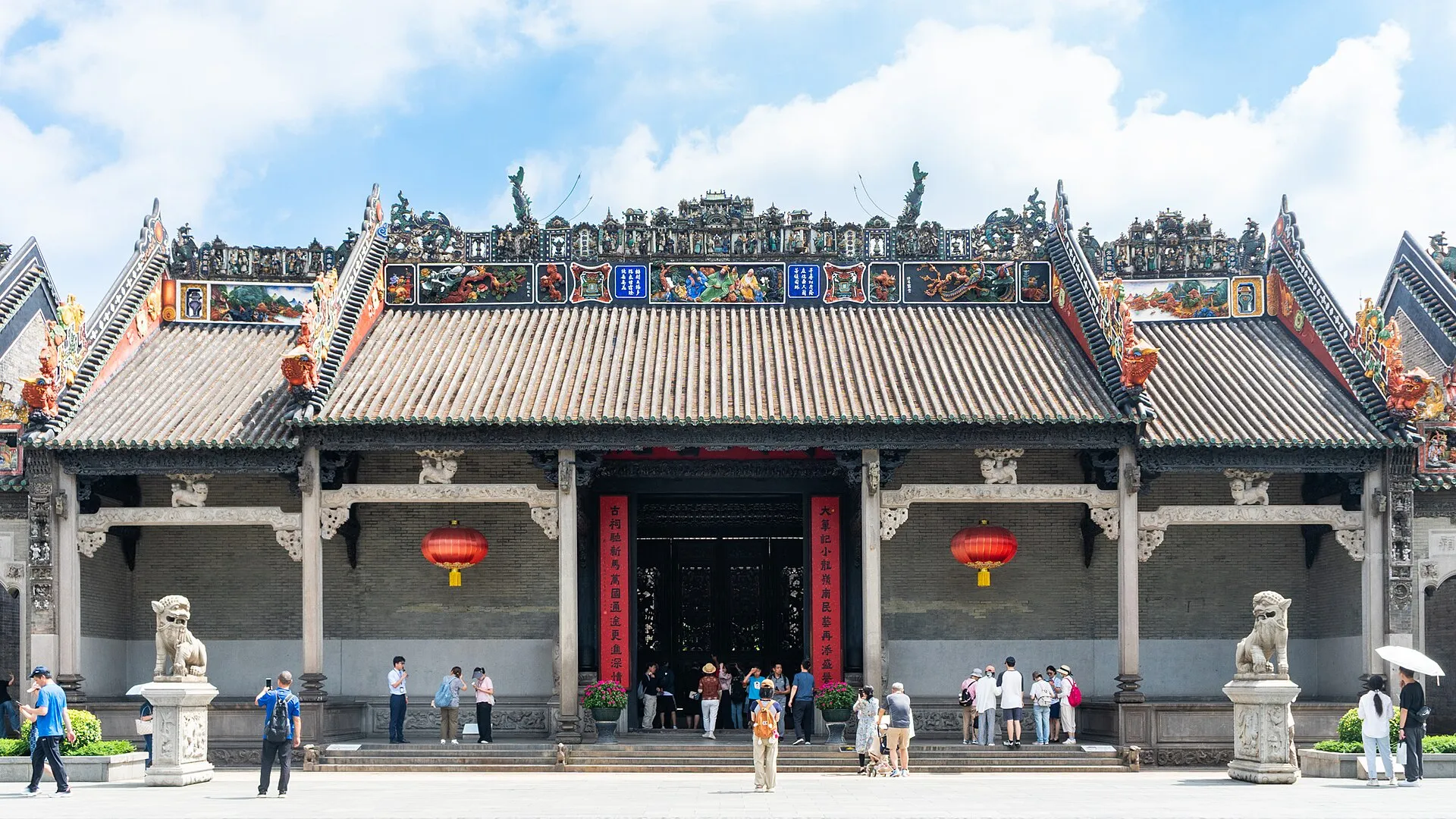
- Chen Clan Hall's roof ridges — Hundreds of hand-sculpted Shiwan ceramic figures depicting legends and folk tales crown the rooflines
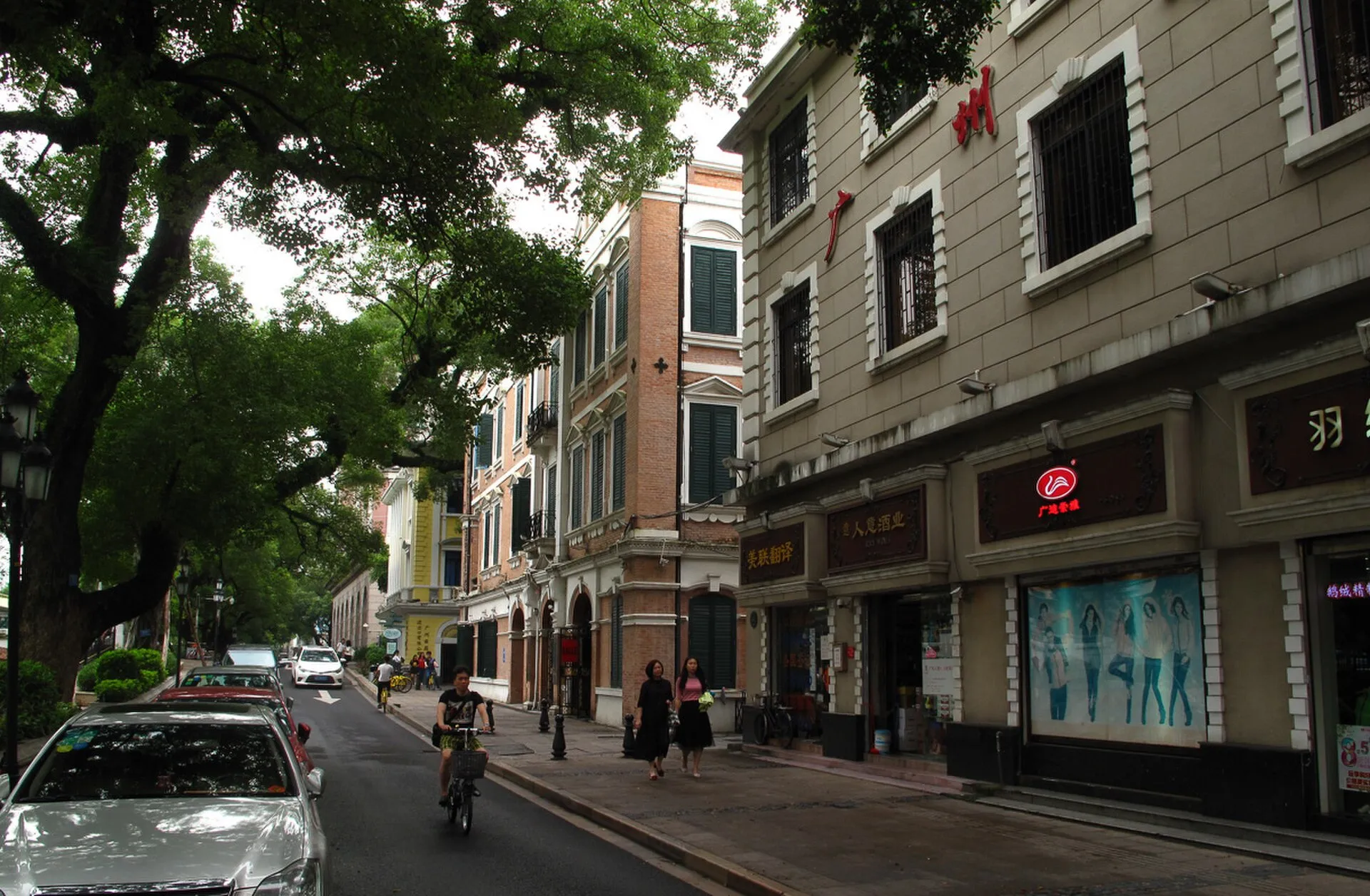
- Shamian Island stroll — Banyan-canopied avenues lined with restored French and British consulate buildings feel worlds away from the traffic
- Morning yum cha ritual — Order baskets of har gow, siu mai, and cheong fun at a traditional Cantonese tea house
- Pearl River night cruise — Drift past the illuminated skyline on a riverboat where the Haixinsha Island stage glows between bridges
- Yuexiu Park and Five Rams statue — The mythological origin symbol of Guangzhou sits atop the city's largest green space
Canton Tower
A 600-meter hyperboloid twist of steel and glass on the banks of the Pearl River
Chen Clan Ancestral Hall
A symphony of woodcarving, stone, brick, and ceramic art under one Qing-dynasty roof
Shamian Island
A banyan-shaded time capsule of colonial architecture on the Pearl River
Guide planning
How much does a tour guide cost in Guangzhou?
| Tour Type | Price | Details |
|---|---|---|
| Group Dim Sum Tours | ¥300-500 | $42-70 per person, food included |
| Heritage Walking Tours | ¥200-350 | $28-50 per person |
| Half-Day Private | ¥600-1,000 | $85-140 |
| Full-Day Private | ¥1,200-2,000 | $170-280, transport included |
Season planner
When is the best time to visit Guangzhou?
- Humid heat — Summers exceed 35°C with near-100% humidity; carry water, use the air-conditioned metro, and plan outdoor visits for early morning
- Canton Fair periods — The biannual trade fair in April and October fills hotels and inflates prices; book months ahead if visiting then
- Best months — October to December for comfortable temperatures and low rainfall, or March for spring warmth before the monsoon season
Spring
Mar-May
Summer
Jun-Aug
Autumn
Sep-Nov
Winter
Dec-Feb
Each score averages that season’s monthly ratings out of 5. The top-rated window is usually the peak season too, so read the guidance above for its trade-offs before you book.
On the ground
How do you get around Guangzhou?
- Cantonese vs. Mandarin — Locals speak Cantonese daily; Mandarin is understood but you will hear a different language on the streets
- Massive metro system — Over 600 km of lines make Guangzhou easy to navigate; signage is bilingual in Chinese and English
Frequently Asked Questions
What is the best time to visit Guangzhou?
Humid heat: Summers exceed 35°C with near-100% humidity; carry water, use the air-conditioned metro, and plan outdoor visits for early morning.
How much does a tour guide cost in Guangzhou?
Group Dim Sum Tours: ¥300-500 ($42-70 per person, food included). Heritage Walking Tours: ¥200-350 ($28-50 per person). Half-Day Private: ¥600-1,000 ($85-140).
How do you get around Guangzhou?
Guangzhou has China's third-largest metro network with bilingual signage, an extensive bus system, and river ferries along the Pearl River. Ride-share apps and taxis fill any gaps.