
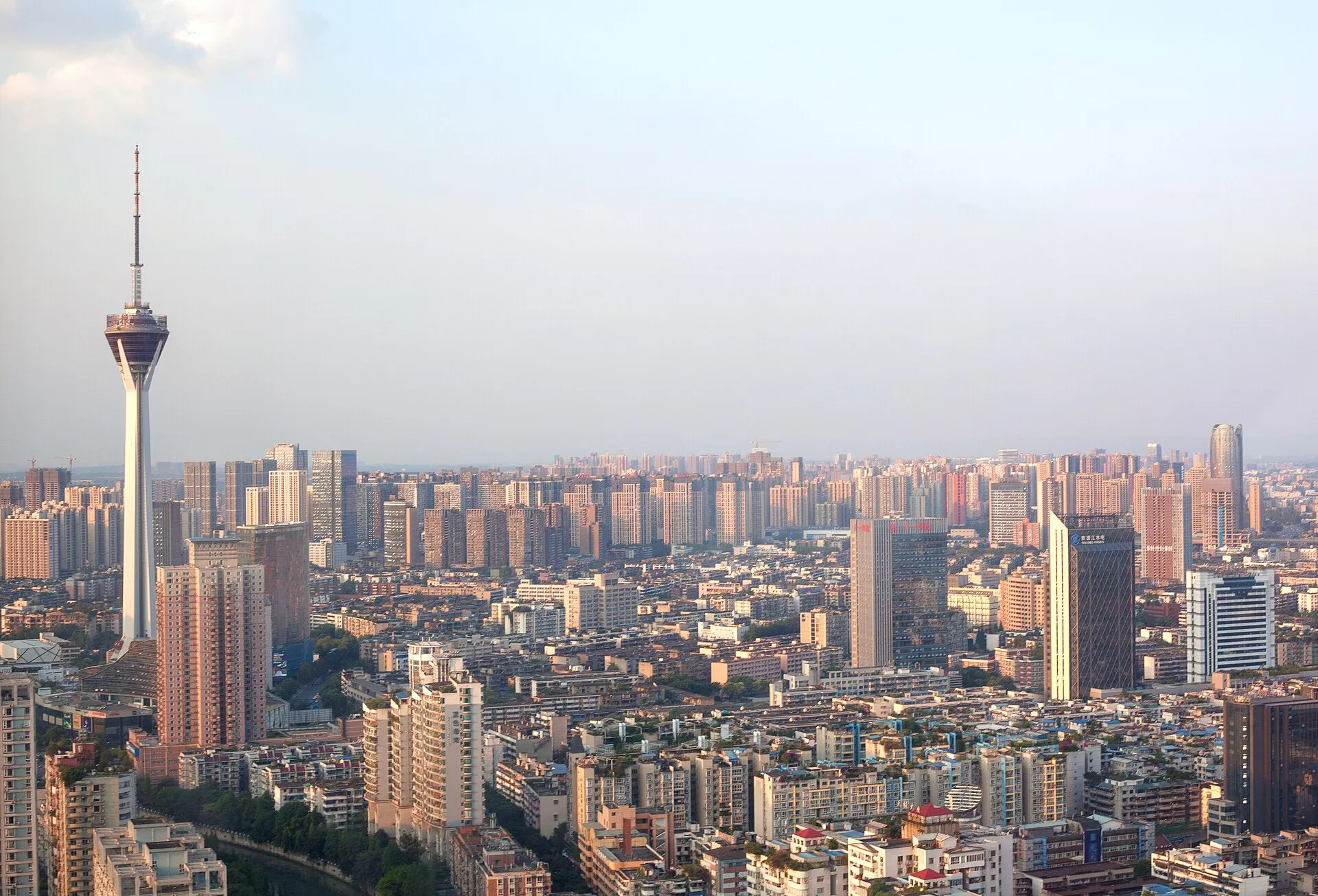
Chengdu timeline
- c. 1000 BCE
Jinsha bronze culture
The gold and jade of the Jinsha and Sanxingdui sites reveal a sophisticated Bronze-Age Shu kingdom on the plain.
- 316 BCE
Qin takes Shu
Qin control tied Chengdu to an early imperial administrative network.
- 256 BCE
Dujiangyan completed
The irrigation system made the Chengdu plain one of China's great agricultural heartlands.
-
Shu Han capital
Chengdu became the capital of Liu Bei's Shu Han kingdom during the Three Kingdoms era.
-
UNESCO World Heritage listing
Carved into a red sandstone cliff face between 713 and 803 CE, the seated Maitreya figure at Leshan remains the tallest pre-modern stone statue on Earth and is.
-
Du Fu settles in Chengdu
Fleeing war, the Tang poet arrived in Chengdu and built his thatched cottage the following year.
- Early 11th century
Jiaozi paper currency
Merchants circulated printed paper certificates in Chengdu before the Song government took control of their issue.
-
UNESCO City of Gastronomy
Chengdu became the first city in Asia recognised for its living culinary heritage.
-
Jinsha is within Chengdu itself
its official closure notice suspends all museum visits from 5 December 2025 through 30 April 2027, so leave it out of itineraries during that period.
Cited city facts
Key facts for visiting Chengdu
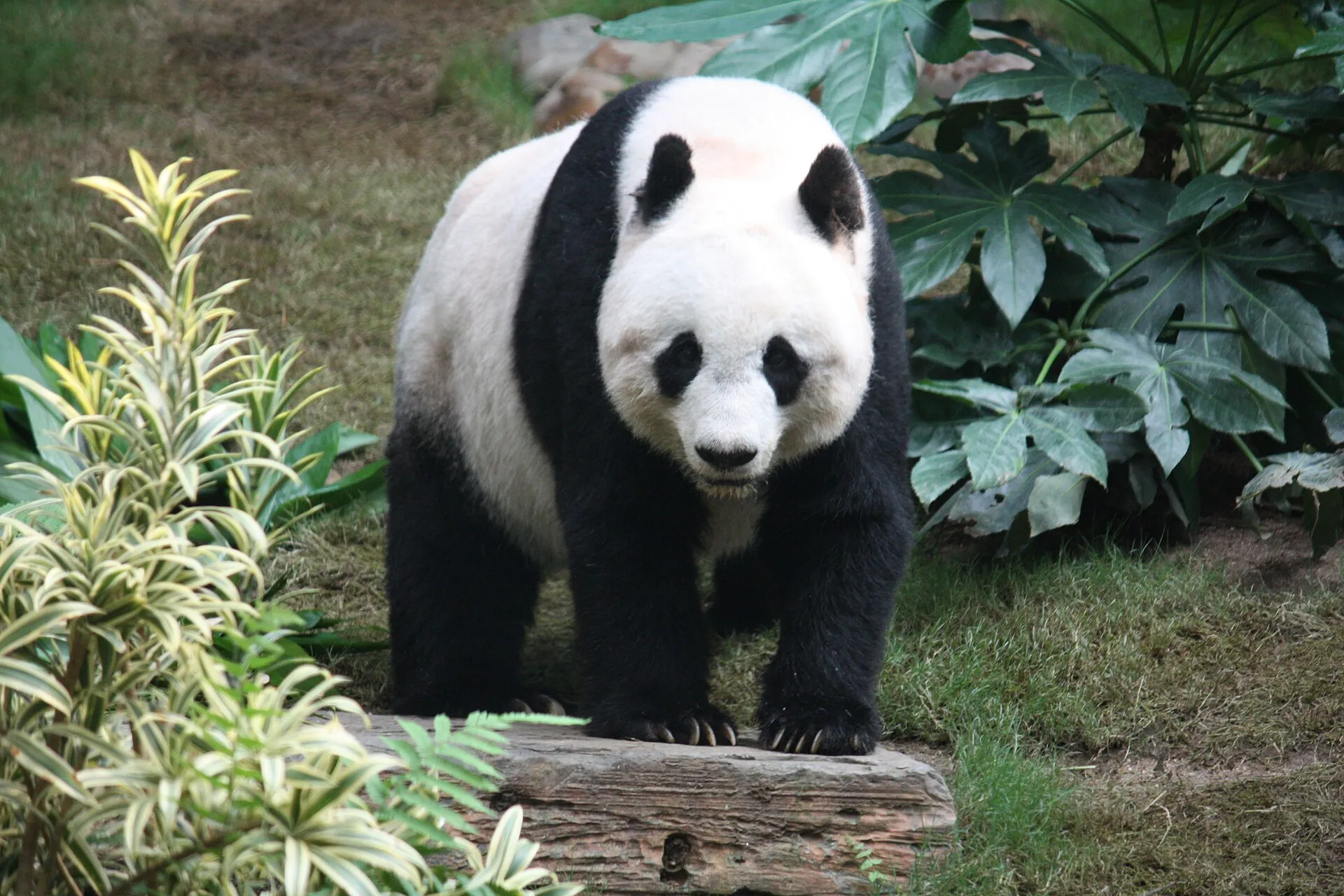
Fewer than 1,900 giant pandas remain in the wild
WWF lists 1,864 wild pandas in the mountain forests of southwest China. Habitat fragmentation separates populations from bamboo forests and potential mates, making connected habitat essential to their conservation
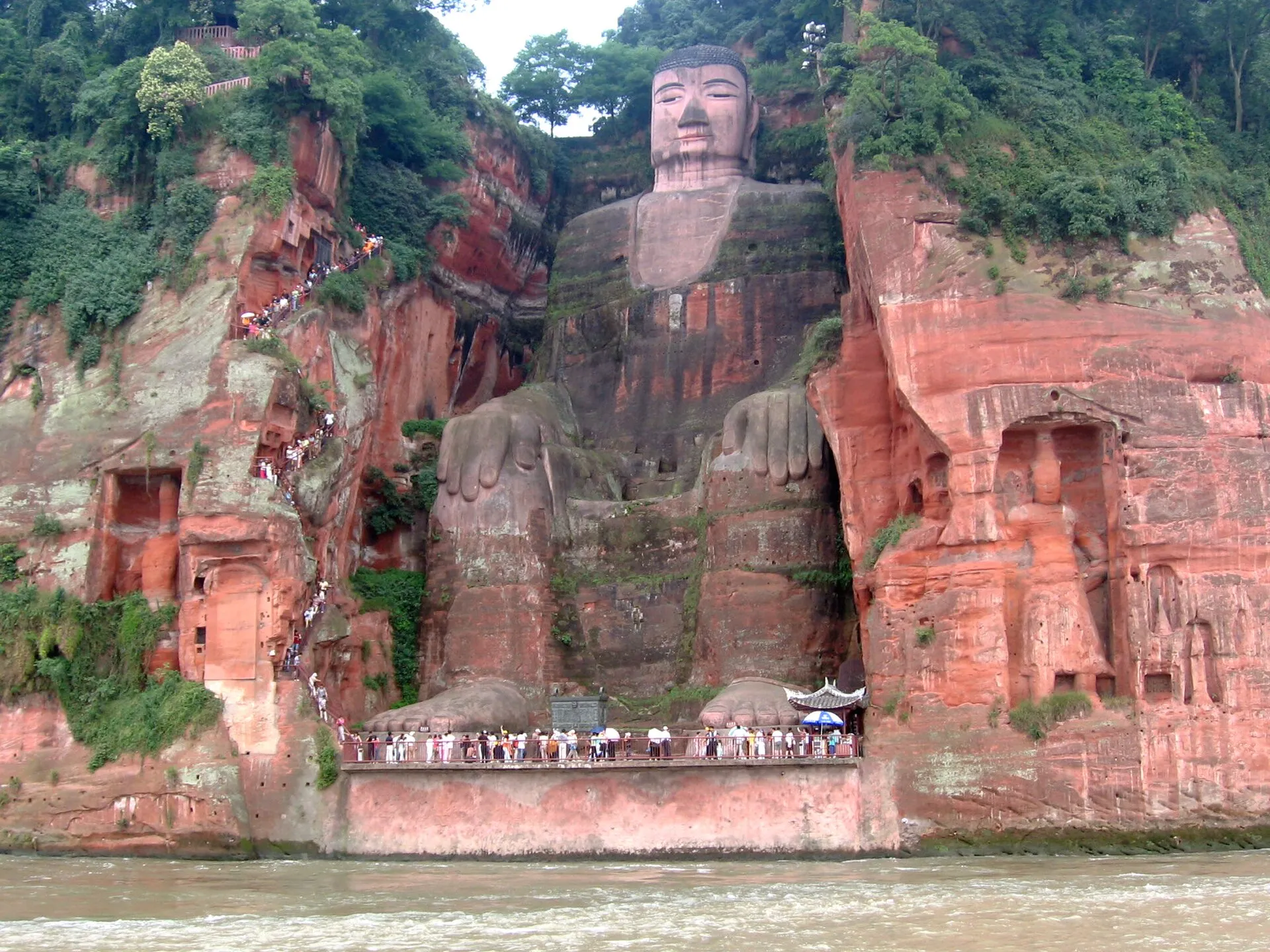
71 meters tall, the Leshan Giant Buddha
Carved into a red sandstone cliff face between 713 and 803 CE, the seated Maitreya figure at Leshan remains the tallest pre-modern stone statue on Earth and is inscribed on the UNESCO World Heritage list
UNESCO City of Gastronomy since 2010
UNESCO recognises Chengdu as a centre of Sichuan cuisine, whose cooking combines sweet, sour, bitter, spicy and salty flavours; its food festivals and culinary training keep that tradition active
The Dujiangyan system has watered the plain since 256 BCE
Engineered by the Qin governor Li Bing without a single dam, this UNESCO-listed waterworks still irrigates the Chengdu plain more than 2,200 years on, turning Sichuan into the fabled "Land of Abundance"
The world's first paper money was issued in Chengdu
Song-dynasty merchants in Chengdu began circulating printed promissory notes called jiaozi in the early 11th century, centuries before paper currency appeared anywhere in Europe
Over 10,000 teahouses across the city
Chengdu has more teahouses per capita than any other Chinese city, reflecting a local culture that prizes leisure and socializing over the frantic pace of coastal megacities
Source: tour-guide.com — Free to cite with attribution
Things to see
What are the top attractions in Chengdu?
- Panda breakfast time — Arrive at opening to watch pandas at their most active during the morning feeding at the Giant Panda Research Base
- Sichuan hotpot ritual — Share a bubbling pot of chili broth and cook meats, vegetables, and tofu tableside
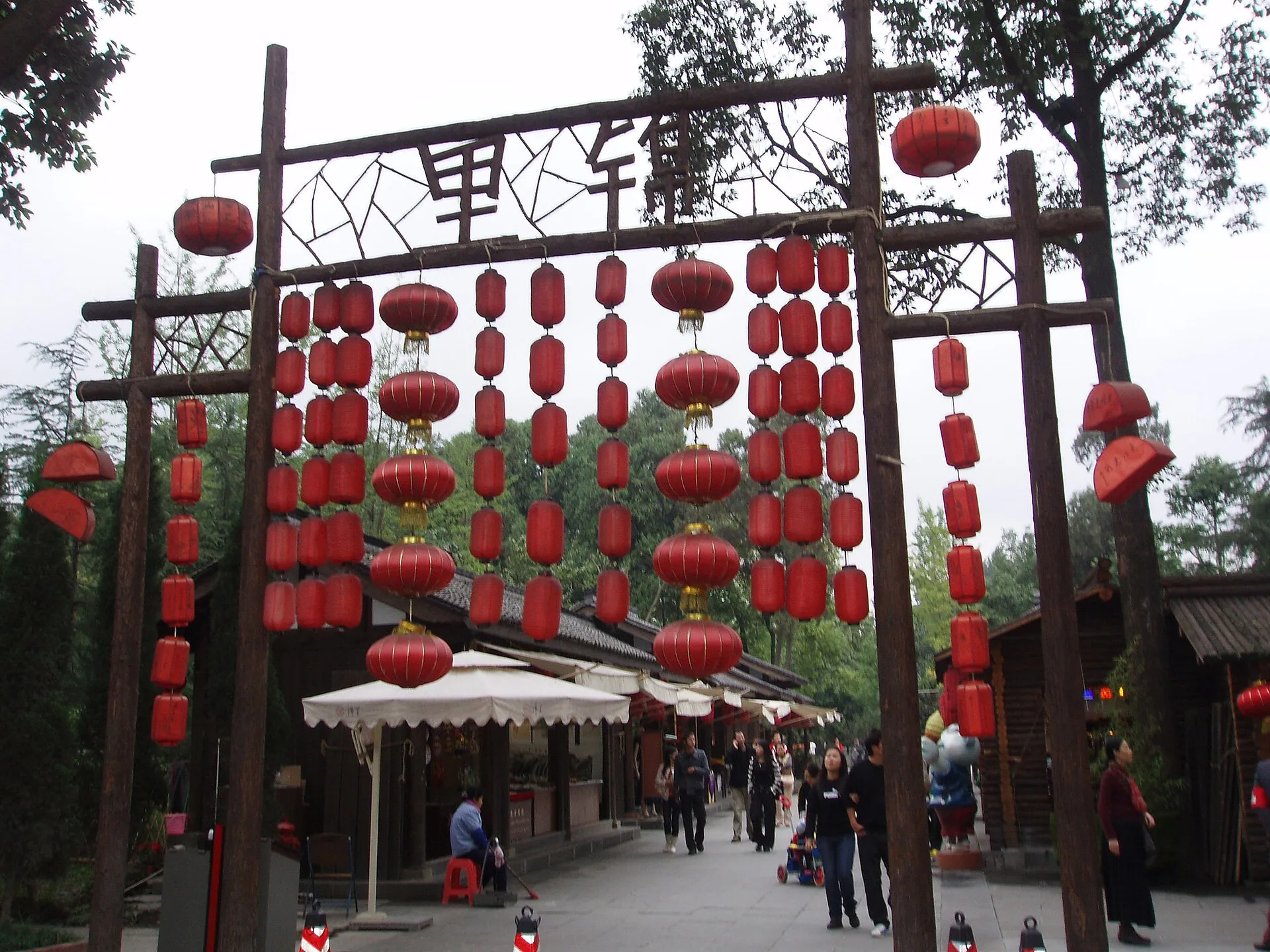
- Jinli at dusk — Jinli Ancient Street transforms under red lanterns with shadow puppet shows and sugar painting
- Three Kingdoms history — Trace the tale of Liu Bei and Zhuge Liang at the Wuhou Shrine, then step out onto Jinli
- People's Park teahouse — Spend an unhurried afternoon sipping jasmine tea among locals
- Leshan Buddha river view — Take a boat on the river for the full perspective of the towering Leshan Giant Buddha
- Sichuan opera face-changing — Watch performers swap painted masks in the blink of an eye
Chengdu Research Base of Giant Panda Breeding
Where bamboo-munching icons thrive in China's top conservation facility
Jinli Ancient Street
Chengdu's lantern-lit lane of Sichuan snacks, crafts, and Three Kingdoms lore
Leshan Giant Buddha
A 71-meter stone colossus gazing serenely over the confluence of three rivers
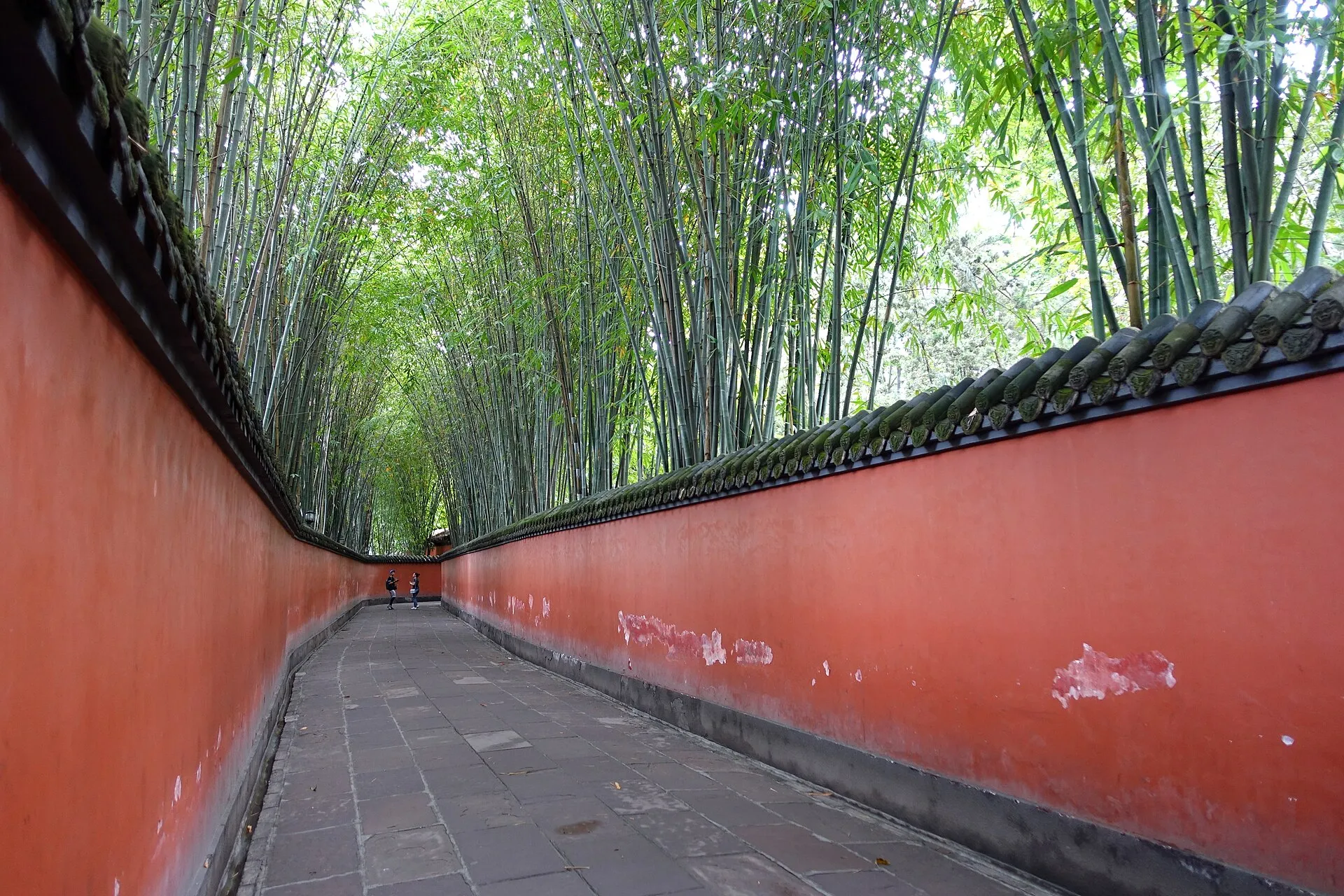
Wuhou Shrine
Where the strategist's brilliance and the king's loyalty have been honored for seventeen centuries
Guide planning
How much does a tour guide cost in Chengdu?
| Tour Type | Price | Details |
|---|---|---|
| Group Walking Tours | ¥150-280 | $20-38 per person |
| Sichuan Food Tours | ¥350-600 | $48-82 with tastings |
| Half-Day Private | ¥500-800 | $68-110 |
| Full-Day Private | ¥1,000-1,800 | $137-245 |
Season planner
When is the best time to visit Chengdu?
March through May is Chengdu's sweet spot, with mild temperatures around 15 to 25 degrees Celsius, blooming peach and rapeseed flowers across the Sichuan basin, and baby pandas at their most playful in the breeding centers. Summer from June through August brings heavy rain and sticky humidity that can make outdoor sightseeing at the Leshan Giant Buddha and Dujiangyan irrigation system uncomfortable, though the lush green hillsides are beautiful after a downpour. Autumn from September through November offers crisp weather ideal for temple visits at Wenshu Monastery and Qingcheng Mountain, with golden ginkgo trees lining the streets in late October. Winter is cold and persistently overcast — Chengdu famously sees little sunshine — but it is prime season for gathering around a bubbling Sichuan hot pot, and the panda base is less crowded, letting you linger at enclosures without fighting for viewing spots. Chinese National Day (early October) and Lunar New Year bring massive domestic crowds.
Spring
Mar-May
Summer
Jun-Aug
Autumn
Sep-Nov
Winter
Dec-Feb
Each score averages that season’s monthly ratings out of 5. The top-rated window is usually the peak season too, so read the guidance above for its trade-offs before you book.
On the ground
How do you get around Chengdu?
- Metro to the shrine — Line 10 now stops at Wuhou Shrine for the temple and neighbouring Jinli; the airport's official Line 10 route lists the connection
- Two airports, both rail-linked — Older Shuangliu and the newer Tianfu International both connect to the city by metro, so avoid pricey fixed-rate taxis
- Panda Base early start — Gates open at 7:30 AM — the first hour offers the best panda activity and smallest crowds
- Leshan by bullet train — The Leshan Giant Buddha is a full-day trip roughly an hour south by high-speed rail from Chengdu East or Chengdu South
- Spice tolerance varies — Tell your guide your heat preference — Sichuan cuisine ranges from mild to volcanic
- Overcast skies are normal — Chengdu is famously cloudy — pack layers and don't count on sunny days
Frequently Asked Questions
What is the best time to visit Chengdu?
Spring from March to May is ideal, with mild weather and baby pandas at their most active in the breeding centers. Winter is cold and overcast but perfect for warming up over a bubbling Sichuan hot pot, and the panda base sees far fewer visitors.
How much does a tour guide cost in Chengdu?
Group Walking Tours: ¥150-280 ($20-38 per person). Sichuan Food Tours: ¥350-600 ($48-82 with tastings). Half-Day Private: ¥500-800 ($68-110). Full-Day Private: ¥1,000-1,800 ($137-245)
How do you get around Chengdu?
Chengdu has an extensive and growing metro system that reaches most attractions, plus city buses and the popular DiDi ride-share app. Taxis are plentiful and affordable.
What food is Chengdu famous for?
Chengdu is a UNESCO City of Gastronomy and the home of Sichuan cooking, defined by the tingly numbness of the local peppercorn (the famous málà "numbing-and-hot" sensation). Must-tries include a bubbling hotpot, mapo tofu, dan dan noodles, twice-cooked pork, and chuan chuan skewers cooked in spicy broth. Sample street snacks along Jinli Ancient Street before graduating to a full hotpot dinner.
Is Chengdu a good base for day trips?
Yes — Chengdu is the natural gateway to western Sichuan. The colossal Leshan Giant Buddha is about an hour away by high-speed train, while the 2,200-year-old Dujiangyan irrigation system and the Taoist holy mountain of Qingcheng (a joint UNESCO World Heritage Site) sit to the northwest. Sanxingdui in Guanghan is another option for a full-day outing. Jinsha is within Chengdu itself; its official closure notice suspends all museum visits from 5 December 2025 through 30 April 2027, so leave it out of itineraries during that period.