
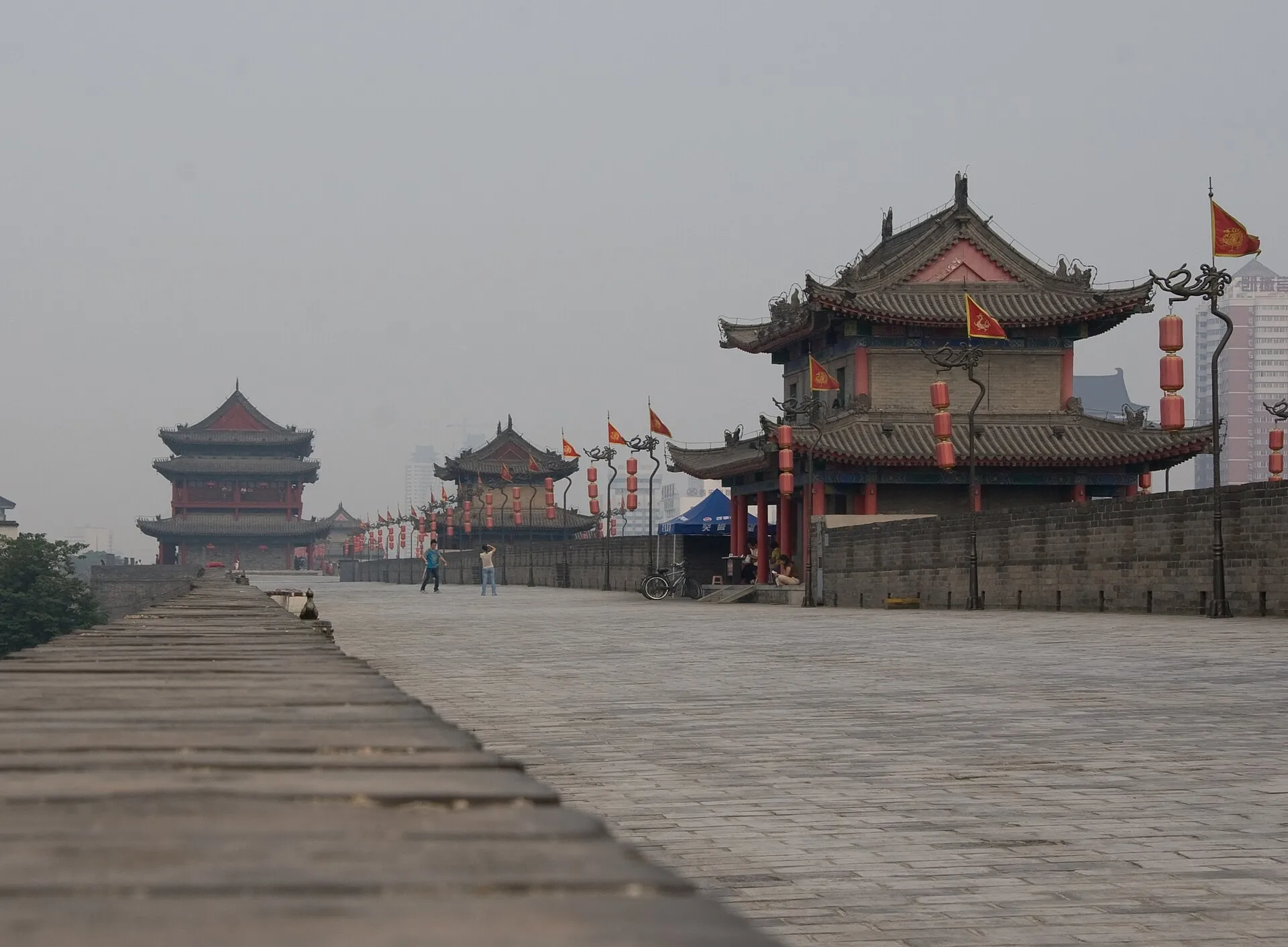
Architecture
Full-loop cycling: Pedaling the entire 13.7-kilometer circuit takes about 90 minutes and provides an ever-changing panorama of the city. Sunset from South Gate: The South Gate (Yongning) is the grandest entrance and catches beautiful evening light against the ancient stonework. Night illumination: After dark the watchtowers, gatehouses, and moat bridges are dramatically lit, creating a scene straight from a dynasty drama. Archery towers: 98 watchtowers are spaced at regular intervals, each with arrow slits that once provided overlapping fields of fire. Cultural performances: Occasional traditional music and martial arts demonstrations take place on the wall, especially during festivals. Dual perspectives: Look inward at the dense traditional rooftops of old Xi'an, then turn outward to see the modern city's towers and highways
When to Visit
Open: Daily 8:00 AM - 10:00 PM (summer) / 8:00 AM - 7:00 PM (winter). Bike rental closes: 1.5 hours before the wall closes. Best: Late afternoon into sunset - the golden light on the ancient stone is extraordinary. Avoid: Midday in summer when the exposed wall top bakes under the sun with no shade
Admission and Costs
Wall admission: ¥54. Single bicycle rental: ¥45 for 100 minutes. Tandem bicycle rental: ¥90 for 100 minutes. Deposit: ¥200 (refunded on return). Electric cart ride: ¥80 for a guided circuit (for those who prefer not to walk or cycle)
Tips for Visitors
Return bike on time: Exceeding the 100-minute rental incurs extra charges and the deposit deduction can be steep. Bring water and sunscreen: There are few vendors on the wall itself and no shade for most of the route. South Gate is busiest: For a quieter start, ascend at the East or West Gate where rental bikes are also more plentiful. Watch for uneven paving: Some brick sections are original 600-year-old stonework with gaps and bumps - ride carefully. Combine with moat park: The green belt surrounding the moat below the wall is a pleasant walk connecting several of the gate areas
Frequently Asked Questions
What time of year is ideal for cycling the Xi'an City Wall?
May and October stand out as the prime months, offering warm but not scorching weather perfect for the 13.7-kilometer cycling loop. Summer months from July through August bring intense heat on the exposed wall top with virtually no shade, while January and February can be bitterly cold with occasional frost making the brick surface slippery.
When can visitors tour Xi'an City Wall?
Open: Daily 8:00 AM - 10:00 PM (summer) / 8:00 AM - 7:00 PM (winter). Bike rental closes: 1.5 hours before the wall closes. Best: Late afternoon into sunset - the golden light on the ancient stone is extraordinary.
How much is the entrance fee for Xi'an City Wall?
Wall admission: ¥54. Single bicycle rental: ¥45 for 100 minutes. Tandem bicycle rental: ¥90 for 100 minutes. Deposit: ¥200 (refunded on return). Electric cart ride: ¥80 for a guided circuit (for those who prefer not to walk or cycle)
What do guided tours of Xi'an City Wall include?
Guides explain the Ming-dynasty military engineering behind the wall's 12-meter height and 15-meter base width, decode the urn-shaped gatehouse courtyards designed to trap invaders, and point out how the 98 watchtowers provided overlapping fields of fire. They share the history of the wall's construction between 1370 and 1378 and its meticulous modern restoration.