
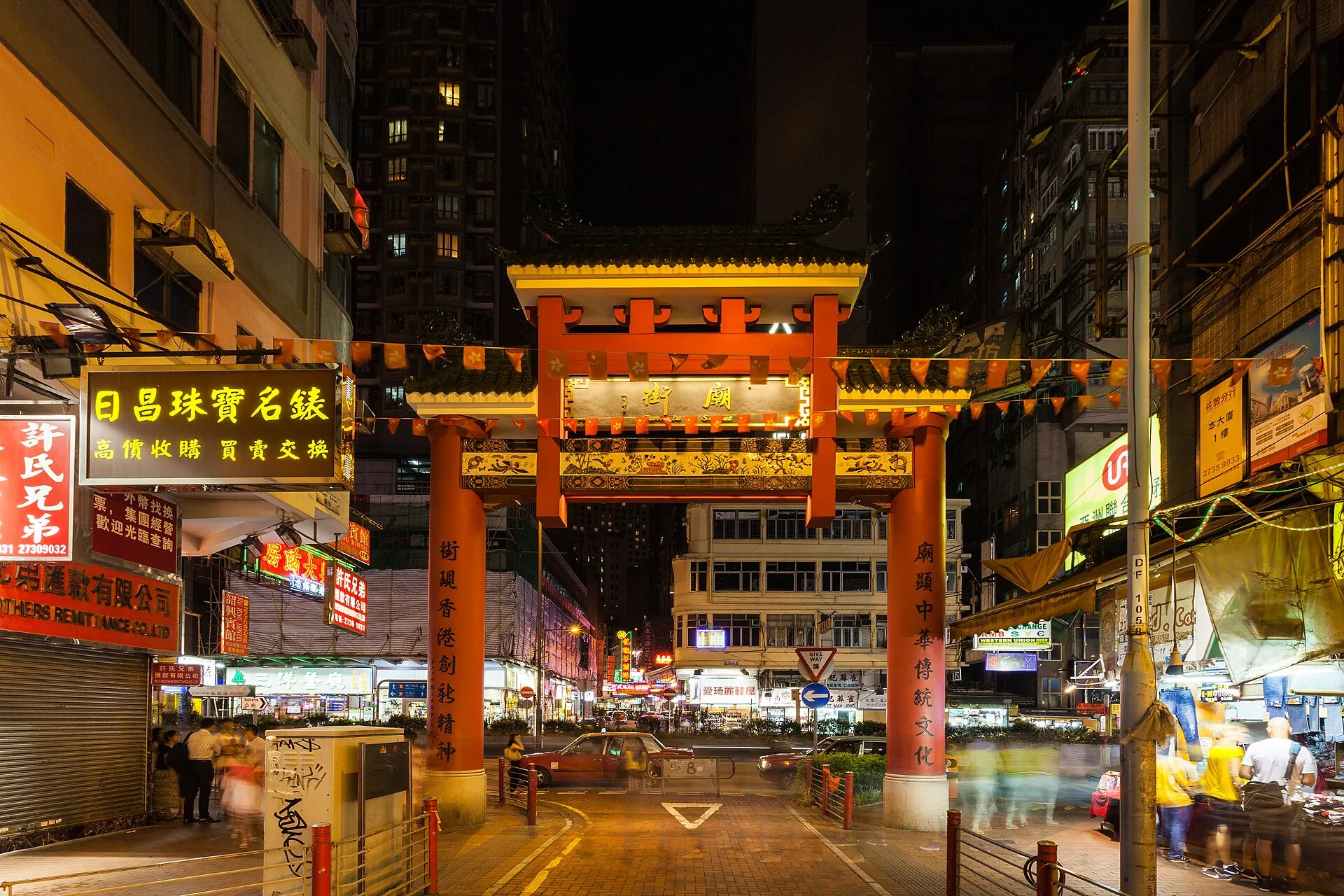
What To Buy
Claypot rice at Hing Kee: Watch the cook layer Chinese sausage, mushrooms, and egg over rice in a clay vessel set over a gas flame until the bottom crackles. Cantonese opera performances: Amateur troupes sing under the temple banyan trees most evenings, keeping a centuries-old tradition alive on the street. Fortune teller alley: A row of palmists, face readers, and astrologists operate from tiny card tables near the Tin Hau Temple. Salt-and-pepper squid: Deep-fried whole squid tossed with chili, garlic, and scallions at sizzling pavement woks. Tin Hau Temple: A quiet incense-filled shrine to the sea goddess, standing in sharp contrast to the market chaos outside its doors. Buskers and performers: Musicians, card magicians, and calligraphers line the edges of the market, each drawing their own small crowd.
Food Stalls
Claypot rice at Hing Kee: The signature dish of the market, with Chinese sausage, mushrooms, and egg baked over a gas flame until a golden crust forms on the bottom of the clay pot. Salt-and-pepper squid: Whole squid deep-fried and tossed in a wok with chili, garlic, and spring onions, served sizzling on a paper plate. Stinky tofu: Fermented bean curd fried until crispy outside and creamy within — the pungent smell fades once you take the first bite. Wonton noodles: Springy egg noodles in clear shrimp broth topped with plump pork-and-prawn wontons, ladled out of stockpots that have been simmering since afternoon. Milk tea: Brewed through a cloth strainer so many times it earns the nickname "silk stocking tea," served scalding hot or poured over ice. Typhoon shelter crab: Deep-fried crab pieces smothered in crispy garlic, chili, and fermented black beans — messy to eat, impossible to stop.
When to Visit
Stalls begin setting up: Around 4:00 PM, with most operational by 6:00 PM. Peak atmosphere: 8:00 PM to 10:00 PM, when crowds, opera singing, and cooking smoke reach full intensity. Closing time: Most stalls pack up by 11:00 PM; food vendors sometimes continue past midnight. Best nights: Weeknights are less frantic and better for bargaining; weekends bring more energy but denser crowds.
Admission and Costs
Market entry: Free, it is a public street. Street food dishes: HK$30-80 per plate at pavement restaurants. Claypot rice for two: HK$60-120, a smoky, crispy-bottomed Cantonese classic. Fortune telling session: HK$100-300 depending on the method (palm, face, bird-picking).
Tips for Visitors
Bargain firmly but politely: Opening prices are typically double the expected sale price; smile, counter at 40-50%, and meet in the middle. Eat at the pavement tables: The dai pai dong stalls serve food that rivals high-end restaurants at a fraction of the cost; the atmosphere is the main course. Watch your belongings: Pickpocketing is uncommon but the dense crowds make it wise to keep bags zipped and in front. Arrive by MTR: Jordan Station (Exit A) or Yau Ma Tei Station (Exit C) both place you within a two-minute walk of the market. Skip the electronics: Phone accessories and cables here are often low-quality knockoffs; save tech purchases for Sham Shui Po or authorized stores.
Frequently Asked Questions
When is the best time to shop at Temple Street Night Market?
Stalls begin setting up: Around 4:00 PM, with most operational by 6:00 PM. Peak atmosphere: 8:00 PM to 10:00 PM, when crowds, opera singing, and cooking smoke reach full intensity.
What prices should visitors expect at Temple Street Night Market?
Market entry: Free, it is a public street. Street food dishes: HK$30-80 per plate at pavement restaurants. Claypot rice for two: HK$60-120, a smoky, crispy-bottomed Cantonese classic.
How should visitors approach bargaining at Temple Street Night Market?
Bargain firmly but politely: Opening prices are typically double the expected sale price; smile, counter at 40-50%, and meet in the middle.