
Country guide
What makes United States a must-visit destination?
The United States welcomes over 80 million international visitors annually, making it one of the world's top three tourism destinations. It stretches roughly 2,800 miles from the Atlantic to the Pacific across 50 states and six time zones, so any single trip only ever samples it. A knowledgeable local guide turns that scale from daunting into navigable, threading the stories behind America's skylines, shorelines, and backcountry.
Begin in the east with the island skyline of New York City, the revolutionary trail through Boston, and the free Smithsonian museums of Washington DC. Swing south to New Orleans jazz, Nashville honky-tonks, and Miami Art Deco, then west to Chicago, Los Angeles, and the Golden Gate at San Francisco.
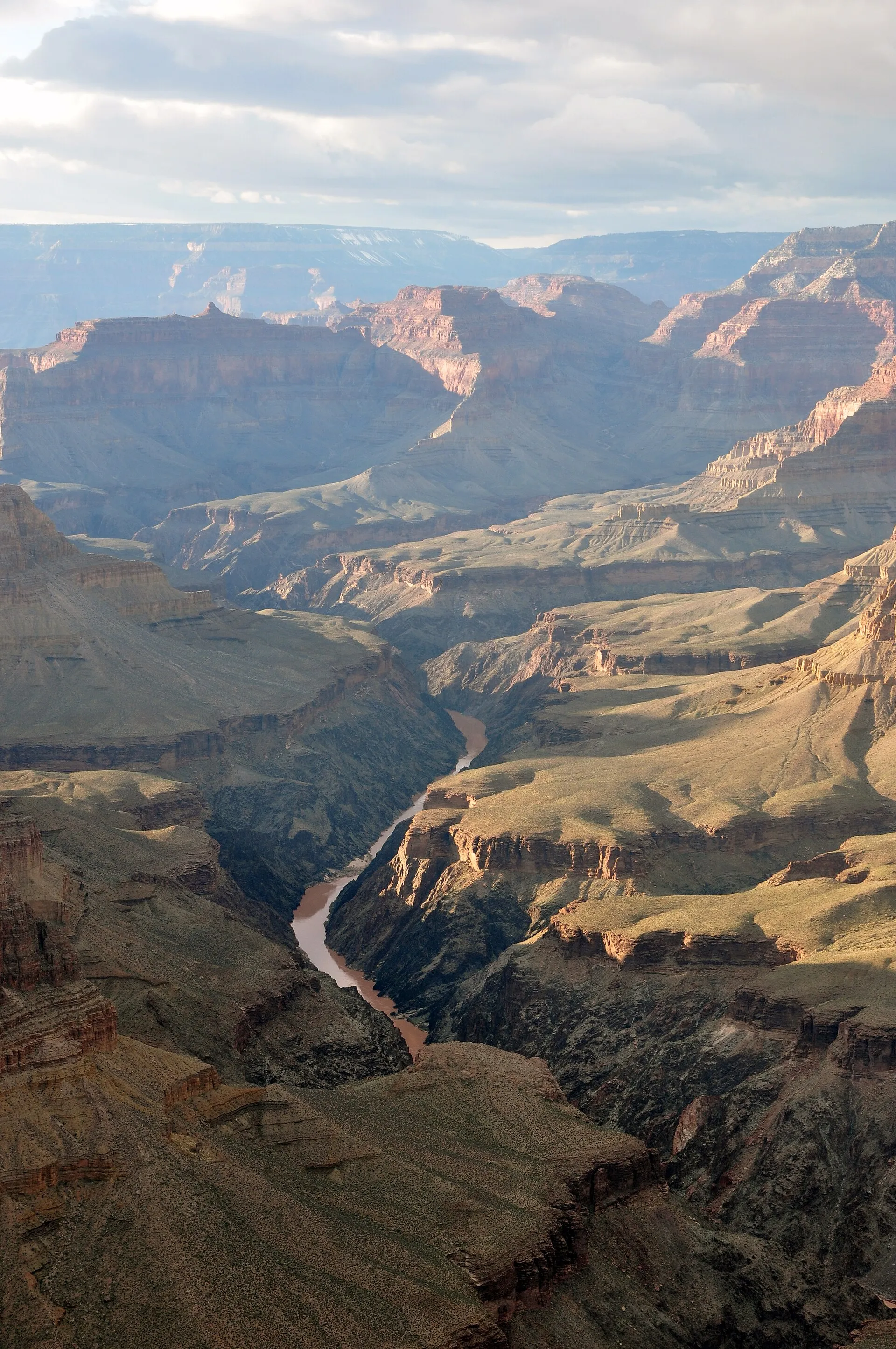
The country's real signature, though, is its geography: glacier-carved peaks, red-rock canyons, geyser basins, subtropical wetlands, and Pacific volcanoes. From the Grand Canyon reachable out of Las Vegas to Diamond Head above Honolulu and the Cascades beyond Seattle, wild landscapes are rarely more than a short drive from a city base.
- Language
- English Widely spoken across United States
- Currency
- US dollar ($) Legal tender across United States
- Time zone
- UTC−4 to −10 Local time in United States
- Power plugs
- Types A, B · 120V Sockets used across United States
- Getting around
- Domestic flights & road trips Getting between United States's cities
- Best months
- Mar, Apr, May, Jun, Jul, Aug, Sep, Oct Averaged across United States's city ratings
United States timeline
-
Independence declared
The Declaration created the civic origin story behind many East Coast heritage routes.
-
Constitution signed
The constitutional convention gave Philadelphia and federal civic sites their central meaning.
-
Civil War ends
Union victory and emancipation shaped battlefields, memorials, and civil rights narratives.
-
National Park Service
The agency organized the parks that anchor many American nature itineraries.
-
Civil Rights Act
The law became a key marker for museums, walking tours, and memory sites nationwide.
-
Moon landing
Apollo history added a space-age layer to American museums and visitor centers.
Local context
Culture and travel signals
Over 80 million international visitors per year
The United States ranks among the world's top three destinations for inbound tourism, with New York City, Miami, and Los Angeles serving as the busiest ports of entry for overseas travelers.
63 national parks managed by the National Park Service
From the Grand Canyon's 1.8-billion-year-old rock layers to the volcanic peaks of Hawai'i, the wider park system drew more than 325 million recreation visits in 2023, with Great Smoky Mountains alone topping 13 million.
26 UNESCO World Heritage Sites
Designations span the Statue of Liberty, Independence Hall in Philadelphia, Mesa Verde's cliff dwellings, Yellowstone — the world's first national park, established in 1872 — and the Everglades subtropical wilderness.
Travel and tourism contributed $2.36 trillion to the US economy in 2023
The sector directly and indirectly supports roughly 15 million American jobs, making travel one of the nation's largest service-sector exports and a pillar of local economies from coast to coast.
Elevations span 20,310 ft to 282 ft below sea level
Denali in Alaska is North America's highest summit, while Badwater Basin in Death Valley is the continent's lowest point — a range that captures the geographic extremes behind American adventure travel.
Source: tour-guide.com — Free to cite with attribution
Season planner
A year in United States
Use this best time to visit snapshot as a country-wide average, then check the city guides for local timing.
Mar-May
Spring
Spring holds up well for guided travel in United States, averaging Mar-May (4/5).
Jun-Aug
Summer
Summer holds up well for guided travel in United States, averaging Jun-Aug (4/5).
Sep-Nov
Autumn
Autumn holds up well for guided travel in United States, averaging Sep-Nov (4/5).
Dec-Feb
Winter
Winter stays workable in United States at Dec-Feb (3/5), so lean on city-by-city timing.
Where should you go in United States?
The Eastern Seaboard
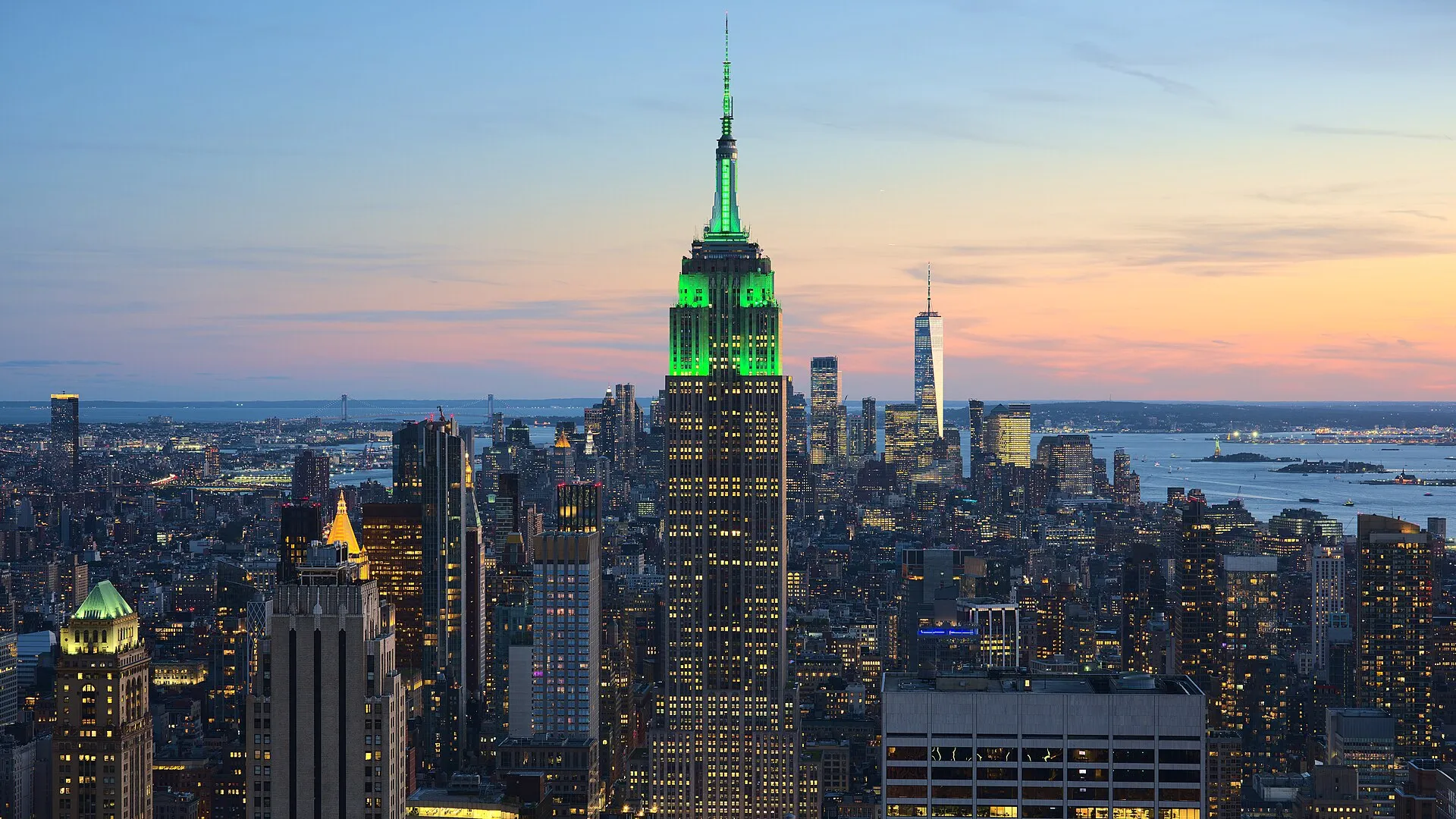
The East Coast alone could fill months of guided exploration. New York City stacks the Statue of Liberty, Broadway stages, and the Brooklyn Bridge into a single island skyline. Boston traces the birth of a nation along the Freedom Trail past Fenway Park and Harvard Yard, while Philadelphia guards the Liberty Bell and Independence Hall a block from the bustle of Reading Terminal Market.
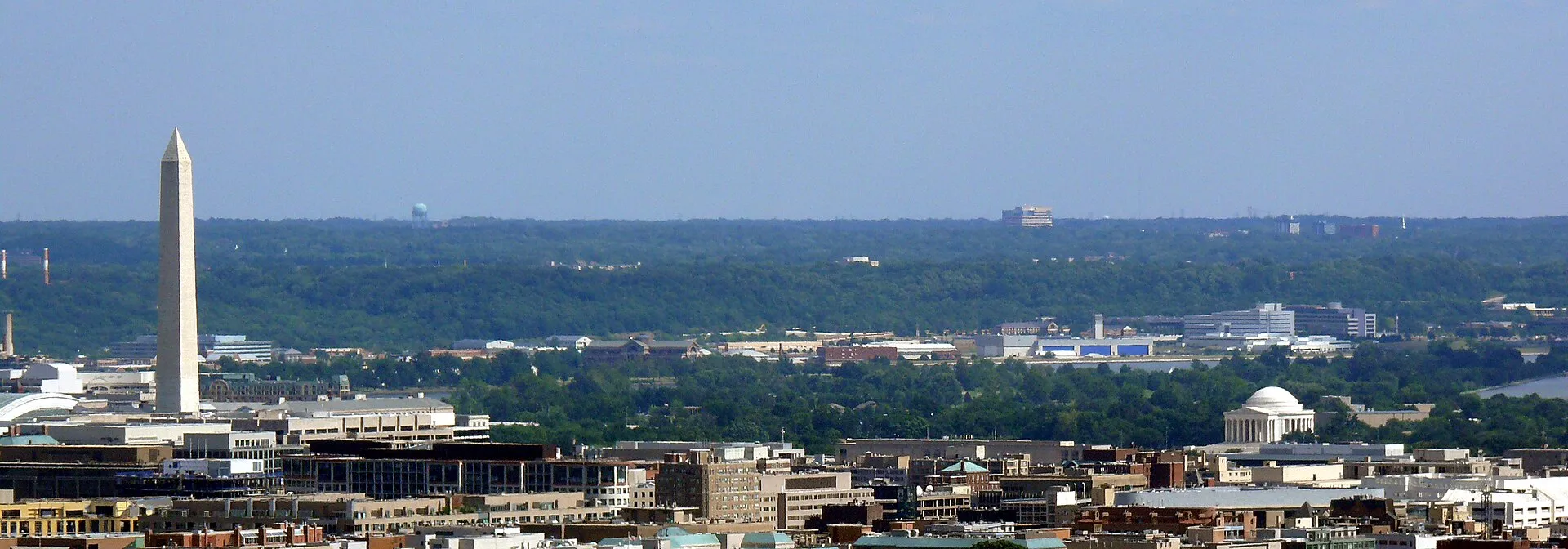
Washington DC lines the National Mall with the free Smithsonian museums, the Lincoln Memorial, and the White House. Just up the Chesapeake, Baltimore pairs its restored Inner Harbor with the ramparts of Fort McHenry, where the national anthem was penned during the War of 1812.
The South & Heartland
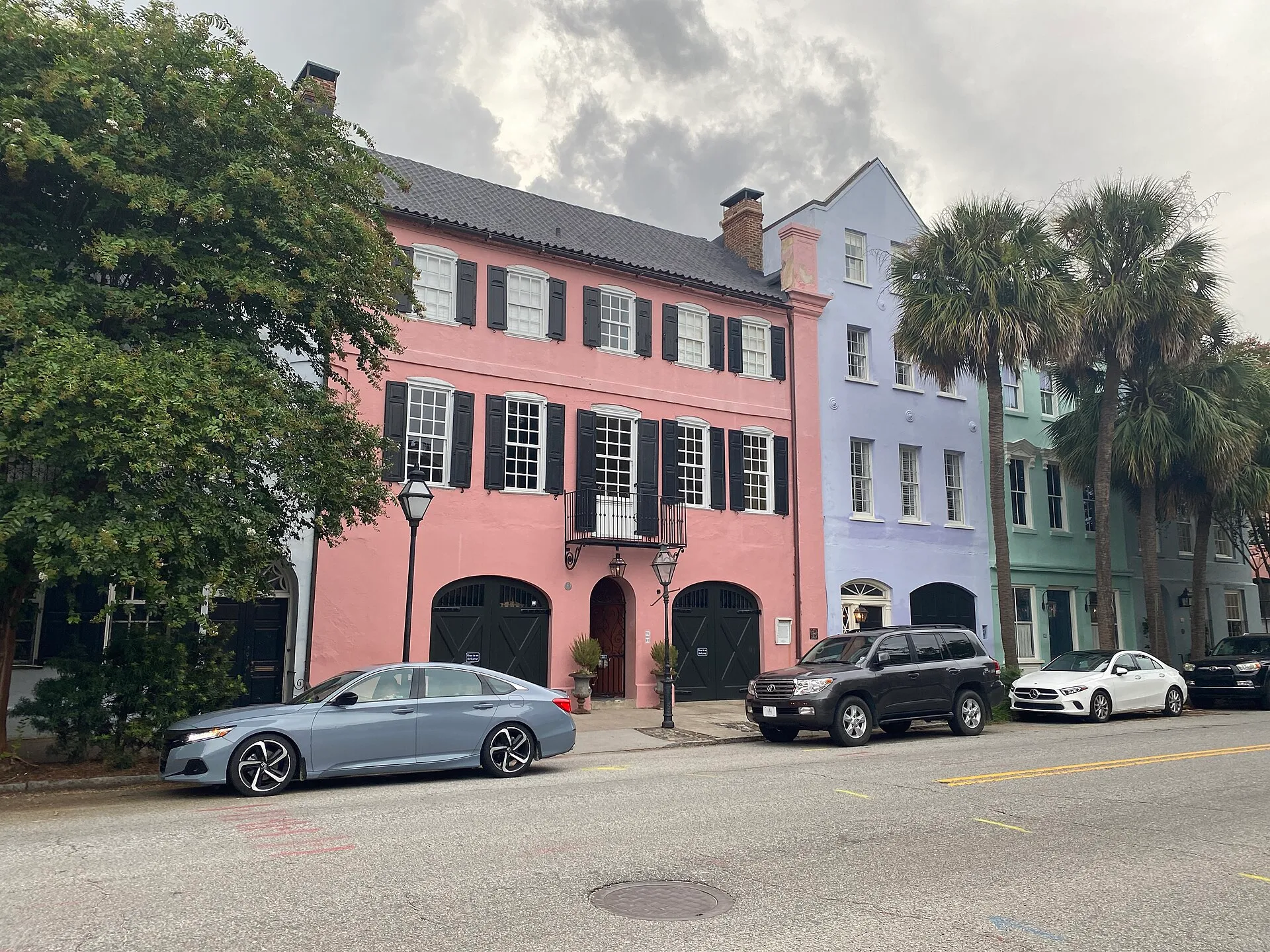
The South unfolds its own identity through New Orleans jazz pouring out of French Quarter doorways, Nashville honky-tonks feeding the legacy of the Grand Ole Opry, and Austin's live-music scene spilling from Sixth Street to Barton Springs. On the Atlantic coast, Charleston and Savannah share pastel rowhouses, moss-draped squares, and Lowcountry cooking.
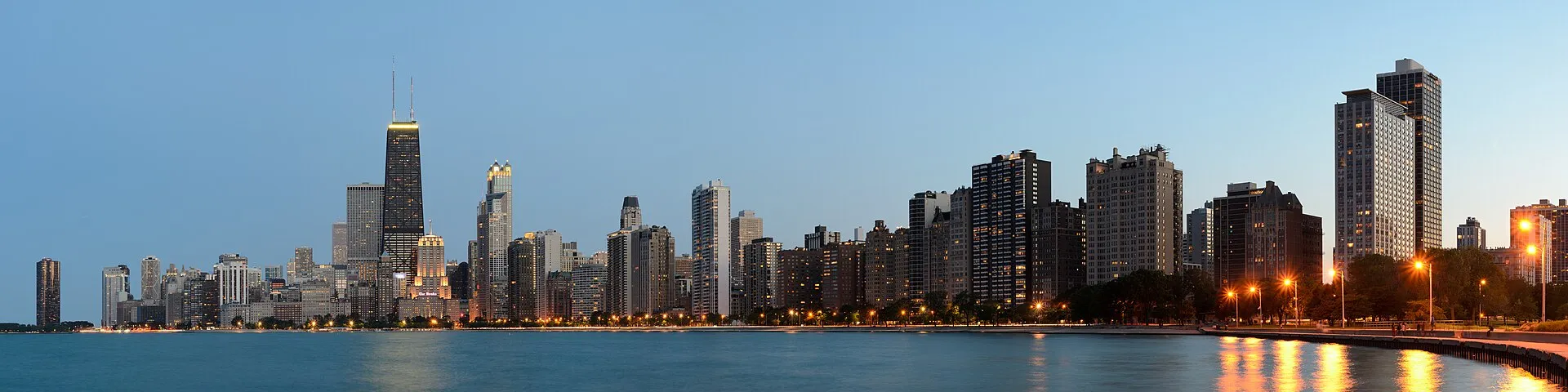
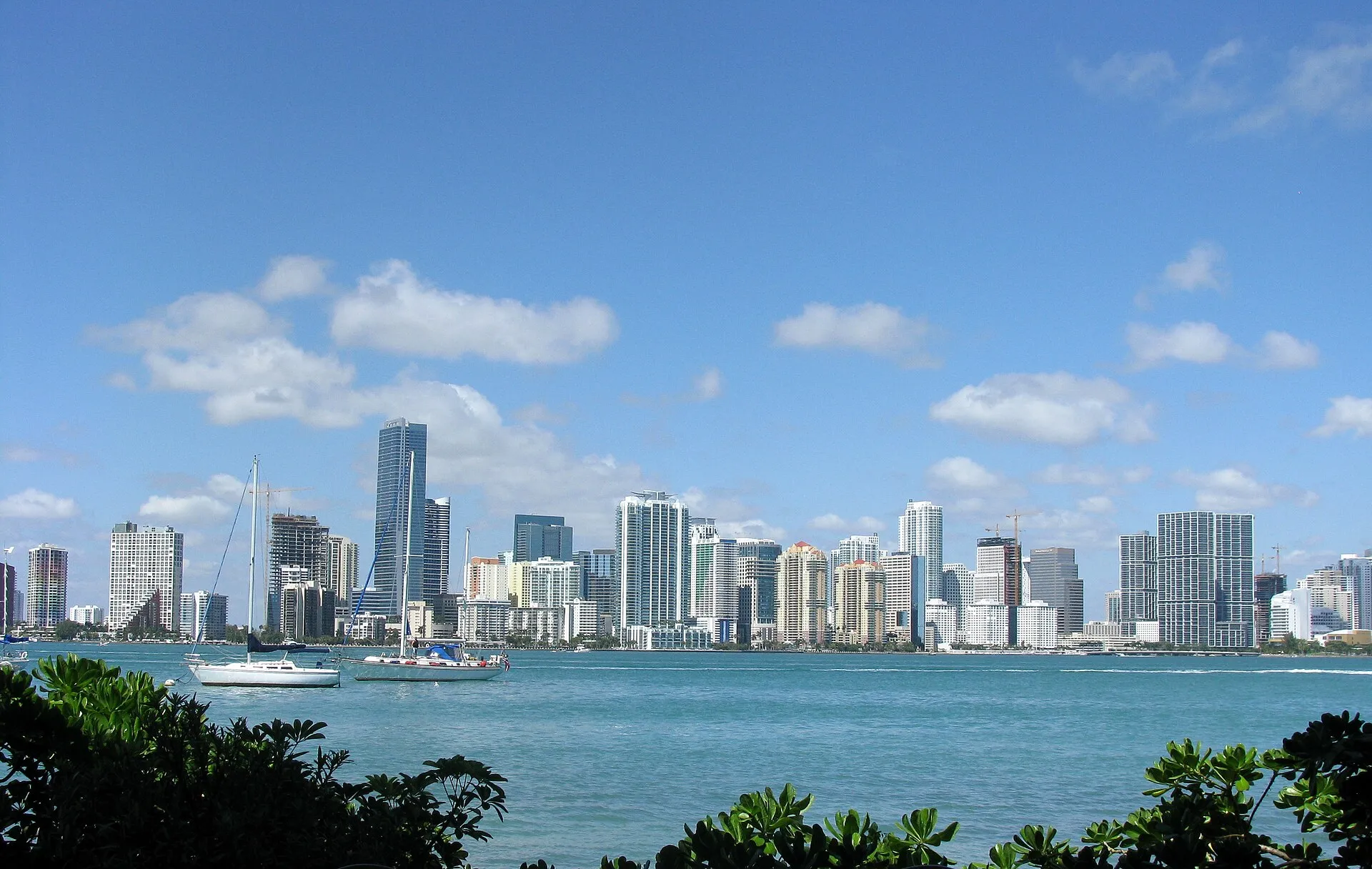
Miami's Art Deco curves along South Beach give way to Little Havana and the wild Everglades beyond, while Houston anchors the Gulf Coast around NASA's Space Center. Chicago holds the heartland together, its bold architecture rising along the lakefront from Millennium Park to the Art Institute.
The West & Pacific
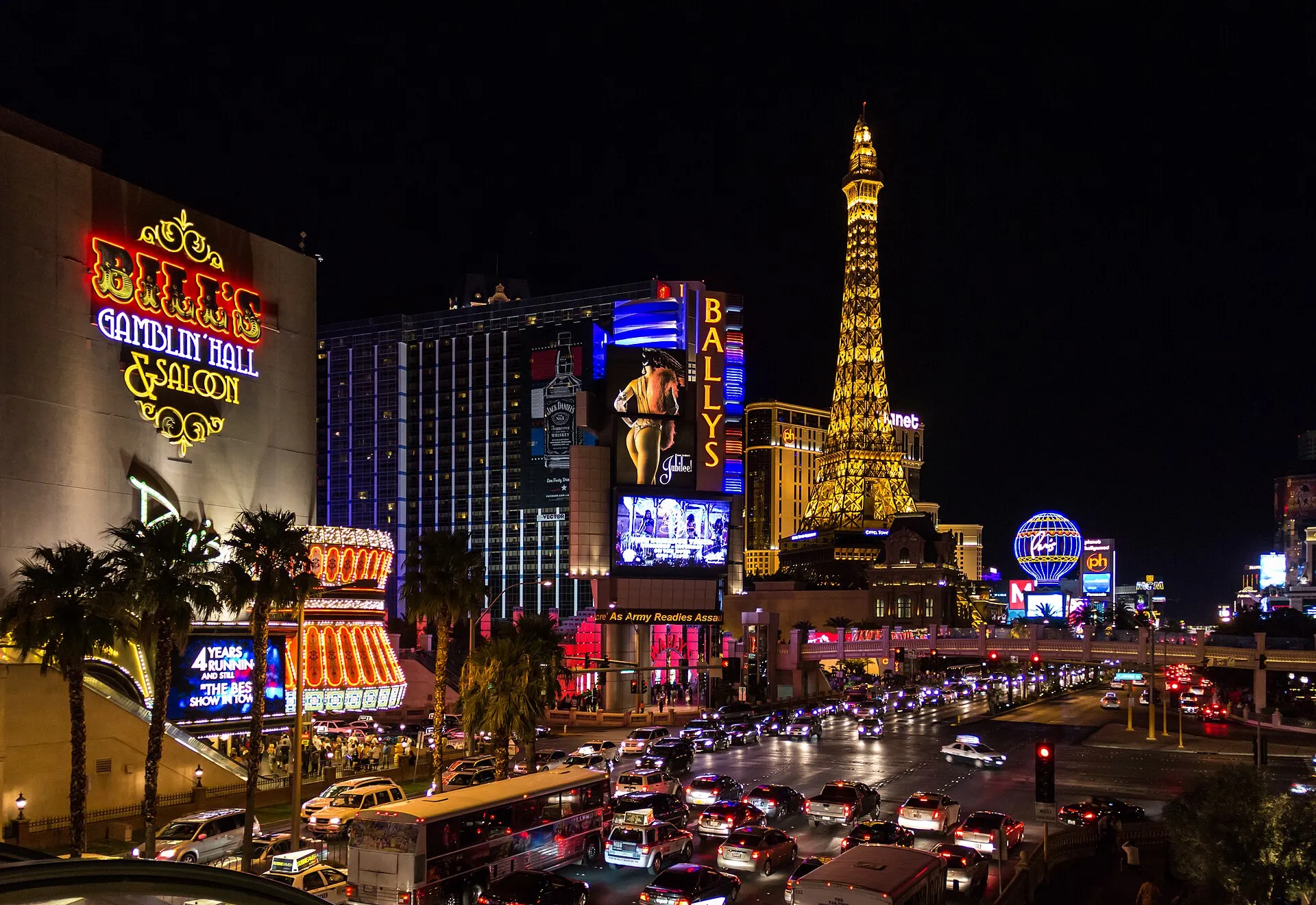
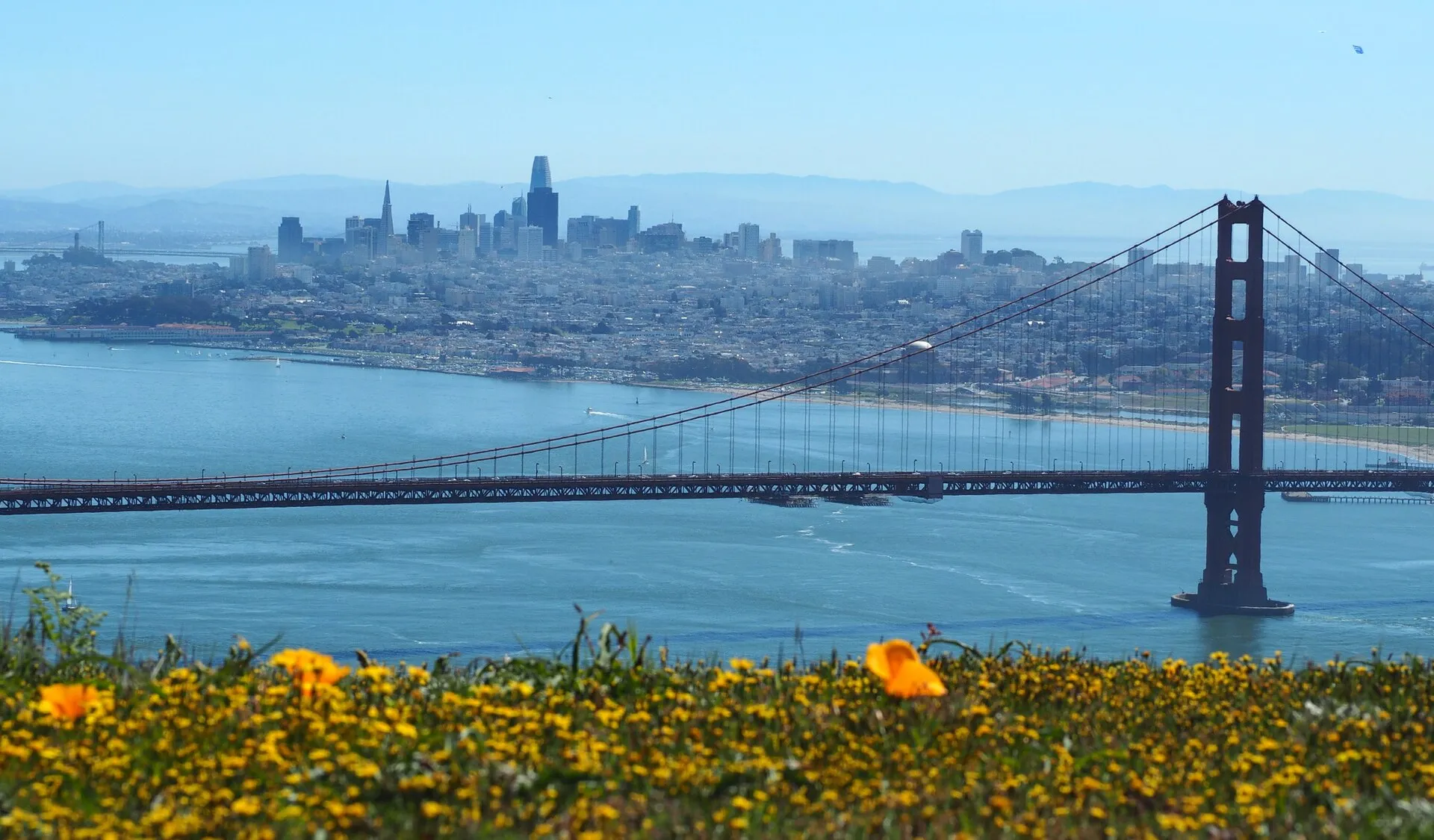
Across the West, Los Angeles spreads from Hollywood to the Getty Center and Venice Beach, and San Francisco drapes cable cars and Chinatown across hills above Alcatraz. San Diego pairs Balboa Park with La Jolla Cove, while Las Vegas lights up the Mojave as a launchpad for Grand Canyon day trips.
Inland and up the Pacific, Denver opens the door to Red Rocks and Rocky Mountain National Park, Seattle stacks Pike Place Market beneath the Space Needle, and Portland leads to the Columbia Gorge and Mount Hood. Far offshore, Honolulu frames Diamond Head and Pearl Harbor against the turquoise Pacific.














Must-see attractions across United States
Jump past the planning and straight to what makes United States memorable, city by city. A guided visit is where the specifics click into place.
What do visitors need to know about United States?
When to Go
The USA spans nearly every climate zone, so timing is regional rather than national. Spring (April–May) and fall (September–October) bring mild weather and thinner crowds to most cities and parks. Summer is peak season for the mountain West and Alaska but scorches the desert Southwest, where Death Valley routinely tops 120°F (49°C).
Winter reshuffles the map again: ski season fires up in Colorado, Utah, and Vermont, while Miami, Honolulu, and Southern California trade snow for warm beaches. Keep an eye on hurricane season (June–November) along the Gulf and Atlantic coasts, and on wildfire smoke in the West during late summer.
Outdoor Adventures & Road Trips
The road trip is the quintessential American adventure, and the distances reward planning. Four classic self-drive routes:
- Pacific Coast Highway — San Francisco to Los Angeles past the cliffs of Big Sur.
- Southwest parks loop — Las Vegas out to Zion, Bryce, and the Grand Canyon.
- Rocky Mountain high — Denver up to Rocky Mountain National Park and the Colorado Rockies.
- Blue Ridge & the South — Nashville and Charleston linked through the Great Smoky Mountains.
Beyond driving, the National Park Service manages 63 national parks built for hiking, rafting, climbing, and ranger-led walks. A local guide adds the geological and ecological backstory that turns a scenic overlook into something you remember.
Finding a Guide
- Official visitor bureaus in each city offer licensed guide services — look for guides certified by local tourism boards
- Viator, GetYourGuide, and TripAdvisor connect you with verified local guides — filter by language, specialty, and reviews
- Major hotels have relationships with premium tour operators and can arrange customized experiences
- Free ranger-led tours at national parks and monuments offer expert insights into natural and historical sites
Typical Costs
| Tour Type | Price Range |
|---|---|
| Group walking tour (2–3 hrs) | $25–50 per person |
| Private half-day (up to 6) | $200–400 |
| Private full-day (up to 6) | $400–800 |
| Specialist guides (food, architecture, history) | $300–600 per day |
Must-See Experiences
- Statue of Liberty & Ellis Island — immigration history comes alive with expert narration
- Smithsonian Museums — free admission in Washington DC; guides help navigate vast collections
- Broadway Shows — theater district tours reveal backstage secrets in New York
- Golden Gate Bridge — walk across San Francisco's engineering marvel with stunning bay views
- Grand Canyon — helicopter tours and rim walks from Las Vegas with geological context
- French Quarter — jazz clubs, Creole restaurants, and centuries of Louisiana history
- Pearl Harbor — the USS Arizona Memorial and WWII history in Honolulu
Getting Around
Domestic flights link distant regions in a few hours, while a rental car is essential for national parks, coastal drives, and small towns. Amtrak long-distance routes such as the California Zephyr and Coast Starlight are scenic journeys in their own right. Compact cities like New York, Boston, Chicago, and Washington DC are best explored by subway and on foot, so save the car for the open road.
Tips for Visitors
- Book ahead — popular tours and national-park permits fill weeks in advance during peak season (June–August)
- Tipping culture — 15–20% gratuity expected for private guides; $5–10 per person for group tours
- City passes — bundles like the New York Pass, Go Las Vegas, and Seattle CityPASS include skip-the-line access
- ESTA & entry — most visa-waiver travelers need an approved ESTA before flying; apply at least 72 hours ahead
- Accessibility — the ADA mandates wheelchair access at most major attractions, and national parks offer the free lifetime Access Pass for travelers with disabilities
- Weather — the USA spans multiple climate zones, so always check local conditions
Frequently Asked Questions
What is the best time of year to visit the United States?
The best time depends on where you're headed. Spring (April–May) and fall (September–October) offer mild weather across most of the country and thinner crowds at major attractions. Summer is peak season for national parks and coastal cities but brings intense heat in the Southwest and desert regions. Winter opens up skiing in Colorado and Vermont, holiday markets in New York and Chicago, and warm escapes in Florida, Hawaii, and Southern California.
How much does a private tour guide cost in the United States?
Rates vary by city, but as a benchmark, two-to-three-hour group walking tours run $25–50 per person across most major destinations. Private half-day tours for up to six people cost $200–400, with specialist options like NYC architecture walks or New Orleans jazz history tours at the higher end.
Do I need to speak English to travel in the United States?
English is the dominant language, but the United States has no official national language and is home to large Spanish-speaking communities, particularly in the Southwest, Florida, and major cities. Most signage and services are in English. International visitors generally manage well in tourist areas, though a guide helps enormously with navigating regional accents — from New Orleans Creole to Boston's Brahmin — local slang, and the sheer geographic scale of the country.
Which US national parks are best for a first visit?
For a first trip, pair an iconic landscape with an easy city base. The Grand Canyon is a classic day trip or overnight from Las Vegas, while Denver opens the door to Rocky Mountain National Park and the Colorado high country.
Yellowstone's geysers, Zion's slot canyons, and Great Smoky Mountains — the most-visited park, with over 13 million annual visits — reward a few days each. Ranger-led walks are free, and a private guide adds the geology and wildlife context that overlooks alone can't.
How do I get around the United States as a tourist?
Distances are continental, so mix your transport to the trip. Domestic flights connect far-apart regions in hours, and a rental car is essential for national parks, coastal drives, and small towns. Amtrak long-distance routes like the California Zephyr double as scenic experiences.
Within walkable cities — New York, Boston, Chicago, Washington DC, San Francisco — subways, streetcars, and ride-hailing beat driving. Most visa-waiver travelers also need an approved ESTA before boarding a US-bound flight.