
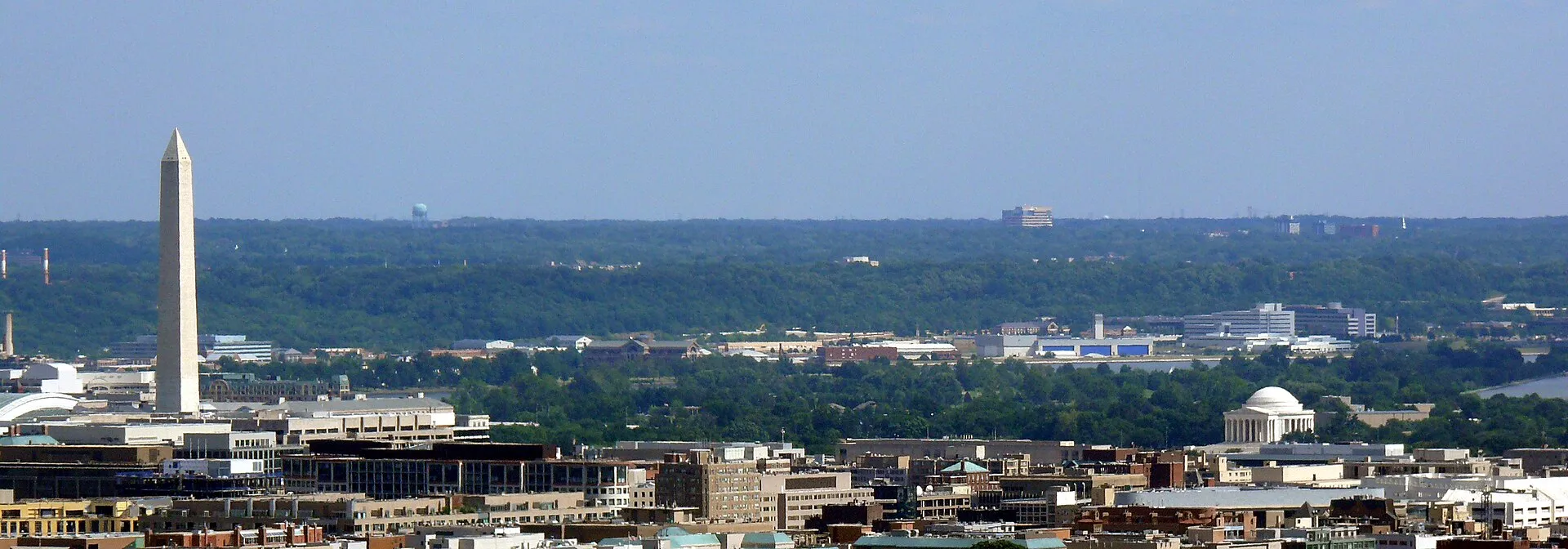
Washington DC timeline
-
Federal district chosen
The Residence Act created the capital site on the Potomac.
-
Government moves in
Federal offices moved from Philadelphia into the new capital.
-
British burning
War damage to the Capitol and White House became part of the city's national memory.
-
March on Washington
The civil rights march made the National Mall a defining civic stage.
Cited city facts
Key facts for visiting Washington DC
17 free Smithsonian museums
The Smithsonian Institution is the world's largest museum and research complex, holding 155 million objects, and every one of its DC museums charges zero admission
3,750+ cherry blossom trees
Originally a gift of 3,020 trees from Tokyo in 1912, the Tidal Basin grove has expanded and now draws over 1.5 million visitors during the National Cherry Blossom Festival each spring
639 acres at Arlington National Cemetery
More than 400,000 service members and their families rest at Arlington, where the Changing of the Guard at the Tomb of the Unknown Soldier has occurred every minute 24/7 since 1937
20+ million annual visitors
Washington DC welcomes more than 20 million domestic and international visitors each year, with the National Mall alone attracting roughly 25 million visits annually
Source: tour-guide.com — Free to cite with attribution
Things to see
What are the top attractions in Washington DC?
- National Mall — Walk the two-mile corridor from the Capitol to the Lincoln Memorial, past war memorials and reflecting pools
- Lincoln Memorial — Stand where MLK delivered his dream and read Lincoln's words etched in marble walls
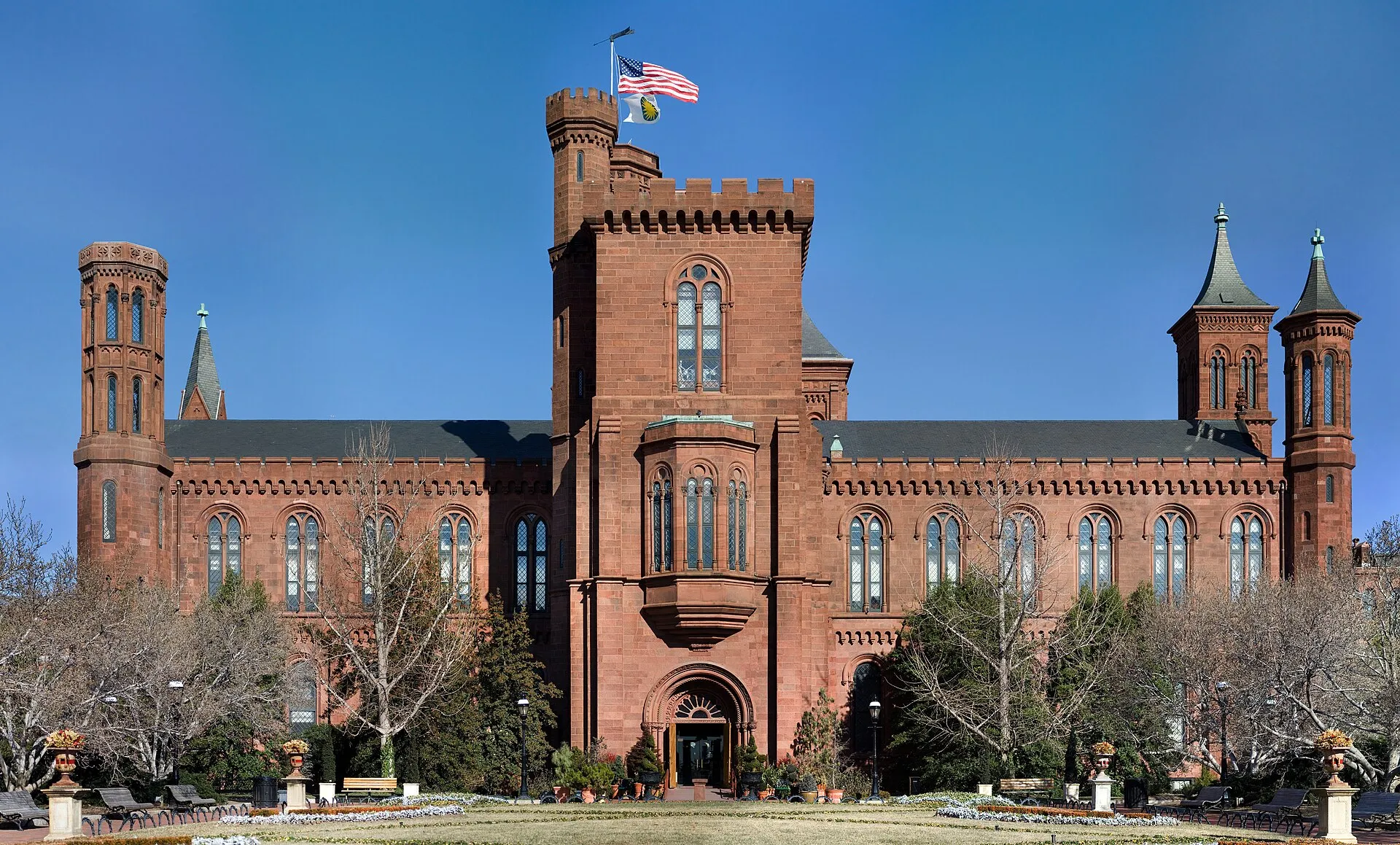
- Smithsonian Museums — The Hope Diamond, Wright Flyer, Spirit of St. Louis, and Dorothy's ruby slippers all under one institution
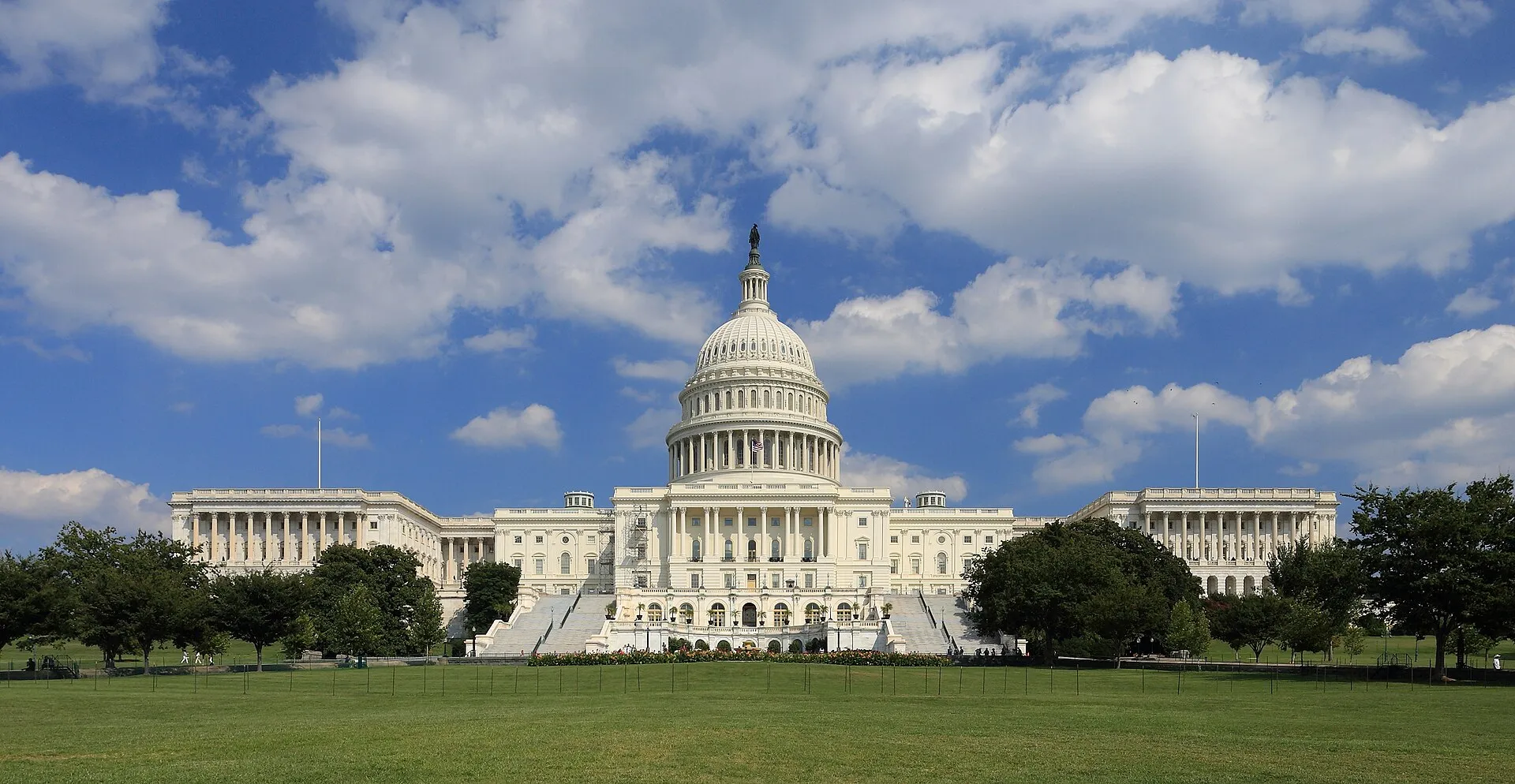
- US Capitol — Gaze up at the Apotheosis of Washington in the Rotunda dome, 180 feet above the floor
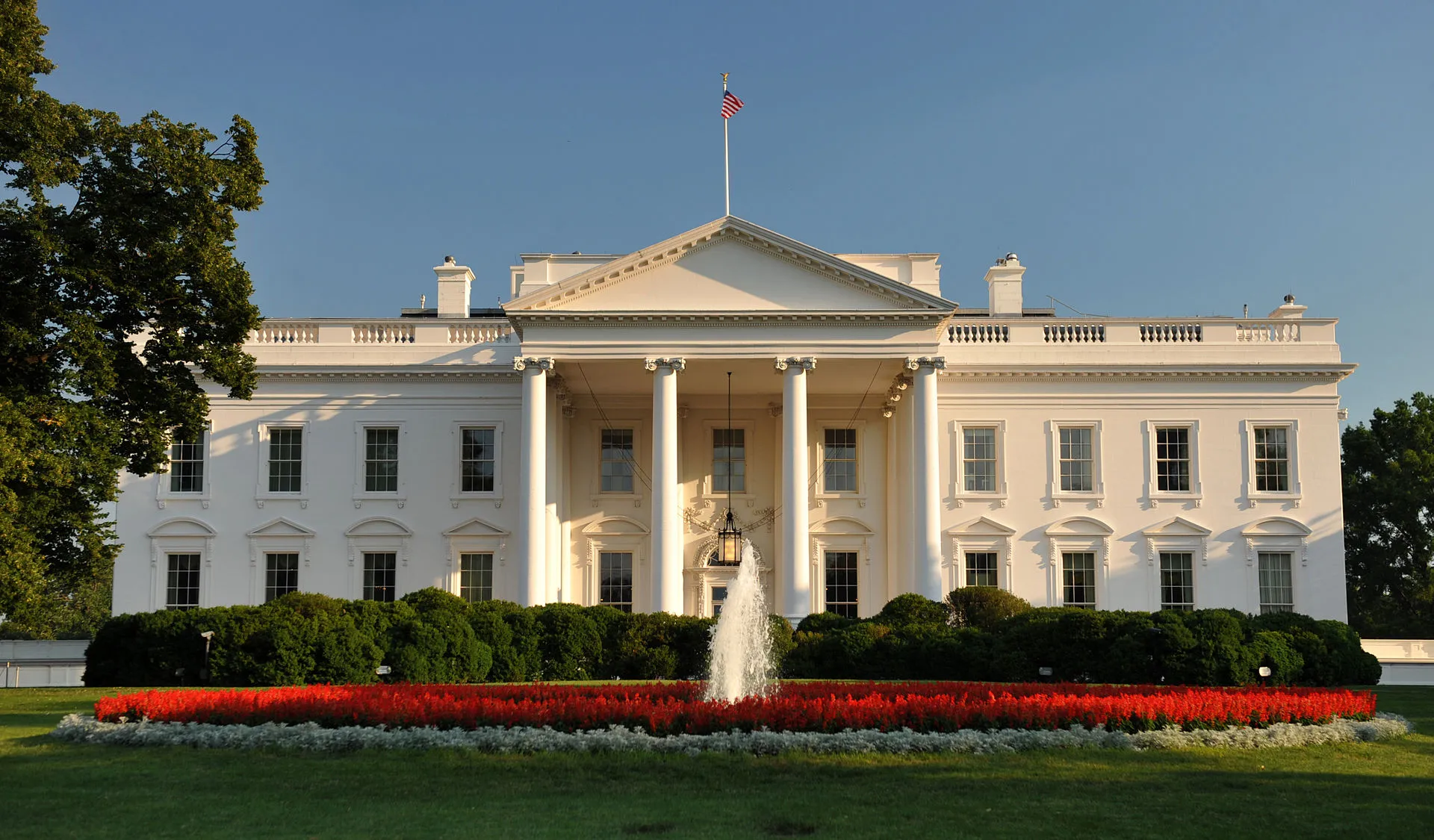
- White House — Photograph the North Portico from Pennsylvania Avenue and explore the visitor center exhibits
- Arlington Cemetery — Witness the Changing of the Guard at the Tomb of the Unknown Soldier, held every hour on the hour
- Georgetown — Stroll cobblestone streets, browse boutiques on M Street, and dine along the Potomac waterfront
- Tidal Basin — Cherry blossoms frame the Jefferson Memorial in spring, creating the most photographed scene in Washington
Arlington National Cemetery
639 acres of sacrifice - where the nation honors those who gave everything

Georgetown
Cobblestone charm older than the capital itself - where colonial history meets modern elegance
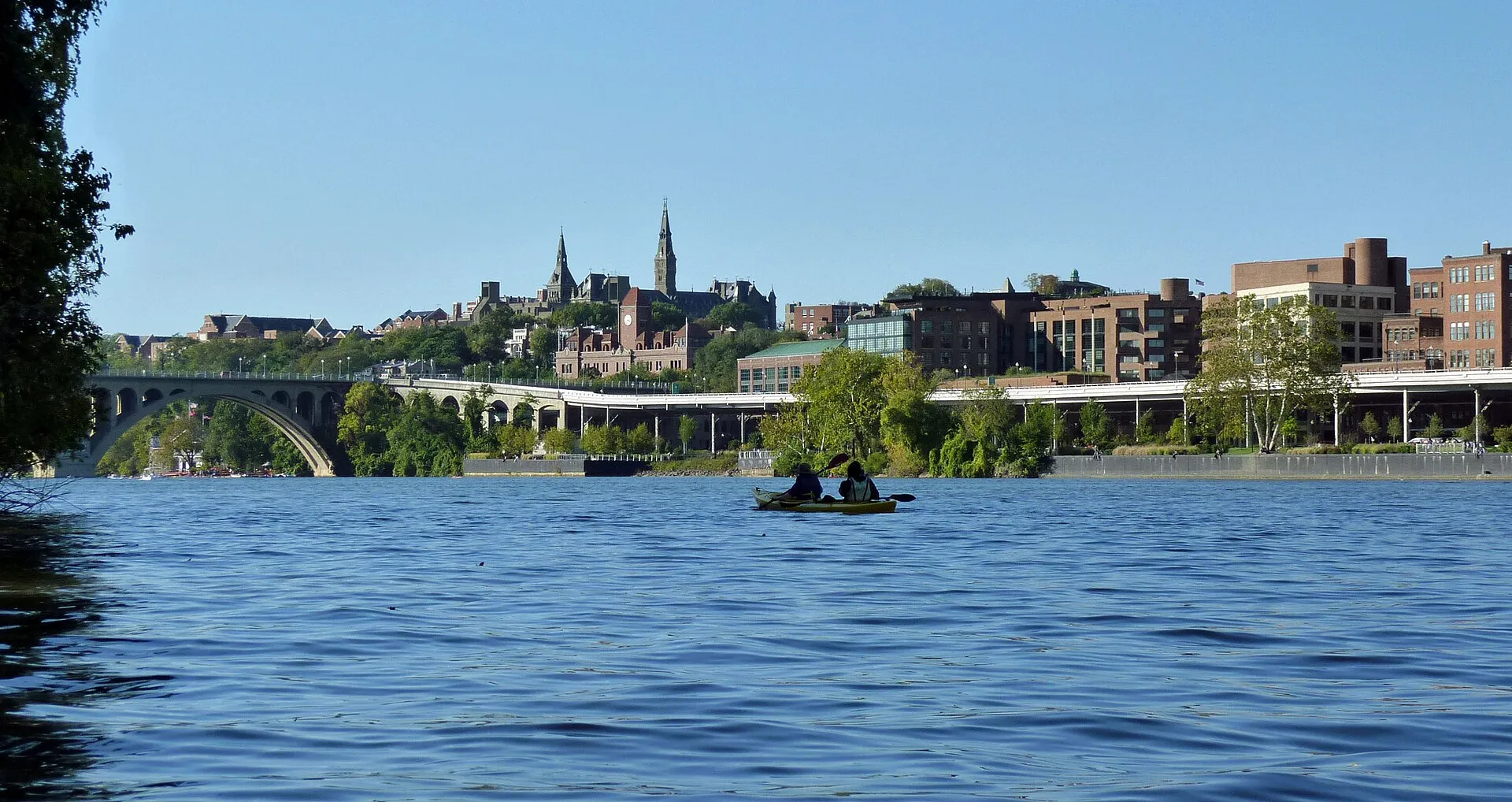
Lincoln Memorial
Marble temple to the 16th president, where a dream changed a nation
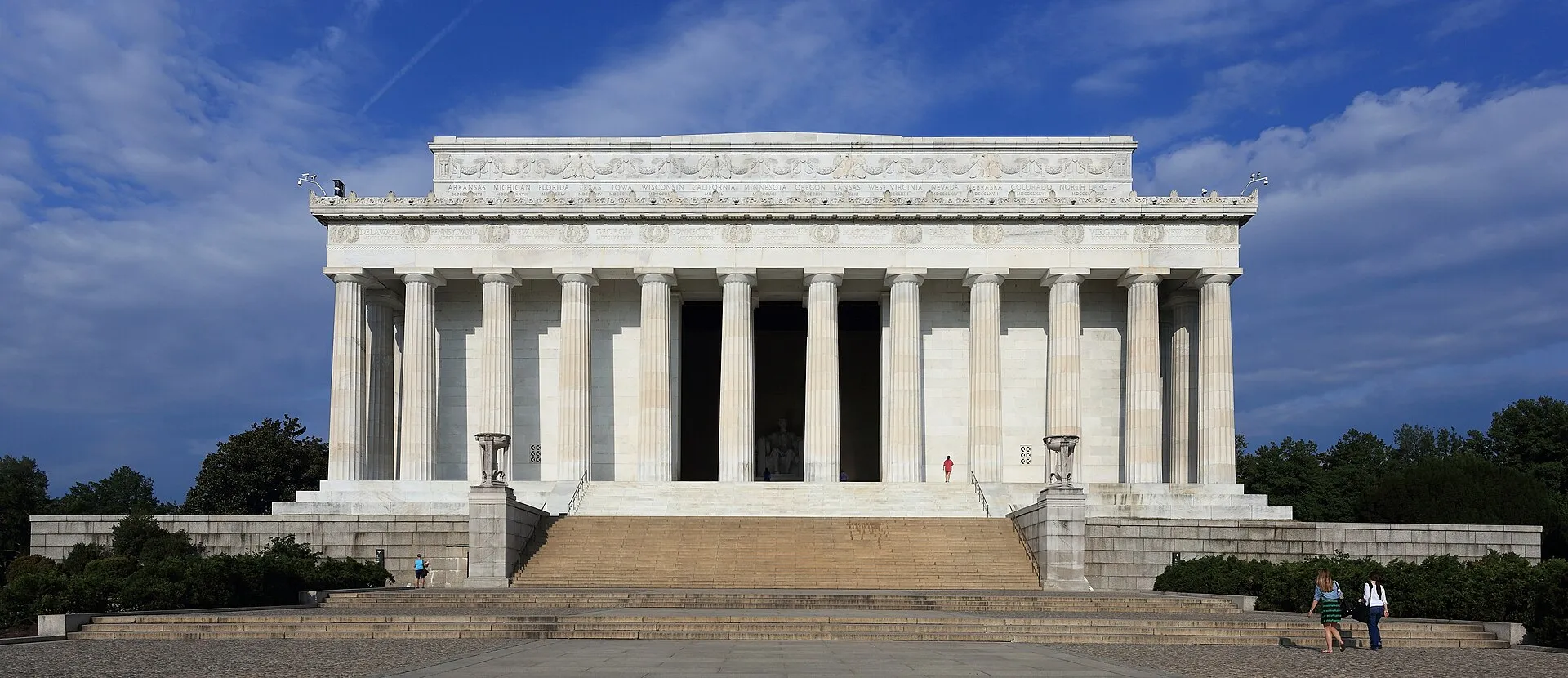
National Mall
Two miles of monuments, memorials, and open parkland at the heart of American democracy
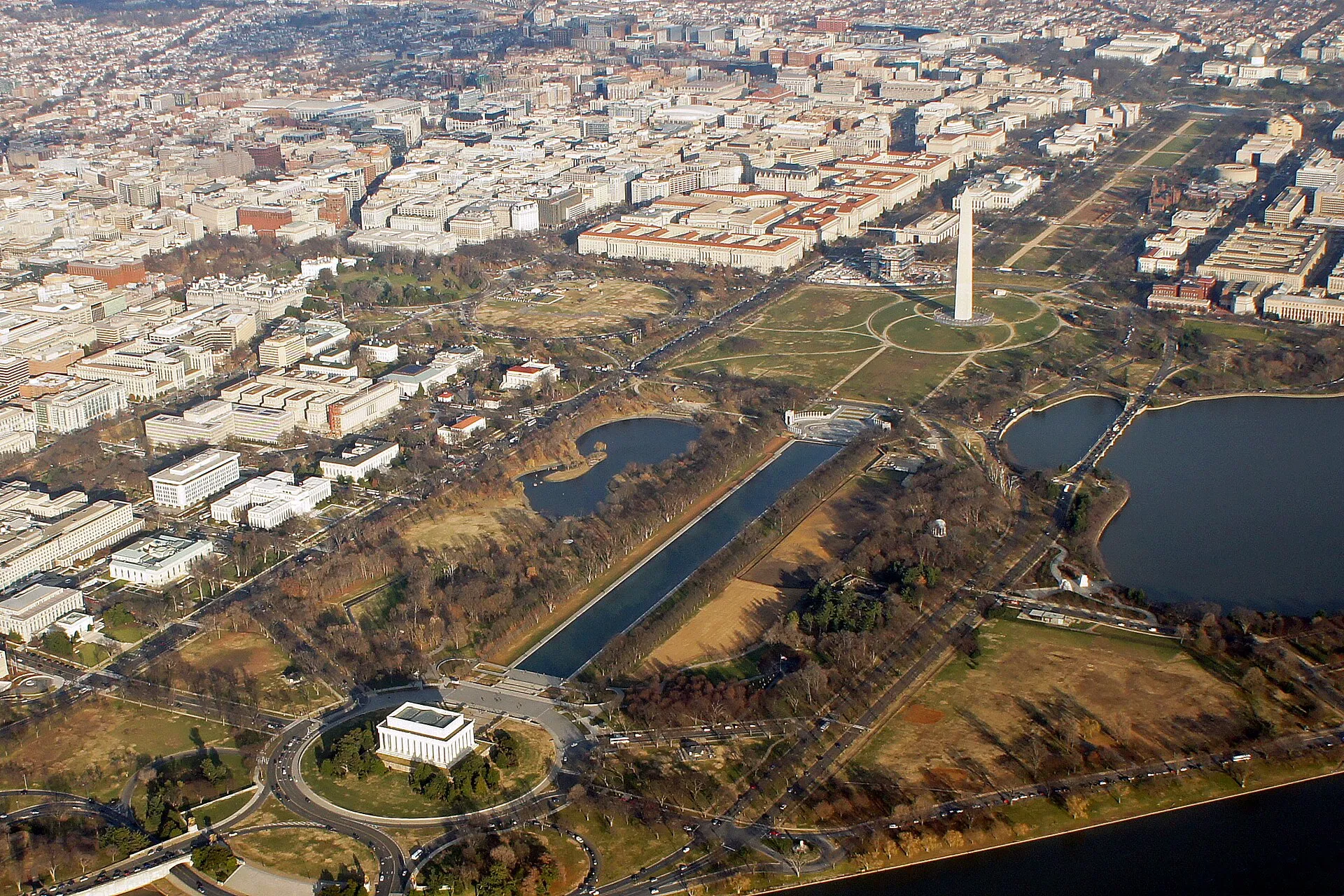
Smithsonian Museums
Seventeen free museums and the world's largest collection of knowledge under one institution
The White House
The People's House since 1800 — 132 rooms where every president from Adams onward has shaped a nation
See all 7 attractions
Guide planning
How much does a tour guide cost in Washington DC?
Washington DC attracts some of the most knowledgeable tour guides in the country, many with backgrounds in history, political science, or government service.
| Tour Type | Price | Details |
|---|---|---|
| Free Walking Tours | Tips-based | $10-20 suggested, 2-3 hours |
| Group Tours | $30-60 | Per person, 2-3 hours |
| Private Half-Day | $250-400 | Up to 6 people, 4 hours |
| Private Full-Day | $500-900 | Up to 6 people, 8 hours |
Season planner
When is the best time to visit Washington DC?
- Late March-April: Cherry blossom season transforms the Tidal Basin into a pink canopy, with the National Cherry Blossom Festival drawing over a million visitors
- September-November: Comfortable temperatures (15-25°C), thinner crowds, and brilliant fall foliage across the Mall and Georgetown
- Summer (June-August): Hot and humid (30-35°C) but alive with free outdoor concerts, Fourth of July fireworks on the National Mall, and extended museum hours
- Early mornings: Beat the crowds at the Lincoln Memorial at sunrise for an unforgettable experience with the Reflecting Pool
Spring
Mar-May
Summer
Jun-Aug
Autumn
Sep-Nov
Winter
Dec-Feb
Each score averages that season’s monthly ratings out of 5. The top-rated window is usually the peak season too, so read the guidance above for its trade-offs before you book.
On the ground
How do you get around Washington DC?
The Metro system covers six color-coded lines with stations near every major attraction, including the National Mall, Georgetown, and Arlington Cemetery. Use a SmarTrip card or tap a contactless bank card at the fare gates. The core of DC is highly walkable, with the Mall corridor from the Capitol to the Lincoln Memorial spanning about two miles on flat ground. The DC Circulator bus runs fixed routes through the National Mall area, Georgetown, and Union Station for $1 per ride.
Frequently Asked Questions
What is the capital of the United States?
Washington, D.C. is the capital of the United States. It deliberately belongs to no state: the city fills the District of Columbia, a federal district that Congress established under the Constitution in 1790 as the permanent seat of the national government, on land originally ceded by Maryland. New York City — far larger and frequently assumed to be the capital — served only as a temporary capital in the late 1780s before the government moved to its purpose-built home on the Potomac in 1800.
What is the best time to visit Washington DC?
Late March-April: Cherry blossom season transforms the Tidal Basin into a pink canopy, with the National Cherry Blossom Festival drawing over a million visitors.
How much does a tour guide cost in Washington DC?
Washington DC attracts some of the most knowledgeable tour guides in the country, many with backgrounds in history, political science, or government service. Here is how to choose wisely:
How do you get around Washington DC?
Free Walking Tours: Tips-based ($10-20 suggested, 2-3 hours). Group Tours: $30-60 (Per person, 2-3 hours). Private Half-Day: $250-400 (Up to 6 people, 4 hours).