
Charleston timeline
-
Founded as Charles Towne
Founded in 1670 as Charles Towne
-
Charleston turning point
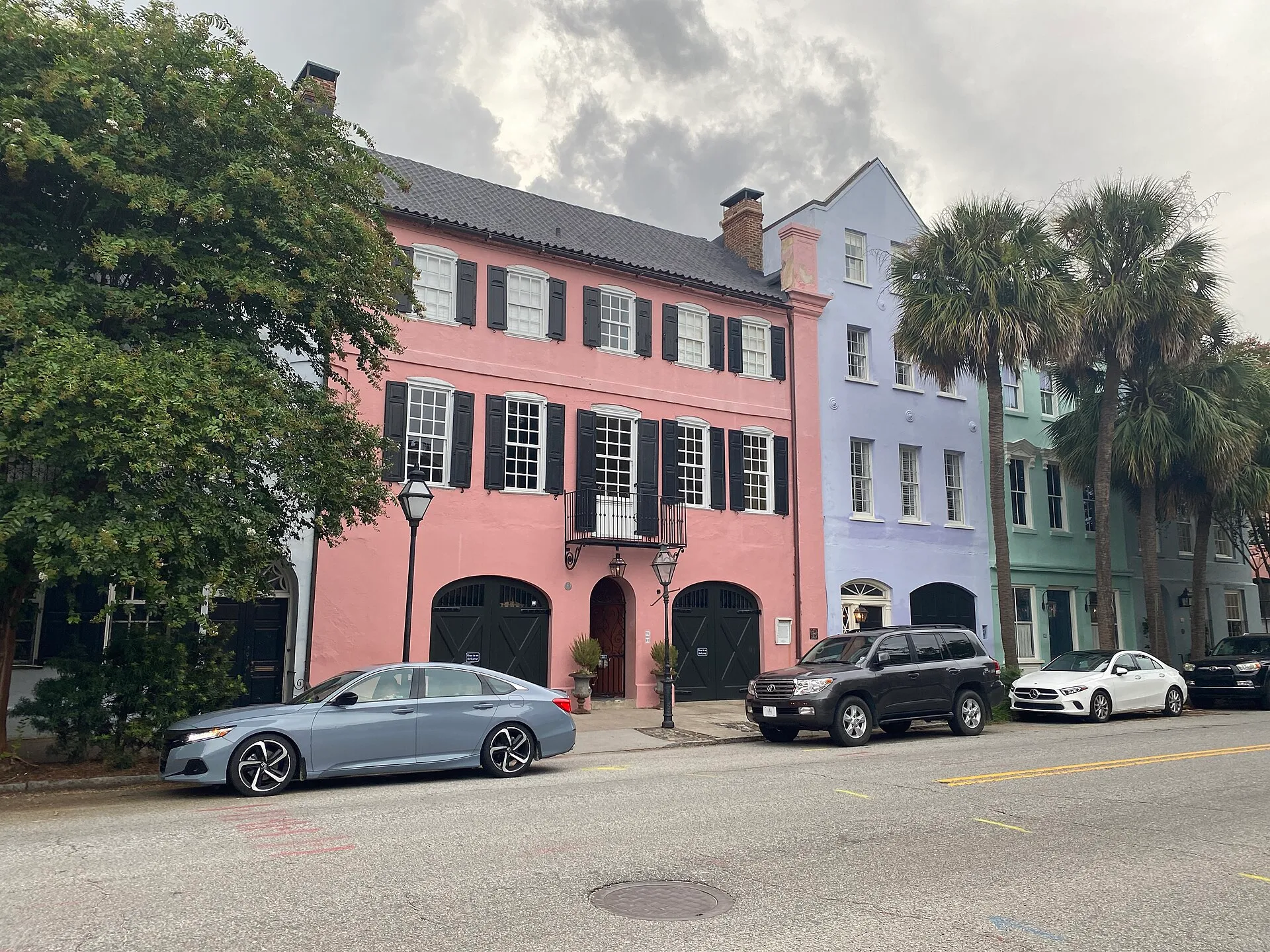
The most photographed of these are the thirteen pastel facades of Rainbow Row, while the seawall promenade at The Battery looks across the water to Fort Sumter, where.
-
Charleston turning point
Unlike Savannah, whose charm is organised around open squares, Charleston hides its beauty in narrow alleys, walled gardens glimpsed through wrought-iron gates, and.
-
Charleston begins
Founded in 1977 as the American counterpart to Italy's Festival dei Due Mondi, Spoleto fills Charleston's historic theatres and churches with opera, dance, and chamber.
Cited city facts
Key facts for visiting Charleston
7.4 million visitors annually
Charleston has grown into one of the most-visited small cities in the United States, consistently ranked among the top destinations in the world by travel publications including Condé Nast Traveler and Travel + Leisure
Founded in 1670
Charleston is one of the oldest continuously occupied cities in the United States, predating most American cities by a century and retaining more colonial-era architecture than almost any other
First historic-preservation ordinance in the US (1931)
Charleston pioneered American historic preservation when its zoning ordinance created the Old and Historic District and a Board of Architectural Review — the first in the nation — now safeguarding more than 2,800 historic structures
Nearly half of enslaved Africans entered through Charleston
More enslaved people arrived through the port of Charleston than any other entry point in North America, a history now documented at the International African American Museum on Gadsden's Wharf
Spoleto Festival USA runs 17 days each spring
Founded in 1977 as the American counterpart to Italy's Festival dei Due Mondi, Spoleto fills Charleston's historic theatres and churches with opera, dance, and chamber music from late May into June
Source: tour-guide.com — Free to cite with attribution
Things to see
What are the top attractions in Charleston?
Charleston rewards slow, deliberate exploration, and its signature experiences string together naturally along the peninsula. A good guide sequences them so the history builds rather than blurs. These are the moments worth planning your days around:
- Rainbow Row at dawn — the thirteen pastel houses on East Bay Street glow in the low eastern light before the tour groups arrive, the harbour shimmering behind them.
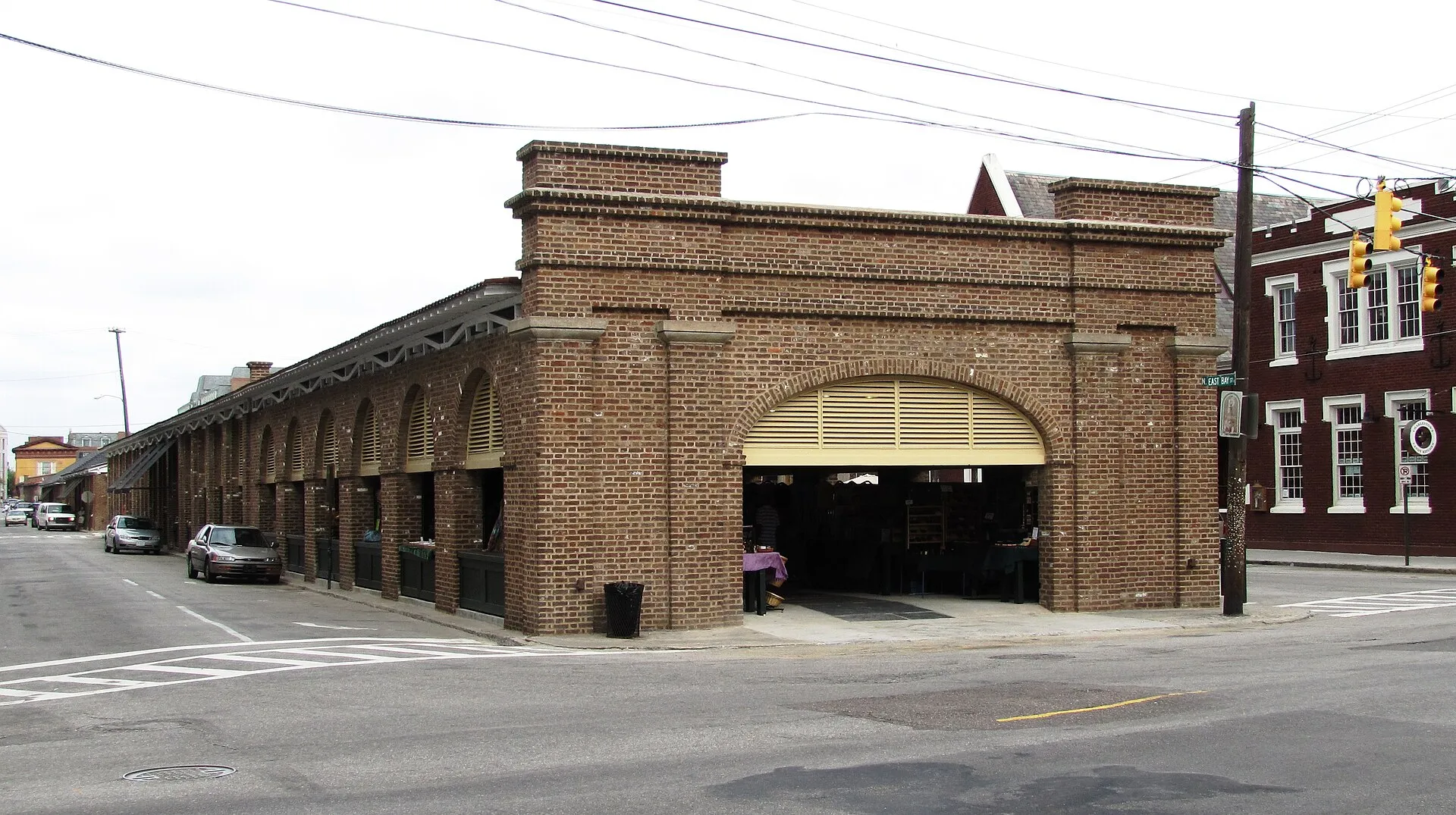
- Sweetgrass basket weaving at the City Market — watch Gullah artisans coil sweetgrass into intricate baskets using methods passed down for over three centuries.
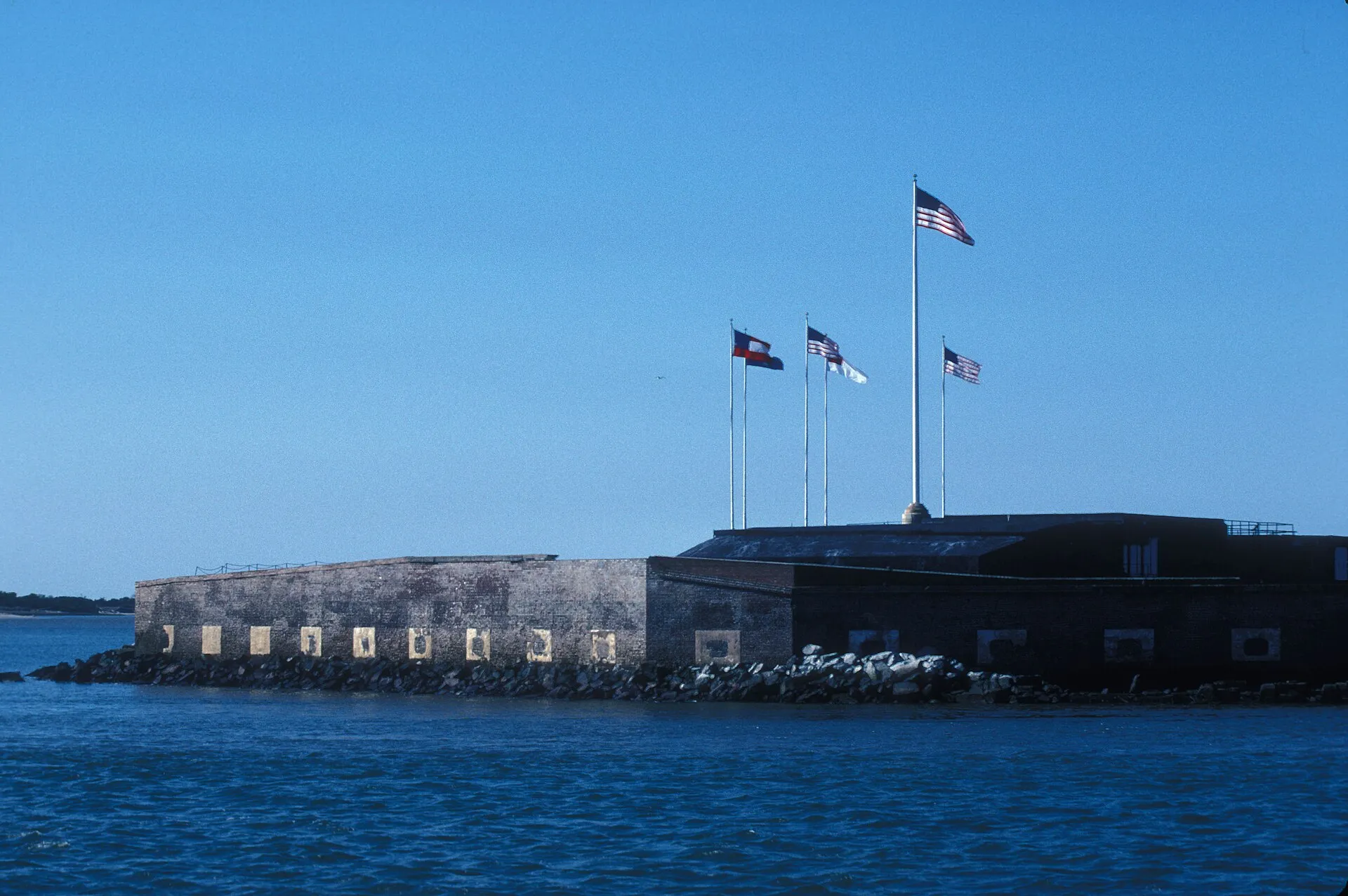
- The ferry to Fort Sumter — standing on the ramparts where the Civil War began, looking back at the skyline across the harbour, collapses the distance between past and present.
- Sunset from The Battery — the seawall frames the harbour, Fort Sumter, and some of the city's grandest mansions against the evening sky.
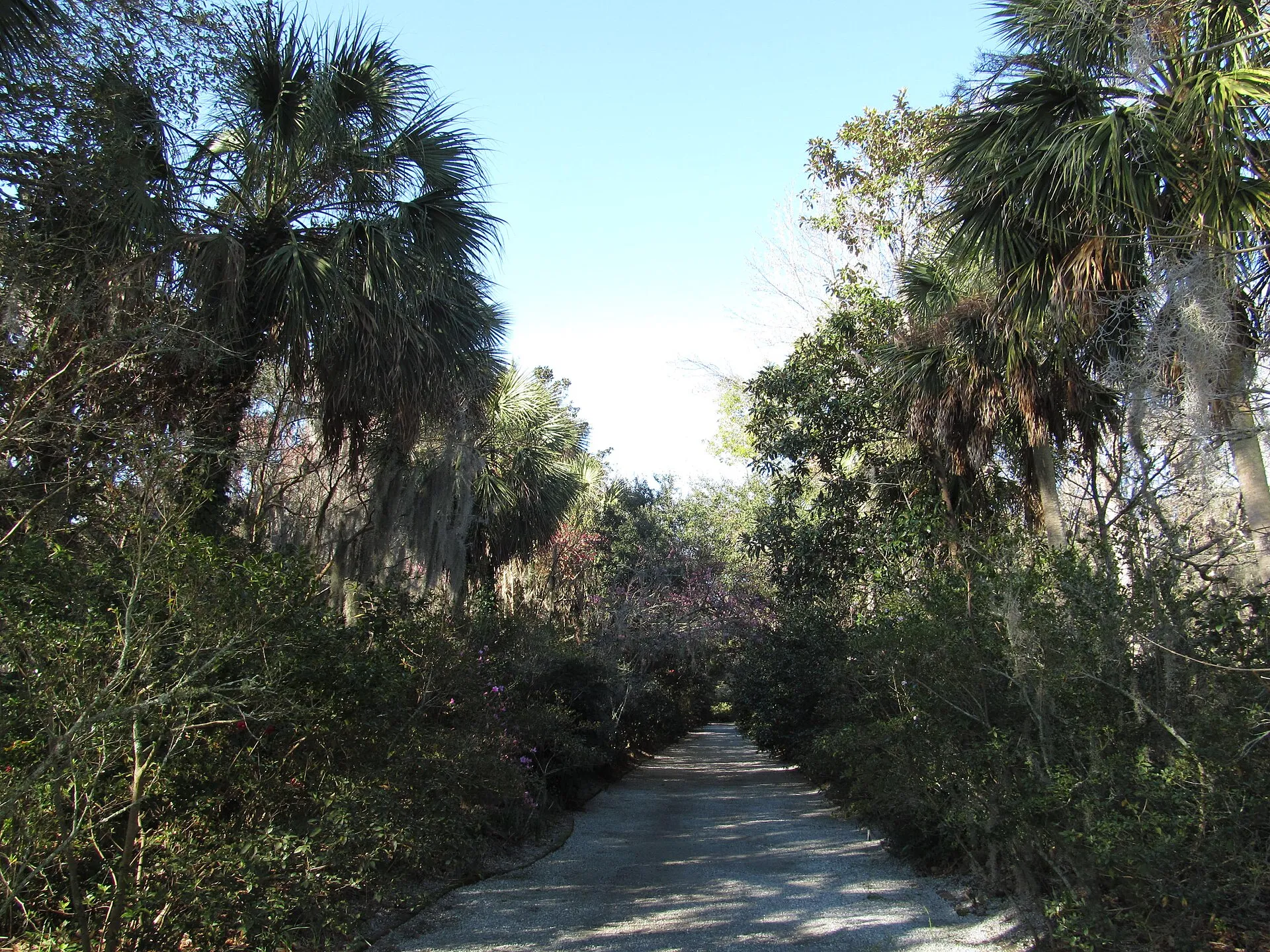
- A garden walk up the Ashley River — the romantic grounds of Magnolia Plantation have bloomed since 1676, and spring azaleas turn them into a blaze of colour.
- Gullah spirituals and Lowcountry cooking — a plate of shrimp and grits, a benne wafer, or a hymn in a historic church places the city's West African heritage front and centre.
Charleston City Market
Four blocks of living tradition where Gullah artisans coil sweetgrass beside vendors who have sold here for generations
Fort Sumter
Where the first shots of the Civil War echoed across Charleston Harbor on April 12, 1861
Magnolia Plantation and Gardens
Romantic gardens that have bloomed on the Ashley River since 1676 — America's oldest public garden
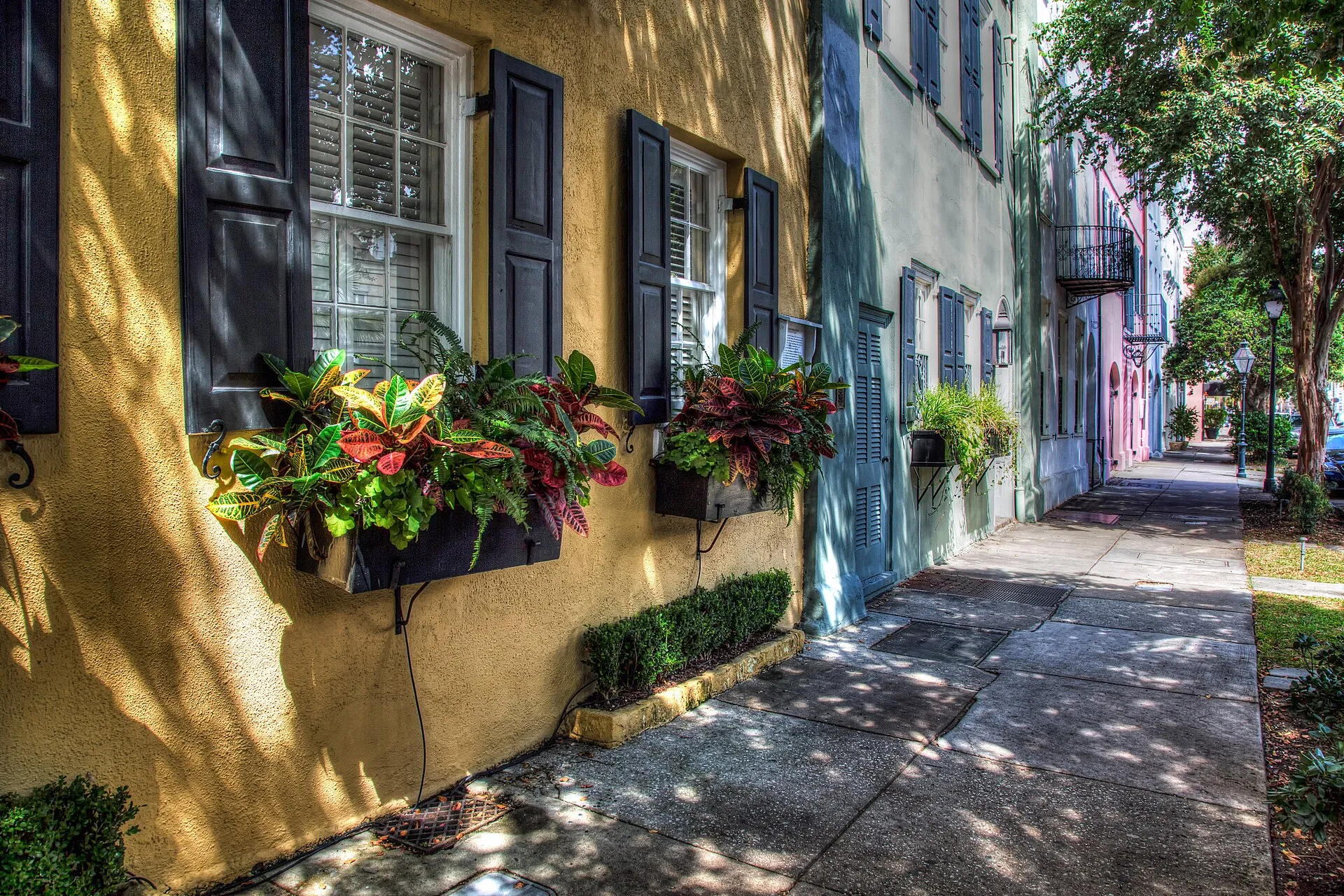
Rainbow Row
Thirteen pastel facades on East Bay Street — Charleston's most photographed stretch of colonial architecture
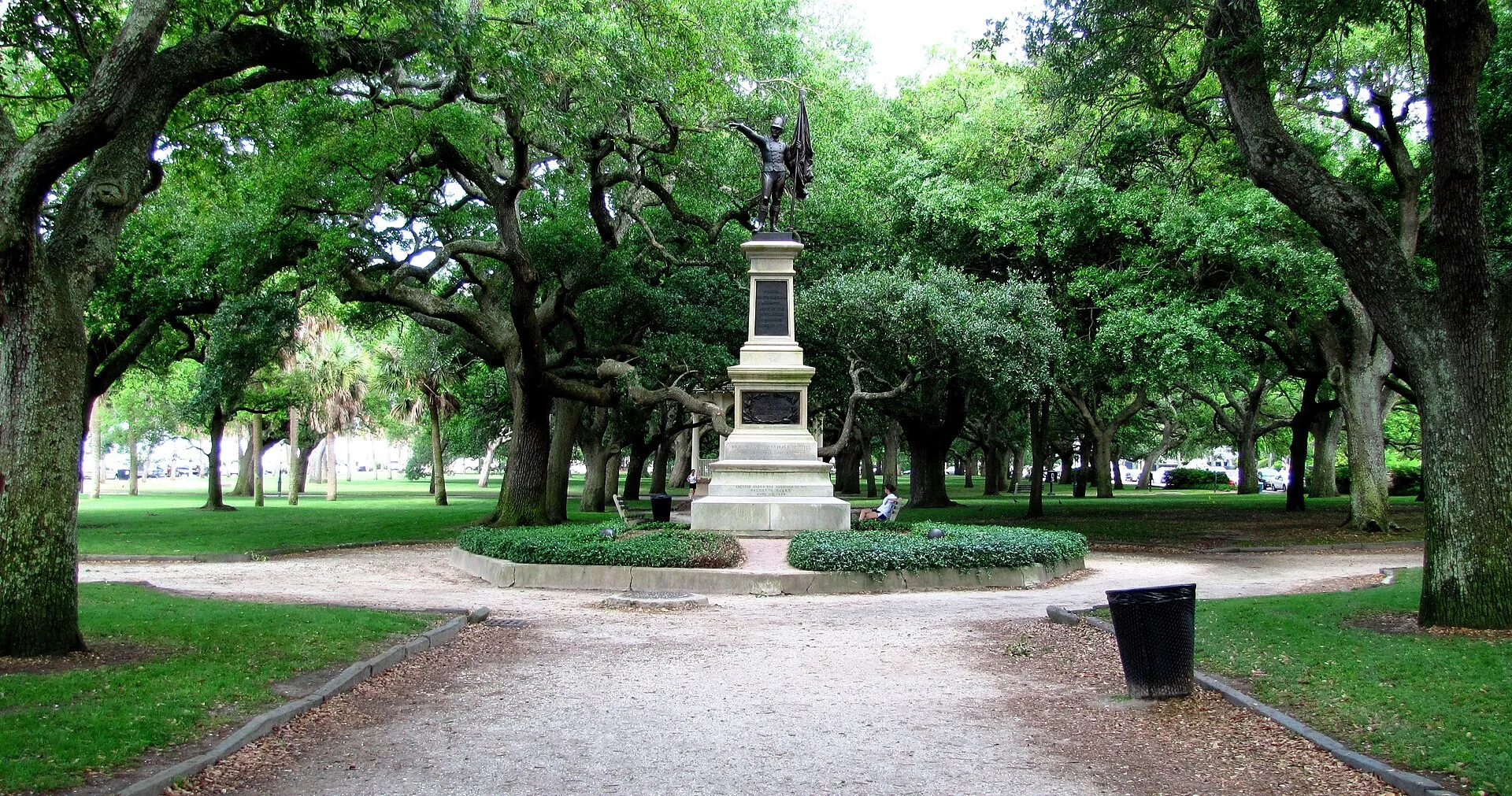
The Battery
A breezy promenade at the peninsula's tip where antebellum grandeur meets the open harbor
Guide planning
How much does a tour guide cost in Charleston?
Charleston's layered history demands guides with genuine depth. The city's story runs from colonial settlement through the slave trade, revolution, secession, earthquake, and a century of preservation, and the best guides weave those threads together rather than offering a sanitised snapshot. The barrier to entry is unusually high: licensed city guides must pass a rigorous written examination covering some 300 years of local history, architecture, and culture before they can work, so every credentialed guide meets a serious baseline of knowledge.
The specialisms worth seeking out:
- Gullah Geechee cultural specialists share firsthand knowledge of the language, basket-weaving, and foodways that connect Charleston directly to West Africa — indispensable at the City Market.
- Architecture historians decode the single house, the piazza, earthquake bolts, joggling boards, and the shift from Georgian to Federal detailing along Rainbow Row and The Battery.
- Civil War interpreters turn the Fort Sumter ferry into a coherent narrative of secession, bombardment, and the long siege that followed.
- Culinary guides connect she-crab soup, hoppin' John, and benne wafers to the specific cultural crossroads that created them.
Season planner
When is the best time to visit Charleston?
March to May is peak season: azaleas and wisteria bloom across the Historic District, the pastel facades sit at their most photogenic, and temperatures hover in the pleasant mid-70s°F (around 24°C). Late May brings Spoleto Festival USA, seventeen days of world-class opera, theatre, and dance that fill the city's stages and churches. October to November is the connoisseur's window — the summer humidity finally breaks, crowds thin, and the low autumn light turns the facades golden; many locals consider this the finest stretch of the year. December adds candlelight tours of historic homes, Church Street decorations, and the Holiday Market at Marion Square without peak-season prices.
Avoid July and August if you can: afternoon temperatures climb above 95°F (35°C) with stifling humidity, near-daily thunderstorms roll in off the harbour, and shadeless walks along The Battery or out to Fort Sumter turn genuinely uncomfortable. Hurricane season peaks from August into October, so keep an eye on forecasts if you travel in early autumn.
Spring
Mar-May
Summer
Jun-Aug
Autumn
Sep-Nov
Winter
Dec-Feb
Each score averages that season’s monthly ratings out of 5. The top-rated window is usually the peak season too, so read the guidance above for its trade-offs before you book.
On the ground
How do you get around Charleston?
Charleston's Historic District is compact and best explored on foot, though its beautiful brick and tabby sidewalks are famously uneven — wear sturdy, flat shoes. Park once and walk: the Visitor Center garage on Meeting Street runs about $2/hour (max $18/day), and the free DASH trolley loops through downtown from there. Most headline sights — Rainbow Row, The Battery, and the City Market — cost nothing to see; the ticketed exceptions are the Fort Sumter ferry ($26 adults) and the gardens at Magnolia Plantation ($22 adults), a 25-minute drive up the Ashley River.
Typical guided-tour prices:
- Group walking tour — $25–40 per person, about 2 hours in the Historic District.
- Private half-day tour — $200–375 for up to 6 people, 3–4 hours.
- Horse-drawn carriage tour — $35–55 per person, roughly 1 hour.
- Lowcountry food tour — $65–95 per person, 2.5 hours with tastings.
Tip guides 15–20% on private tours and $5–10 per person on group walks. Charleston pairs naturally with a wider Southern itinerary — Savannah lies two hours south, and the jazz and Creole cooking of New Orleans make a fitting second stop on any Deep South trip.
Frequently Asked Questions
What is the best time to visit Charleston?
March-May: Peak season with azaleas and wisteria in bloom, the Spoleto Festival USA in late May, and pleasant mid-70s temperatures. October-November: Cooler air returns, crowds thin, and fall light turns the pastel facades golden.
How much does a tour guide cost in Charleston?
Group Walking Tours: $25-40 per person, 2 hours. Private Half-Day Tour: $200-375 up to 6 people, 3-4 hours. Carriage Tour: $35-55 per person, 1 hour. Lowcountry Food Tour: $65-95 per person, 2.5 hours with tastings.
What types of tour guides are available in Charleston?
Charleston requires tour guides to pass a rigorous written exam covering 300 years of local history, architecture, and culture. Look for licensed city guides, Gullah Geechee cultural specialists, architecture historians, and culinary tour leaders.
Is Charleston a walkable city for visitors?
Yes. The Historic District on the lower peninsula is compact and flat, and most headline sights sit within a 20-minute walk of one another. Park once at the Meeting Street visitor garage and use the free DASH trolley for longer hops. The brick and tabby sidewalks are charming but uneven, so flat, sturdy shoes matter more here than in most cities.
What is Gullah Geechee culture and where can I experience it in Charleston?
The Gullah Geechee are descendants of enslaved West and Central Africans who worked the Lowcountry rice plantations and preserved a distinct creole language, cuisine, and craft tradition. In Charleston you can meet sweetgrass basket weavers at the Charleston City Market, taste benne wafers and Lowcountry dishes rooted in West African foodways, and book guides who specialise in Gullah Geechee heritage.