

Overview
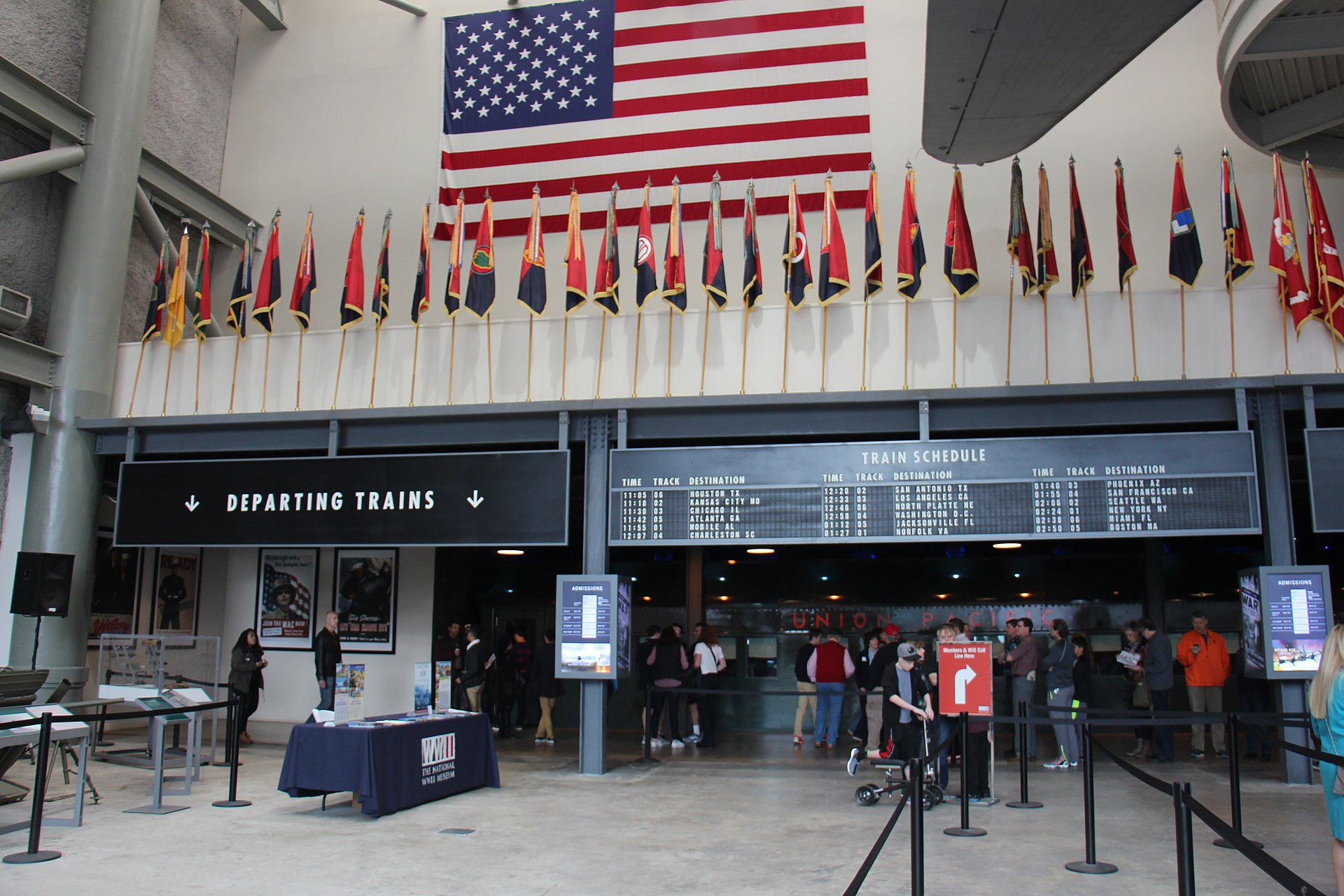
The National WWII Museum in New Orleans is not merely a collection of artifacts behind glass. It is a sprawling, emotionally overwhelming experience that has earned it the distinction of being the number-one rated attraction in the United States by multiple travel publications and visitor polls. The museum exists in New Orleans for a specific reason: historian and author Stephen Ambrose, who taught at the University of New Orleans, founded it in 2000 as the National D-Day Museum because the Higgins boats that carried Allied troops onto the beaches of Normandy were designed and manufactured right here in the city's industrial canal district. Andrew Higgins, a New Orleans boatbuilder, produced over 20,000 of these landing craft, and Dwight Eisenhower himself said that Higgins was "the man who won the war for us." Since its founding, the museum has expanded dramatically from its D-Day focus into a comprehensive telling of the entire American World War II experience, across both the European and Pacific theaters. Today it encompasses six major pavilions spread over six acres, housing more than 250,000 artifacts including tanks, aircraft, submarines, personal letters, uniforms, and weaponry. The museum's most distinctive feature is its archive of over 12,000 oral histories recorded by veterans, which play throughout the galleries and give the exhibits a human immediacy that photographs and objects alone cannot achieve. Each visitor receives a dog tag linked to the story of an actual service member, and throughout the day you scan the tag at stations to follow that person's journey through the war. It is a design choice that transforms a museum visit into something far more personal and far harder to forget than a typical walk through historical galleries.
Guided Tours
Six acres of exhibits housing over 250,000 artifacts create a museum that defeats most visitors before they complete it. Without expert guidance, people inevitably spend too long in the early European theater galleries, run out of time and energy before reaching the Pacific campaign or home-front sections, and miss critical exhibits entirely. Guides who have walked these halls hundreds of times curate the experience around your available hours and specific interests, ensuring you see the artifacts that matter most.
The content here is genuinely heavy -- combat footage, personal effects of fallen soldiers, letters written hours before deaths that would follow. Experienced guides understand emotional pacing, alternating between intense combat galleries and quieter personal stories, building in moments of reflection. Many visitors come specifically to honor relatives who served, and guides with research backgrounds help connect family stories to specific exhibits, campaigns, and oral histories within the vast collection. The Higgins boat story ties this museum specifically to New Orleans in ways most visitors do not fully appreciate, and guides explain why Eisenhower himself credited Andrew Higgins as "the man who won the war."
Collections Highlights
Louisiana Memorial Pavilion: The original building houses a restored LCVP Higgins boat, the craft that made D-Day possible. Standing next to one helps you understand the terror of riding through open water toward a fortified beach. Beyond All Boundaries: Tom Hanks narrates this 4D experience that uses stadium seating, overhead snow, vibrating floors, and surround sound to place you inside the war's pivotal moments. Worth the additional ticket price. US Freedom Pavilion: A cavernous hangar housing a B-17 Flying Fortress, a B-25 Mitchell, a Supermarine Spitfire, a P-51 Mustang, and other restored aircraft suspended from the ceiling and displayed at eye level. Dog tag experience: Upon entry, each visitor receives a replica dog tag encoded with a real service member's identity. Scanning it at stations throughout the museum reveals that person's wartime journey, making the experience deeply personal. Oral history stations: Throughout the galleries, touchscreens play recorded interviews with veterans describing their experiences in their own words. These unfiltered testimonies are the museum's most powerful resource. Road to Berlin / Road to Tokyo: Twin immersive galleries that walk visitors through the European and Pacific campaigns chronologically, with full-scale recreations of battle environments. The Home Front gallery: Often overlooked by visitors focused on combat, this section explores rationing, women in factories, Japanese American internment, and the social transformations that reshaped civilian America
When to Visit
General hours: Open daily 9:00 AM to 5:00 PM, with last admission at 4:00 PM. Closed: Mardi Gras Day, Thanksgiving, Christmas Eve, and Christmas Day. Best strategy: Arrive right at 9:00 AM opening. The museum is vast enough that early arrivals can explore the most popular galleries before midday crowds arrive. Weekday advantage: Tuesday through Thursday sees the lightest attendance, especially during the school year. Weekend mornings and holidays bring the heaviest traffic. Time commitment: Plan a minimum of 4 hours for a thorough visit. Many visitors, particularly those with family connections to the war, spend 6-8 hours across the pavilions
Admission and Costs
Six acres of exhibits housing over 250,000 artifacts create a museum that defeats most visitors before they complete it. Without expert guidance, people inevitably spend too long in the early European theater galleries, run out of time and energy before reaching the Pacific campaign or home-front sections, and miss critical exhibits entirely because they did not know what to prioritize. Guides who have walked these halls hundreds of times curate the experience around your available hours and specific interests, ensuring you see the artifacts that matter most while maintaining the stamina needed for a museum of this emotional and physical scale.
The content here is genuinely heavy -- combat footage, personal effects of fallen soldiers, letters written hours before deaths that would follow. Experienced guides understand emotional pacing in ways that exhibit designers alone cannot address. They alternate between intense combat galleries and quieter personal stories, building in moments of reflection that prevent the numbness which diminishes the experience when visitors push through without breaks. Many visitors come specifically to honor relatives who served, and guides with research backgrounds help connect family stories to specific exhibits, campaigns, and oral histories within the vast collection. Finding your grandfather's division mentioned in a caption or locating oral testimony from someone who served in the same unit transforms a museum visit into something deeply personal.
Military terminology and strategy pervade the exhibits in ways that assume visitor familiarity. The difference between a division and a regiment, why the Battle of the Bulge represented such a critical turning point, how naval operations in the Pacific differed fundamentally from the European land war -- these contexts remain invisible without explanation, leaving civilians to appreciate only the scale rather than the meaning of what they see. The Higgins boat story ties this museum specifically to New Orleans in ways most visitors do not fully appreciate. Andrew Higgins, a local boatbuilder, designed and manufactured the landing craft that made D-Day possible right here in the city's industrial canal district. Guides explain why Eisenhower himself credited Higgins as the man who won the war, and why this museum belongs in New Orleans rather than Washington or anywhere else. The proximity to the Garden District means visitors can pair an emotionally intense morning at the museum with a contemplative afternoon walking beneath the live oaks, processing what they have seen in the peace of antebellum architecture.
Tips for Visitors
Allow more time than you think: Nearly everyone underestimates how long this museum takes. Four hours is a reasonable minimum; six hours allows a comprehensive visit without rushing. Eat at the American Sector restaurant: The museum's on-site restaurant serves 1940s-inspired American cuisine in a period-themed dining room. It is a good lunch break that keeps you within the museum's atmosphere. Bring tissues: The oral history stations and certain personal exhibits (letters home, last effects, Gold Star Mother tributes) are genuinely moving. Visitors regularly find themselves in tears, and that is by design. Accessible throughout: The museum is fully wheelchair accessible with elevators in every pavilion. Audio description and assistive listening devices are available at the front desk. Photography permitted: Still photography without flash is allowed in most galleries. Some special exhibitions and the cinema experiences restrict cameras. Pair with the Garden District: The museum sits in the Warehouse District, a 15-minute walk from the Garden District's oak-lined mansions. Combining both makes a full day exploring the Uptown side of New Orleans. Gift shop: One of the best museum shops in the country, with an extensive book section, reproduction items, and proceeds supporting the museum's educational mission. Located at the exit so you do not need to carry purchases through galleries