
Adventure & Geography
🇵🇪 Tour Guides in Peru
Inca citadels, Amazonian wilderness, and one of the world's great culinary traditions
Why should you explore Peru?
Peru compresses an astonishing range of landscapes and civilizations into a single country: the bone-dry coastal desert where Lima sprawls along Pacific cliffs, the soaring Andes where Cusco sits at 3,400 meters amid the ruins of the Inca empire, and the western Amazon basin where Iquitos — reachable only by river or air — serves as the gateway to one of Earth's most biodiverse ecosystems. Around 4.4 million international visitors arrive each year, drawn overwhelmingly by Machu Picchu, but those who linger discover a country whose depth far exceeds its most famous postcard.
Spanish is the official language alongside Quechua and Aymara, and English proficiency outside Lima's tourist district drops steeply. An English-speaking guide is not a luxury here — it is the difference between watching stonework and understanding how the Inca moved 100-tonne blocks without the wheel, between tasting ceviche and learning why Lima's restaurant scene now rivals any in the world, and between floating past the Uros islands on Lake Titicaca and grasping the centuries-old traditions that sustain them.
Where should you go in Peru?
The Coast
Lima straddles the Pacific cliffs with a gastronomic scene that has reshaped how the world thinks about South American cooking, its colonial plazas standing just blocks from pre-Inca pyramids that most visitors never suspect are there.
The Highlands
High in the Andes, Cusco was once the navel of the Inca Empire and remains the staging ground for Machu Picchu, the megalithic terraces of Sacsayhuamán, and the farming communities of the Sacred Valley. Arequipa glows white beneath its volcanic stone facades, sheltering the labyrinthine Santa Catalina Monastery and offering the departure point for Colca Canyon, where Andean condors ride thermals above one of the deepest gorges on Earth. Puno sits at the edge of Lake Titicaca, where families on handwoven floating islands maintain textile traditions stretching back generations.
The Amazon
At the opposite extreme, Iquitos — reachable only by air or river — opens the door to Amazon river cruises and the vast wetlands of Pacaya-Samiria, where pink dolphins surface alongside dugout canoes.
🏛️ Arequipa
The White City — volcanic stone elegance beneath three snowcapped peaks
🏔️ Cusco
The navel of the Inca world — stone-carved streets, highland markets, and the road to Machu Picchu
🌿 Iquitos
The world's largest city unreachable by road — your gateway to the Peruvian Amazon
🏙️ Lima
South America's gastronomic capital, where pre-Inca pyramids hide between skyscrapers
🌊 Puno
Folklore capital of Peru, perched on the shores of the world's highest navigable lake
What should you know before visiting Peru?
Finding a Guide
- DIRCETUR-certified guides — Peru's regional tourism directorates license professional guides; at major sites like Machu Picchu, only DIRCETUR-certified guides may lead groups; always verify credentials
- Community-owned tourism cooperatives — organizations on Taquile Island and in the Sacred Valley run cooperatives where locals guide visitors through their own heritage
- Licensed trek operators — multi-day treks to Machu Picchu (Inca Trail, Salkantay, Lares) require licensed operators; book months ahead as the Inca Trail caps daily permits at 500 including porters and guides
- Culinary guides — Lima's food scene has spawned a generation of specialist culinary guides offering market tours, ceviche workshops, and restaurant crawls through Barranco and Miraflores
Typical Costs
| Tour Type | Price Range |
|---|---|
| Group walking tour | S/30–80 (~$8–22) per person |
| Private half-day guide | S/150–350 (~$40–95) |
| Private full-day guide | S/300–600 (~$80–160) |
| Machu Picchu licensed guide (2 hrs) | S/150–250 (~$40–68) |
| 4-day Inca Trail package (permits, meals, camping) | S/1,500–3,500 (~$400–950) |
Must-See Experiences
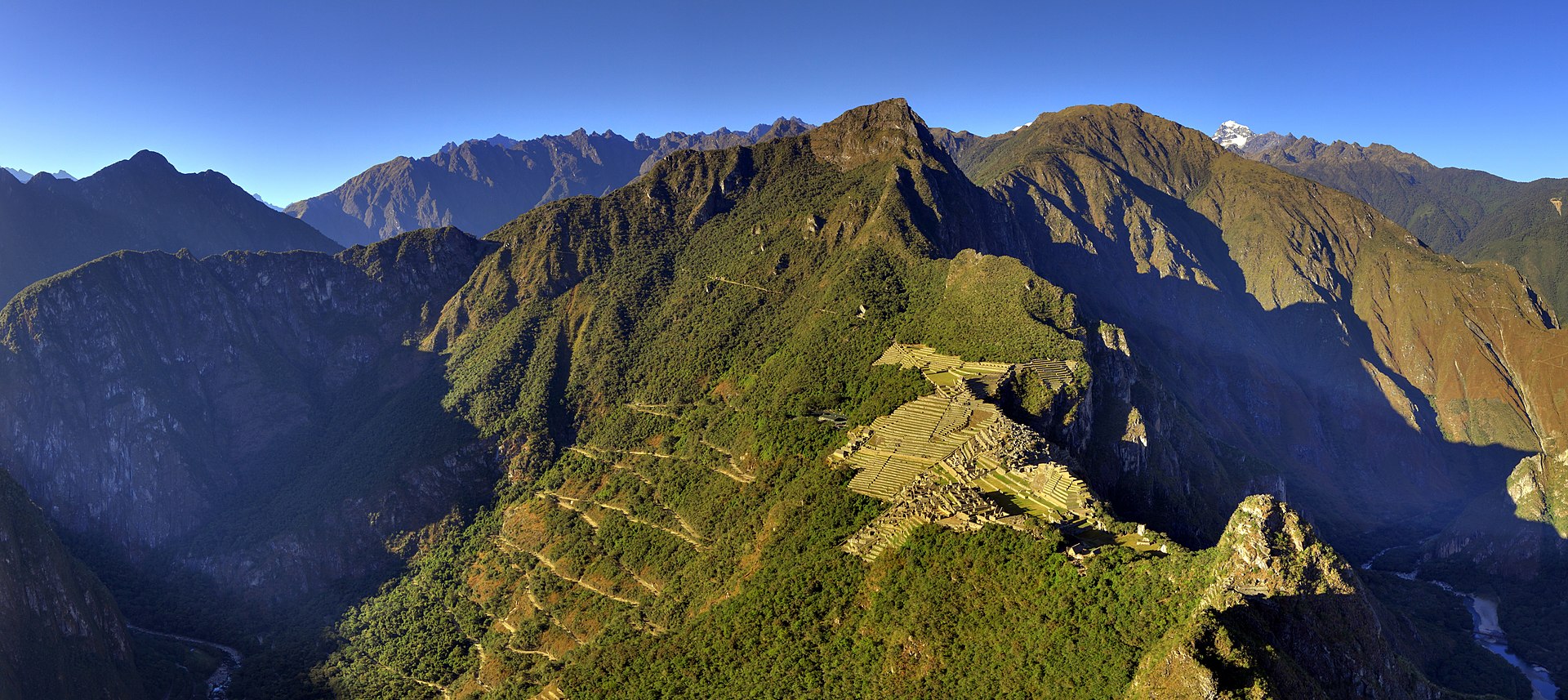
- Machu Picchu — the 15th-century Inca citadel in the clouds, one of the New Seven Wonders of the World
- Sacsayhuamán — megalithic Inca fortress walls with stones weighing over 100 tonnes, fitted without mortar
- Lake Titicaca — the world's highest navigable lake, straddling Peru and Bolivia at 3,812 meters
- Colca Canyon — twice as deep as the Grand Canyon, home to soaring Andean condors
- Amazon River Cruises — multi-day journeys through the world's largest tropical rainforest from Iquitos
- Larco Museum — pre-Columbian art spanning 5,000 years in a beautifully restored 18th-century mansion
- Santa Catalina Monastery — a walled citadel-within-a-city, painted in vivid terracotta and indigo
- Uros Floating Islands — handwoven reed islands on Lake Titicaca, inhabited for centuries
Tips for Visitors
- Altitude sickness is real — Cusco sits at 3,400 meters and Puno at 3,830 meters; spend your first day resting, drink coca tea, stay hydrated, and avoid alcohol until you acclimatize
- Lima first — many travelers fly into Lima at sea level, giving the body time to adjust before ascending to the highlands
- Dry vs. wet season — May through October is dry season in the Andes and Amazon, ideal for trekking and wildlife; December through March brings heavy rain that can close trails and flood jungle paths
- Boleto Turístico — Cusco's tourist ticket (S/130) bundles entry to 16 archaeological sites and museums; essential for anyone spending more than a day in the region
- Cash is king outside Lima — carry soles in small denominations for markets, transport, and rural areas; ATMs exist in cities but charge withdrawal fees
- Food safety — Lima's tap water is not potable; drink bottled or boiled; street ceviche in Lima is generally safe, but in smaller towns, eat at busy stalls with high turnover
- Tipping etiquette — 10% at restaurants if service isn't included, S/10–20 per day for guides, S/5–10 per day for porters on treks
- Don't skip the food — Peru has been named the World's Leading Culinary Destination repeatedly at the World Travel Awards; book a food tour in Lima early, they sell out
- Pricing note — Peru is one of South America's best-value destinations; the Peruvian sol (S/) trades at roughly 0.27 USD; entrance fees to major ruins are separate (Machu Picchu alone runs S/152 for foreign adults)
When is the best time to visit Peru?
Frequently Asked Questions
What is the best time of year to visit Peru?
May through October is dry season in the Andes and Amazon, ideal for trekking and wildlife. December through March brings heavy rain that can close the Inca Trail and flood jungle paths. Lima's coastal weather is the reverse — overcast from June to November but sunny and warm from December to April.
How much does a private tour guide cost in Peru?
Peru is one of the most affordable countries in the Americas for guided touring. Group walks through Cusco's Inca streets or Lima's colonial plazas cost S/30–80 ($8–22) per person, and private half-day guides charge S/150–350 ($40–95). Note that Machu Picchu requires a separate licensed guide, which is included in most trek packages.
Do I need to speak the local language to travel in Peru?
Spanish is the official language alongside Quechua and Aymara, and English proficiency outside Lima's tourist district drops steeply.