
Walking Routes
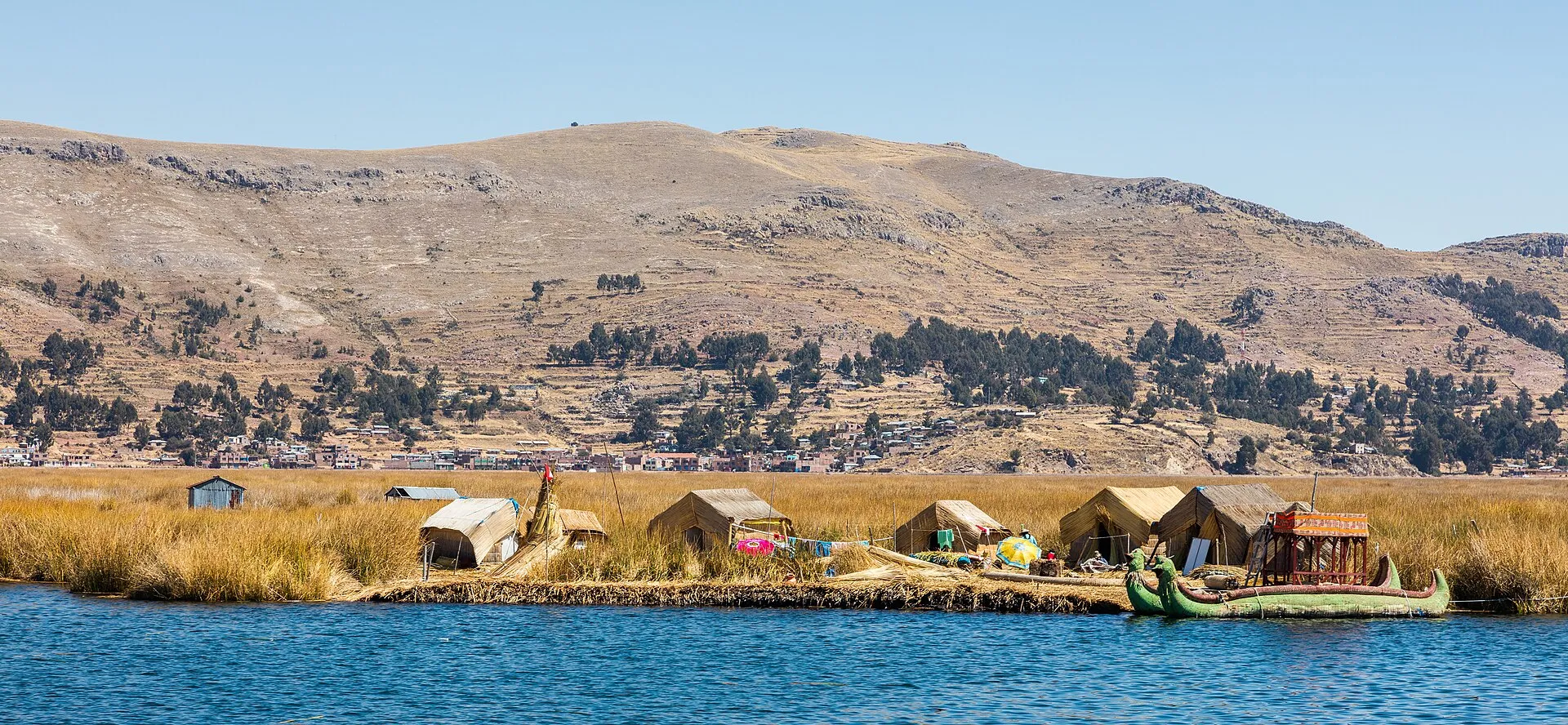
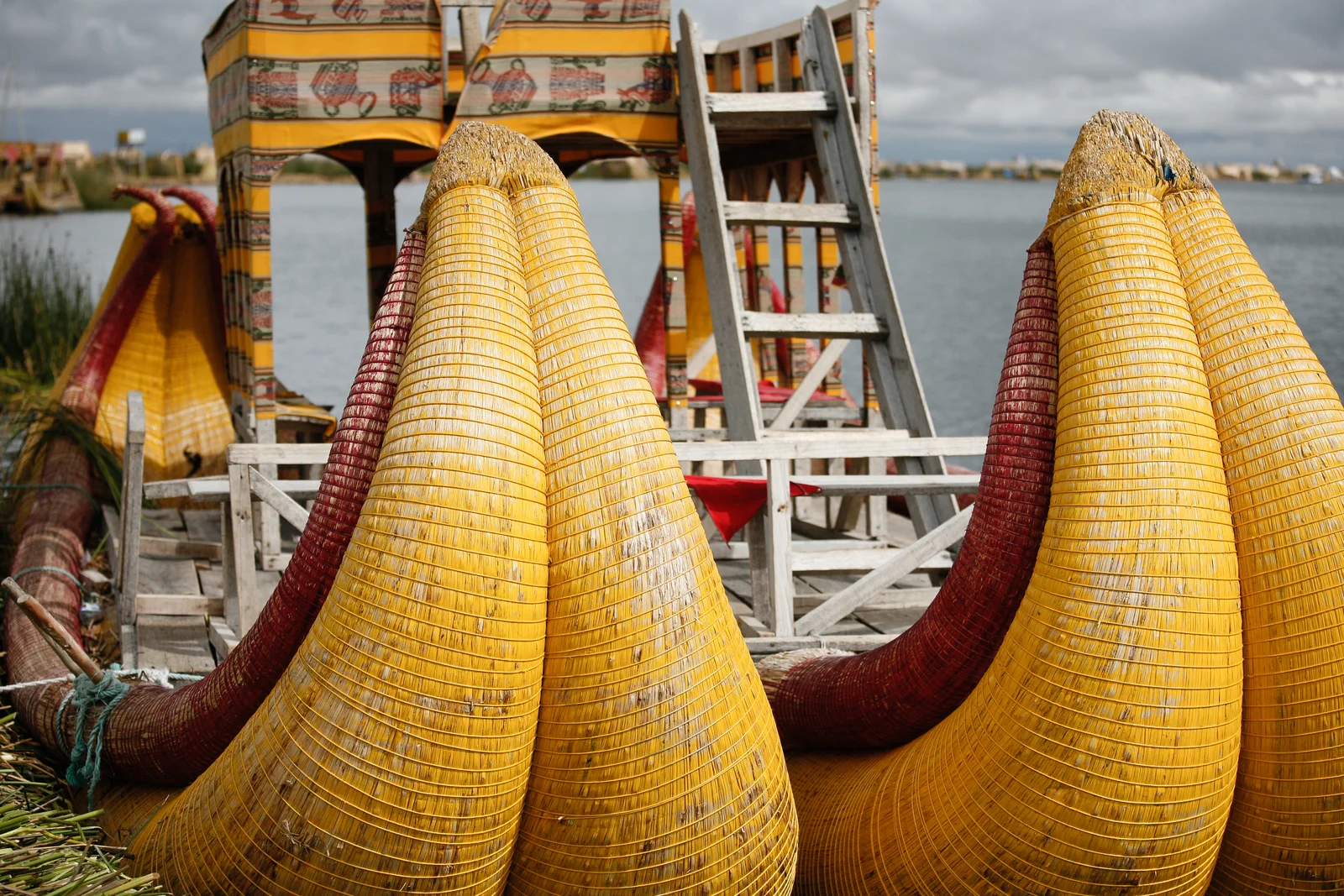
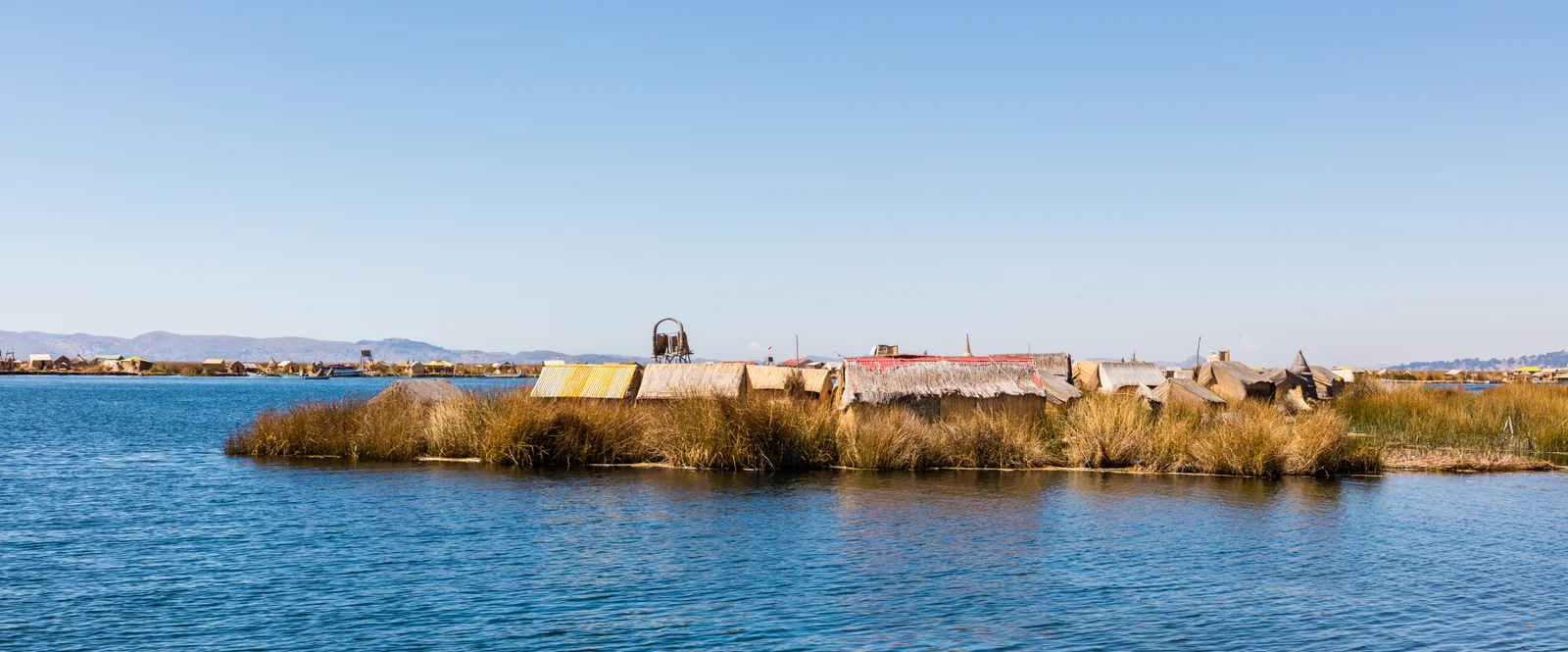
The floating village is less a single island than a scattered archipelago of roughly 70 small platforms, and a good visit strings several of them together on foot and by reed boat. Most tours land on a "welcome" island, where you step off the boat onto spongy totora and gather for the reed-stacking demonstration before setting out. From there the natural loop is to cross the island's soft mat toward the reed watchtower, climbing it for a panorama across the Lake Titicaca channels, then descend to the mooring where a dragon-headed balsa de totora waits. The short cruise to a neighboring island is the walk's centerpiece — the islands sit only a few hundred meters apart, linked by open water rather than paths. On the second island, follow the perimeter loop past the reed houses, the communal cooking area, and the small handicraft displays before circling back to the shaded gathering space. Ask your guide to route you to a quieter outer island, a longer boat leg from Puno, where the loop feels less rehearsed and you can walk the full length of the platform. Underfoot the ground compresses and tilts, so pace yourself, keep to the thicker central mat, and stay clear of the soft edges where the reeds meet the lake. The entire circuit — two or three islands with boat legs between — takes about 1.5 to 2 hours at an easy pace.
Local Life
Life on the Uros islands still turns on the rhythms of the lake. Families rise early to check nets set overnight for carachi and other small Lake Titicaca fish, and to hunt for eggs and birds among the reed beds — the totora itself is food as well as building material, its white base peeled and eaten fresh. Every couple of weeks the community lays new bundles of reed over the platform as the underlayers rot away, a shared chore that keeps the ground firm and the settlement alive. The women are the visible face of daily culture, weaving brightly colored tapestries and embroidered cloth on the doorstep between household tasks, while children paddle miniature reed boats and, on many islands, head off to a floating schoolhouse or a mainland school by boat. There are no cafes in the conventional sense; hospitality happens inside the reed homes, where families may offer mate de coca or muña tea and grilled trout to visitors who linger. Solar panels now power radios and lights, and satellite dishes bring television to platforms that bob gently through the night, a quiet blending of old and new. The daily pulse is unhurried and communal — cooking over clay-based stoves, mending boats, tending reeds — and it is best felt on the outer islands, where the day continues around you rather than pausing for the camera.
Uros Floating Islands in Pictures
When to Visit
Boat departures from Puno: Typically 7-8 AM; the islands are a 30-40 minute boat ride from the port. Visit duration: 1.5-2 hours on a half-day tour; longer with lunch or a traditional reed boat ride. Best: Morning light for photography; arrive with the first boats to beat the mid-morning crowd. Combine with Taquile: Full-day tours visit both — the Uros first, then continue to Taquile.
Admission and Costs
Community entry fee: S/10 ($2.70) per visitor, paid directly to the island community. Group half-day tour: S/30-60 ($8-16) per person including boat transport. Traditional reed boat ride: S/10-20 ($2.70-5.40) for a short cruise between islands. Private boat + guide: S/150-300 ($40-80) for a visit to quieter outer islands with more authentic interactions.
Tips for Visitors
Choose a good guide: Mass-market tours rush you through the closest islands for a rehearsed demonstration — seek operators who visit outer islands where daily life is less performative. Buy directly from artisans: Purchasing crafts on the islands supports the community directly — prices are fair and negotiation is gentle. Dress warmly: The boat ride across the lake is cold and windy, even on sunny days — bring a windproof layer and hat. Combine with Taquile Island: The full-day Uros + Taquile combination offers the most complete Lake Titicaca experience. Respectful photography: Ask before photographing residents, especially children — most people are happy but appreciate the courtesy. Don't jump: The reed ground is soft but the islands can tilt — walk carefully, especially near the edges.
Frequently Asked Questions
When is the best season to visit the Uros Floating Islands?
May is the highest-rated month, marking the start of the dry season when Lake Titicaca's waters are calm, skies are brilliantly clear at altitude, and the totora reed islands are freshly maintained after the rains. April through October generally offers reliable conditions for the boat crossing from Puno. December through February brings the rainy season, with rough lake conditions that can make the 30-minute boat ride uncomfortable, and occasional storms that cancel departures entirely.
What are the public access hours for Uros Floating Islands?
Boat departures from Puno: Typically 7-8 AM; the islands are a 30-40 minute boat ride from the port. Visit duration: 1.5-2 hours on a half-day tour; longer with lunch or a traditional reed boat ride.
What does a visit to Uros Floating Islands cost?
Community entry fee: S/10 ($2.70) per visitor, paid directly to the island community. Group half-day tour: S/30-60 ($8-16) per person including boat transport. Traditional reed boat ride: S/10-20 (~$2.70-5.40) for a short cruise between islands.
What is the best way to experience Uros Floating Islands?
Choose a good guide: Mass-market tours rush you through the closest islands for a rehearsed demonstration — seek operators who visit outer islands where daily life is less performative.