
Puno timeline
-
UNESCO World Heritage listing
Held each February in Puno, it is one of the largest folkloric celebrations in South America, featuring more than 200 dance troupes and brass bands, and was itself.
-
UNESCO World Heritage listing
Men on Taquile Island knit intricate chullo caps that encode marital status and social standing, a tradition inscribed on UNESCO's Representative List in 2008 after a.
-
UNESCO World Heritage listing
Men on Taquile Island knit intricate chullo caps that encode marital status and social standing, a tradition inscribed on UNESCO's Representative List in 2008 after a.
-
UNESCO World Heritage listing
Held each February in Puno, it is one of the largest folkloric celebrations in South America, featuring more than 200 dance troupes and brass bands, and was itself.
Cited city facts
Key facts for visiting Puno
Lake Titicaca sits at 3,812 meters above sea level
The world's highest navigable lake covers 8,372 square kilometers, shared between Peru and Bolivia, and reaches a maximum depth of 281 meters near Isla Soto
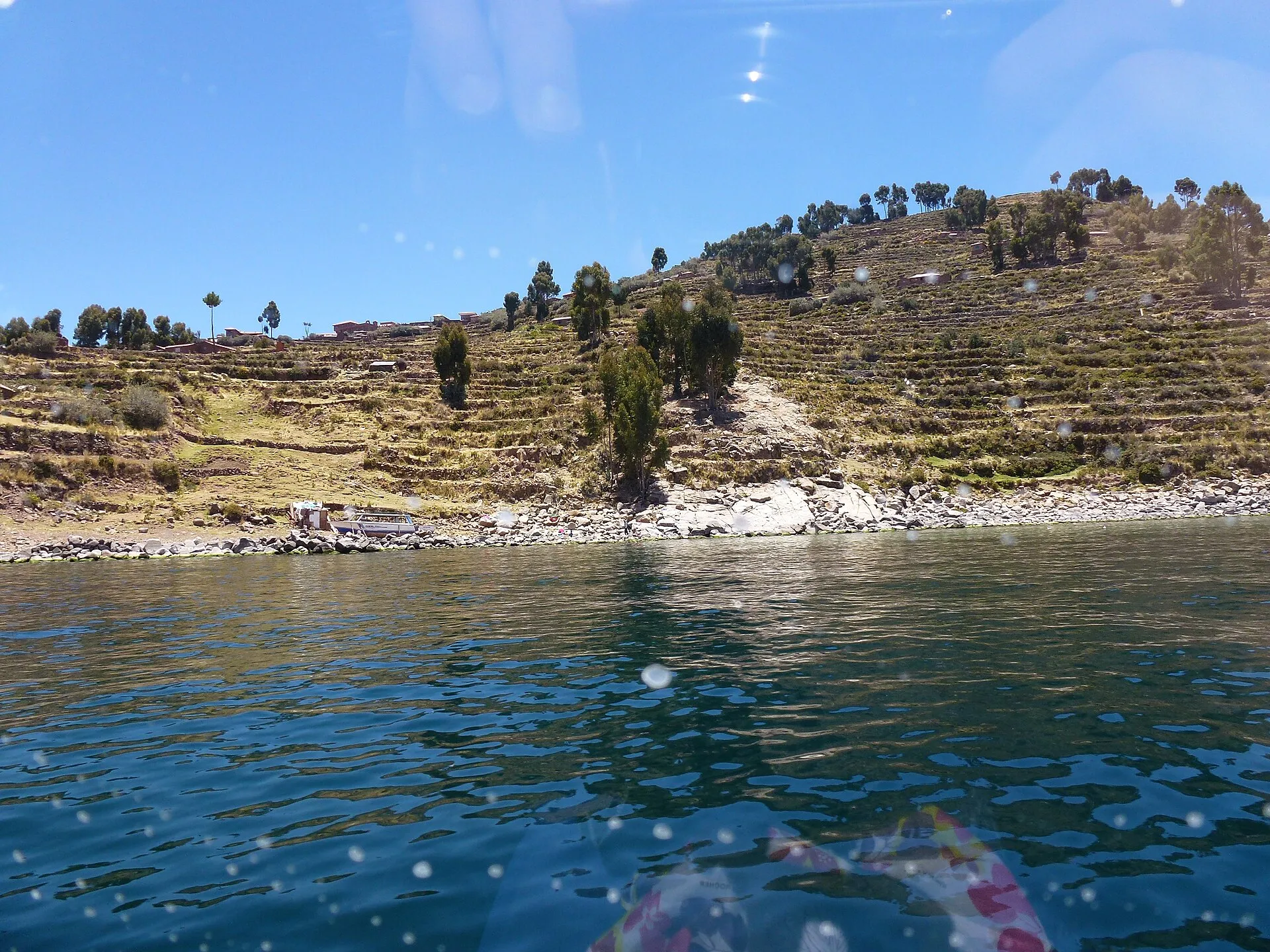
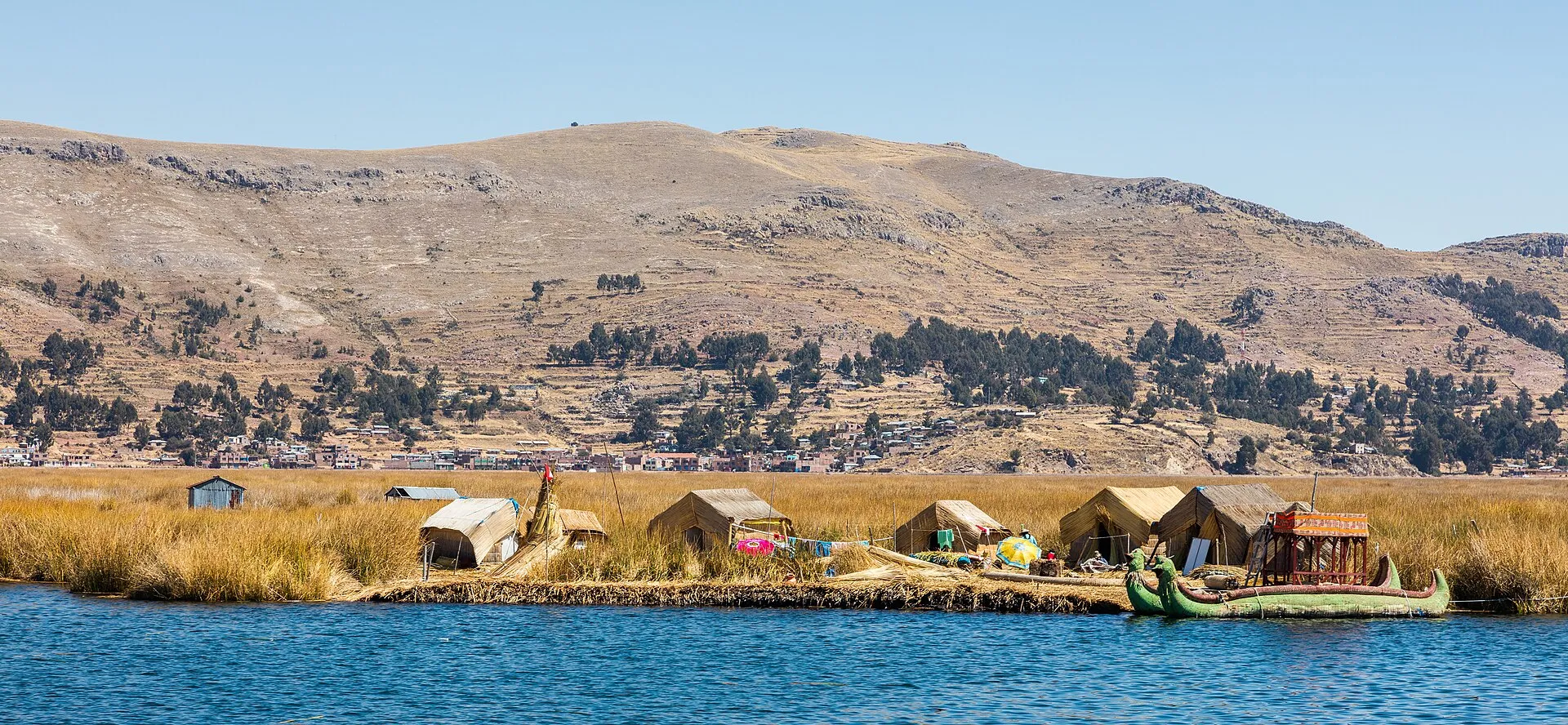
Uros floating islands are rebuilt every 30 to 40 days
As the lower layers of totora reeds decompose in the water, inhabitants continuously add fresh reeds on top, maintaining islands that have existed for centuries
Taquile textile art is a UNESCO Intangible Cultural Heritage
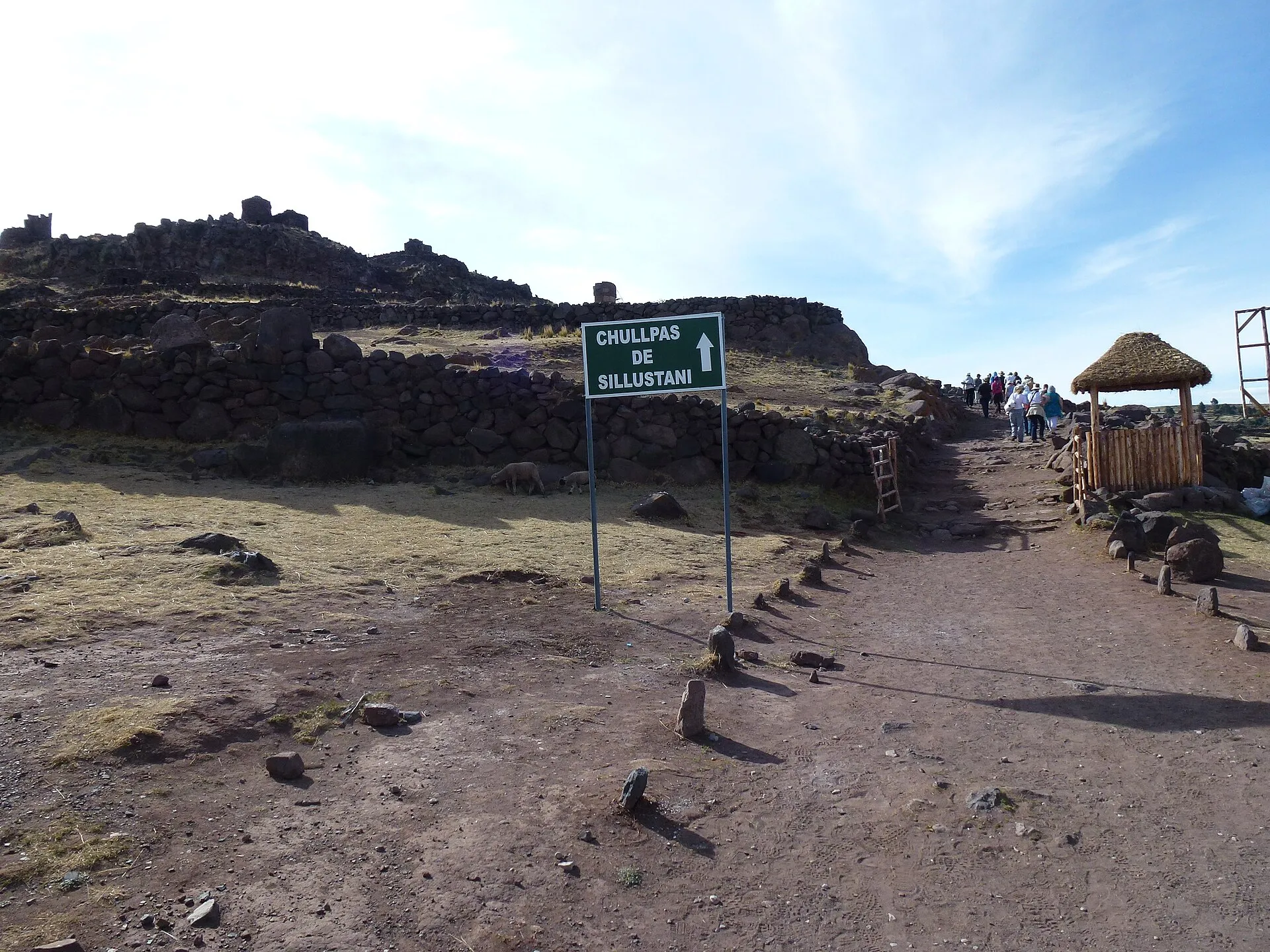
Men on Taquile Island knit intricate chullo caps that encode marital status and social standing, a tradition inscribed on UNESCO's Representative List in 2008 after a 2005 Masterpiece proclamation
Virgen de la Candelaria festival involves over 40,000 dancers
Held each February in Puno, it is one of the largest folkloric celebrations in South America, featuring more than 200 dance troupes and brass bands, and was itself inscribed by UNESCO in 2014
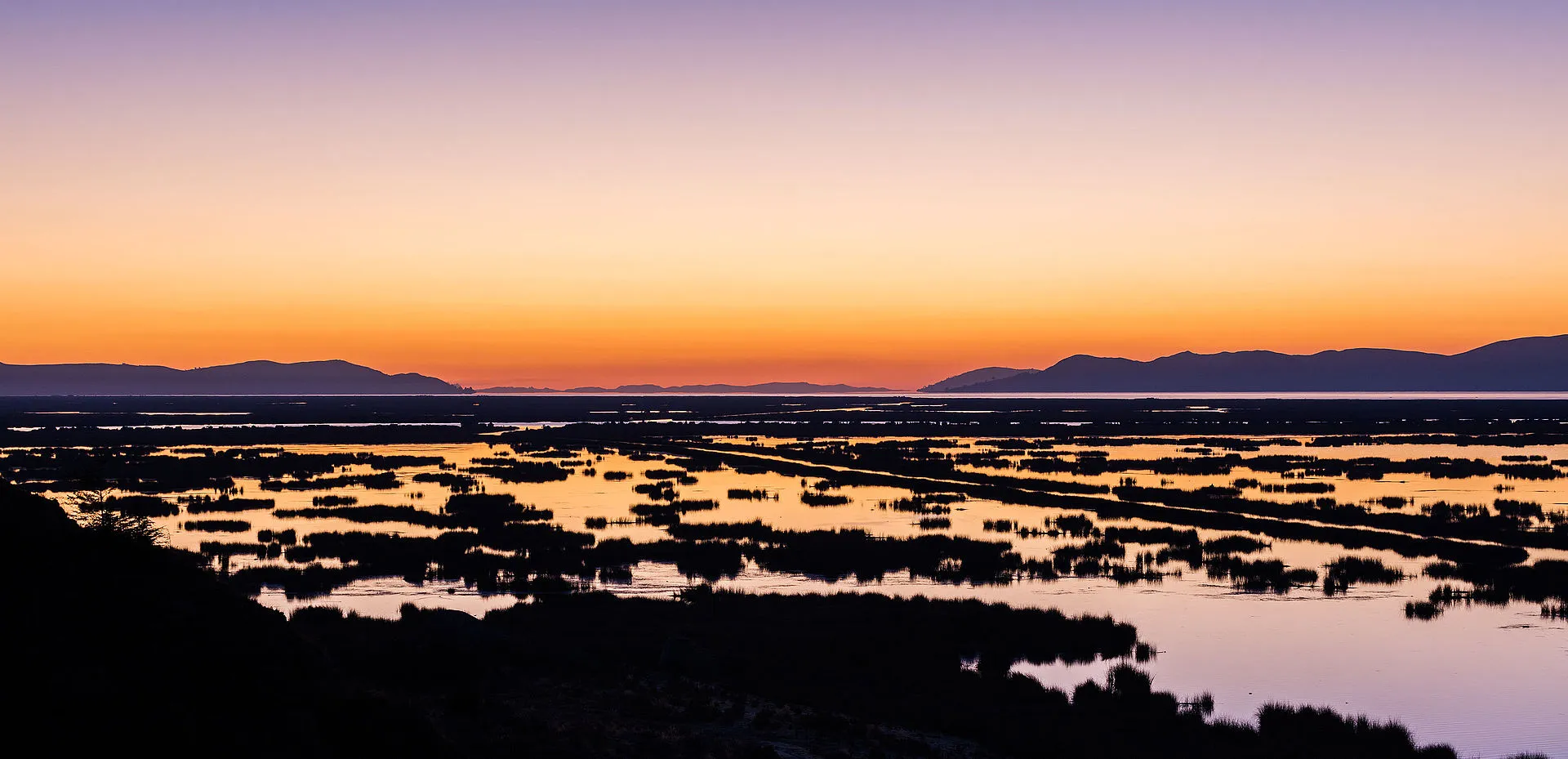
Sillustani's chullpa towers rise up to 12 meters high
The pre-Inca Colla people built these cylindrical stone burial towers on the Lake Umayo peninsula, and the finest examples are wider at the top than the base — a feat of engineering older than the Inca empire that absorbed them
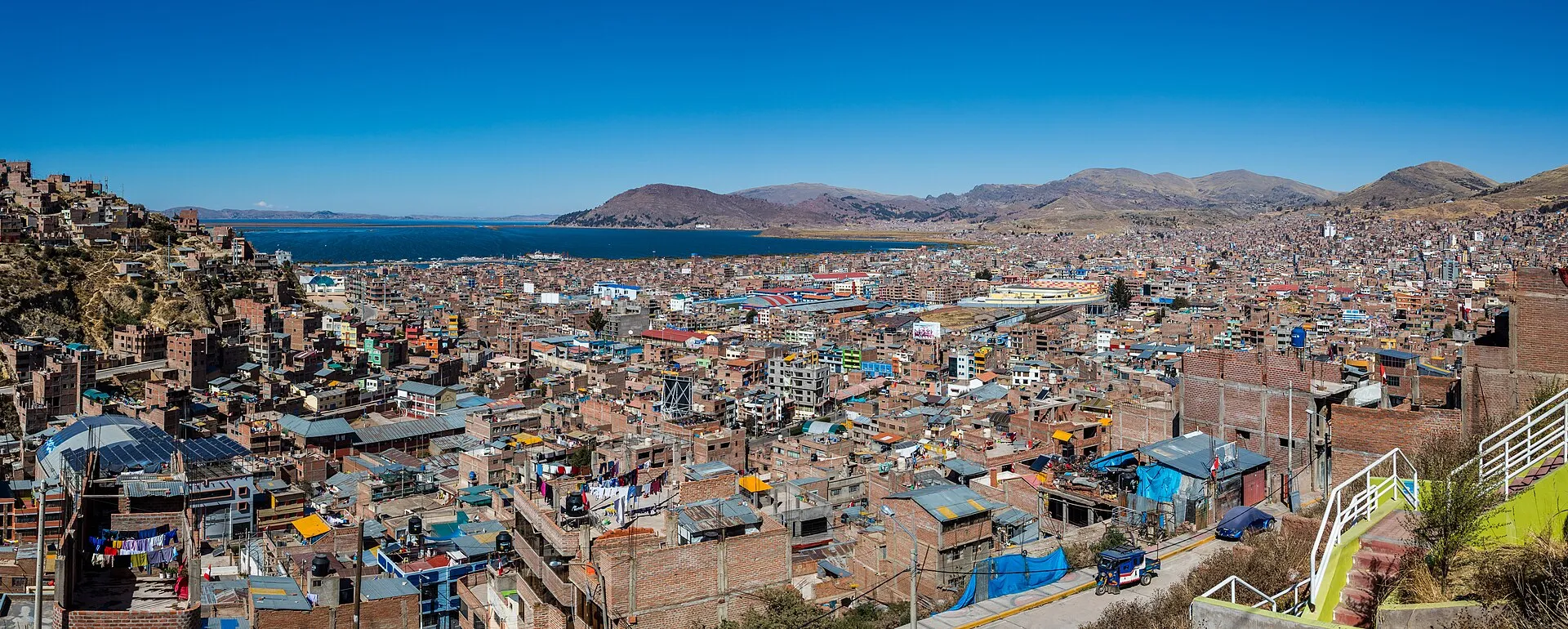
Puno stands at roughly 3,830 meters, higher than any other city in this guide
The town rises steeply from the lakeshore, so most arrivals feel the thin air immediately — a full day of acclimatization in Cusco or Arequipa before coming is the single best defense against altitude sickness
Source: tour-guide.com — Free to cite with attribution
Things to see
What are the top attractions in Puno?
- Overnight on Taquile or Amantaní — Sleeping in a local family's home on a Titicaca island, watching the Milky Way blaze over the lake with zero light pollution, is unforgettable.
- Candelaria festival (February) — Peru's grandest folklore celebration fills Puno with masked dancers, enormous brass bands, and two weeks of non-stop celebration.
- Sunrise on Lake Titicaca — The high-altitude light turns the water from black to cobalt to gold in minutes — get on a boat early.
- Taquile textiles — Watch men knit the iconic chullo caps that encode their personal stories, a living UNESCO tradition.
- Uros islands reed building — Understand the engineering behind islands that must be constantly rebuilt as the lower reed layers decompose into the lake.
- Sillustani at golden hour — The chullpa burial towers silhouetted against the altiplano sunset, with Lake Umayo stretching behind them.
Lake Titicaca
The highest navigable lake on Earth — sacred waters, island cultures, and light like nowhere else
Sillustani
Towers of the dead — pre-Inca burial monuments standing sentinel over Lake Umayo
Taquile Island
Where men knit their life stories into caps and women weave the community's identity
Uros Floating Islands
Handwoven from reeds, anchored to the lakebed, and constantly rebuilt — a civilization that floats
Guide planning
How much does a tour guide cost in Puno?
| Tour Type | Price | Details |
|---|---|---|
| Uros Islands Half-Day | S/40-80 | ~$11-22 per person |
| Uros + Taquile Full Day | S/80-160 | ~$22-43 per person |
| Sillustani Afternoon | S/50-100 | ~$14-27 with transport |
| Private Full-Day Guide | S/200-400 | ~$54-108 |
Season planner
When is the best time to visit Puno?
- Cold nights — Even in summer (December-March), temperatures drop near freezing after dark — pack warm layers, especially for island overnights.
- Dry season (May to October) — Offers the clearest skies and calmest lake waters; rainy season (December-March) brings afternoon storms but fewer tourists.
Spring
Mar-May
Summer
Jun-Aug
Autumn
Sep-Nov
Winter
Dec-Feb
Each score averages that season’s monthly ratings out of 5. The top-rated window is usually the peak season too, so read the guidance above for its trade-offs before you book.
On the ground
How do you get around Puno?
- Highest altitude in this guide — At 3,830m, Puno demands serious acclimatization — spend at least a day in Cusco (3,400m) or Arequipa (2,335m) first.
- Bus from Cusco — The scenic 6-7 hour bus ride through the altiplano passes several archaeological sites and high-altitude lakes — choose a tourist bus with stops rather than a direct service.
- Coca leaf tea — Freely available and genuinely effective against altitude headaches — drink it generously, it is legal and traditional throughout the highlands.
Frequently Asked Questions
What is the best time to visit Puno?
Cold nights: Even in summer (December-March), temperatures drop near freezing after dark — pack warm layers, especially for island overnights.
How much does a tour guide cost in Puno?
Uros Islands Half-Day: S/40-80 ($11-22 per person). Uros + Taquile Full Day: S/80-160 ($22-43 per person). Sillustani Afternoon: S/50-100 (~$14-27 with transport).
How do you get around Puno?
Puno's centre is compact and walkable. Mototaxis and regular taxis cover the town. Boats access Lake Titicaca's islands.
How many days do you need in Puno?
Two full days is the sweet spot. A half-day covers the nearest Uros floating islands, but the rewarding trips run longer: a full-day boat combines Uros with Taquile Island, and an overnight homestay on Taquile or Amantaní adds a night under some of the darkest skies in the Andes. Reserve a separate afternoon for the Sillustani burial towers on the mainland. Budget your first day mostly for rest — at 3,830 meters, pushing straight onto a boat before you have acclimatized is a common way to spoil the trip.
Can you continue from Puno into Bolivia?
Yes — Puno is the standard jumping-off point for the Bolivian side of Lake Titicaca. Direct tourist buses run the roughly three-hour route to Copacabana, crossing at the Kasani/Yunguyo border post, and most continue to La Paz via the Tiquina ferry. Carry your passport, a little cash in both soles and bolivianos for the crossing, and check current visa rules for your nationality before you travel, as requirements differ from Peru.