
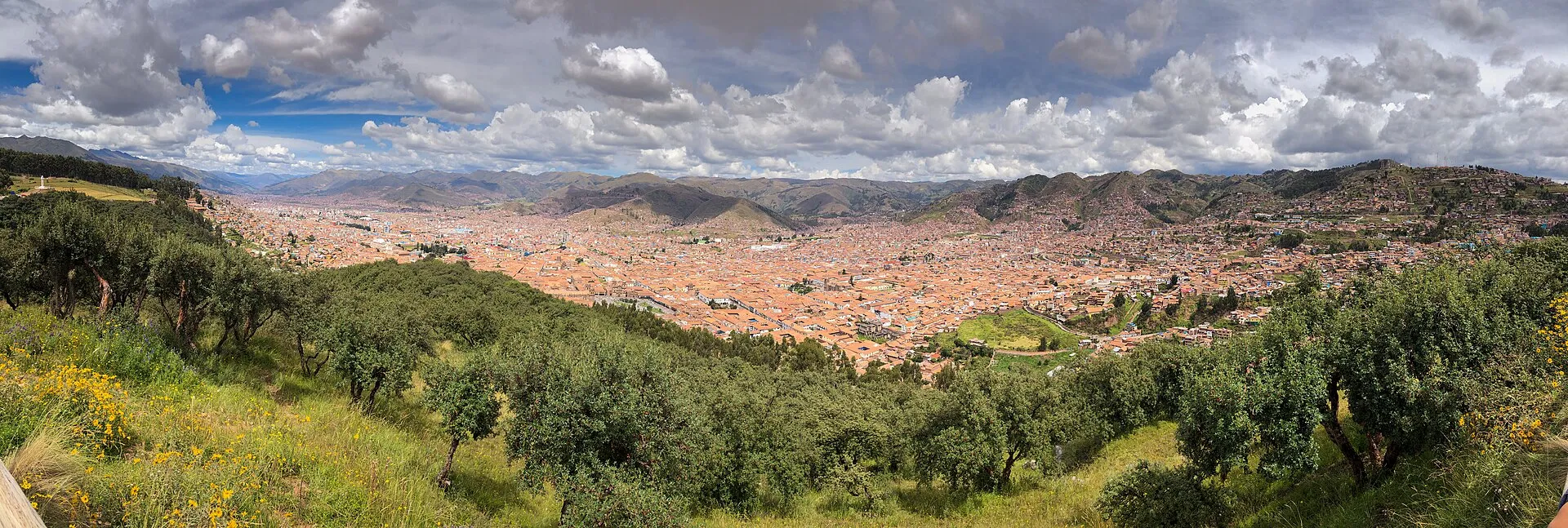
Cusco timeline
-
Inca capital rises
Cusco became the sacred and political center of the Inca world.
-
Spanish conquest
Spanish occupation layered churches and palaces over Inca foundations.
-
Cusco listed
UNESCO recognition protected the city's Inca and colonial urban fabric.
Cited city facts
Key facts for visiting Cusco
Cusco sits at 3,400 meters above sea level
At this altitude, the air contains roughly 30% less oxygen than at sea level, which is why acclimatization and coca leaf tea are essential for most visitors
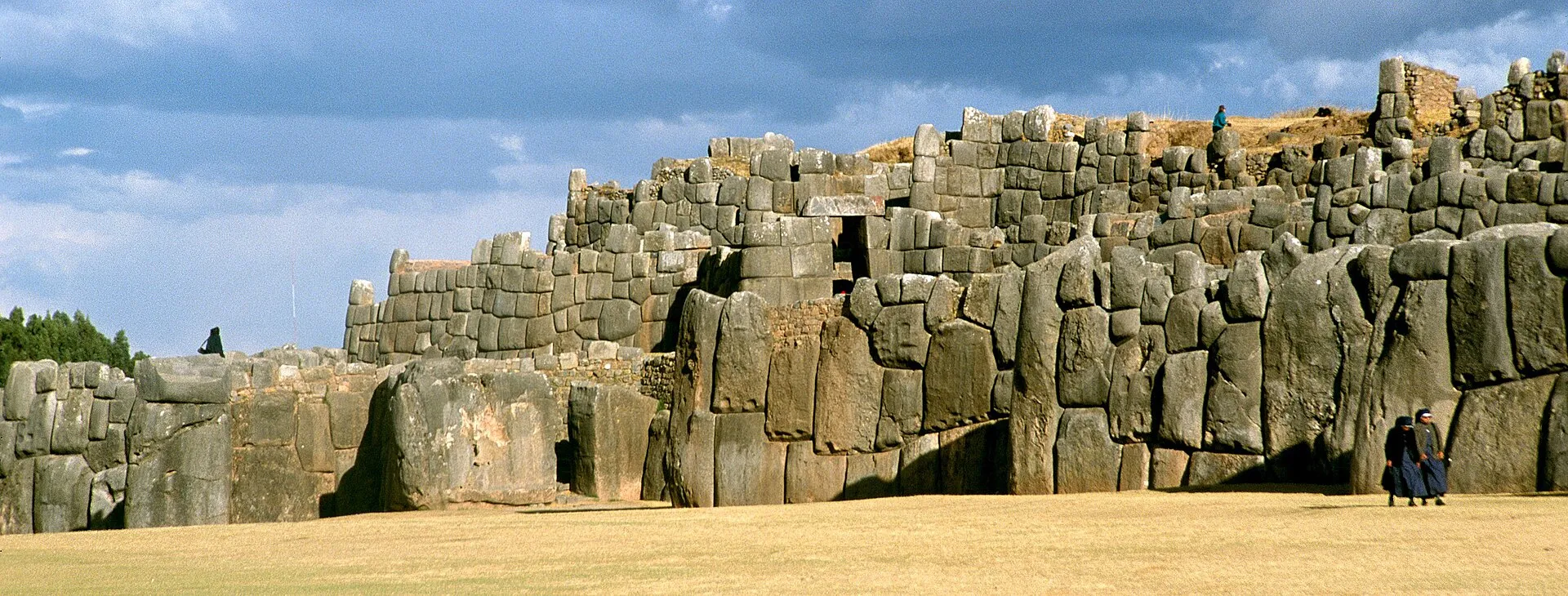
Sacsayhuaman's largest stones weigh over 100 tonnes
The zigzag fortress walls were built by the Inca without mortar or iron tools, with blocks fitted so precisely that a knife blade cannot pass between them
Machu Picchu limits daily visitors to approximately 4,500
Peru enforces strict quotas with timed-entry circuits to protect the 15th-century citadel, and Inca Trail permits for the classic 4-day trek sell out months in advance
The Boleto Turistico covers 16 archaeological sites for 10 days
At S/130 (around $35), it is the single best value ticket in Peru, granting access to Sacsayhuaman, Qenko, Pisac, Ollantaytambo, and 12 more sites across the region
Source: tour-guide.com — Free to cite with attribution
Things to see
What are the top attractions in Cusco?
- Sunrise at Machu Picchu — Arrive on the first bus from Aguas Calientes to watch the mist lift off the citadel as the sun crests the eastern ridge.
- Twelve-Angle Stone — On Calle Hatun Rumiyoc, this perfectly fitted Inca stone with twelve angles and no mortar symbolizes the precision of Inca masonry.
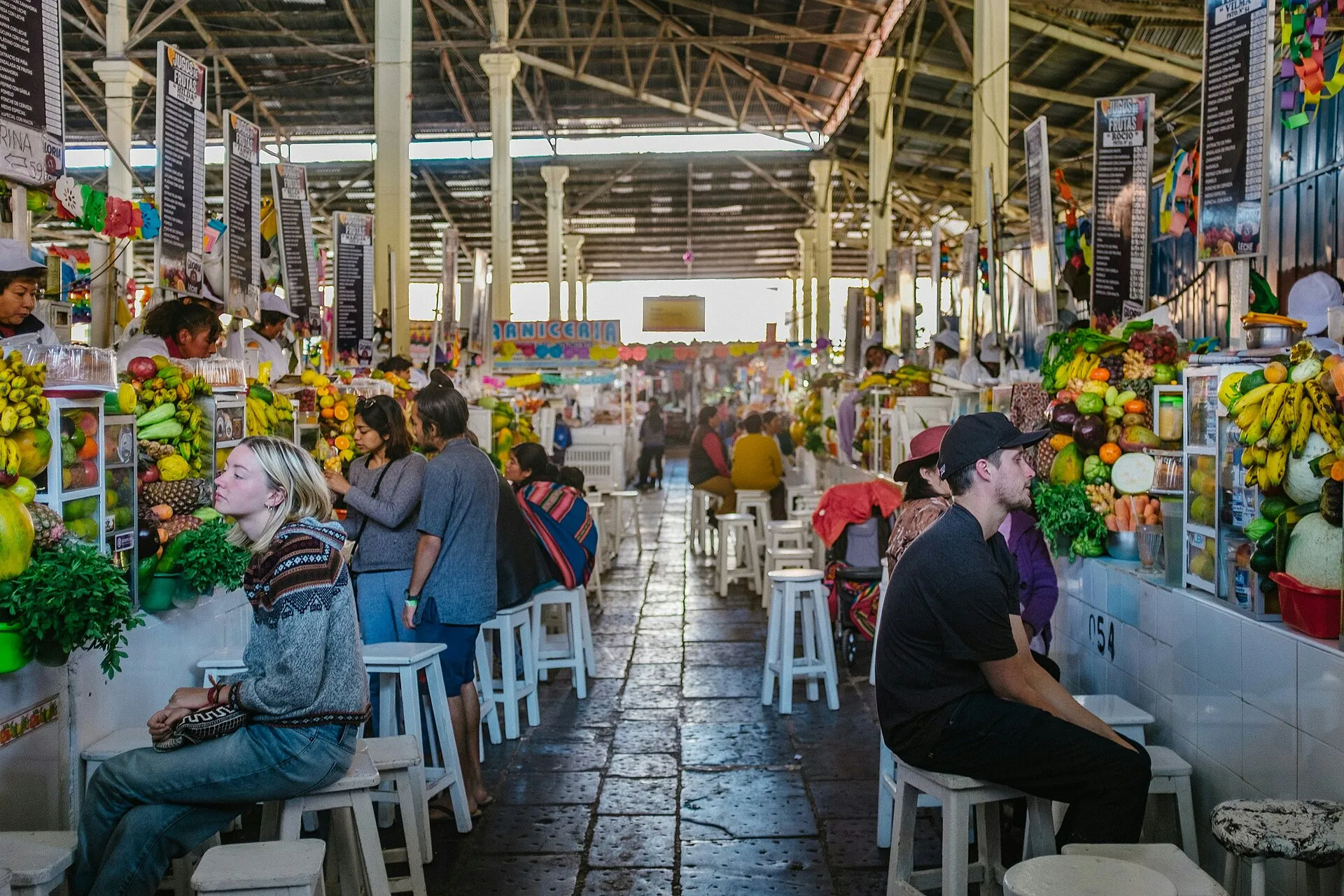
- San Pedro Market breakfast — A bowl of freshly made quinoa soup with bread for under S/8 (~$2) — the most authentic Cusqueño meal you'll eat.
- Moray terraces — Concentric circular terraces in the Sacred Valley that the Inca likely used as an agricultural laboratory.
- Textile cooperatives — Visit a weaving community in the Sacred Valley where women demonstrate techniques passed down for generations using natural dyes.
- Plaza de Armas after dark — The Cathedral and church façades glow golden against the night sky, and the balcony restaurants serve pisco sours with the view.
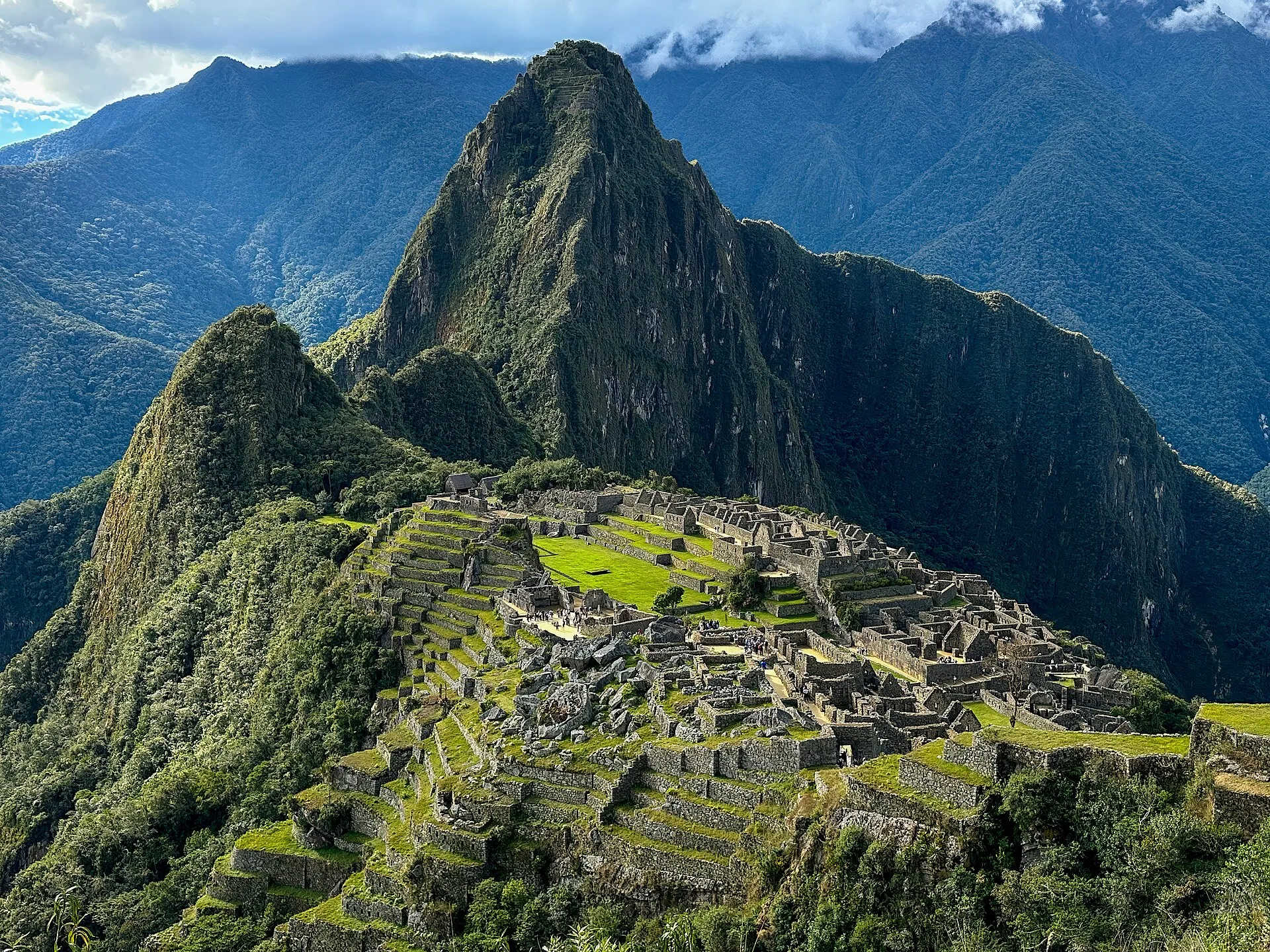
Machu Picchu
The cloud-wrapped Inca citadel that rewrites everything you thought you knew about the ancient Americas
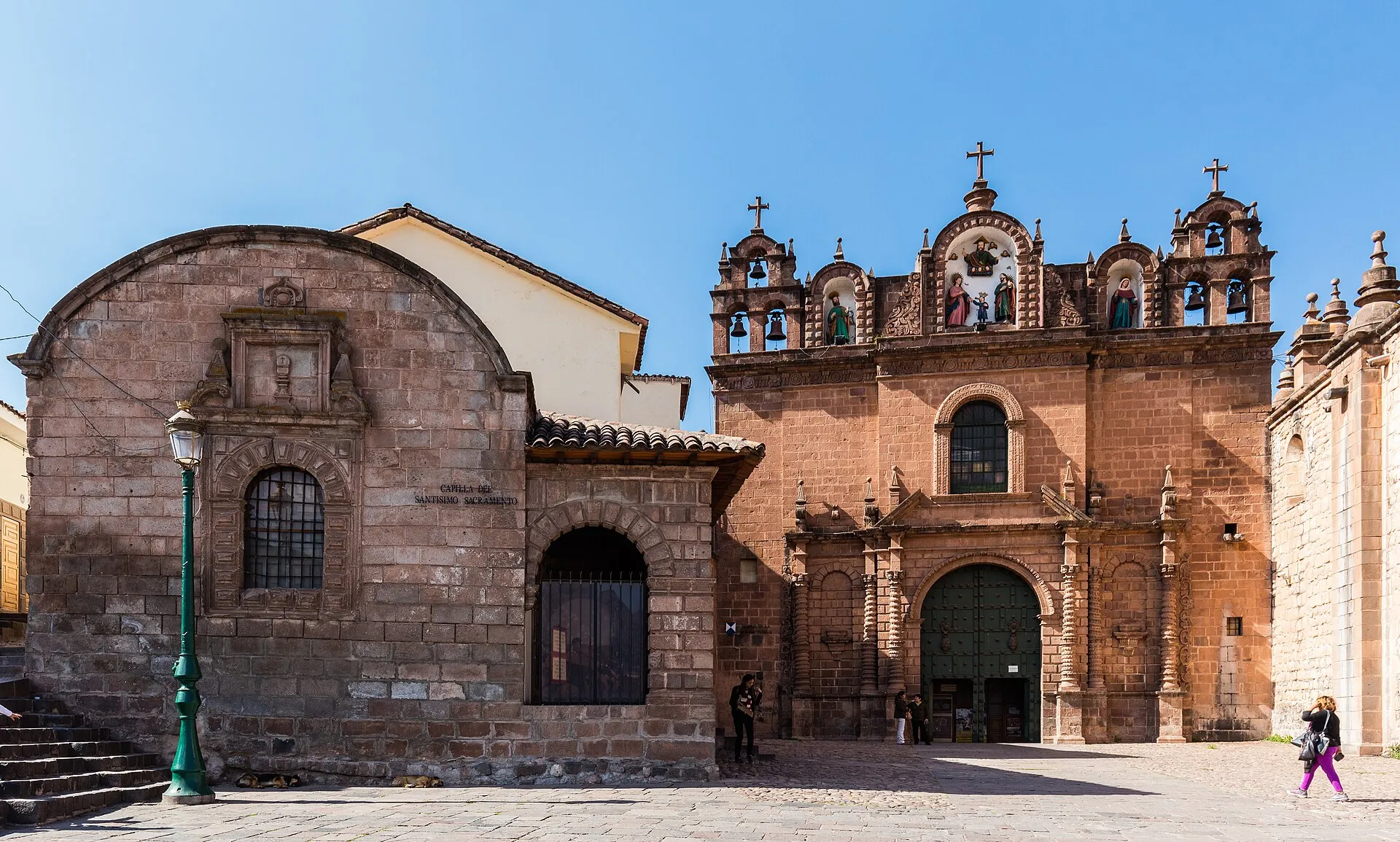
Plaza de Armas & Cathedral
The heartbeat of Cusco — where Inca ceremonial ground meets colonial baroque splendor
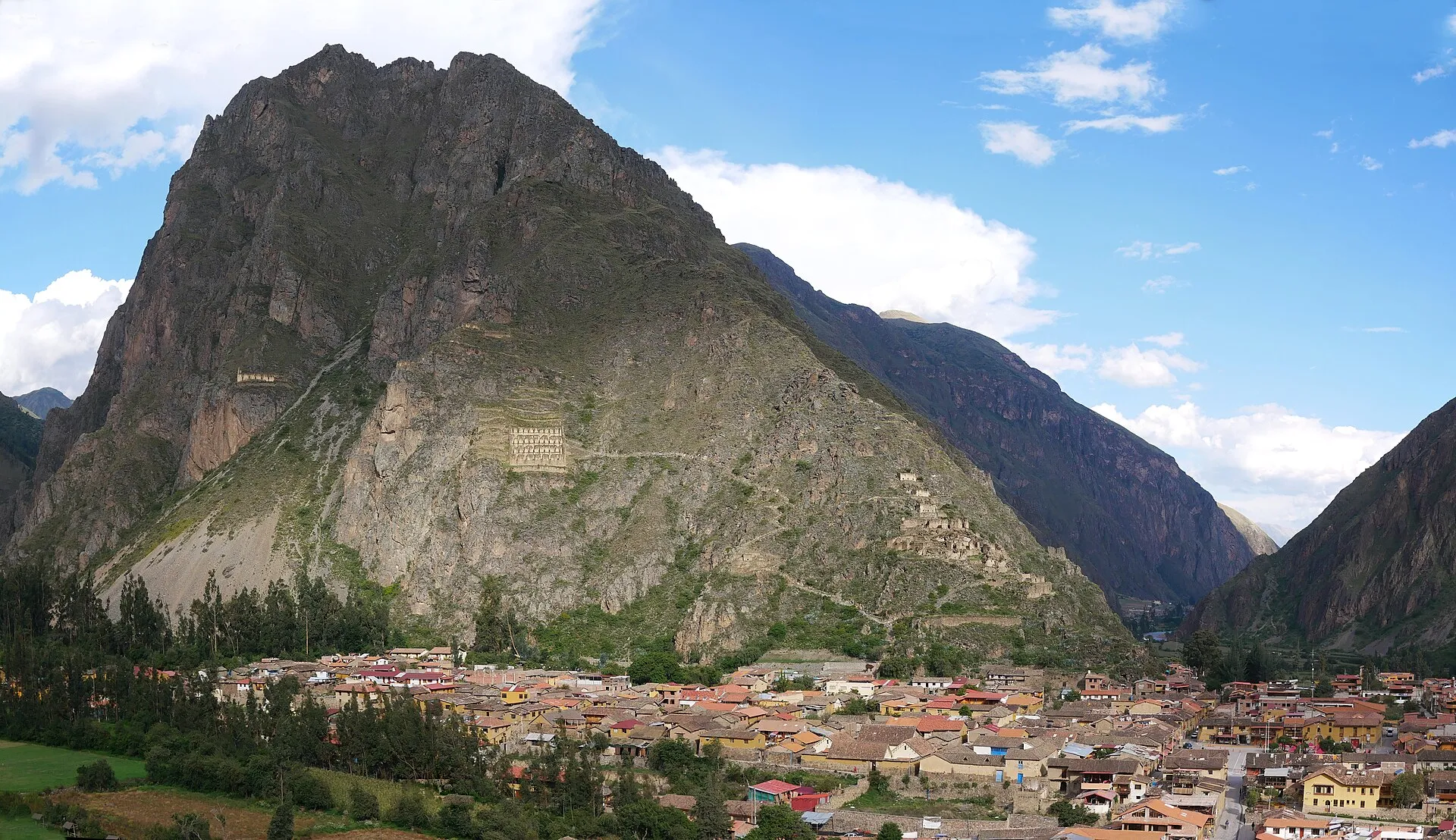
Sacred Valley
The fertile Inca breadbasket — terraced hillsides, fortress towns, and the road to Machu Picchu
Sacsayhuamán
Where 100-tonne stones fit together so precisely that not even a razor blade can slip between them
San Pedro Market
Cusco's gastronomic nerve centre — where the Andes meet your plate
Guide planning
How much does a tour guide cost in Cusco?
| Tour Type | Price | Details |
|---|---|---|
| City Walking Tour | S/40-80 | ~$11-22 per person |
| Machu Picchu Day Trip | S/400-800 | ~$108-216 with train + entry |
| Sacred Valley Full Day | S/150-350 | ~$40-95 with transport |
| 4-Day Inca Trail | S/1,500-3,500 | ~$400-950 all-inclusive |
Season planner
When is the best time to visit Cusco?
Book Machu Picchu early: Daily visitor caps mean entry tickets and Inca Trail permits sell out months ahead, especially June through August. Weather: Dry season (May-October) is ideal for trekking; rainy season (November-March) means afternoon downpours but fewer crowds and greener landscapes.
Spring
Mar-May
Summer
Jun-Aug
Autumn
Sep-Nov
Winter
Dec-Feb
Each score averages that season’s monthly ratings out of 5. The top-rated window is usually the peak season too, so read the guidance above for its trade-offs before you book.
On the ground
How do you get around Cusco?
- Acclimatize first — At 3,400m, altitude sickness is common — rest your first day, drink coca tea, and avoid alcohol and heavy meals until you feel adjusted.
- Boleto Turístico — Buy the S/130 tourist ticket on your first day — it covers Sacsayhuamán, Qenko, and 14 other sites.
- Train to Machu Picchu — PeruRail and Inca Rail run from Poroy (near Cusco) or Ollantaytambo to Aguas Calientes — book the Ollantaytambo departure for a shorter ride and more Sacred Valley time.
Frequently Asked Questions
What is the best time to visit Cusco?
The dry season from May to October is ideal for trekking and clear skies, with June through August being peak tourist season. The rainy season (November-March) brings afternoon downpours but fewer crowds, greener landscapes, and lower prices.
How much does a tour guide cost in Cusco?
City Walking Tour: S/40-80 ($11-22 per person). Machu Picchu Day Trip: S/400-800 ($108-216 with train + entry). Sacred Valley Full Day: S/150-350 (~$40-95 with transport).
How do you get around Cusco?
The historic centre is compact and walkable, though the steep cobblestone streets at 3,400m altitude require a slow pace. Combi minibuses run fixed routes around the city for just a few soles, taxis are affordable and abundant, and colectivos (shared vans) connect Cusco to Sacred Valley towns like Pisac and Ollantaytambo.