
Excavation History
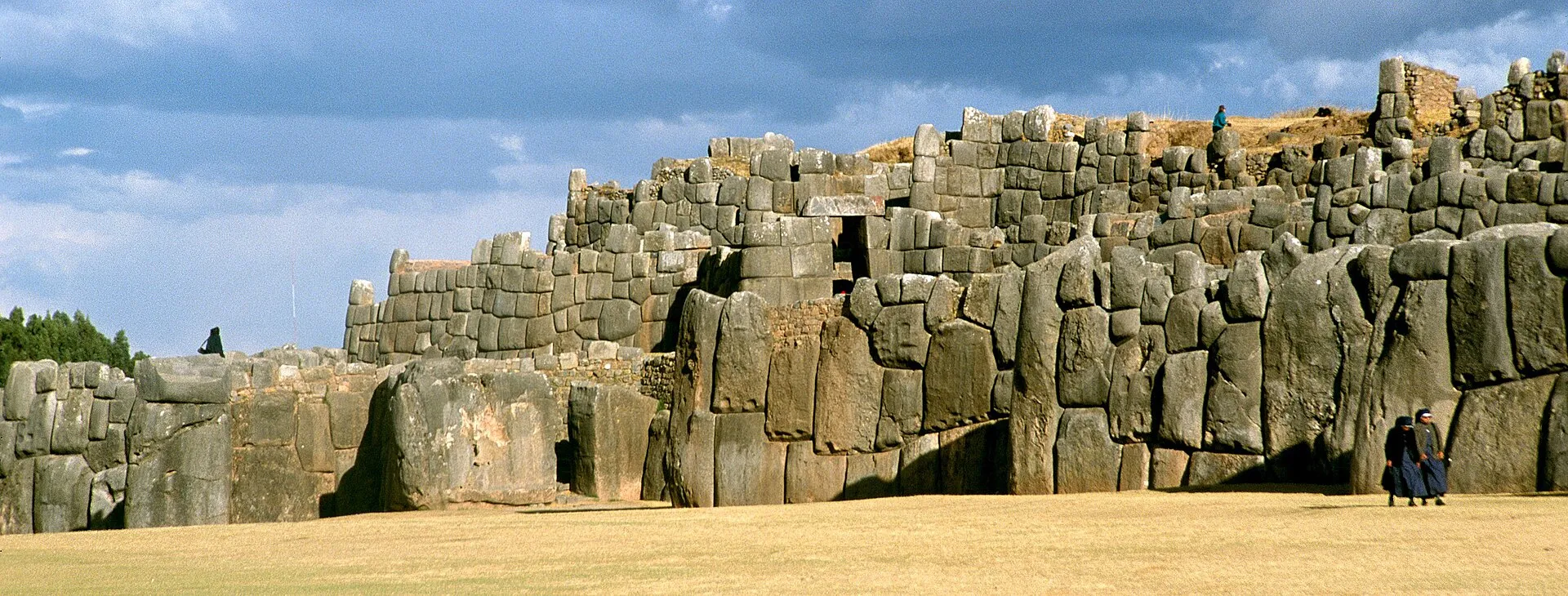
Megalithic zigzag walls: Three tiers of massive interlocking stones stretching 600 meters — run your hand along the joints and feel the precision for yourself. Cusco panorama: From the top of the walls, the entire city of Cusco spreads below with the Andes rising behind — the best overview of the puma-shaped city plan. Cusco's puma head: A guide explains how Sacsayhuaman forms the teeth of the puma that the Inca designed into the city's layout. Battle of 1536: The site of Manco Inca's last stand against the Spanish — guides recount the siege and the fate of the Inca resistance. Inti Raymi (June 24): The most spectacular cultural event in the Andes, recreating the Inca sun festival with hundreds of costumed performers. The Tired Stone: A massive boulder abandoned mid-transport on the hillside, said to have wept blood (turned red from iron deposits) when it could go no further.
When to Visit
Daily: 7 AM - 6 PM. Best: Early morning (7-9 AM) for soft light, fewer groups, and more space to absorb the scale. Inti Raymi: June 24 — the annual Inca sun festival fills the site with thousands of spectators (book months ahead). Duration: 1-2 hours for the main walls and surrounding sites.
Admission and Costs
Entry: Included in the Boleto Turístico (S/130, $35) — the tourist ticket covers 16 Cusco-area sites for 10 days. Licensed guide at site: S/50-100 ($14-27) for a 1-hour tour. Private guide from Cusco: S/80-180 ($22-49) including Sacsayhuaman + nearby ruins (Qenko, Tambomachay, Puka Pukara). Inti Raymi grandstand seat: S/300-600 ($80-162) in June.
Tips for Visitors
Walk up from Cusco: A 30-minute uphill walk from the Plaza de Armas through the San Cristóbal neighbourhood — take it slowly at this altitude. Combine with nearby ruins: Qenko, Tambomachay, and Puka Pukara are all within a few kilometres and covered by the same Boleto Turístico — most guides offer a half-day circuit. Altitude warning: At 3,700m (higher than Cusco centre), you'll feel the thin air on the walk up — don't rush, bring water, and stop to admire the view. Bring sun protection: The open hillside offers no shade and the high-altitude UV is intense. Taxi back: Walk up for the views, but consider taking a taxi back down if the altitude has tired you. Buy the Boleto Turístico: Don't pay single-site entry — the full ticket (S/130) gives you 10 days of access to 16 sites including Sacsayhuaman, Sacred Valley ruins, and Cusco museums. First-day outing: Because it towers over Cusco yet asks only a short climb, Sacsayhuaman makes an ideal first-day leg-stretch to gauge your acclimatization before the train down to Machu Picchu.
Frequently Asked Questions
What is the best time of year to visit Sacsayhuaman?
May through September coincides with the Andean dry season and provides clear skies that let you fully appreciate the massive zigzag walls and surrounding valley views. June 24 is the highlight date, when the Inti Raymi festival fills the fortress with thousands of spectators recreating Inca sun worship ceremonies. The wet season from January through March makes the steep, grassy hillside slippery and often wraps the site in clouds that obscure the otherwise sweeping panoramas over Cusco.
What time of day is best for touring Sacsayhuamán?
Daily: 7 AM - 6 PM. Best: Early morning (7-9 AM) for soft light, fewer groups, and more space to absorb the scale. Inti Raymi: June 24 — the annual Inca sun festival fills the site with thousands of spectators (book months ahead).
What is the entrance fee for Sacsayhuamán?
Entry: Included in the Boleto Turístico (S/130, $35) — the tourist ticket covers 16 Cusco-area sites for 10 days. Licensed guide at site: S/50-100 ($14-27) for a 1-hour tour.
How do visitors get to Sacsayhuamán from Cusco?
Walk up from Cusco: A 30-minute uphill walk from the Plaza de Armas through the San Cristóbal neighbourhood — take it slowly at this altitude.