
Country guide
What makes Argentina a must-visit destination?
Argentina stretches nearly 3,500 kilometers from the subtropical jungles of Iguazú in the north to the wind-battered tip of Patagonia in the south, making it the eighth-largest country on the planet. The sheer geographic range is staggering: Andean peaks topping 6,900 meters, the vast grasslands of the Pampas, glacial lakes ringed by ancient forests in Bariloche, and the arid, painterly canyons around Salta. At the center of it all sits Buenos Aires, a capital that pulses with tango, café culture, and an intensity that feels distinctly European yet unmistakably South American.
Spanish is the national language, spoken with the distinctive Rioplatense accent that swaps "ll" and "y" sounds for a soft "sh." English is widely understood in Buenos Aires tourist districts but rare in smaller cities and rural areas. A bilingual guide transforms the experience — translating not just language but the social codes of an asado invitation, the unwritten rules of a milonga dance hall, and the layered political history visible on every Buenos Aires street corner.
- Language
- Spanish Widely spoken across Argentina
- Currency
- Argentine peso (ARS $) Legal tender across Argentina
- Time zone
- UTC−3 Local time in Argentina
- Power plugs
- Types C, I · 220V Sockets used across Argentina
- Getting around
- Long-distance buses & domestic flights Getting between Argentina's cities
- Best months
- Mar, Apr, May, Sep, Oct, Nov, Dec Averaged across Argentina's city ratings
Argentina timeline
-
Independence declared
The Congress of Tucuman broke with Spanish rule, giving Argentina its national origin story.
-
Constitution adopted
The constitution established the federal framework behind Argentina civic institutions and provincial identity.
-
Buenos Aires federalized
The capital question was settled, anchoring national politics and port-city growth around Buenos Aires.
-
Mass democracy expands
The first presidential election under broader male suffrage made Buenos Aires politics a national visitor context.
-
Democracy returns
Elections ended military rule and reshaped how guides explain memory sites and civic squares.
-
Economic crisis resets memory
The crisis left protest routes, recovered factories, and a recent-history layer guides still explain.
Argentina in Pictures
Local context
Culture and travel signals
7.4 million international tourist arrivals in 2023
Argentina's tourism rebounded to pre-pandemic levels, with Buenos Aires alone accounting for over 3 million of those visitors, driven by a favorable exchange rate for foreign currencies
11 UNESCO World Heritage Sites
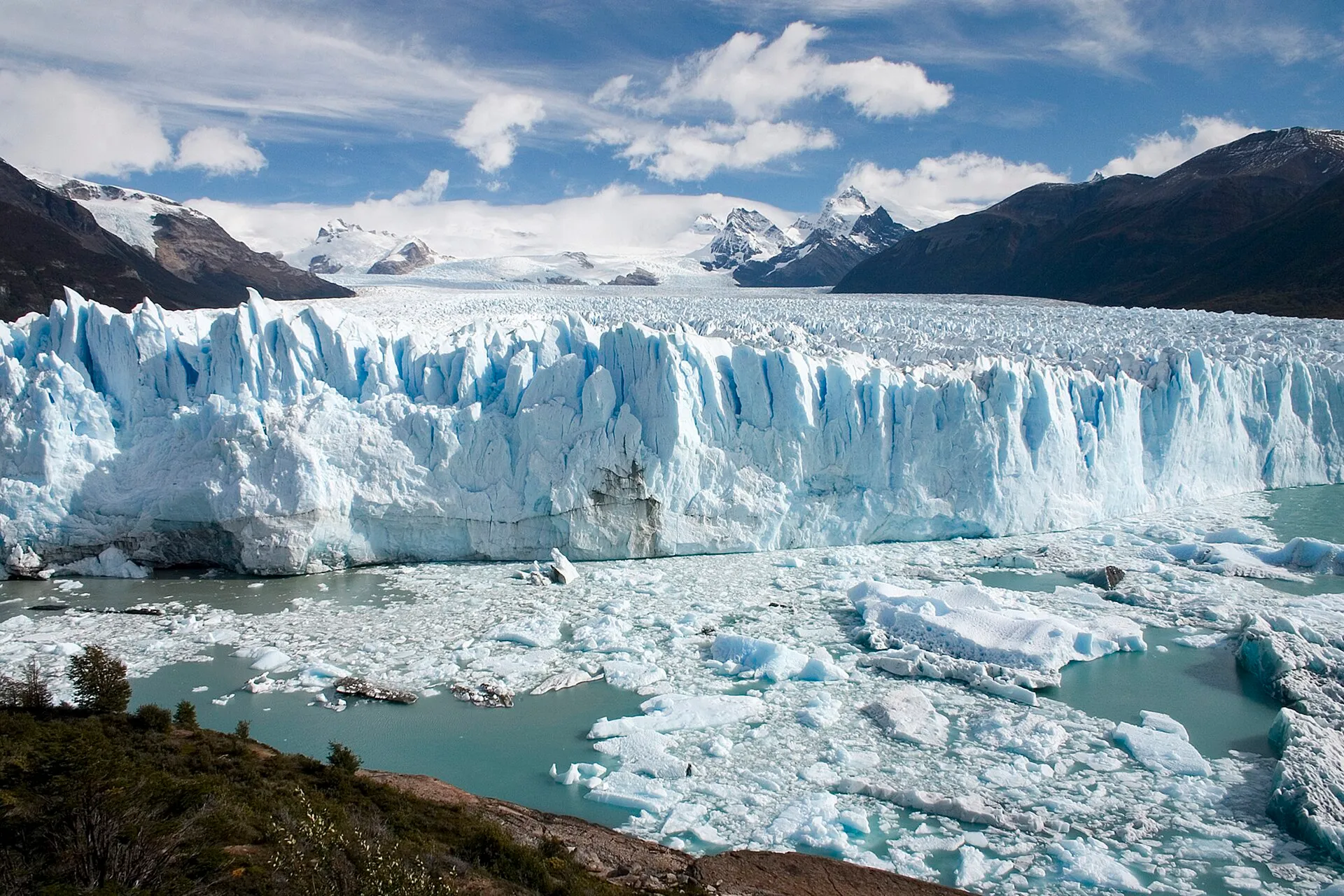
Ranging from the Jesuit Missions of the Guaranís and the Cueva de las Manos (cave paintings dating back 9,300 years) to the Los Glaciares National Park containing the Perito Moreno Glacier
Aconcagua stands at 6,961 meters (22,838 ft)
The highest peak outside Asia and the tallest mountain in both the Western and Southern Hemispheres, attracting roughly 3,500 climbers who attempt the summit each season
Argentina produces over 1.2 billion liters of wine annually
The fifth-largest wine producer in the world, with the Mendoza province responsible for about 70% of national output, predominantly the Malbec grape that has become synonymous with Argentine identity
Source: tour-guide.com — Free to cite with attribution
Season planner
A year in Argentina
Use this best time to visit snapshot as a country-wide average, then check the city guides for local timing.
Mar-May
Spring
Spring holds up well for guided travel in Argentina, averaging Mar-May (4/5).
Jun-Aug
Summer
Summer stays workable in Argentina at Jun-Aug (3/5), so lean on city-by-city timing.
Sep-Nov
Autumn
Autumn holds up well for guided travel in Argentina, averaging Sep-Nov (4/5).
Dec-Feb
Winter
Winter stays workable in Argentina at Dec-Feb (3.3/5), so lean on city-by-city timing.
Where should you go in Argentina?
The Capital
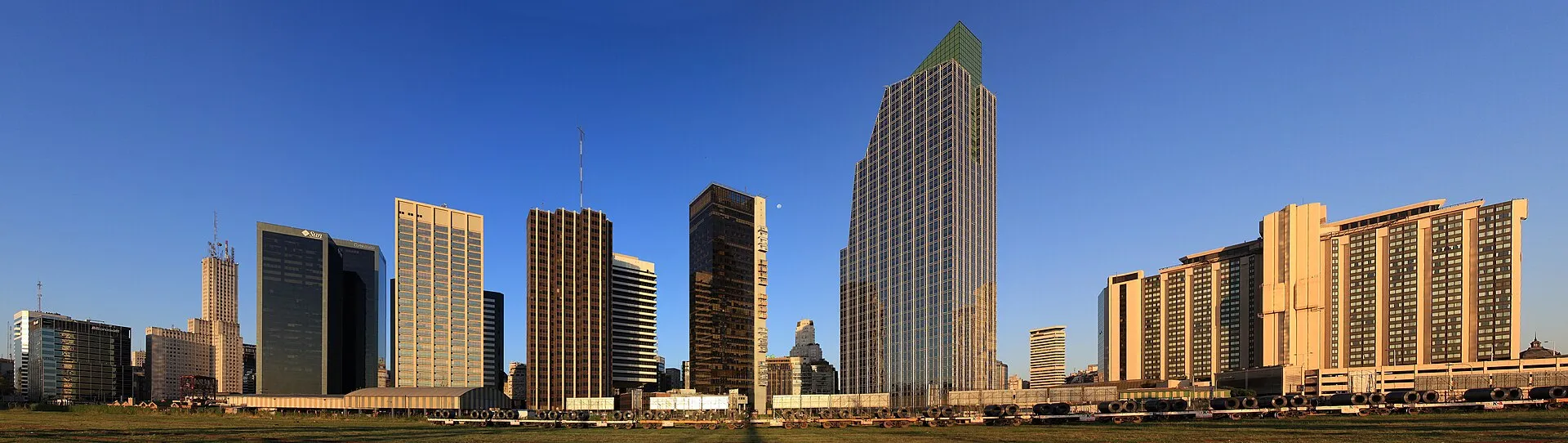
Buenos Aires seduces with its tango halls, sizzling parrillas, and European-inflected architecture lining the Río de la Plata, yet Argentina's real surprise is how completely the scenery shifts once you leave the capital.
Wine Country & The Andes
Mendoza sits at the foot of the Andes, where Malbec vineyards stretch toward snow-dusted peaks and adventure outfitters stage expeditions into the high mountains.
Patagonia & The Lake District
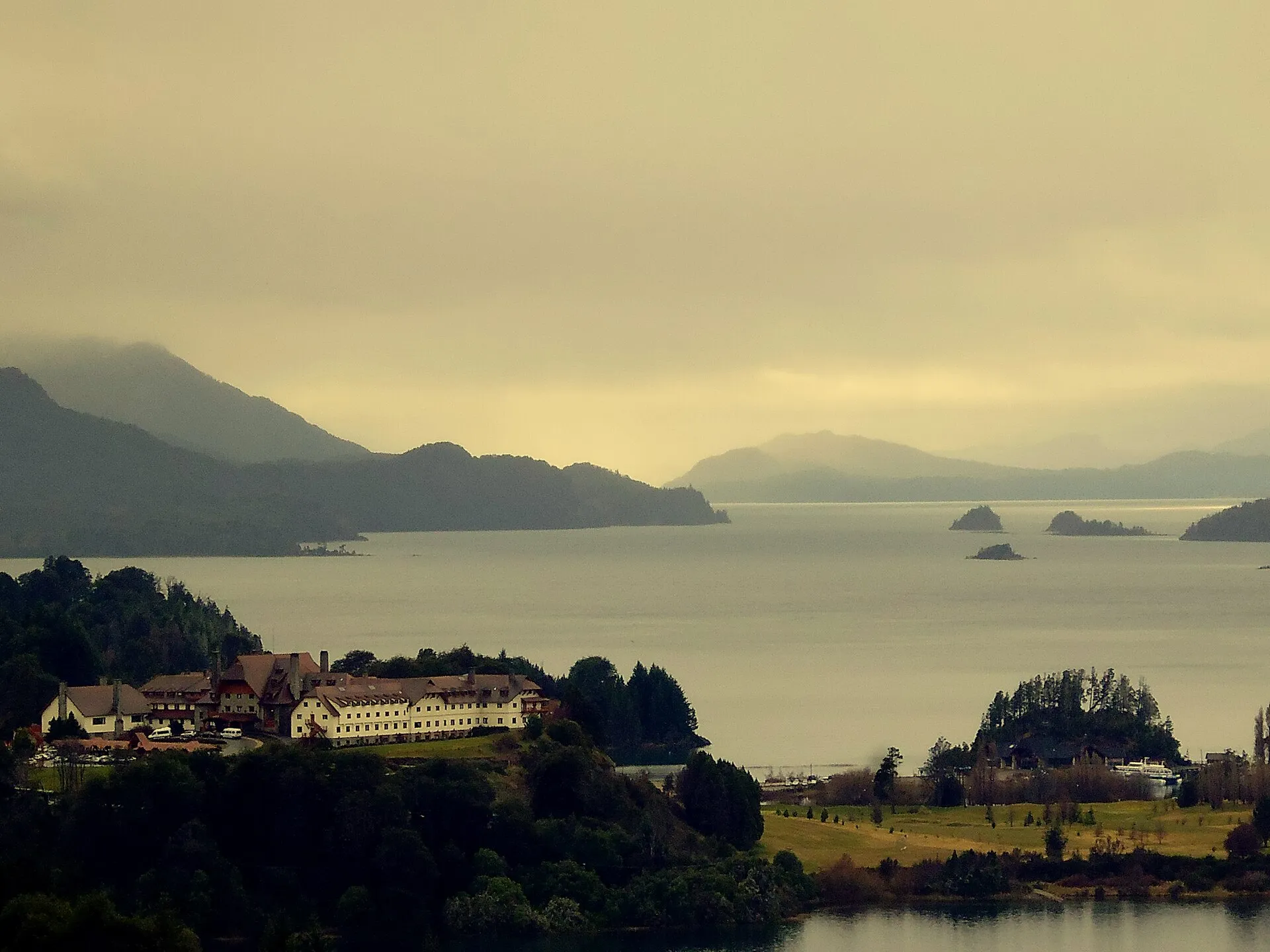
Far to the south, Bariloche anchors the Patagonian lake district — a landscape of glacial waters, Andean forests, and chocolate shops that feels transplanted from the Swiss Alps.
The North & The Falls
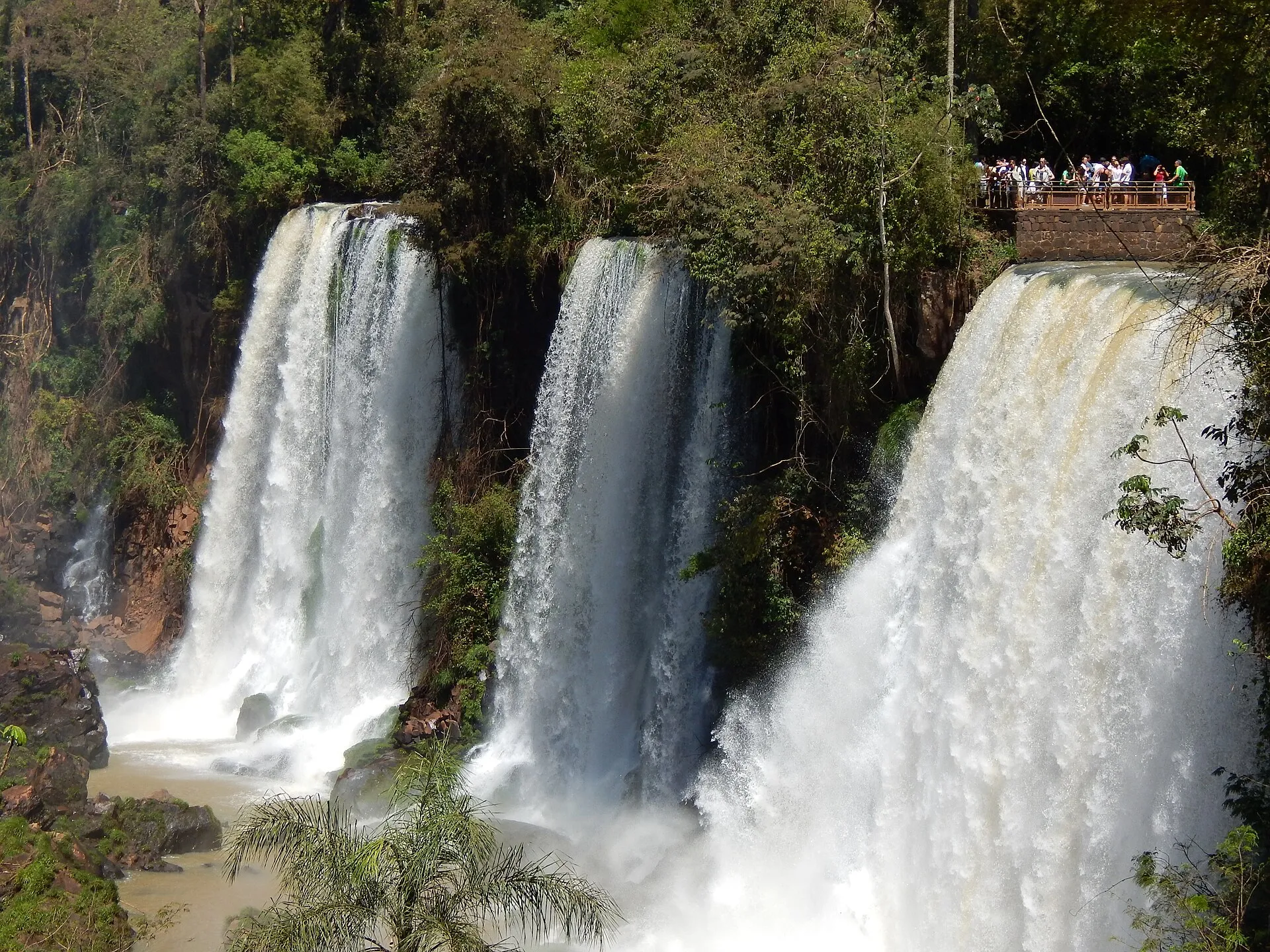
Iguazú straddles the Brazil border with 275 waterfalls crashing through subtropical jungle, while Salta guards the colonial northwest, where painted canyons, pre-Inca ruins, and the vertiginous Train to the Clouds reward those willing to venture off the beaten path.
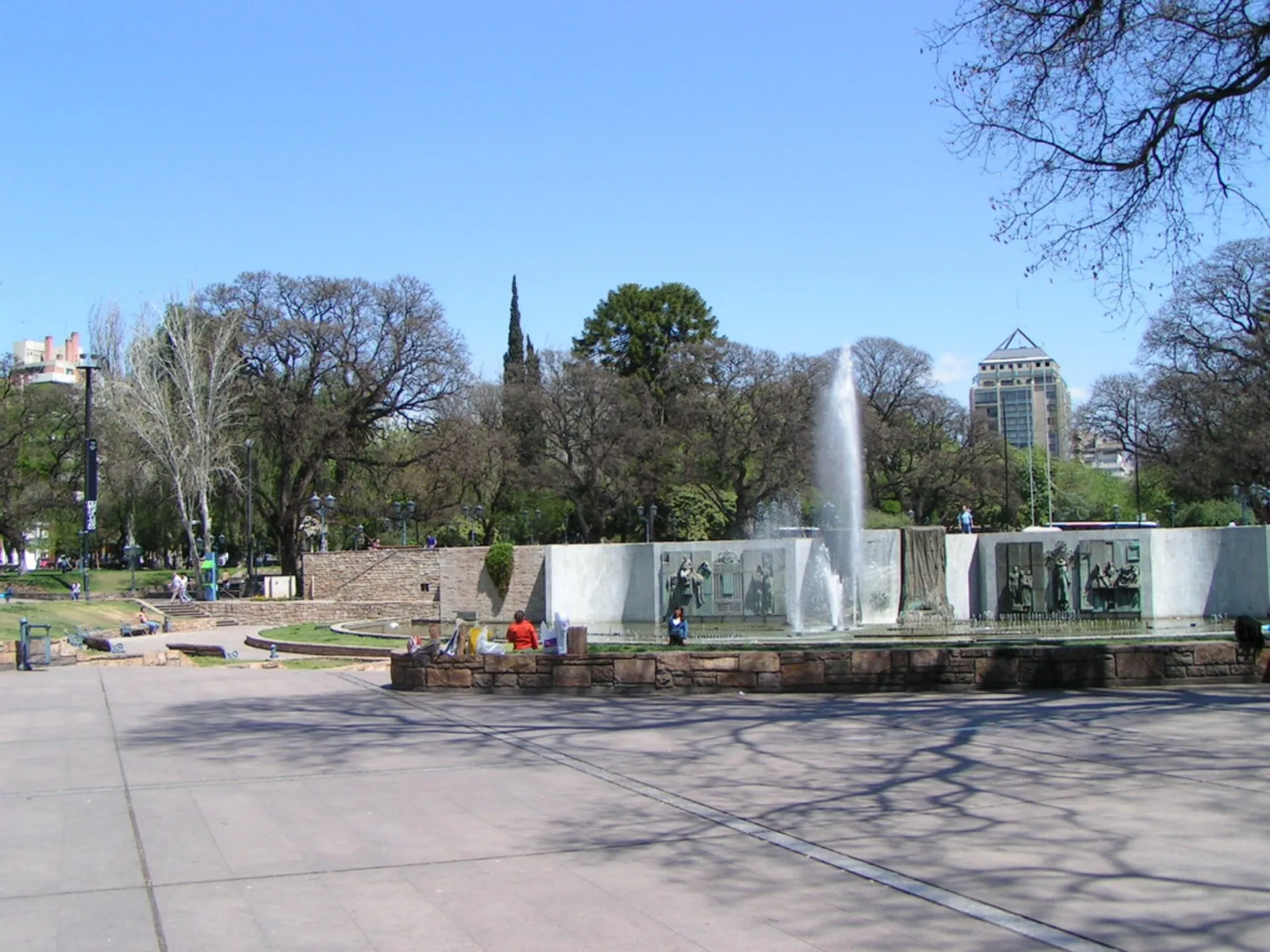
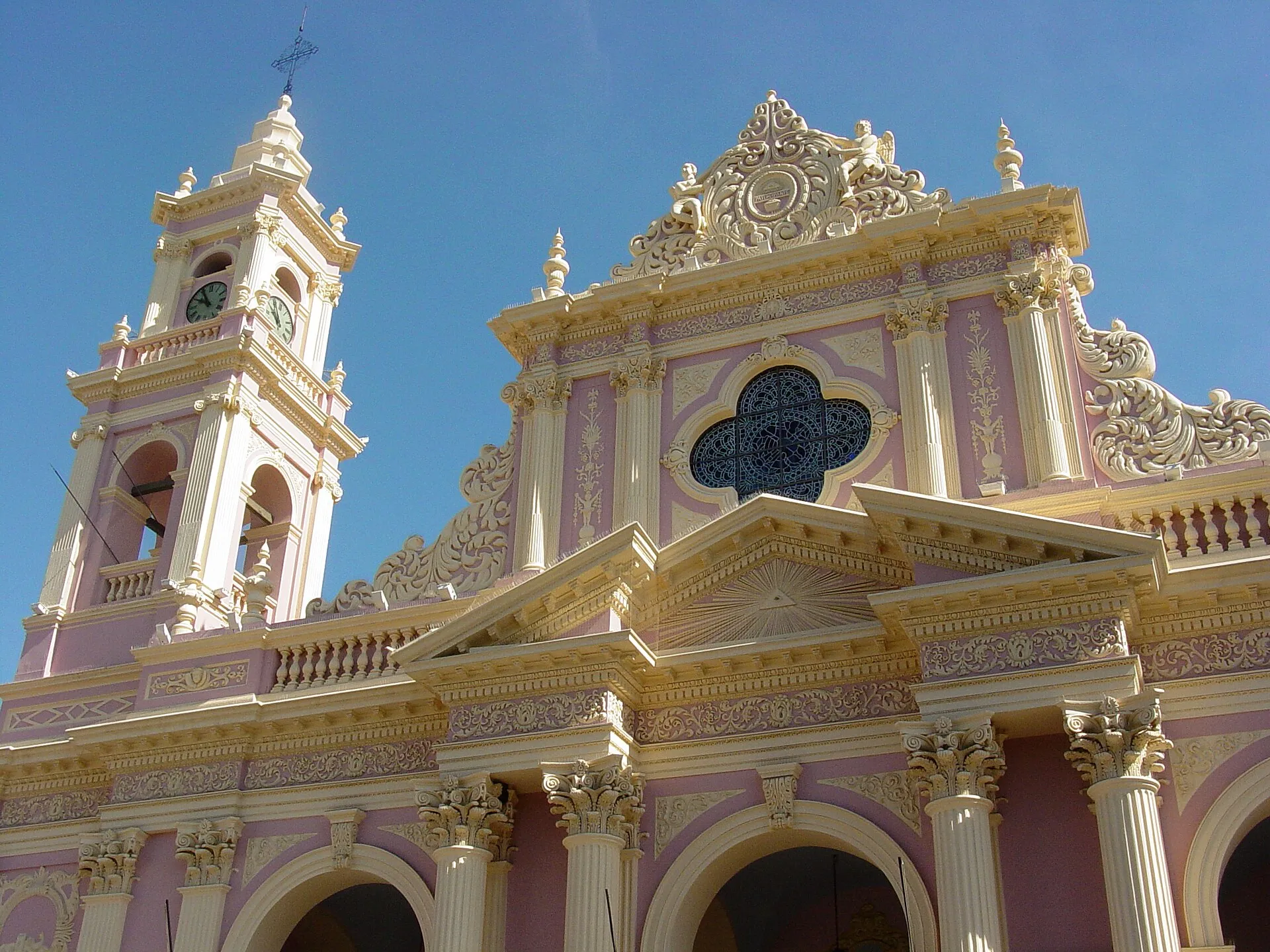
Must-see attractions across Argentina
These are the sights travelers cross Argentina for, each anchored to its own city. Pair one with a guide and the context comes alive.
What do visitors need to know about Argentina?
Finding a Guide
- Argentina's national tourism ministry maintains a registry of licensed guides. Certified guides carry a credencial issued by provincial tourism boards — always ask to see it.
- Buenos Aires city government tourism office at the Obelisco and other kiosks can connect you with vetted English-speaking guides for walking tours, tango experiences, and neighborhood explorations.
- Say Hueque, Tangol, and local operators in wine country and Patagonia offer curated itineraries with professional bilingual guides who know the terrain intimately.
- Upscale hotels in Buenos Aires, Mendoza, and Bariloche maintain trusted guide rosters — particularly useful for wine tours and outdoor excursions where local knowledge matters.
Typical Costs
| Tour Type | Price Range |
|---|---|
| Group walking tour | AR$8,000–15,000 ($8–15) per person |
| Private half-day guide | AR$35,000–70,000 ($35–70) |
| Private full-day guide | AR$60,000–120,000 ($60–120) |
| Wine region tour (with transport) | AR$50,000–100,000 ($50–100) |
| Multi-day Patagonia expedition (per day) | AR$150,000–300,000 ($150–300) |
Must-See Experiences
- Recoleta Cemetery — Wander an entire city of ornate mausoleums, including the tomb of Eva Perón
- Teatro Colón — One of the world's finest opera houses, with acoustics that rival La Scala
- Iguazú Falls — Stand at the Devil's Throat as 275 cascades pound the rocks below
- Malbec Wine Routes — Taste Argentina's signature grape against the backdrop of snow-capped Andes
- Aconcagua — Gaze at the highest peak in the Western Hemisphere from the park entrance
- Nahuel Huapi Lake — Glacial waters framed by Patagonian forests and volcanic peaks
- Quebrada de Humahuaca — A UNESCO canyon of striped rock and pre-Inca heritage
- Tren a las Nubes — A railway that climbs to 4,220 meters through breathtaking Andean terrain
Tips for Visitors
- Currency chaos — Argentina has parallel exchange rates; the official rate and the "blue dollar" (informal market) can differ significantly. ATMs dispense pesos at the official rate; exchanging cash at cuevas gets better value but carries risk
- Steak culture — Argentine asado is a social ritual, not just a meal. Medium-rare is "jugoso," and asking for ketchup at a parrilla will earn puzzled looks
- Late nights — Dinner starts at 9 PM at the earliest; nightlife kicks off after midnight. Adjust your schedule or you'll eat alone in empty restaurants
- Best season — October through April for Buenos Aires and Patagonia. June through September for skiing in Bariloche and the dry season in the north. Iguazú is spectacular year-round but wettest November through March
- Distances are vast — Buenos Aires to Bariloche is a 2-hour flight but a 21-hour bus ride. Internal flights save days of travel
- Mate etiquette — If offered mate (herbal tea), accept the gourd, drink the whole serving, and return it to the cebador — never say "gracias" until you're done, as it signals you want no more
- Tipping — 10% at restaurants, small tips for bellhops and taxi drivers who help with luggage. Guides appreciate 10–15% for good service
- Safety in Buenos Aires — Petty theft is common in tourist areas — use cross-body bags, avoid flashing electronics, and stick to well-lit streets at night
Frequently Asked Questions
What is the best time of year to visit Argentina?
Argentina's southern hemisphere seasons mean summer runs from December through February, making October through April the prime window for hiking Patagonia's glaciers and enjoying Buenos Aires at its liveliest, with mild winters in the capital still pleasant enough for tango shows and steak dinners al fresco. March is harvest season in Mendoza, when the Malbec vineyards turn golden and wineries host vendimia festivals celebrating the grape crush against an Andean backdrop. June through September brings excellent skiing to Bariloche and dry, sunny weather to the northwestern canyon country around Salta and Jujuy. Iguazú Falls is spectacular year-round, though the thundering volume peaks between November and March when subtropical rains swell the cascades to their most dramatic.
How much does a private tour guide cost in Argentina?
Argentina is remarkably affordable for guided tourism. Expect to pay AR$8,000–15,000 ($8–15) per person for a group walking tour through neighborhoods like San Telmo or La Boca, while a private half-day guide runs AR$35,000–70,000 ($35–70) and opens the door to personalized experiences in wine country or Patagonia.
Do I need to speak the local language to travel in Argentina?
Spanish is the national language, spoken with the distinctive Rioplatense accent that swaps "ll" and "y" sounds for a soft "sh." English is widely understood in Buenos Aires tourist districts but rare in smaller cities and rural areas. A bilingual guide unlocks the unwritten social codes of an asado invitation, navigates the unspoken rules of a milonga dance hall, and translates the layered political history visible on every Buenos Aires street corner.