
Engineering Facts
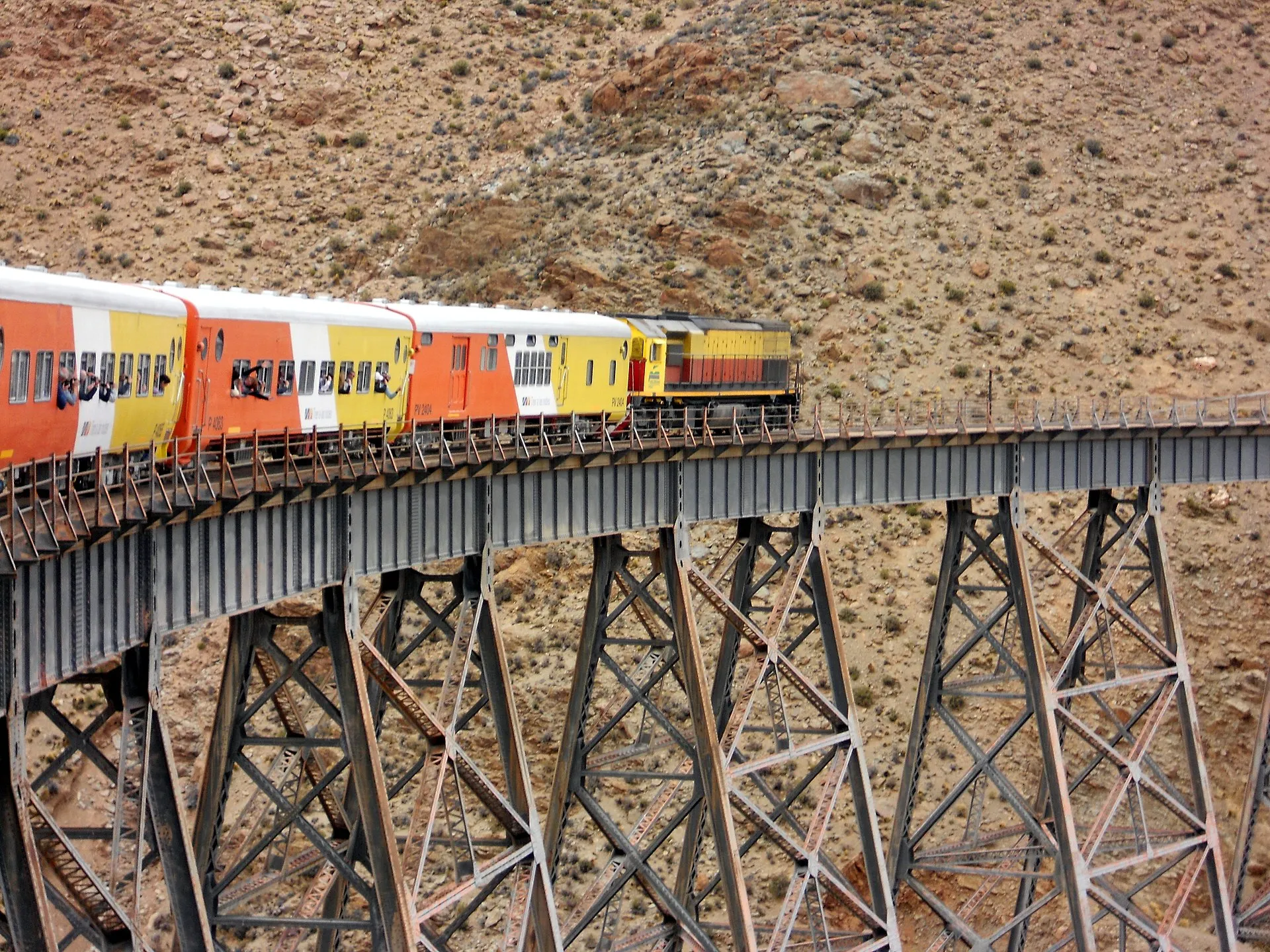
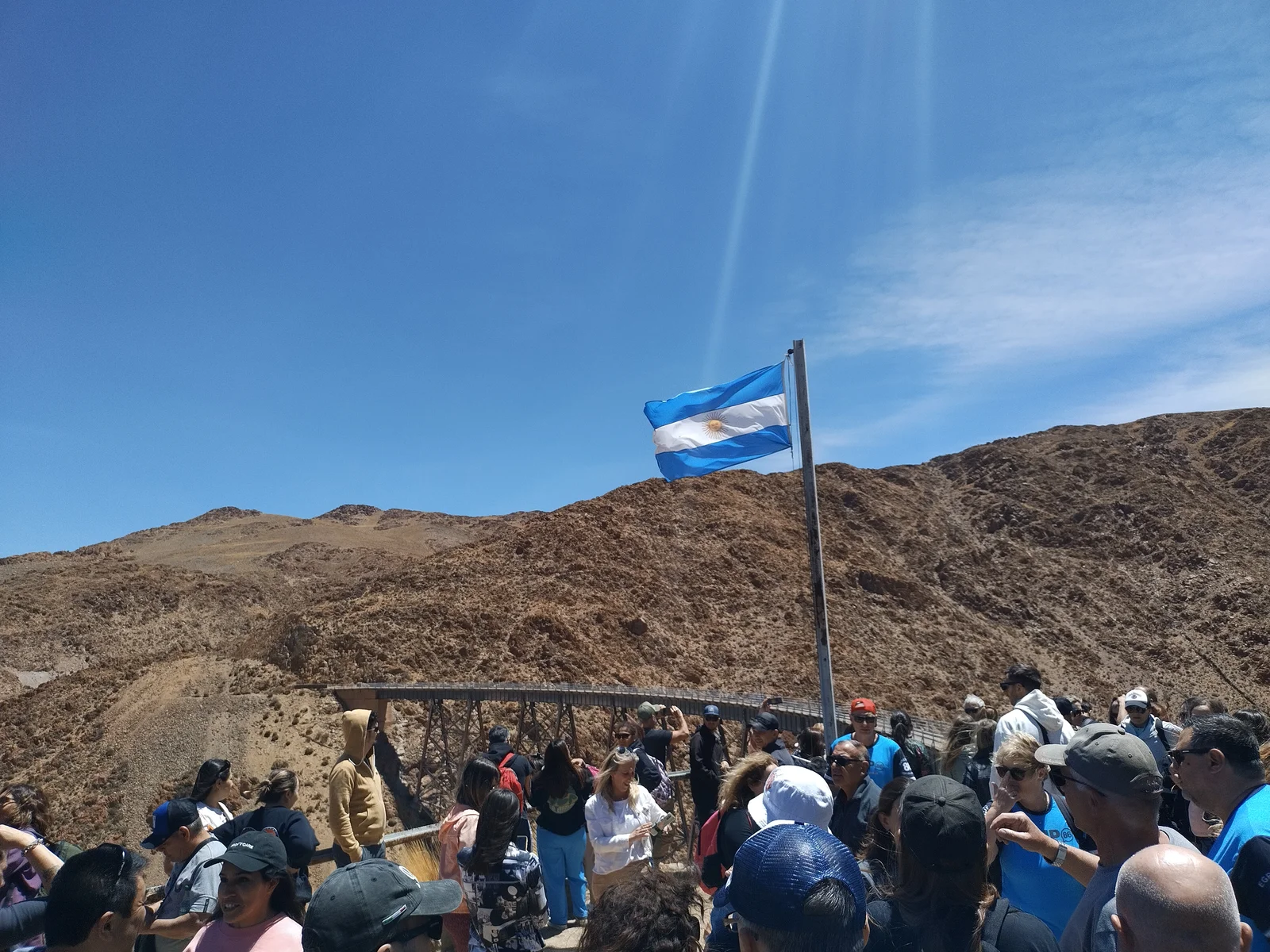
La Polvorilla viaduct: The climactic moment — the train inches across a curved steel bridge 63 meters above a desert gorge at 4,220 meters, with the Puna stretching endlessly in every direction and, on good days, clouds drifting below the tracks. Zigzags and spirals: The train reverses direction on switchback sections carved into the mountainside — an engineering marvel that lets a conventional train climb gradients that would defeat any straight track. The route includes 29 bridges, 21 tunnels, 13 viaducts, and 2 spirals along its course. Quebrada del Toro: The canyon section of the route cuts through polychrome rock formations — reds, purples, and greens layered by millions of years of geological activity. San Antonio de los Cobres: A remote altiplano mining town at 3,775 meters where passengers stretch their legs, buy artisan crafts from Kolla vendors, and adjust to the altitude before the final ascent.
Observation Points
The viaduct itself is the undeniable highlight — 20 minutes of standing on a curved steel bridge with nothing but desert gorge 63 meters below. On clear days, the view extends across the Puna plateau to distant volcanic peaks along the Chilean border. During the ascent, the zigzag sections offer changing perspectives on the Quebrada del Toro canyon: watch for the moment the train reverses and the landscape swings from one window to the other. From the right-side windows heading west, the canyon walls display vivid mineral strata — reds, purples, and greens — best lit in morning sun. At San Antonio de los Cobres, the town's altitude and stark surroundings give a taste of Puna life, with vicuñas sometimes visible grazing on the outskirts. The descent offers golden afternoon light flooding the canyon, and guides point out abandoned mining settlements and pre-Columbian terracing on the hillsides that most passengers miss.
Tren a las Nubes in Pictures
When to Visit
Operating season: Typically April through November (schedules change yearly — check the official website). Departure: The experience is a full day — bus departure from Salta around 6 AM, return by evening. Best months: May through September offers the clearest skies and most stable weather at altitude. Avoid: January through March — summer rains and heat make the route less comfortable and services may be suspended. Duration: Full day (approximately 15 hours door-to-door from Salta).
Admission and Costs
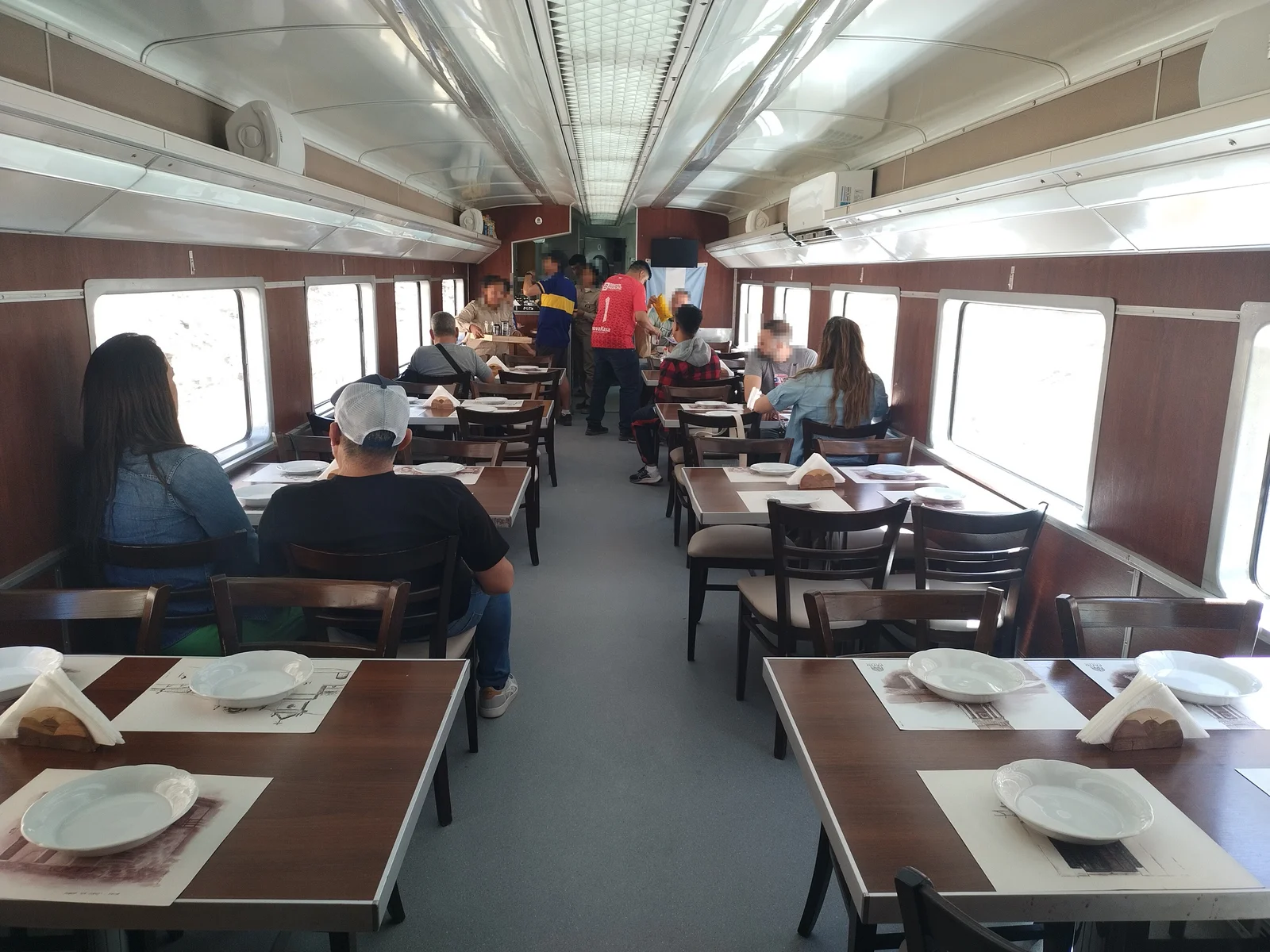
Train ticket (includes bus transfer): AR$40,000-80,000 ($40-80) depending on class and season. Guided tour with ticket and transport: AR$80,000-150,000 ($80-150). Multi-day northwest circuit (Quebrada de Humahuaca + Train + Cafayate): AR$250,000-500,000 ($250-500) for 3-4 days. On-board meals and mate de coca: Included in most ticket classes.
Tips for Visitors
Altitude preparation is essential: You climb from 1,187 meters (Salta) to 4,220 meters in hours. Chew coca leaves, drink mate de coca (provided on board), avoid alcohol the night before, and hydrate aggressively. Dress in layers: The temperature at the viaduct can be 20-25°C colder than Salta. Bring a warm jacket, hat, gloves, and sunscreen — UV intensity at 4,200 meters is severe. Book well ahead: Tickets sell out weeks in advance during peak season (July holiday period). Book through the official website or a trusted Salta tour operator. Medical considerations: The train carries a doctor and oxygen tanks, but people with serious heart or respiratory conditions should consult their physician before attempting the trip. Photography: The viaduct stop allows about 20 minutes for photos — claim a window seat on the right side of the train (heading west) for the best canyon views during the ascent. Combine with Quebrada de Humahuaca: A multi-day northwest circuit linking the train, the canyon, Purmamarca, and Cafayate wine country is the best way to experience Salta province.
Frequently Asked Questions
What is the operating season and departure schedule for Tren a las Nubes?
Operating season: Typically April through November (schedules change yearly — check the official Tren a las Nubes website). Departure: The experience is a full day — bus departure from Salta around 6 AM, return by evening.
What does a visit to Tren a las Nubes cost?
Train ticket (includes bus transfer): AR$40,000-80,000 ($40-80) depending on class and season. Guided tour with ticket and transport: AR$80,000-150,000 ($80-150).
How should visitors prepare for the extreme altitude on Tren a las Nubes?
Altitude preparation is essential: You climb from 1,187 meters (Salta) to 4,220 meters in hours. Chew coca leaves, drink coca tea (provided on board), avoid alcohol the night before, and hydrate aggressively.