
Salta timeline
-
Salta founded
Spanish settlement created the colonial grid that still frames the historic center.
-
Battle of Salta
Independence forces won a key victory that made the city part of Argentina's patriotic geography.
-
Mountain railway opens
The high-altitude rail route later known for Tren a las Nubes tied Salta to Andean engineering.
Cited city facts
Key facts for visiting Salta
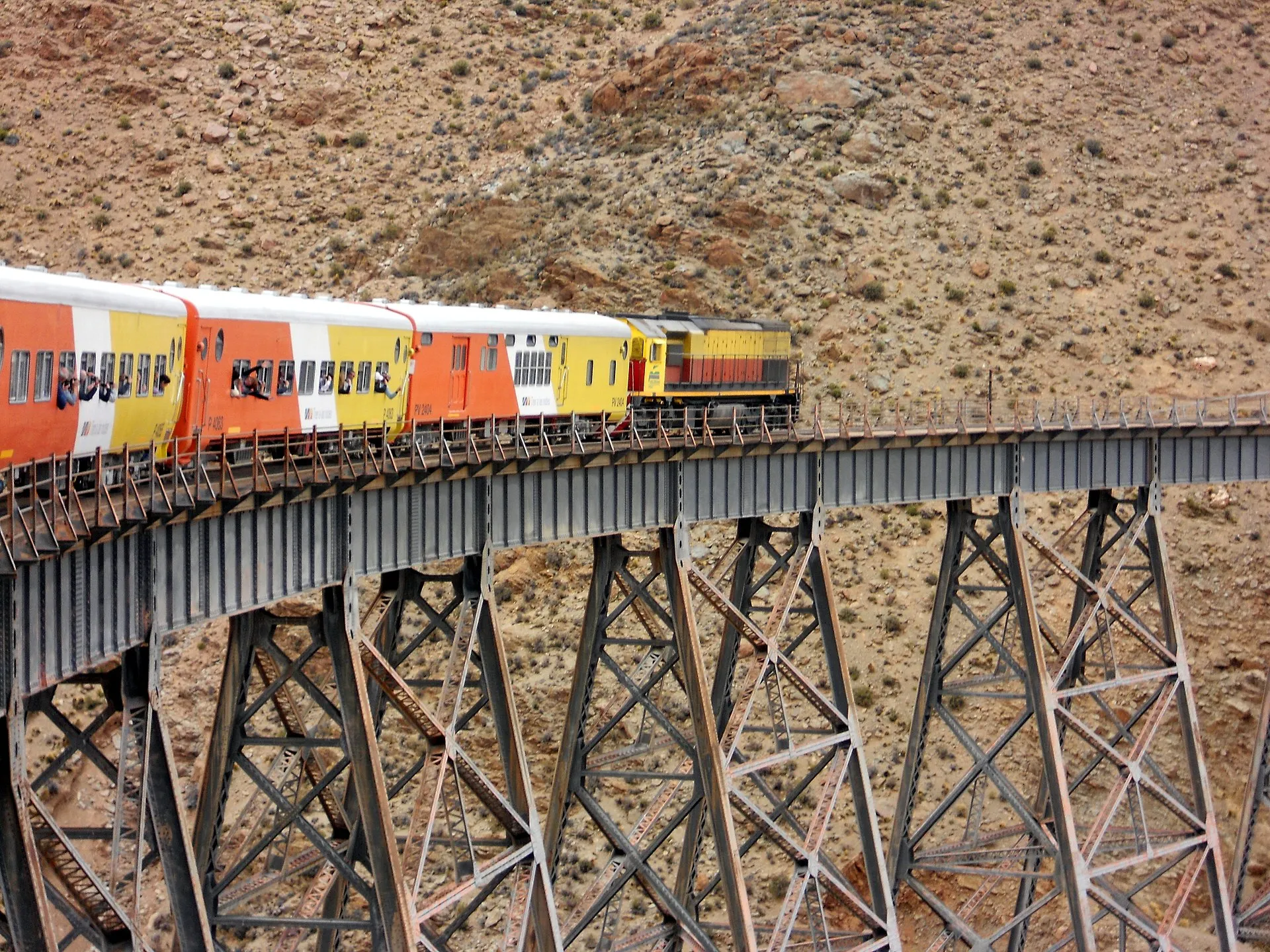
Tren a las Nubes reaches 4,220 meters altitude
The Train to the Clouds crosses the La Polvorilla viaduct — 224 meters long and 63 meters high — making it one of the highest railway bridges on Earth
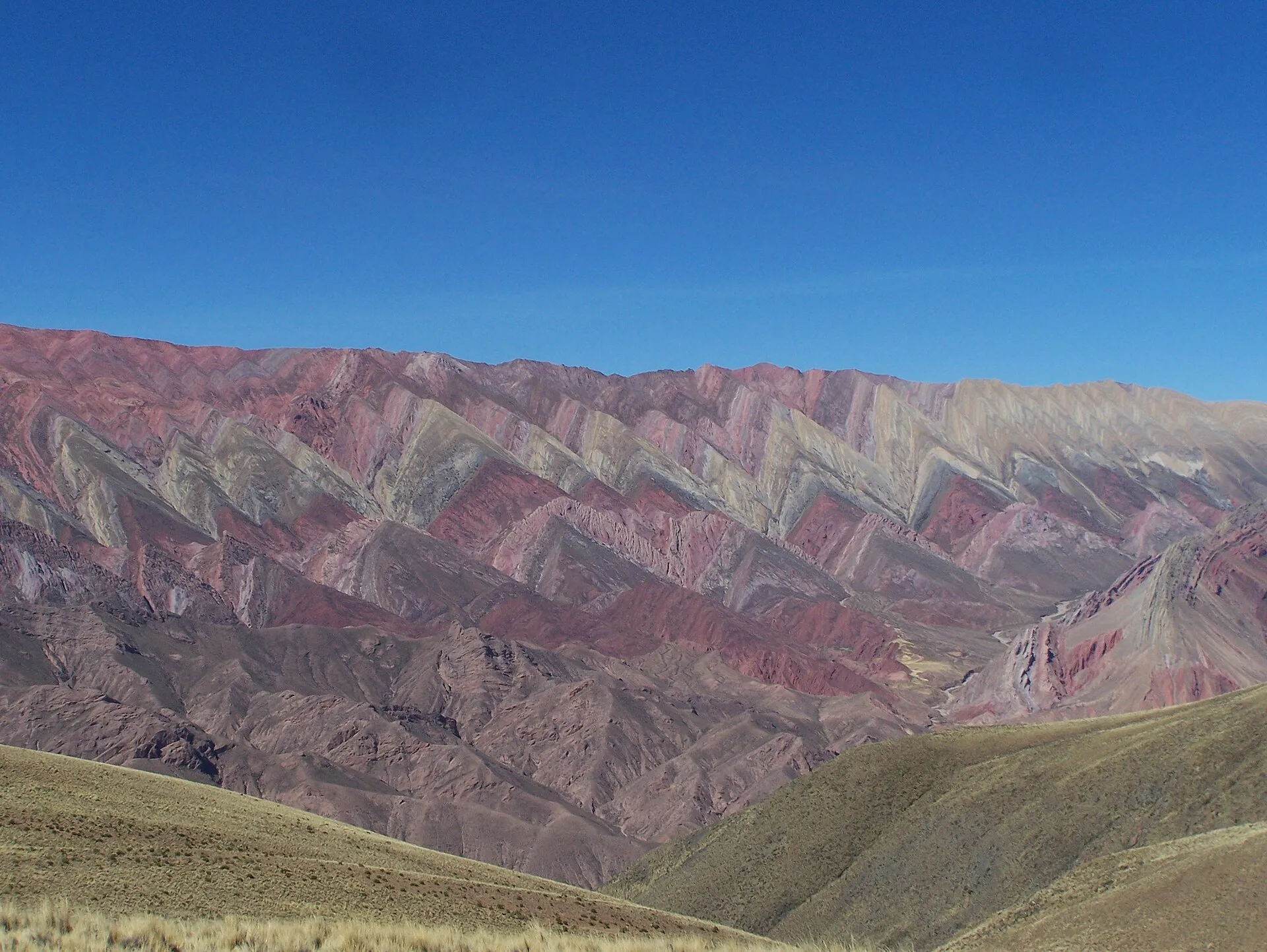
Quebrada de Humahuaca: 10,000 years of continuous habitation
This UNESCO World Heritage canyon preserves pre-Inca settlements, colonial chapels, and living Quechua communities along a trade route that predates the Inca Empire
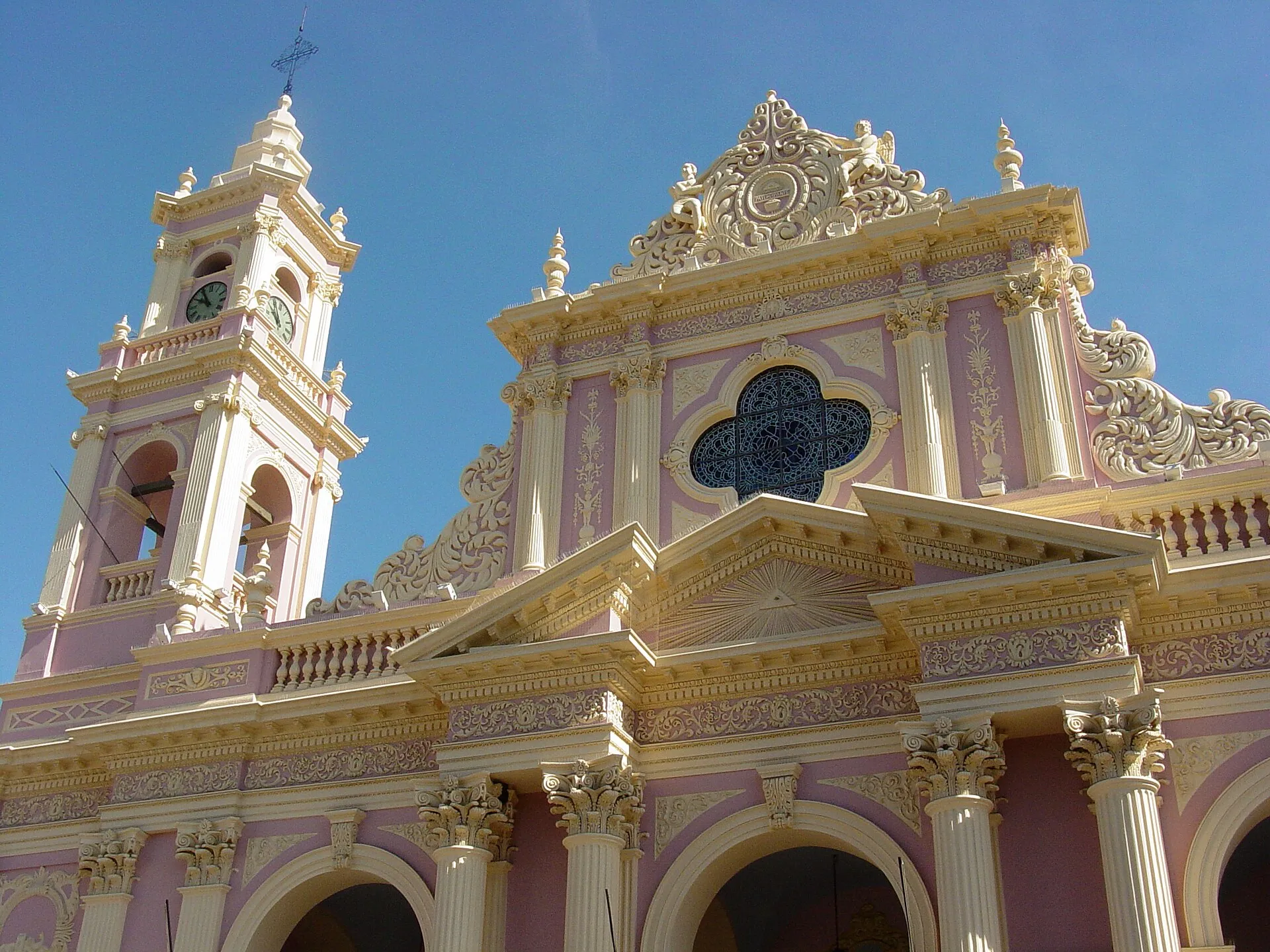
Salta's cathedral holds Argentina's patron saints since 1692
The Senor del Milagro and Virgen del Milagro statues have been venerated for over 330 years after an earthquake stopped following a religious procession, according to local tradition
Cafayate vineyards sit at 1,660 meters elevation
Among the highest commercial wine regions in the world, the Calchaqui Valley's extreme altitude and 340 days of sunshine per year produce Argentina's signature Torrontes white grape
Source: tour-guide.com — Free to cite with attribution
Things to see
What are the top attractions in Salta?
- Quebrada de Humahuaca — Drive through a geological storybook of folded, multicolored rock with stops at Purmamarca's Cerro de los Siete Colores and the Pucará de Tilcara fortress
- Tren a las Nubes — Cross the La Polvorilla viaduct at 4,220 meters and gaze across the vast, empty Puna altiplano
- Cafayate wine country — The Calchaquí Valleys produce Argentina's best Torrontés white wine, and the drive through Quebrada de las Flechas is jaw-dropping
- Cerro San Bernardo — Take the teleférico (cable car) for sunset views over the city and the Lerma Valley below
- Peña folklore nights — Salta's peñas are intimate folk music venues where guitarists, dancers, and empanada sellers keep traditions alive that stretch back generations
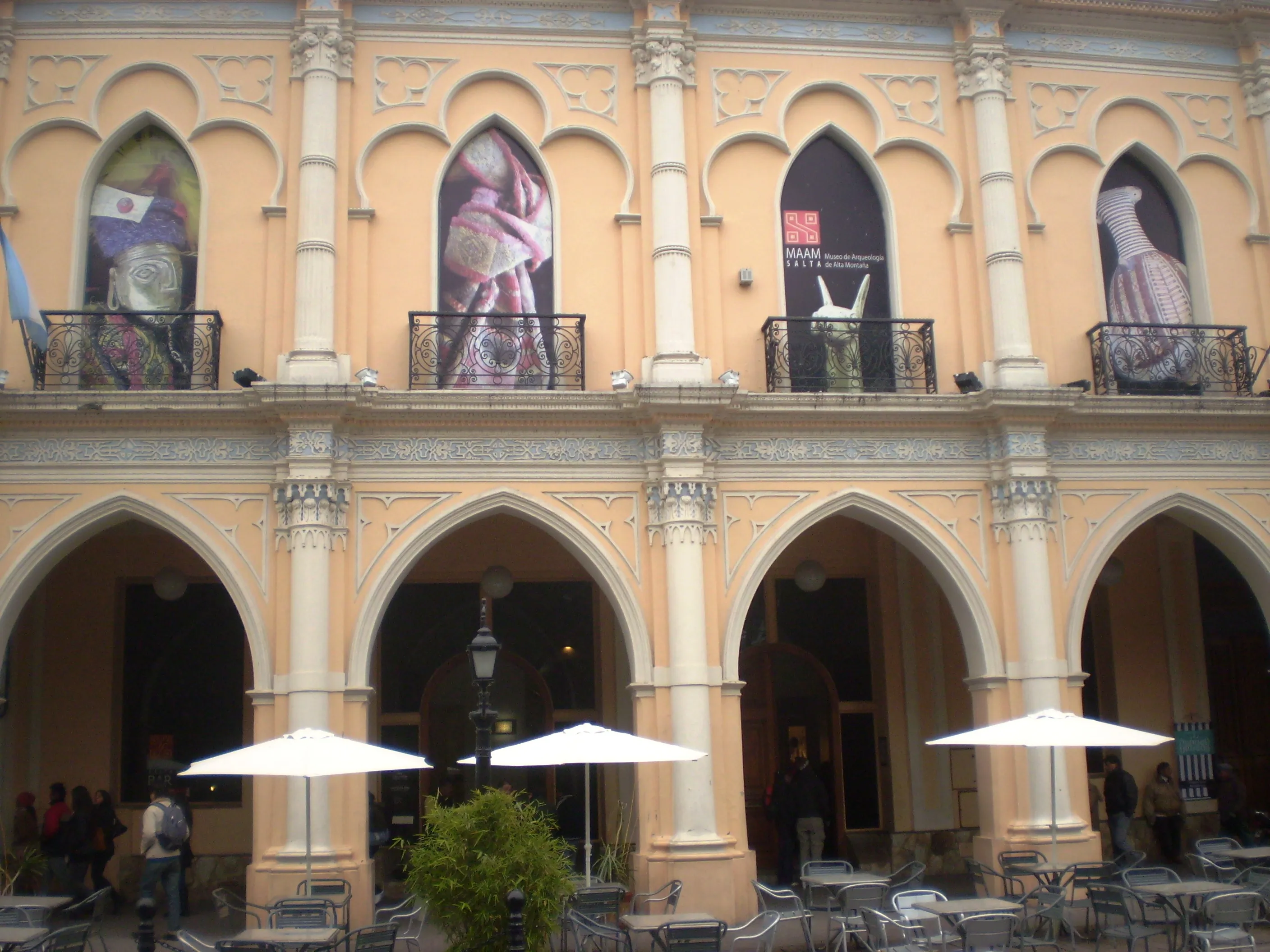
Museo de Arqueología de Alta Montaña (MAAM)
Three Inca children, frozen on a volcano for 500 years, rest in the heart of Salta
Quebrada de Humahuaca
A canyon of painted rock, pre-Inca ghosts, and Quechua voices echoing through 10,000 years
Tren a las Nubes
A railway that touches the clouds — crossing the Andes at 4,220 meters above sea level
Guide planning
How much does a tour guide cost in Salta?
| Tour Type | Price | Details |
|---|---|---|
| City Walking Tour | AR$15,000-25,000 ($15-25) | Per person |
| Humahuaca Day Trip | AR$50,000-90,000 ($50-90) | With transport |
| Tren a las Nubes | AR$80,000-150,000 ($80-150) | Ticket + guide |
| Multi-Day Northwest Circuit | AR$120,000-250,000 ($120-250) | Per day |
Season planner
When is the best time to visit Salta?
- Best season — April through November is dry season with clear skies and cool nights. December through March brings afternoon rains that can flood canyon roads and close mountain passes
Spring
Mar-May
Summer
Jun-Aug
Autumn
Sep-Nov
Winter
Dec-Feb
Each score averages that season’s monthly ratings out of 5. The top-rated window is usually the peak season too, so read the guidance above for its trade-offs before you book.
On the ground
How do you get around Salta?
- Walking — Salta city centre is compact and walkable around Plaza 9 de Julio, with local buses and affordable remises (private cars) covering the wider urban area
- Multi-day circuits — For canyon and mountain excursions, multi-day circuits with an experienced driver-guide are the safest and most enjoyable option — the Quebrada de Humahuaca is 290 km north and Cafayate is 190 km south, both along winding mountain roads
- Altitude awareness — Salta city sits at 1,187 meters, but excursions climb fast — Humahuaca reaches 2,939 m and the Tren a las Nubes peaks at 4,220 m. Chew coca leaves or drink coca tea to ease symptoms
- Indigenous communities — The northwest is home to Quechua, Diaguita, and Kolla communities — a respectful guide helps you engage authentically with markets, ceremonies, and artisan workshops
Frequently Asked Questions
What is the best time to visit Salta?
Best season: April through November is dry season with clear skies and cool nights. December through March brings afternoon rains that can flood canyon roads and close mountain passes.
How much does a tour guide cost in Salta?
City Walking Tour: AR$15,000-25,000 ($15-25 per person). Humahuaca Day Trip: AR$50,000-90,000 ($50-90 with transport). Tren a las Nubes: AR$80,000-150,000 ($80-150 ticket + guide).
How do you get around Salta?
Salta city centre is compact and walkable around Plaza 9 de Julio, with local buses and remises covering the wider urban area. For excursions to Humahuaca (290 km) or Cafayate (190 km), hire a driver-guide or join organized tours, as mountain roads require experience.