
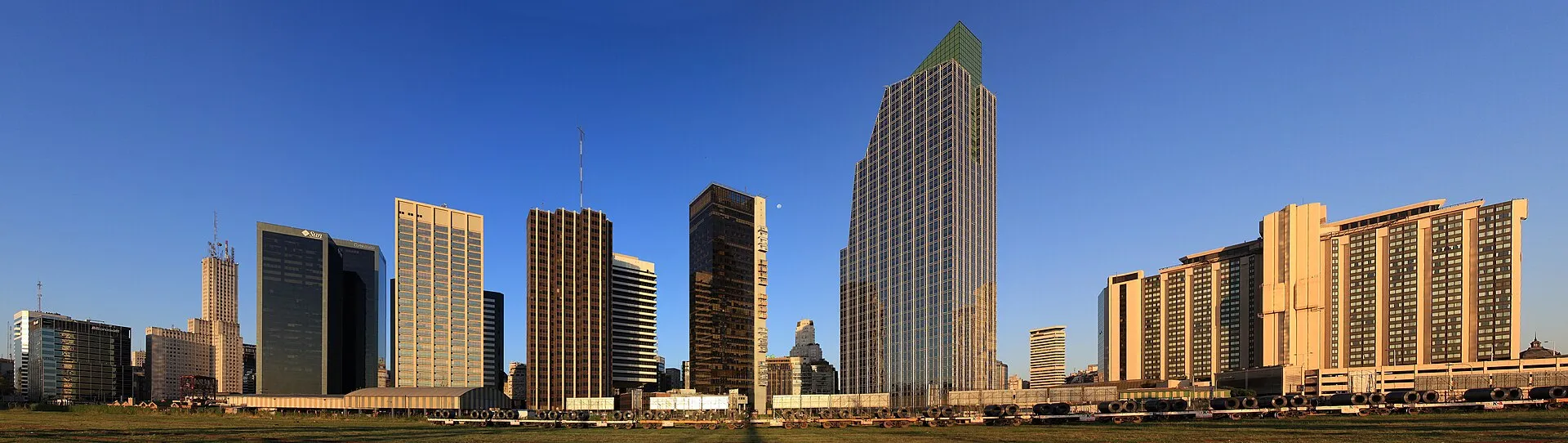
Buenos Aires timeline
-
First Spanish settlement
Pedro de Mendoza founded the first settlement near the Rio de la Plata before it was abandoned.
-
City refounded
Juan de Garay refounded Buenos Aires, fixing the colonial grid behind the historic center.
-
May Revolution
Plaza de Mayo became the stage for the revolution that opened Argentina's independence era.
-
Federal capital declared
Buenos Aires became the federal capital, concentrating national politics, ports, and civic monuments.
Cited city facts
Key facts for visiting Buenos Aires
48 barrios, each with a distinct identity
Buenos Aires is officially divided into 48 neighborhoods, from the old-money elegance of Recoleta to the gritty artistic energy of La Boca — more distinct districts than Manhattan
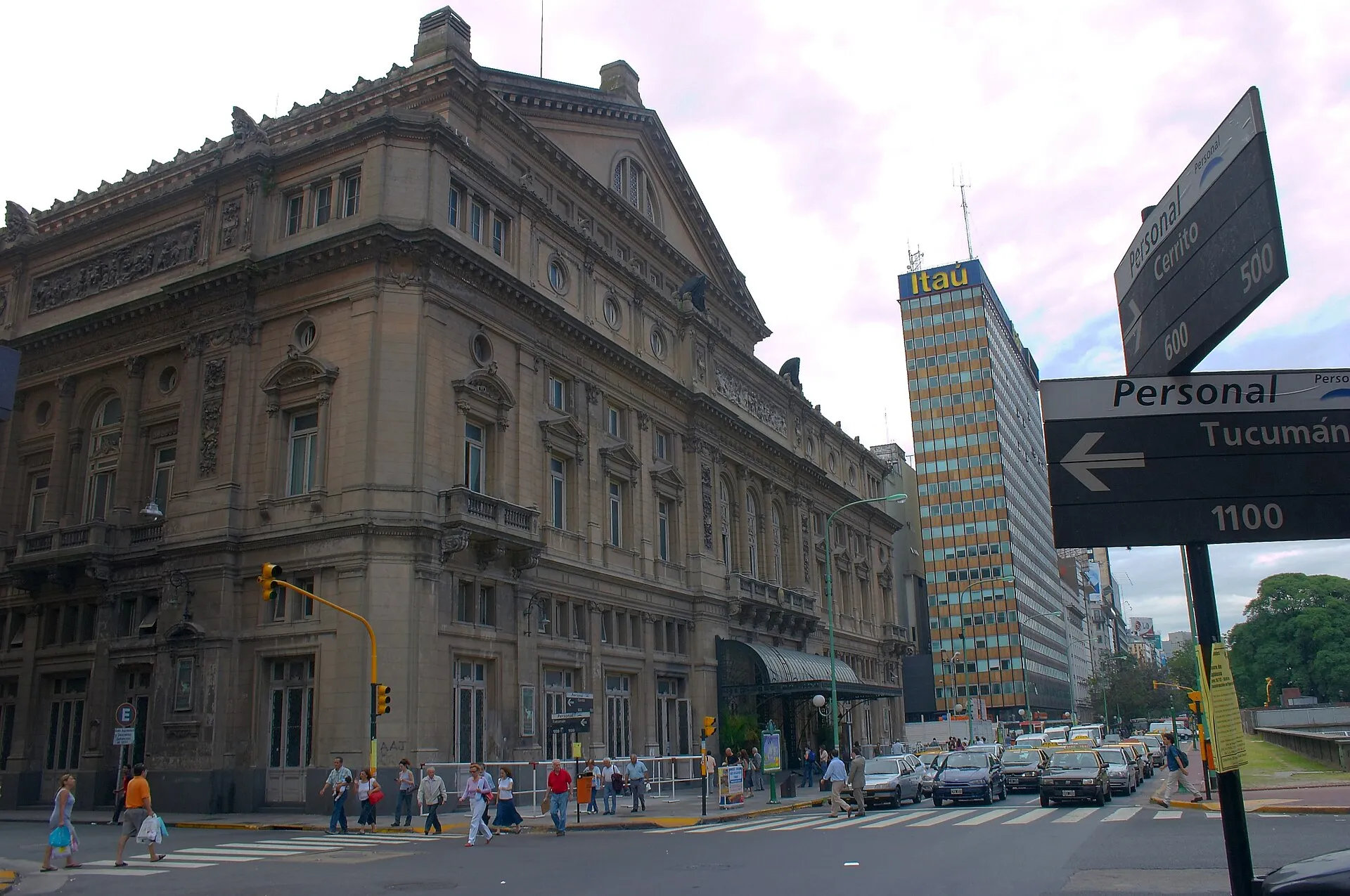
Teatro Colon seats 2,487 with standing room for 1,000
Opened in 1908 after 20 years of construction, the opera house is ranked among the top five in the world for its acoustic perfection
Over 10 million kilograms of beef consumed daily across Argentina
Argentines eat more beef per capita than almost any other nation — roughly 50 kg per person per year — and Buenos Aires parrillas are the epicenter of this culinary tradition
Recoleta Cemetery holds 4,691 above-ground vaults
Spread across 5.5 hectares, the cemetery contains the remains of 26 Argentine presidents, Nobel Prize winners, and Eva Peron in a necropolis declared a National Historic Monument in 1946
Source: tour-guide.com — Free to cite with attribution
Things to see
What are the top attractions in Buenos Aires?
- Recoleta Cemetery with a historian guide — Understanding who's buried here is understanding Argentine history itself
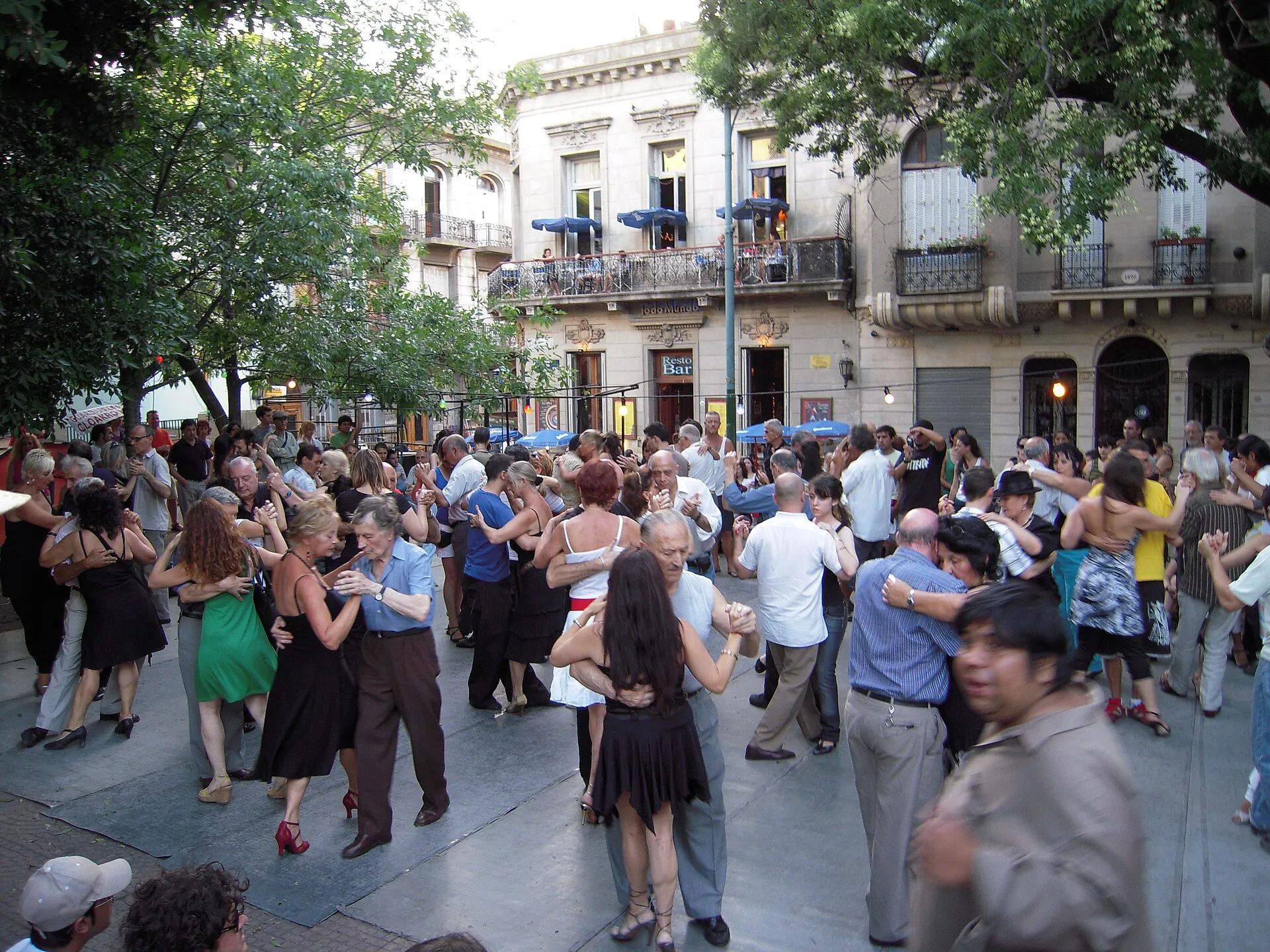
- Tango in a real milonga — Skip the tourist dinner shows and have a guide take you to a genuine neighborhood milonga where locals dance until 4 AM
- Parrilla experience — A guided food tour through the best steakhouses reveals why Argentine beef is considered the finest in the world
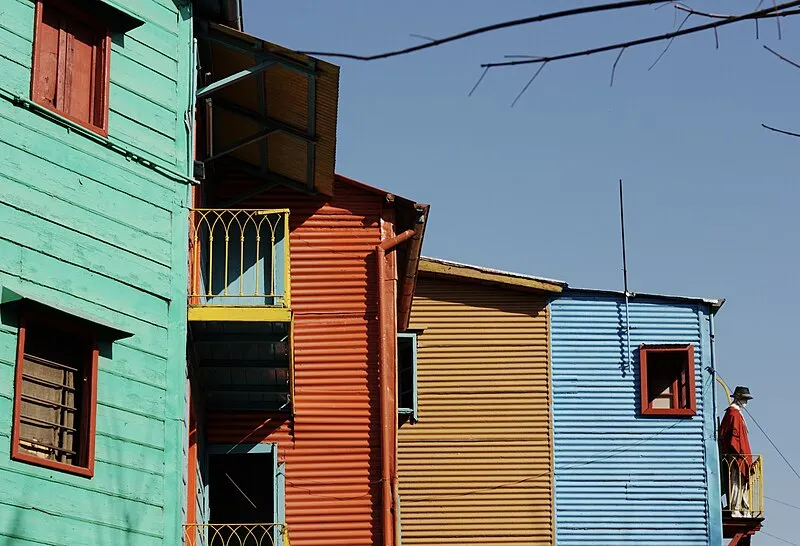
- La Boca beyond Caminito — The real neighborhood beyond the tourist strip is where immigrant Italian families invented tango in dimly lit bars
- El Ateneo Grand Splendid — A 1920s theater converted into the world's most beautiful bookshop, with the original painted ceiling and stage curtain intact
- San Telmo Sunday market — Sprawling antique and craft market along Defensa street, with tango dancers performing at every corner
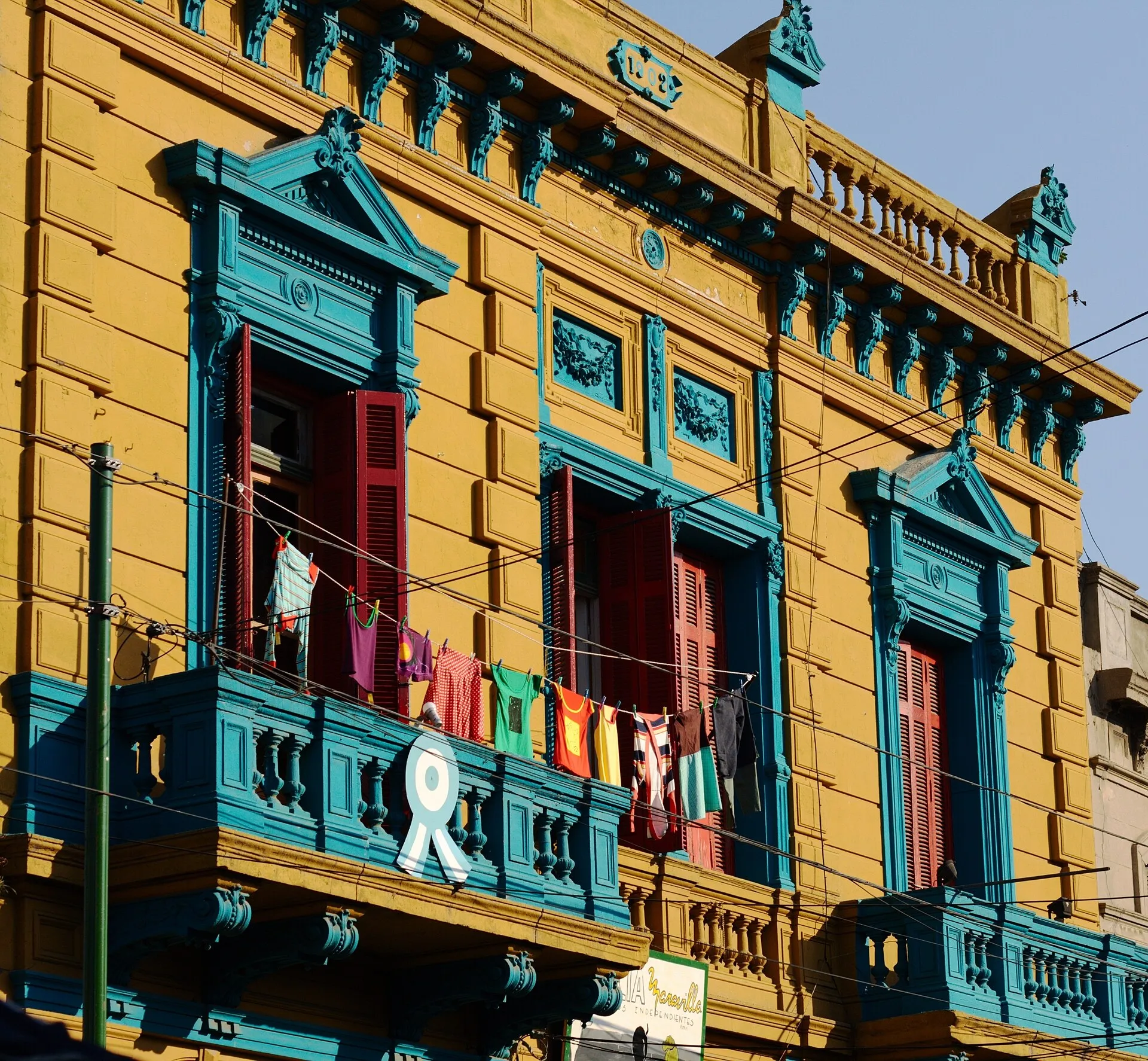
La Boca
Painted houses, tango in the streets, and football religion at the Riachuelo's edge
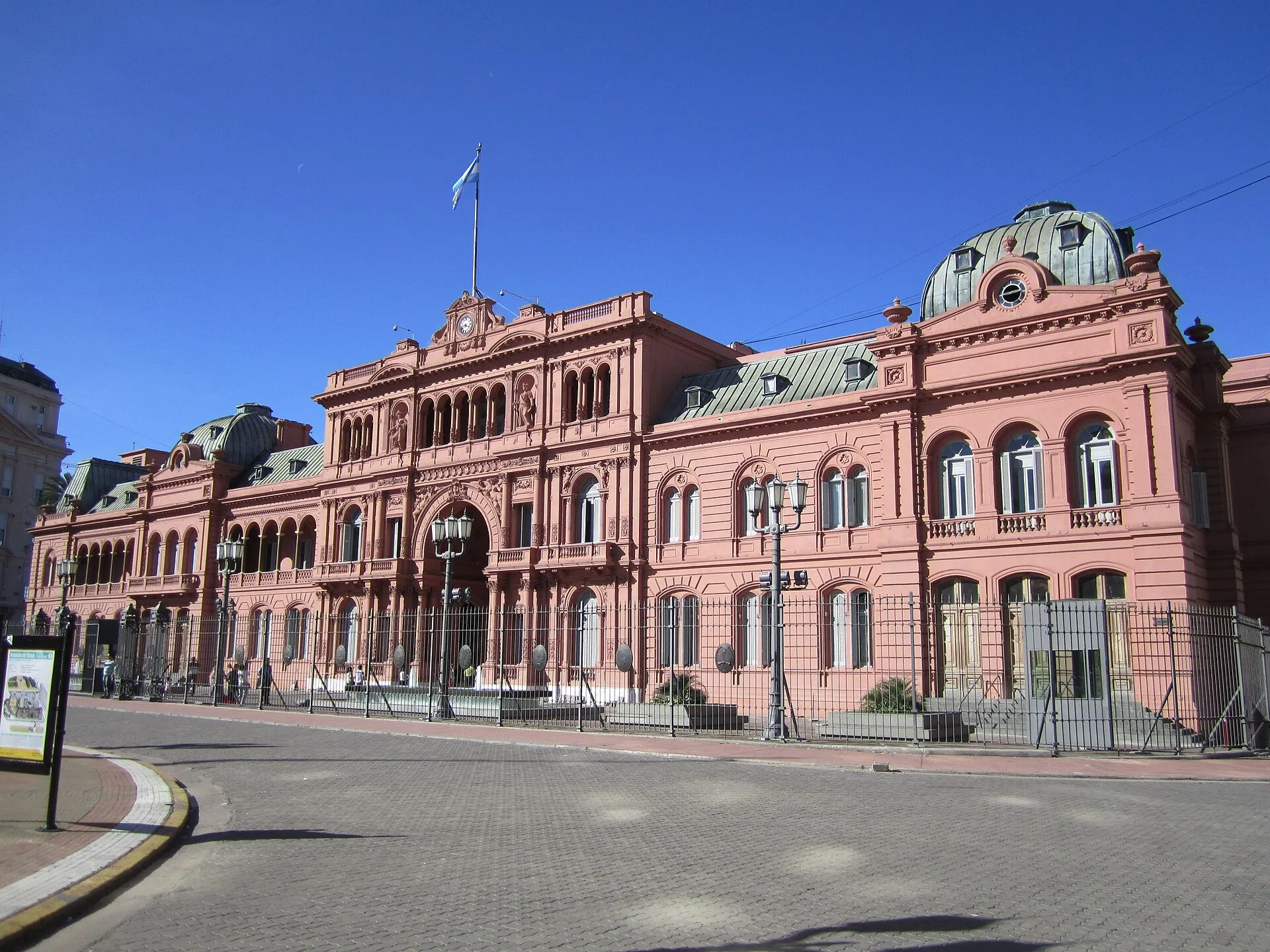
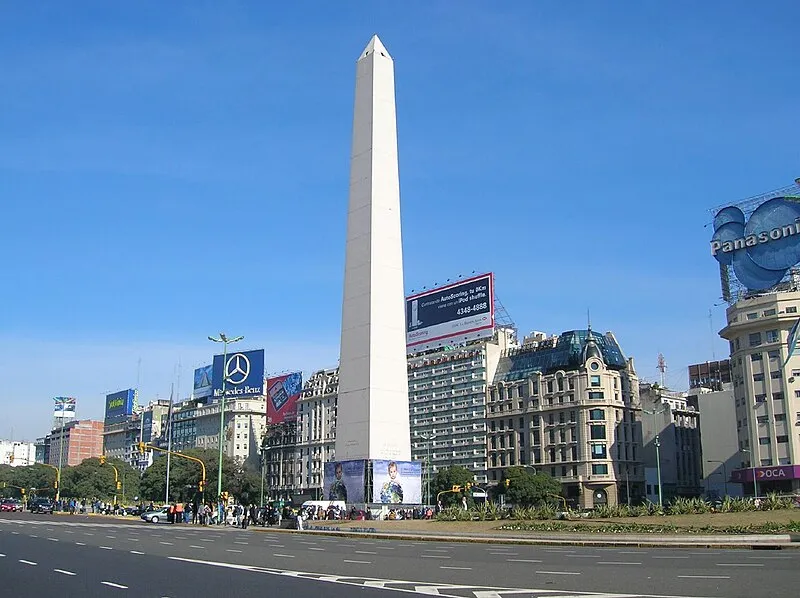
Plaza de Mayo
Where every Argentine revolution began — and where the Mothers still march every Thursday
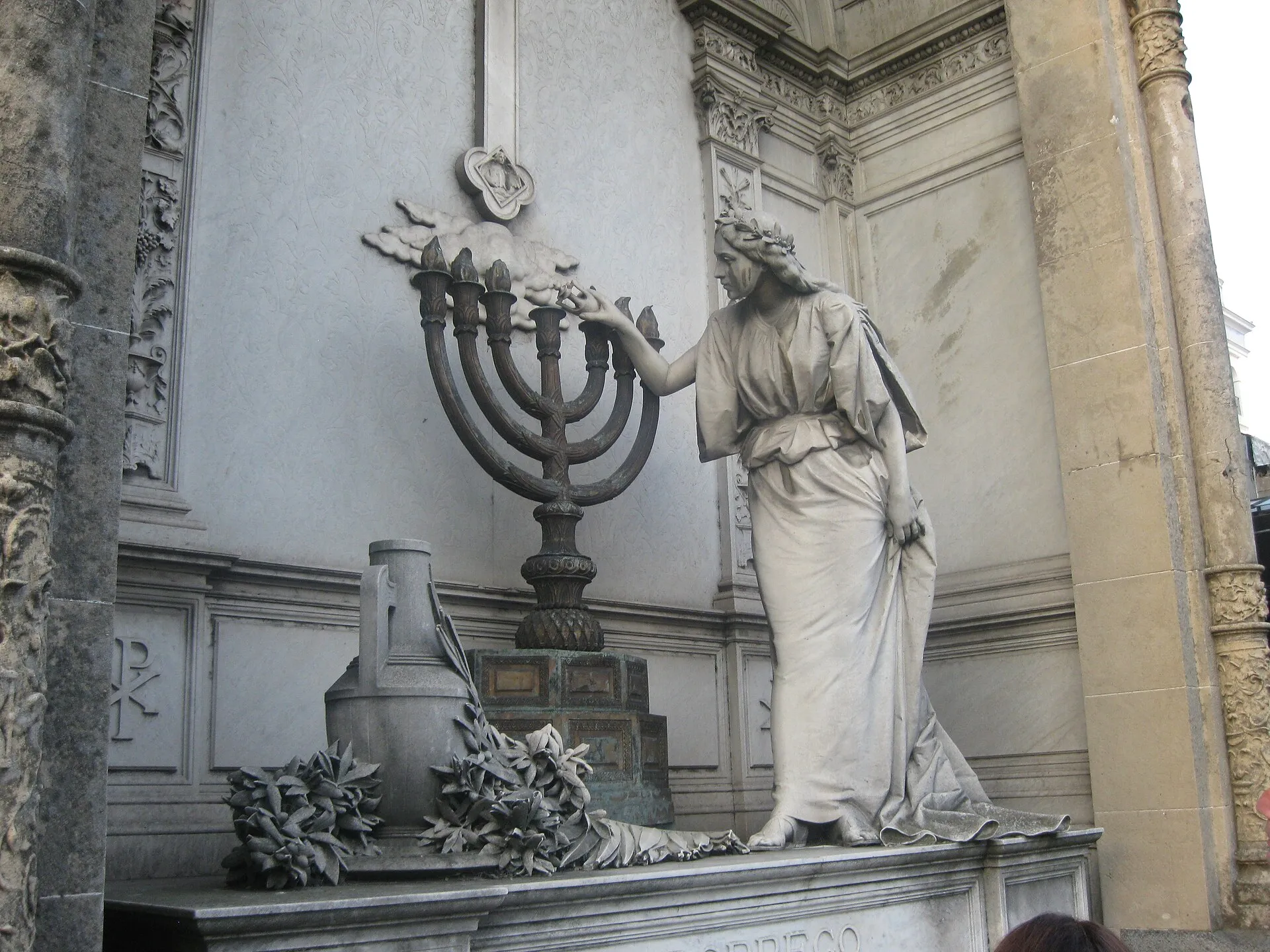
Recoleta Cemetery
A city of the dead where Argentina's history is carved in marble
San Telmo
Cobblestones, antiques, and milongas — the soul of old Buenos Aires
Teatro Colón
Seven tiers of velvet and gold — where the world's greatest voices come to be tested
Guide planning
How much does a tour guide cost in Buenos Aires?
Marcelo Alejandro Mansilla is a licensed guide and a Buenos Aires native. He has nineteen years of experience and over 500 five-star reviews. He runs city tours on foot or by car, day trips to the Tigre Delta, and cruise-ship shore excursions. You can book each one directly, with clear prices and WhatsApp support.
Elisabet and Barbara have guided travellers here since 2007. Along the way they earned a TripAdvisor Travellers' Choice Award. Their eight tours range from a half-day city walk to a full-day gaucho trip in San Antonio de Areco. They also run a Tigre Delta boat tour and a tango evening. Every tour is private and bookable direct.
| Tour Type | Price | Details |
|---|---|---|
| Walking Tours | AR$10,000-20,000 ($10-20) | Per person |
| Tango & Milonga Experience | AR$25,000-50,000 ($25-50) | Including lesson |
| Food & Wine Tours | AR$30,000-60,000 ($30-60) | Including tastings |
| Full-Day Private | AR$60,000-120,000 ($60-120) | — |
Book a Local Guide
The guides below are independent local businesses we recommend purely on editorial merit. We don't sell placement and we earn no commission when you book with them — see our booking and affiliate disclosure.
CiceroneBA — Marcelo Mansilla
Marcelo Alejandro Mansilla is a licensed guide and a Buenos Aires native. He has nineteen years of experience and over 500 five-star reviews. He runs city tours on foot or by car, day trips to the Tigre Delta, and cruise-ship shore excursions. You can book each one directly, with clear prices and WhatsApp support.
Iconic Buenos Aires — Elisabet & Barbara
Elisabet and Barbara have guided travellers through Buenos Aires since 2007. Along the way they earned a TripAdvisor Travellers’ Choice Award. Their eight tours range from a half-day city walk to a full-day gaucho trip in San Antonio de Areco. They also run a Tigre Delta boat tour and a tango evening. Every tour is private and bookable direct.
Season planner
When is the best time to visit Buenos Aires?
- Best months — March through May (autumn) and September through November (spring) offer mild weather. Buenos Aires summers (December-February) are brutally humid
Spring
Mar-May
Summer
Jun-Aug
Autumn
Sep-Nov
Winter
Dec-Feb
Each score averages that season’s monthly ratings out of 5. The top-rated window is usually the peak season too, so read the guidance above for its trade-offs before you book.
On the ground
How do you get around Buenos Aires?
The Subte is Buenos Aires' metro. Its six lines cover the central neighborhoods, and it's the fastest way across town. One ride costs a fraction of a taxi fare. Colectivos (city buses) reach every corner of the capital. Their route numbers and cash-only fares confuse newcomers, so a guide or the BA Cómo Llego app helps a lot. The metro shuts down around 11 PM. After that, ride-share apps and licensed radio taxis are the safest way home from late-night milongas. Recoleta, Palermo, and San Telmo are all easy to walk by day. The flat streets make cycling comfortable too, and the city's Ecobici bike-share stations dot the main avenues. Tip 10-15% in restaurants, and round up your taxi fare.
Frequently Asked Questions
What is the best time to visit Buenos Aires?
Best months: March through May (autumn) and September through November (spring) offer mild weather. Buenos Aires summers (December-February) are brutally humid.
How much does a tour guide cost in Buenos Aires?
Walking Tours: AR$10,000-20,000 ($10-20 per person). Tango & Milonga Experience: AR$25,000-50,000 ($25-50 including lesson). Food & Wine Tours: AR$30,000-60,000 ($30-60 including tastings).
How do you get around Buenos Aires?
The Subte metro has six lines covering central neighborhoods and is the fastest way around the city. Colectivos (city buses) reach every corner of Buenos Aires, and taxis or ride-share apps are plentiful after the metro shuts down around 11 PM. Neighborhoods like Recoleta, Palermo, and San Telmo are very walkable for exploring on foot.