
Walking Route
Walking Routes
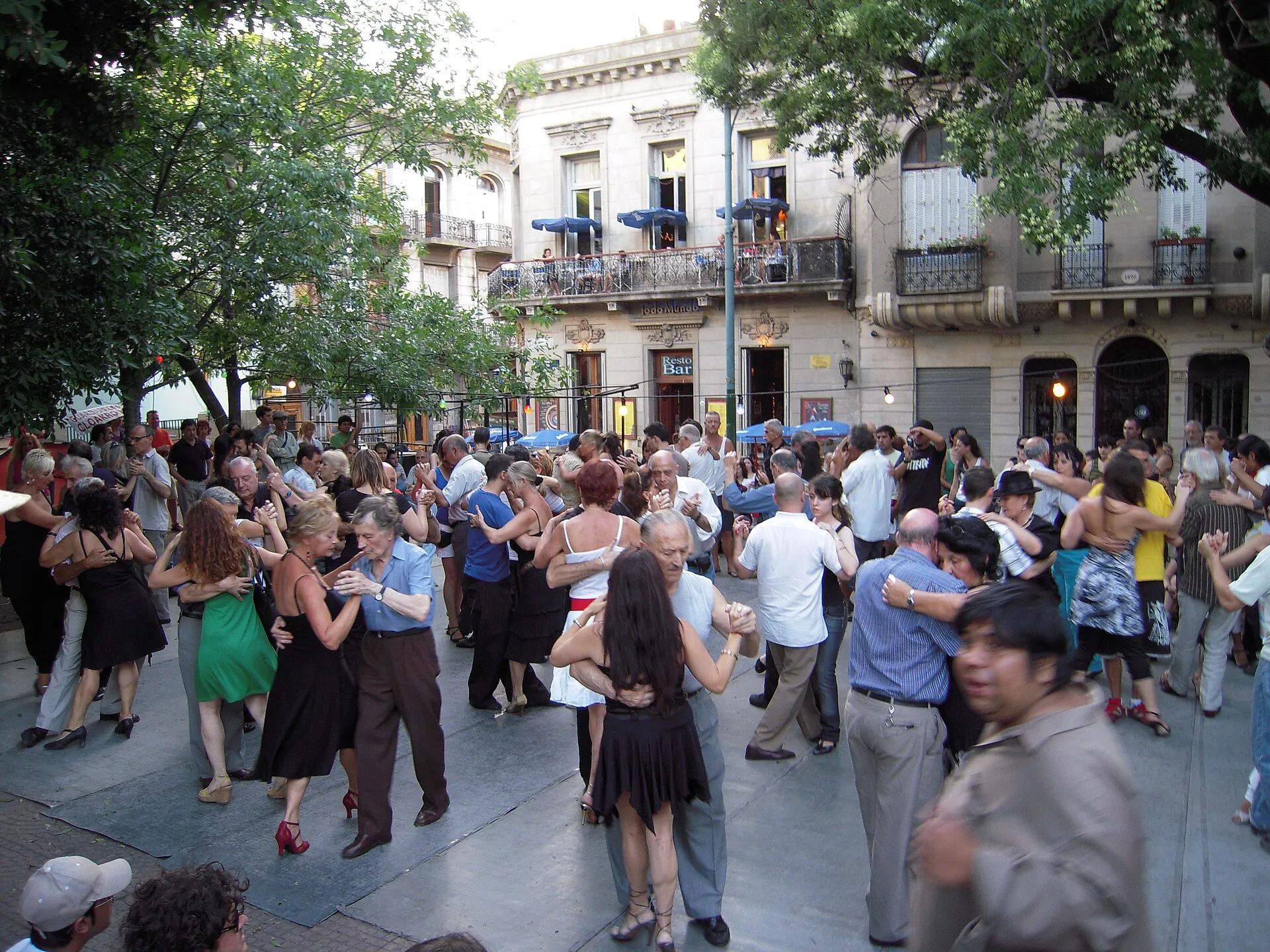
- Feria de San Telmo: one of South America's great street fairs — thirty blocks of silverware, vinyl, vintage cameras, gaucho knives, and mate gourds, with tango performers at nearly every intersection.
- Plaza Dorrego: the barrio's best photograph — shoot the Sunday tango couples from the café terraces on the square, where late-afternoon light rakes across the cobbles.
- Mercado de San Telmo: the 1897 iron-and-glass hall where vendors sell produce, artisan cheese, cured meats, and what regulars swear are the neighborhood's best empanadas; the light through the roof trusses rewards a photographer.
- Pasaje de la Defensa: a former single-family mansion at Defensa 1179, now a covered arcade of antique shops entered through an ornate 19th-century doorway most visitors miss.
- El Zanjón de Granados: guided descents into the brick tunnels and cisterns beneath Defensa 755 reveal the buried waterway and colonial foundations of the original city.
- Museo de Arte Moderno: the city's modern-art museum on Avenida San Juan pairs a serious permanent collection with a cool, quiet break from the Sunday crowds.
- Milongas after midnight: San Telmo holds some of the city's most authentic tango venues — El Viejo Almacén at Balcarce and Independencia, and small unmarked basement salons that a guide can find.
Local Life
San Telmo's daily rhythm unfolds far from the Sunday spotlight. On weekday mornings the Mercado de San Telmo belongs to residents filling baskets with vegetables and medialunas (Argentine croissants), while elderly regulars nurse coffees at bares notables — historic cafés protected by city ordinance. The conventillos that once housed immigrant families now shelter artist studios and community tango schools where locals of every age drill the ocho and the gancho. Come evening, bandoneón practice drifts from upper windows and neighborhood parrillas fire up thick asado cuts for regulars who know to arrive before 9 PM. At the barrio's southern edge, Parque Lezama — long held by local tradition to mark the site of the city's first, short-lived founding in 1536 — fills with joggers, chess players, and couples sharing mate on the slopes above the old port. A guide reveals these quiet corners that sit steps from the tourist trail but a world apart — the real pulse of Buenos Aires' oldest neighborhood.
When to Visit
The barrio runs on three different clocks, so plan by what you came for:
- Feria de San Telmo (Sunday antique market): Sundays roughly 10 AM – 5 PM along Calle Defensa and around Plaza Dorrego.
- Mercado de San Telmo (indoor market): daily, about 8 AM – 8 PM, quietest on weekday mornings.
- Milongas: most open after 10 PM and run until 3–5 AM, with the floor filling only after midnight.
Best: Sundays for the market's full carnival energy; weekday evenings for milongas without the tourist crowds. Duration: allow a half day for the market and a separate evening for tango. Arrive by 11 AM on Sunday to browse before the crush.
Admission and Costs
- Market browsing: free entry — antiques run from AR$5,000 trinkets to AR$500,000+ silver pieces.
- Milonga entry: AR$5,000–15,000 ($5–15), typically including one drink.
- Guided San Telmo walking tour: AR$15,000–25,000 ($15–25) per person.
- Private tango + San Telmo experience: AR$50,000–80,000 ($50–80), including milonga entry and a lesson.
- Antique shopping with a specialist guide: AR$30,000–50,000 ($30–50) for about three hours.
Vendors at the outdoor stalls expect to haggle — opening 20–30% below the asking price is normal — while prices inside the Mercado are generally fixed. Many stalls are cash-only, so bring small peso notes.
The Case for a Guide
San Telmo hides most of its best material behind unmarked doors, so a local guide is the difference between a shopping stroll and a genuine reading of the barrio. Guides find milongas that never advertise, thread you through the Sunday crush to the dealers who actually sell rather than pose, and translate both the lunfardo slang of the tango lyrics and the etiquette of the dance floor. A good San Telmo guide adds value by:
- Reading the market: spotting genuine antique silver, colonial-era mate gourds, and vintage soda siphons among the reproductions, and steering your haggling.
- Opening the milongas: knowing which basement salons welcome beginners, when to arrive, and how the cabeceo works so you aren't left standing at the edge of the floor.
- Uncovering the underground city: arranging a descent into El Zanjón de Granados and pointing out the mansion façades, conventillo courtyards, and hidden passages most visitors walk straight past.
- Connecting the history: weaving the 1871 yellow-fever exodus, the immigrant conventillos, and the birth of tango into a single walkable story that runs north to Plaza de Mayo and south toward La Boca.
Tips for Visitors
- Sunday is essential: the Feria de San Telmo runs only on Sundays and the barrio's energy that day is incomparable — arrive by 11 AM to beat the worst crowds.
- Watch your belongings: the Sunday market's density makes it a pickpocket target. Use a cross-body bag and keep your phone in a front pocket.
- Bargain respectfully: vendors expect negotiation outdoors; the indoor Mercado is fixed-price. Start around 20–30% below the sticker.
- Learn the milonga codes: the cabeceo (invitation by eye contact), counter-clockwise floor flow, and silence during a tanda (set of songs) all matter — a class or guide beforehand prevents a faux pas.
- Walk to Plaza de Mayo: head north on Defensa for a 10-minute stroll through Monserrat's colonial blocks to the political heart of the city.
- Don't walk to La Boca alone: the streets between San Telmo and Caminito are best crossed by taxi or with a guide.
Frequently Asked Questions
What season should I plan my San Telmo visit around?
The shoulder seasons of March-May and September-November are ideal, combining comfortable outdoor market weather with the neighborhood's full cultural calendar of milongas and street performances. The famous Sunday antique market runs year-round, but summer heat in January-February thins vendor participation, while autumn's golden light along Calle Defensa is unmatched for atmosphere.
What time of day is best for exploring San Telmo?
Sunday market (Feria de San Telmo): Sundays 10 AM - 5 PM along Calle Defensa. Mercado de San Telmo (indoor market): Daily 8 AM - 8 PM. Milongas: Most open after 10 PM and run until 3-5 AM, with peak energy after midnight.
How much should visitors budget for San Telmo?
Market browsing: Free entry — antiques range from AR$5,000 trinkets to AR$500,000+ silver pieces. Milonga entry: AR$5,000-15,000 ($5-15) typically including a drink. Guided San Telmo walking tour: AR$15,000-25,000 ($15-25) per person.
What safety and milonga etiquette should San Telmo visitors know?
Watch your belongings — the Sunday market's density makes it a pickpocket target. Use a cross-body bag and keep phones in front pockets. Milonga etiquette follows strict codes, and a guide or class beforehand prevents faux pas.
How do I get to San Telmo and where are the best photos?
San Telmo has no Subte station of its own, but Independencia and San Juan stations (Subte Línea C, with Independencia also on Línea E) leave you a few blocks away, and many city buses run along Avenida Independencia and Avenida San Juan; a taxi or rideshare from the center is inexpensive. For photos, Plaza Dorrego during the Sunday feria is unbeatable — capture the tango dancers from the café terraces in late-afternoon light — while Calle Defensa's cobblestones and the iron-and-glass roof of the Mercado de San Telmo reward quieter weekday mornings.