
Architecture
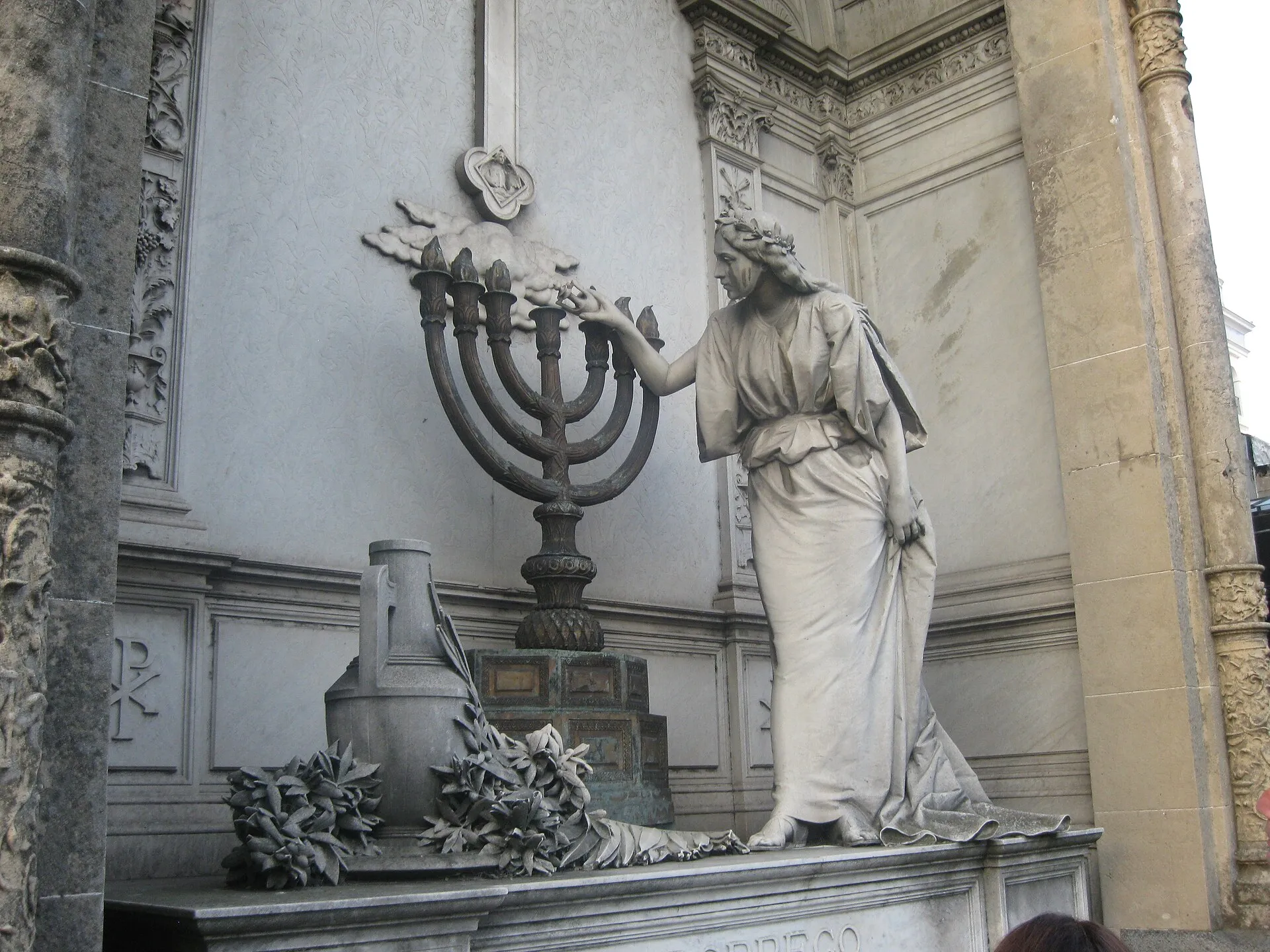
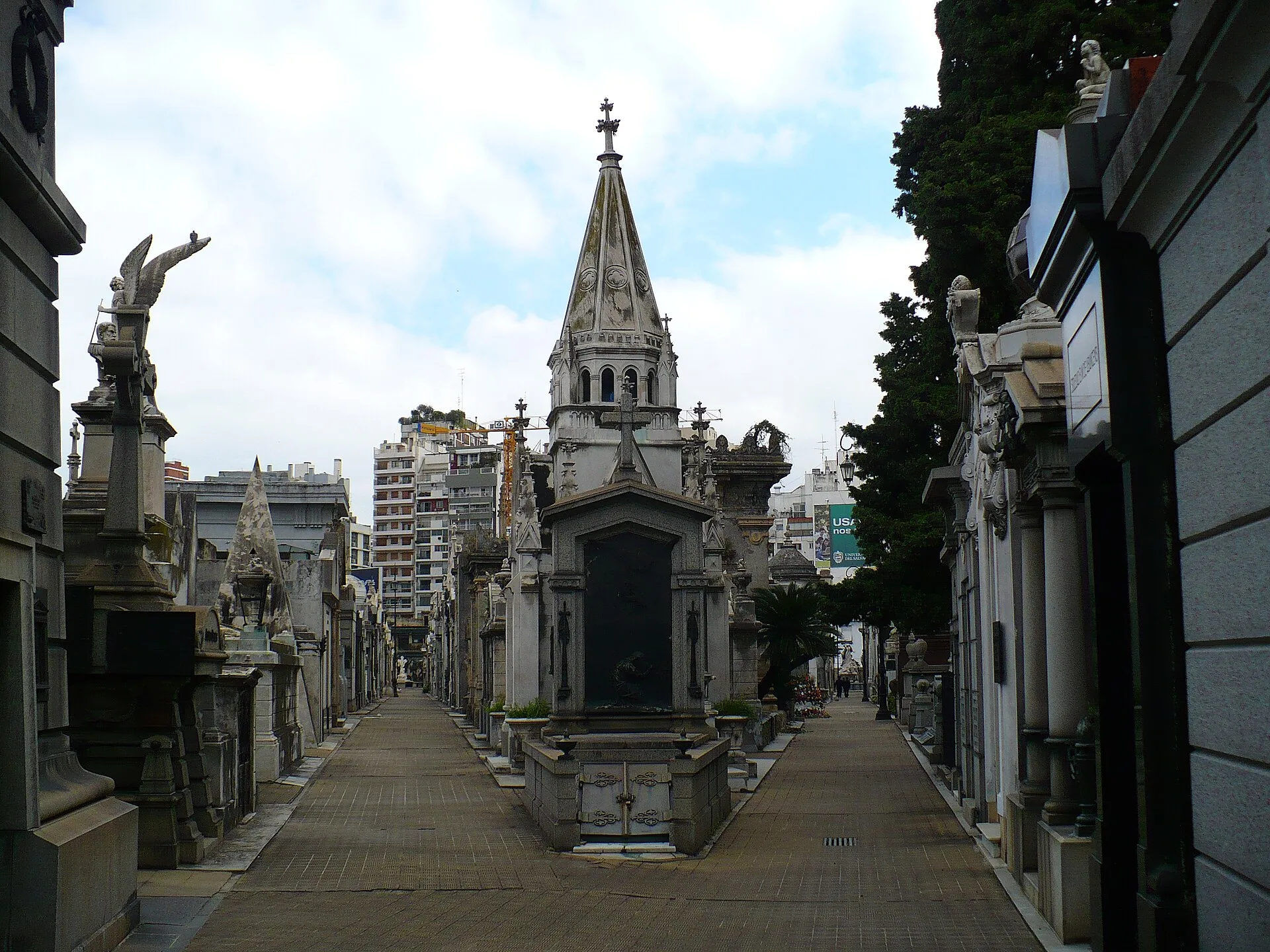
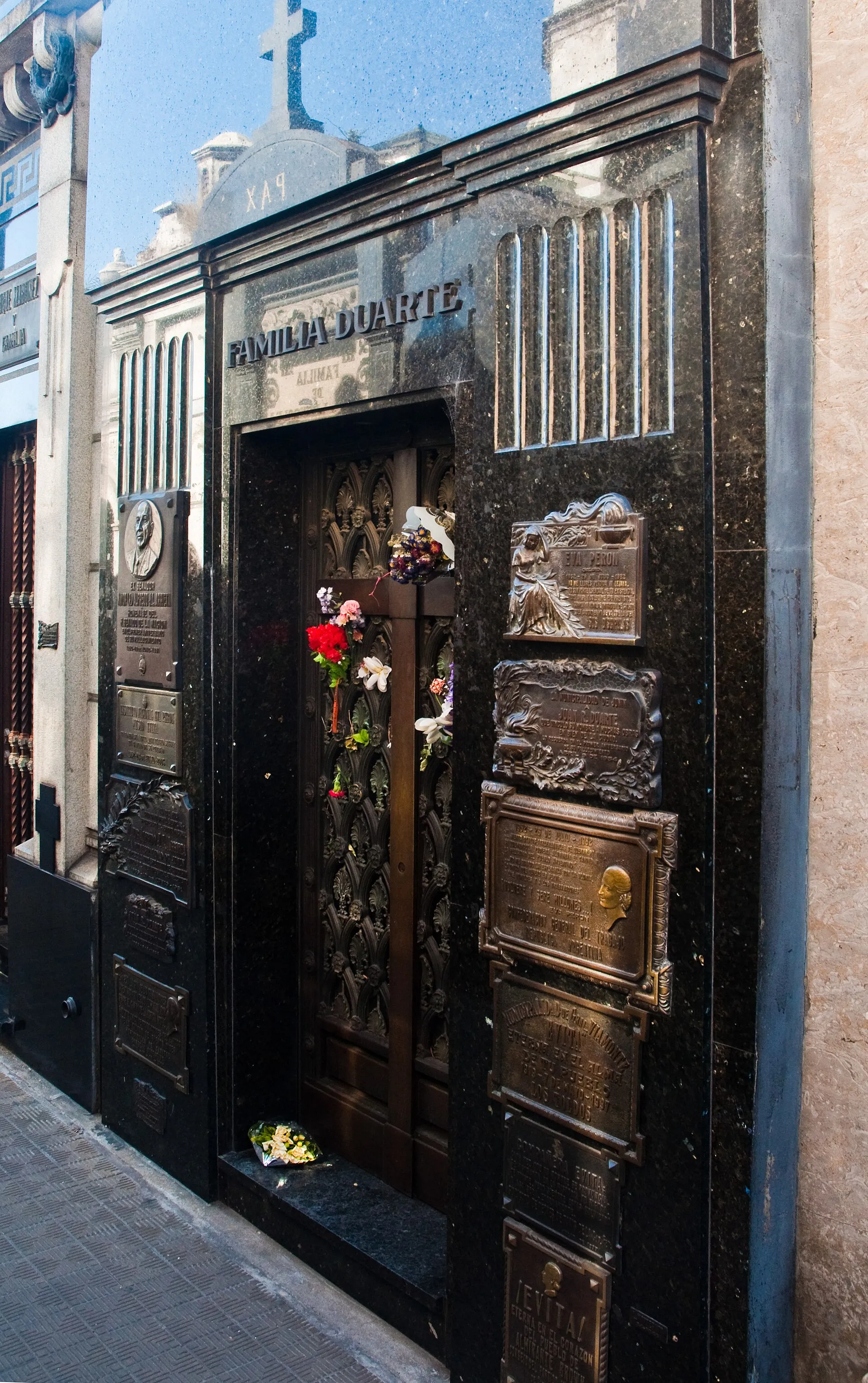
Eva Perón's tomb: The Duarte family vault is surprisingly understated — a simple black granite façade always draped in fresh flowers, set in a narrow alley you'd miss without a guide pointing the way. Paz family mausoleum: The largest vault in the cemetery, built to resemble a Roman temple, for the family that founded the newspaper La Prensa. Rufina Cambaceres vault: An Art Nouveau masterpiece with a life-size statue of a young woman, surrounded by legends of premature burial that have never been conclusively debunked. Sarmiento and other presidents: Domingo Faustino Sarmiento, who wrote the foundational Argentine text Facundo, rests beneath a striking monument that reflects his outsized role in national identity. Architectural range: From neoclassical grandeur to deteriorating vaults with coffins visible through cracked walls — the contrast between maintained and abandoned tombs tells its own story of Argentine fortunes rising and falling.
Historical Significance
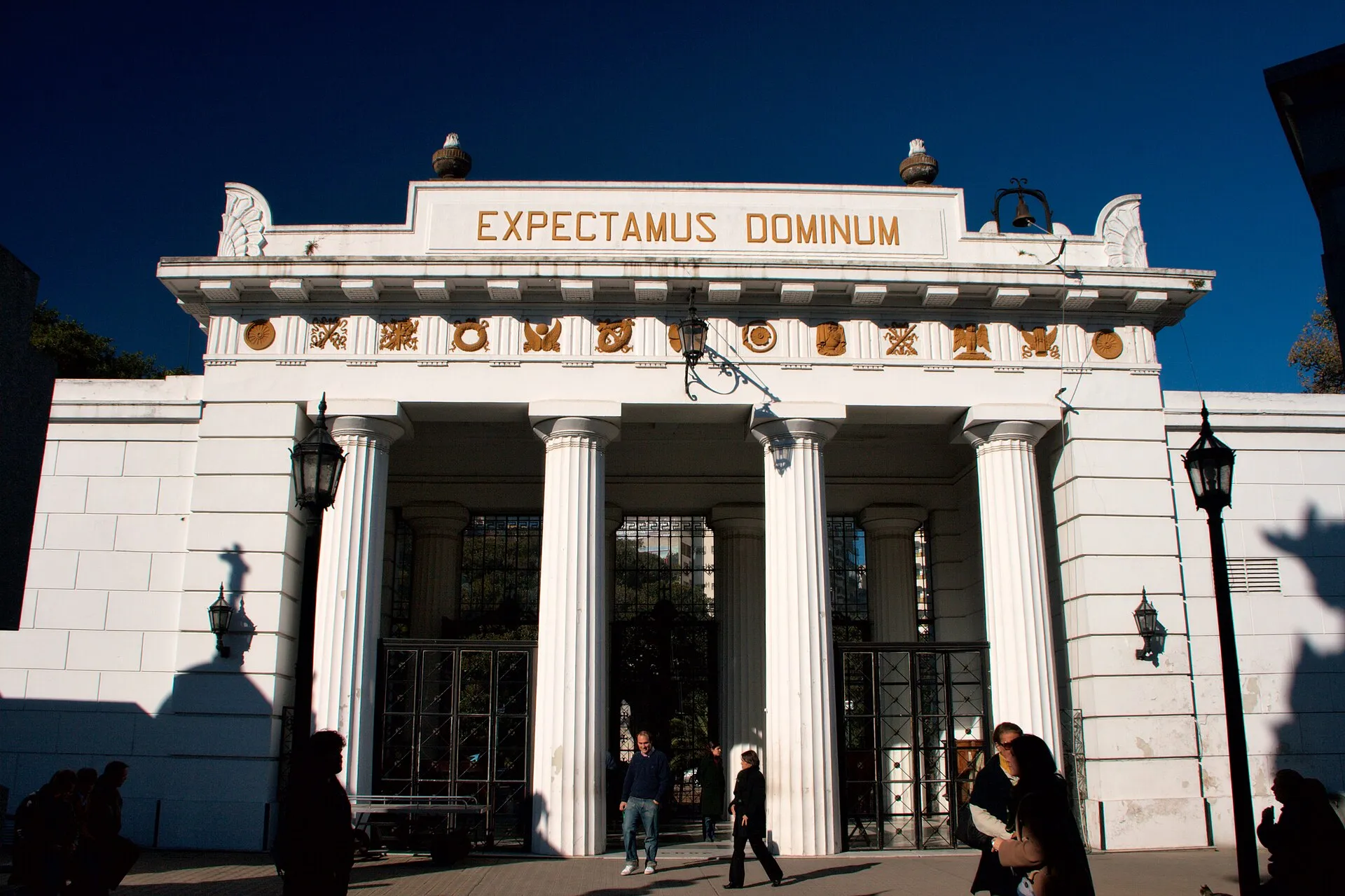
Recoleta Cemetery is a marble ledger of Argentine power across two centuries. Founded in 1822 by decree of Bernardino Rivadavia, it became the mandatory resting place for the nation's ruling class. Presidents from Sarmiento to Alvear lie here, along with military heroes of the independence wars, oligarchs who built the country's beef-and-grain export economy, and Nobel Prize-winning scientists. The most charged tomb remains Evita's: after her death in 1952, the military dictatorship that overthrew Perón secretly shipped her embalmed body to a grave in Milan under a false name, where it lay for 16 years before being returned in 1974. Armed guards still watch the Duarte vault around the clock. The cemetery's layout itself reflects class stratification — prominent families secured the central avenues, while lesser names were consigned to the periphery. A visit here paired with Plaza de Mayo reveals how the same families shaped Argentine politics, economics, and culture from the 19th century onward.
Recoleta Cemetery in Pictures
When to Visit
Daily: 8:00 AM - 5:45 PM (gates close at 5:45, security clears visitors by 6:00 PM). Best: Weekday mornings between 9 and 11 AM — fewer visitors and soft light filtering through the cypress trees. Avoid: Weekend afternoons when large tour groups converge on Evita's tomb. Duration: 1.5-2 hours with a guide; longer if you're a history or architecture enthusiast.
Admission and Costs
Entry: Free — the cemetery is a public municipal site. Guided cemetery tour: AR$15,000-30,000 ($15-30) per person in a group. Private historian guide: AR$40,000-70,000 ($40-70) for 2 hours. Combined Recoleta neighborhood + cemetery tour: AR$50,000-90,000 ($50-90).
Tips for Visitors
Hire a guide: The cemetery has almost no interpretive signage. Without someone who knows the stories, you're admiring architecture without context — and the context is extraordinary. Wear comfortable shoes: Pathways are uneven stone and marble; heels are impractical and sandals offer little protection if you stumble. Respect the space: This remains an active cemetery — some families still visit and maintain their vaults. Keep voices low and ask before photographing anyone who appears to be mourning. Combine with the neighborhood: After the cemetery, walk through Recoleta's cafés on Plaza Francia, visit the Museo Nacional de Bellas Artes (free entry), and browse the weekend artisan fair. Find Evita early: Her tomb is in section 21, a narrow lane near the back — guides know the quickest route. Going early avoids the midday queue of selfie-takers blocking the passageway. Continue to San Telmo: Take bus 29 or a taxi south to explore the antique markets and milongas of Buenos Aires' oldest barrio.
Frequently Asked Questions
Which time of year is best for exploring Recoleta Cemetery?
Visit between March and May or September and December, when mild temperatures and soft light filtering through the cypress trees create the best atmosphere for wandering the marble-lined passageways. The cemetery is entirely outdoors with minimal shade, so the sweltering January-February heat makes extended visits draining, while winter months are perfectly fine if you dress warmly.
When can visitors tour Recoleta Cemetery?
Daily: 8:00 AM - 5:45 PM (gates close at 5:45, security clears visitors by 6:00 PM). Best: Weekday mornings between 9 and 11 AM — fewer visitors and soft light filtering through the cypress trees.
How much is the entrance fee for Recoleta Cemetery?
Entry: Free — the cemetery is a public municipal site. Guided cemetery tour: AR$15,000-30,000 ($15-30) per person in a group. Private historian guide: AR$40,000-70,000 ($40-70) for 2 hours.
What should visitors know before visiting Recoleta Cemetery?
Hire a guide: The cemetery has almost no interpretive signage. Without someone who knows the stories, you're admiring architecture without context — and the context is extraordinary.