Mendoza timeline
-
Mendoza founded
Spanish settlers established the Cuyo oasis town, building on older Huarpe irrigation knowledge.
-
Earthquake reshapes the city
A devastating earthquake destroyed colonial Mendoza and led to the wider plazas and low-rise grid visitors walk today.
-
Railway reaches wine country
Rail links with Buenos Aires helped Mendoza scale its vineyards and turn Malbec into a national export story.
-
Vendimia festival begins
The harvest celebration gave Mendoza a civic ritual around wine, music, and regional pride.
- 1990s
Malbec's global renaissance
High-altitude replanting and foreign investment turned Mendoza Malbec into a world-recognised wine and remade the Valle de Uco.
Cited city facts
Key facts for visiting Mendoza
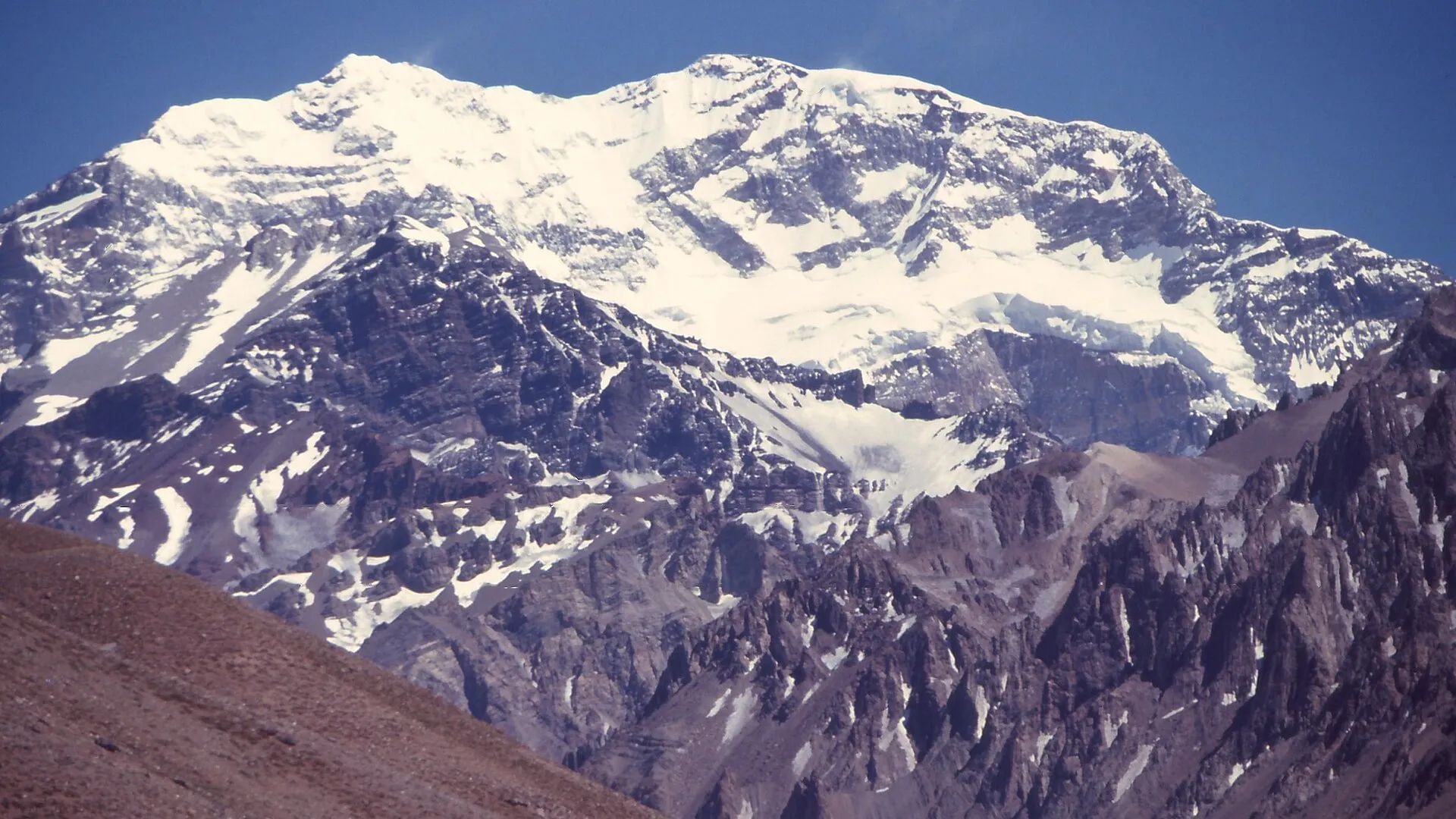
Aconcagua summit: 6,961 metres above sea level
The highest peak outside Asia rises in the provincial park west of Mendoza, which sells its climbing and trekking permits through the government Aconpass system; several thousand climbers register each season, and only around a third reach the top.
Over 70% of Argentine wine comes from Mendoza
The province grows roughly 71% of the country's vineyard area and elaborates the bulk of its wine, overwhelmingly Malbec, concentrated in Luján de Cuyo, Maipú, and the high-altitude Valle de Uco.
Malbec covers roughly 40,000 hectares in Mendoza
Once a minor Bordeaux blending grape, Malbec found its signature in Mendoza's high desert; the province holds the great majority of Argentina's Malbec plantings, far more than any other wine region on earth.
Less than 220 mm of annual rainfall
Mendoza's vineyards survive near-desert conditions thanks to a centuries-old network of irrigation canals, the acequias, developed from Huarpe indigenous water engineering and fed by Andean snowmelt.
Source: tour-guide.com — Free to cite with attribution
Things to see
What are the top attractions in Mendoza?
- Luján de Cuyo wineries — The birthplace of Argentine Malbec, with century-old vines producing deep, velvety reds you can taste at family-run bodegas
- Aconcagua Provincial Park — You don't need to summit; the Confluencia viewpoint trek is a spectacular day trip accessible to anyone in decent shape
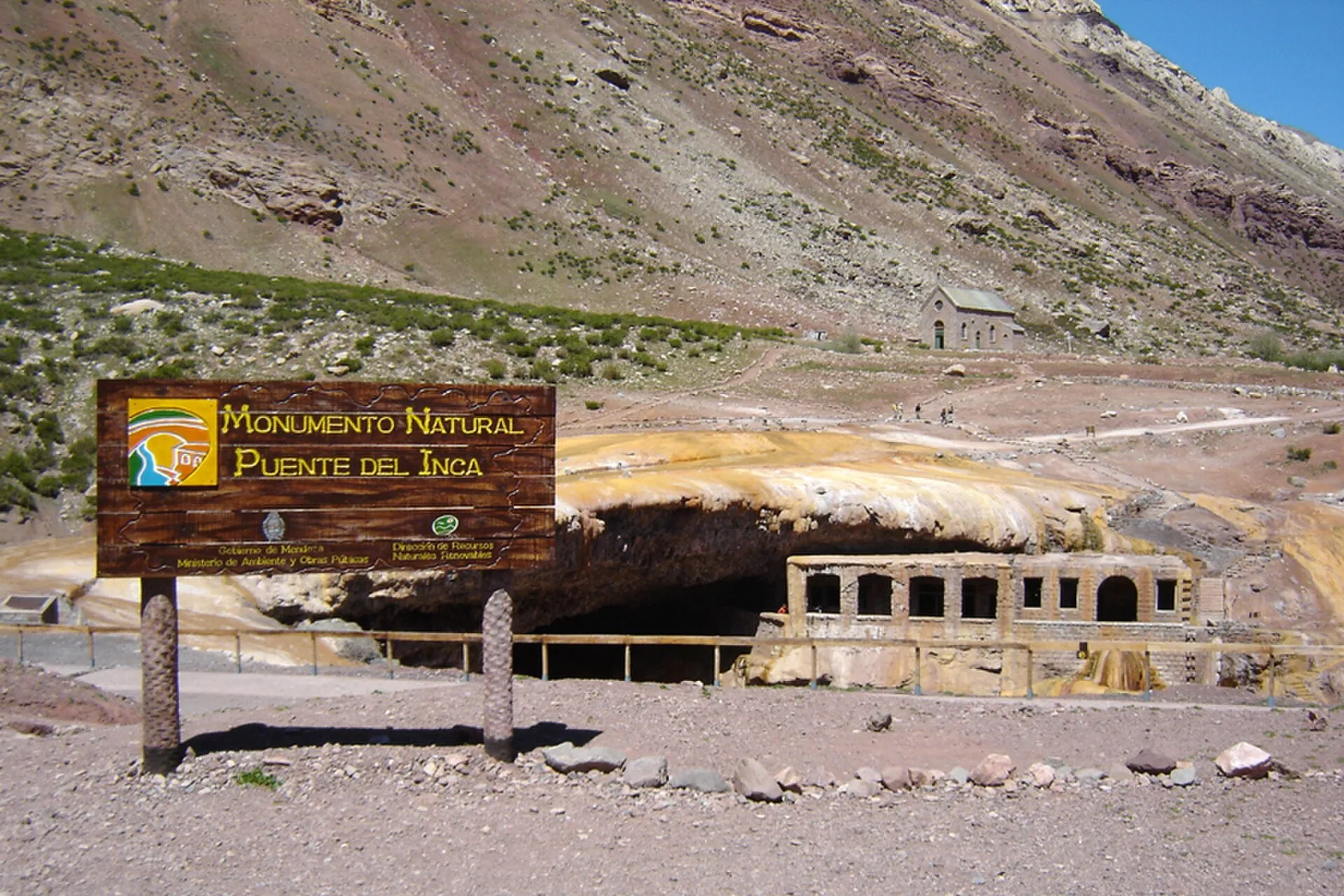
- Puente del Inca — A natural stone bridge stained vivid yellow and orange by mineral springs, set against the barren Andean high desert
- Asado and Malbec pairing — Have your guide arrange a traditional asado at a vineyard, with cuts of beef matched to the estate's own wines
- Villavicencio Nature Reserve — Wind through 365 curves up the precordillera to see condors soaring above a landscape that appears on Argentine mineral water bottles
🏞️ Aconcagua
The roof of the Americas — 6,961 meters of rock, ice, and thin air
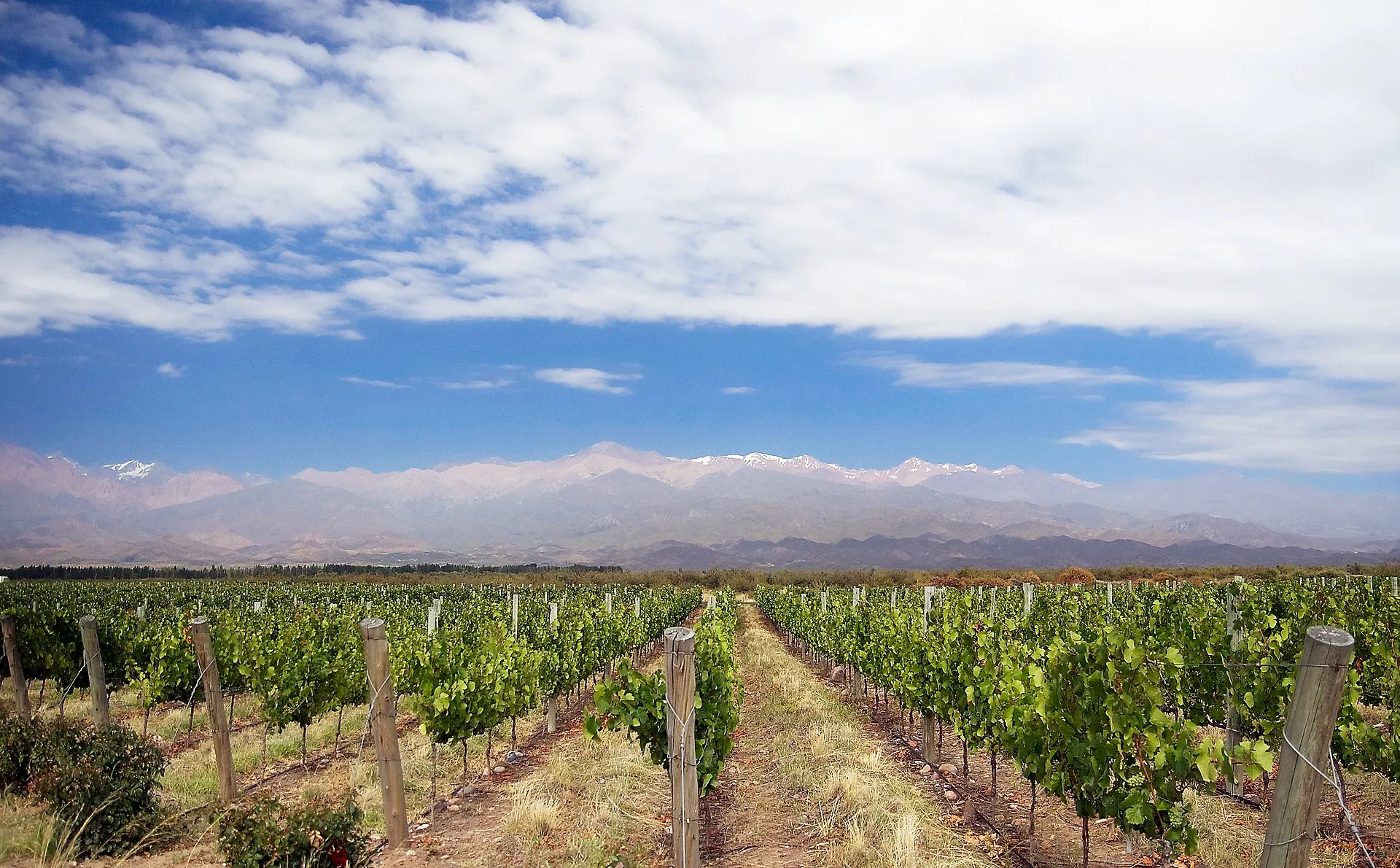
🌾 Malbec Wine Routes
From vine to glass against a wall of Andes snow — Argentina's wine heartland
🏞️ Puente del Inca
A natural stone bridge painted gold by mineral springs in the high Andes
A little further out — pan beyond Mendoza's centre to find it on the map:
Guide planning
How much does a tour guide cost in Mendoza?
| Tour Type | Price | Details |
|---|---|---|
| Half-Day Wine Tour | AR$40,000-80,000 ($40-80) | Visiting 3 bodegas |
| Full-Day Uco Valley | AR$80,000-150,000 ($80-150) | With lunch |
| Aconcagua Day Trip | AR$70,000-120,000 ($70-120) | With transport |
| Private Sommelier Tour | AR$100,000-200,000 ($100-200) | Full day |
Season planner
When is the best time to visit Mendoza?
Mendoza runs on a Southern Hemisphere calendar, and the vineyards set the rhythm. Harvest — the vendimia — falls from late February through April, when the bodegas are busiest, the foliage turns gold and crimson, and the Malbec Wine Routes smell of crushed fruit. The Fiesta Nacional de la Vendimia peaks in the first week of March, so book accommodation and premium tastings weeks ahead for this window.
Spring (October–November) is the quieter alternative: wildflowers, snow still crowning the peaks, and comfortable days for cycling Maipú. Summer (December–February) is hot and dry — glorious light, but afternoons above 35°C make midday tastings and Andean treks punishing, so start early. Winter (June–August) is low season in the vineyards, though it opens the nearby Penitentes ski area and clears the air for photographing Aconcagua.
- The sun is fierce and the air bone-dry — carry water everywhere and wear sunscreen even in winter
- Andes passes close in snow — Ruta 7 toward Puente del Inca and Chile can shut after winter storms, so check conditions before a mountain day
On the ground
How do you get around Mendoza?
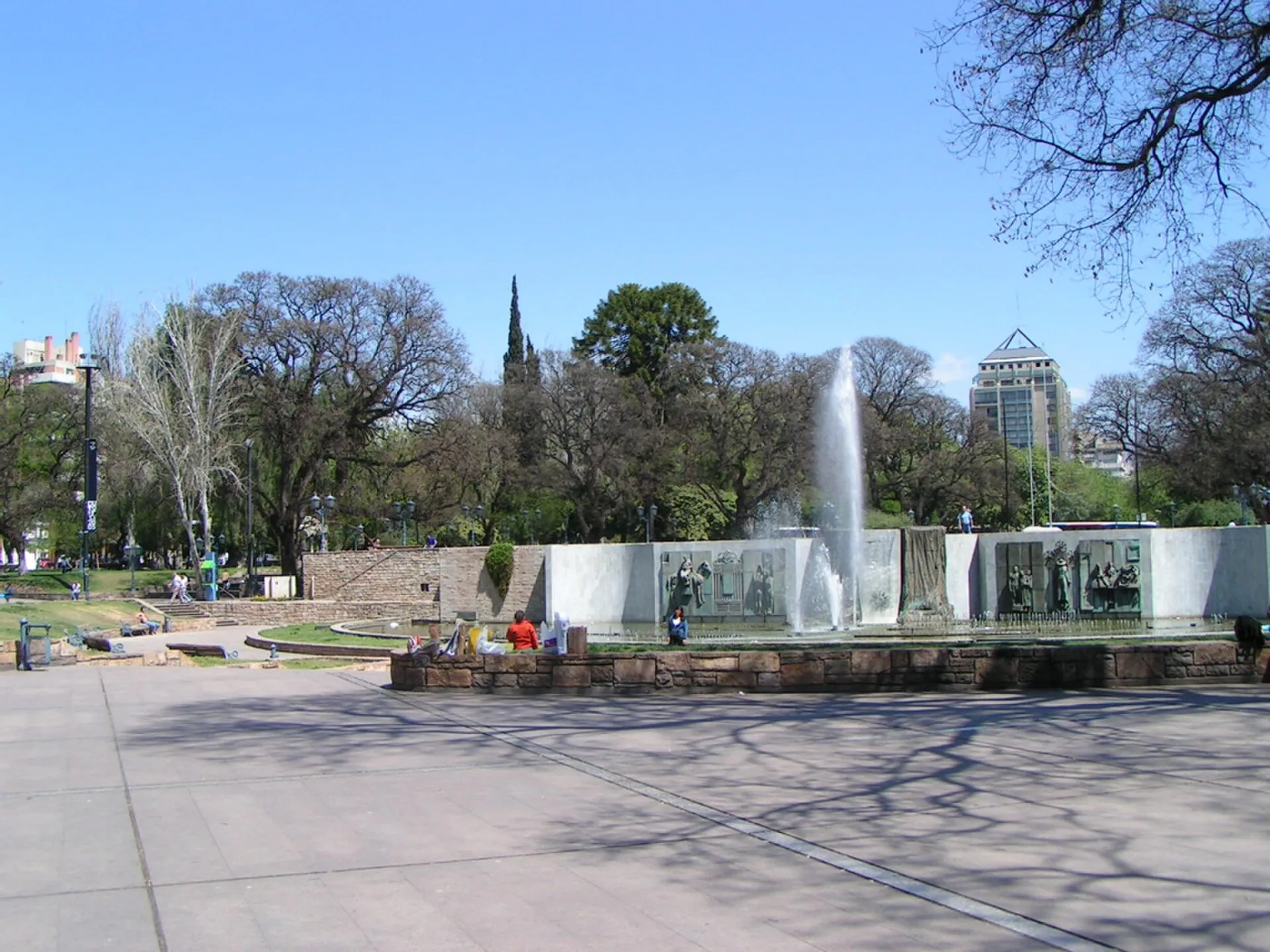
Mendoza city is compact and walkable — the five linked plazas around Plaza Independencia are the easiest introduction on foot — but the vineyards and mountains that draw most visitors are not. El Plumerillo International Airport sits about 11 kilometres north of the centre, with direct flights from Buenos Aires in under two hours and seasonal links to Santiago de Chile across the Andes.
Distances add up fast once you leave town. Maipú's bodegas begin 15 kilometres out; the Valle de Uco lies 1–1.5 hours south; Aconcagua and Puente del Inca are roughly 180 kilometres west along Ruta Nacional 7, a full-day round trip that climbs from 750 metres to over 3,000. A driver-guide handles the rural roads, the sparse signage, and — crucially at a wine tasting — the driving, so nobody risks Argentina's strict drink-driving limits.
- Don't self-drive the wine day — wineries sprawl across unmarked rural lanes, and a guide-driver keeps you safe, sober, and on schedule
- Respect the altitude — the city sits at 750 metres, but Andean day trips top 3,000 metres quickly; hydrate hard and watch for headaches
- Book premium bodegas ahead — estates like Catena Zapata, Zuccardi Valle de Uco, and Viña Cobos require reservations days or weeks in advance
Frequently Asked Questions
What is the best time to visit Mendoza?
Best wine season: March through May is harvest (vendimia), with grape-stomping festivals and the freshest wines. December through February is peak summer — hot but beautiful.
How much does a tour guide cost in Mendoza?
Half-Day Wine Tour: AR$40,000-80,000 ($40-80 visiting 3 bodegas). Full-Day Uco Valley: AR$80,000-150,000 ($80-150 with lunch). Aconcagua Day Trip: AR$70,000-120,000 ($70-120 with transport).
How do you get around Mendoza?
Don't drive yourself: Wineries are spread across rural roads with little signage — a guide-driver keeps you safe, sober, and on schedule.
Why is Mendoza so important to Argentina?
Mendoza is the engine of Argentina's wine industry, producing the large majority of the country's wine and most of its Malbec, the grape that defines Argentine wine abroad. It is also the gateway to Aconcagua, the highest peak in the Americas, making the province central to both the national economy and the country's adventure tourism.
Is Mendoza only about wine, or is there more to do?
Wine is the headline, but Mendoza pairs it with the high Andes. In a single trip you can taste Malbec in Luján de Cuyo, raft or ride in the Uspallata valley, stand beneath Aconcagua, and photograph the mineral-stained Puente del Inca. The city itself offers leafy plazas, a lively parrilla scene, and the vast Parque General San Martín.