

What makes India a must-visit destination?
India stretches from the snow-capped Himalayas to tropical Kerala backwaters, from the Thar Desert's sand dunes to the mangrove forests of the Sundarbans. Across this vast territory live 1.4 billion people speaking over 780 languages, practicing every major world religion, and sustaining culinary traditions that vary dramatically from one state to the next. The result is a country where a single week of travel can feel like visiting five different nations.
For first-time visitors, the sensory overload of Indian cities can be overwhelming without a guide who speaks the local language, knows which street vendors serve the safest and tastiest food, and can negotiate auto-rickshaw fares. Experienced travelers also benefit: guides unlock private temple ceremonies, family-run textile workshops, and village homestays that no guidebook lists. Explore Delhi for Mughal grandeur, Agra for the iconic Taj Mahal, Jaipur for Rajasthani royalty, Mumbai for Bollywood and colonial architecture, Varanasi for the oldest living city on earth, Kolkata for Bengali intellectual heritage, Udaipur for lake palaces, and Chennai for Dravidian temple culture.
Where should you go in India?
The Golden Triangle
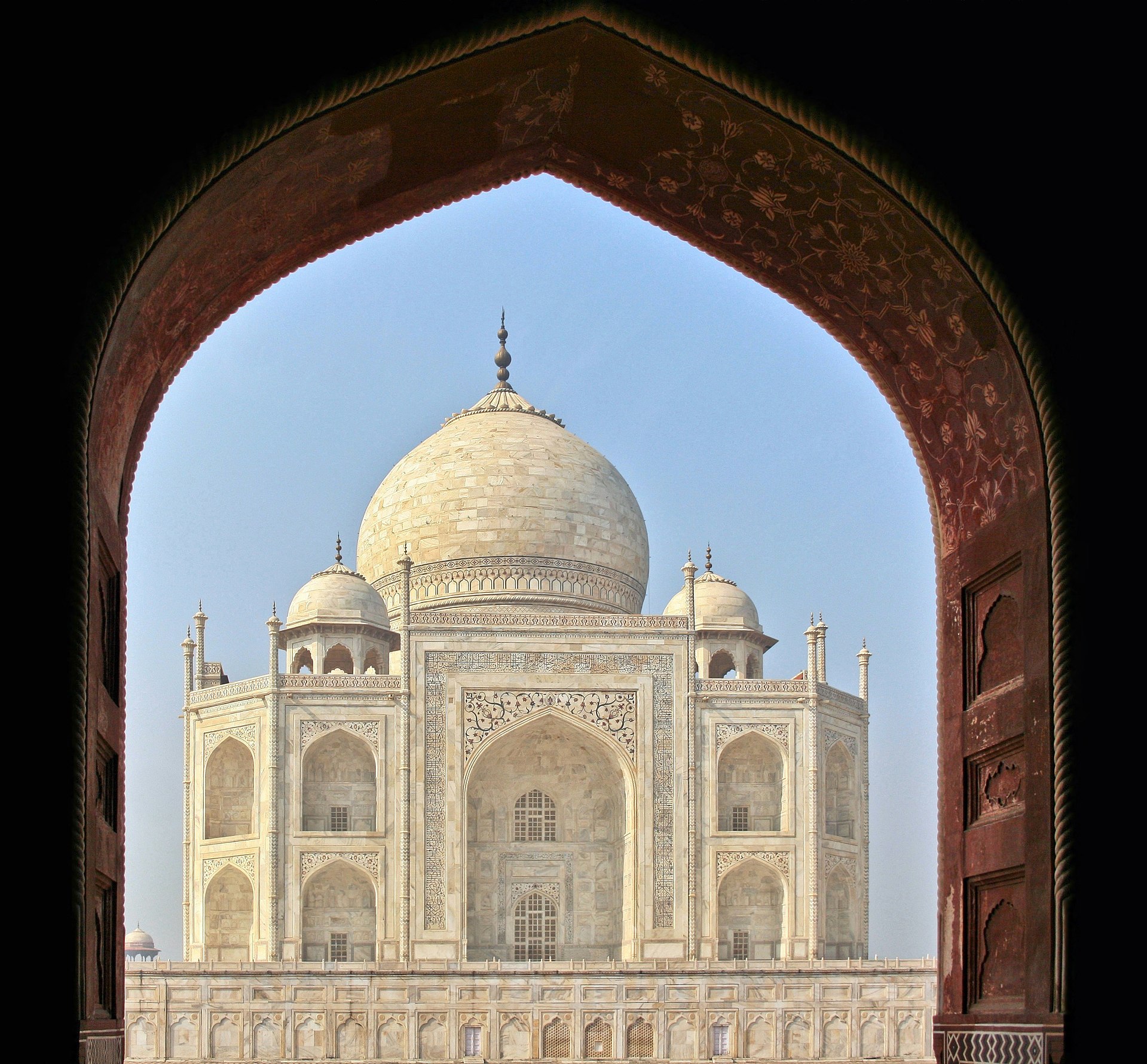
Delhi layers Mughal grandeur over modern chaos — the sandstone ramparts of the Red Fort give way to the minaret of Qutub Minar, while the narrow lanes of Chandni Chowk overflow with spices, silver, and street food. Agra needs little introduction: the Taj Mahal at dawn remains one of humanity's most arresting sights, and nearby Agra Fort reveals the imperial world that produced it. Jaipur earns its Pink City nickname through terracotta-hued facades that frame Amber Fort, the honeycomb windows of Hawa Mahal, and gem markets where dealers cut stones by hand.
The West Coast & Heartland
Mumbai straddles colonial elegance and Bollywood ambition, its Gateway of India facing the harbor ferries that carry visitors to the rock-cut Elephanta Caves.
The Spiritual East
Along the Ganges in Varanasi, temple bells and dawn boat rides on mist-shrouded ghats make this the spiritual axis of the subcontinent. Kolkata preserves the intellectual legacy of the Bengali Renaissance around the marble Victoria Memorial and the iron spans of Howrah Bridge.
Rajasthan & the South
Udaipur floats its lake palaces against the Aravalli hills in a landscape steeped in Mewar royal heritage. Chennai rounds out the journey with towering Dravidian temples, the classical strains of Carnatic music, and the shore temples of Mahabalipuram carved from granite over a thousand years ago.
Agra
Home of the Taj Mahal and the heart of Mughal imperial architecture
🛕Chennai
Gateway to South India — Dravidian temples, Carnatic music, and the Bay of Bengal
🕌Delhi
Seven cities layered into one chaotic, magnificent capital
🏰Jaipur
Rajput warrior kings built a pink-painted city of forts, palaces, and living traditions
📚Kolkata
India's intellectual capital where Tagore wrote, Ray filmed, and Mother Teresa served
🌊Mumbai
India's financial capital where colonial grandeur meets Bollywood dreams
🏔️Udaipur
The Venice of the East — lake palaces, Aravalli hills, and Rajput romance
🪔Varanasi
The oldest continuously inhabited city on earth, where life and death meet on the Ganges
What do visitors need to know about India?
Finding a Guide
- India's Ministry of Tourism certifies Regional Level and National Level guides who pass examinations in history, archaeology, and languages. Look for their official photo ID badge at any monument
- ASI-approved guides stationed at major monuments like the Taj Mahal and Red Fort provide authoritative historical commentary for government-regulated fees
- Viator, GetYourGuide, and Klook list vetted guides with detailed reviews. India-specific platforms like ToursByLocals and IndiaByLocal connect you with independent experts across smaller cities
- Luxury hotels and converted palace properties maintain relationships with top-tier guides and can organize private heritage walks, cooking classes, and cultural immersion experiences
Typical Costs
| Tour Type | Price Range |
|---|---|
| ASI-approved monument guide | ₹800–1,500 ($10–18) per monument, fixed government rates |
| Group walking tour (3–4 hrs) | ₹1,000–2,500 ($12–30) per person |
| Private half-day guide (up to 4) | ₹3,000–6,000 ($36–72) |
| Private full-day guide (multi-site) | ₹5,000–10,000 ($60–120) |
| Specialist guide (food, photography, textile) | ₹6,000–15,000 ($72–180) per day |
| Multi-day Golden Triangle with car and driver | ₹8,000–15,000 ($96–180) per day |
Must-See Experiences
- Taj Mahal at sunrise — The white marble mausoleum glowing in first light, with a guide who reveals its hidden optical illusions
- Red Fort and Old Delhi — Mughal imperial power followed by the sensory whirlwind of Chandni Chowk's spice market
- Amber Fort at golden hour — Rajput military architecture and mirror-inlaid palaces perched above Maota Lake
- Ganga Aarti ceremony — Thousands of oil lamps offered to the Ganges at dusk in Varanasi
- Gateway of India to Elephanta Caves — Colonial Mumbai meets ancient rock-cut sculpture by ferry
- Street food crawls — Delhi's paranthas, Mumbai's vada pav, Varanasi's kachori: guides know which stalls locals trust
- Textile and craft workshops — Block printing in Jaipur, silk weaving in Varanasi, Bollywood costume houses in Mumbai
- Temple ceremonies — Morning pujas, evening aartis, and festival celebrations that a guide can contextualize
Tips for Visitors
- Visa required — Most nationalities need an e-Visa (apply online 4+ days in advance). The 30-day e-Tourist Visa costs $25
- Golden Triangle first — Delhi–Agra–Jaipur is the classic introductory route and works well in 5–7 days with a guide and driver
- Best season — October–March offers cool, dry weather across most of India. Summers (April–June) bring extreme heat; monsoons (July–September) bring lush greenery but flooding
- Bargaining expected — Markets, rickshaws, and unlicensed guides all expect negotiation. Guides protect you from inflated tourist prices
- Dress modestly — Temples and mosques require covered shoulders and knees. Carry a scarf for impromptu temple visits
- Water safety — Drink only bottled or filtered water. Guides steer you to safe street food vendors
- Cash still dominates — UPI digital payments are ubiquitous for locals, but carry rupees for markets, rickshaws, and smaller establishments
- Tipping — Not obligatory but appreciated. ₹200–500 per day for guides, ₹100 for drivers. Round up at restaurants
- Photography — Some monuments charge extra for cameras. Guides know which sites allow drones, tripods, and video
- Entry fees — Prices are lower in India than most Asian destinations. Monument entry fees are separate and typically ₹40 for Indians, ₹600 for foreigners. Always confirm whether transportation is included
When is the best time to visit India?
Frequently Asked Questions
What is the best time of year to visit India?
The Golden Triangle cities of Delhi, Agra, and Jaipur are at their best from October through March, when cool, dry weather makes sightseeing comfortable and smog clears enough for crisp Taj Mahal sunrises. The monsoon season from July through September transforms the countryside into lush green landscapes and fills Rajasthan's lakes, though heavy rains can disrupt travel in low-lying areas. Summer months of April to June bring extreme heat to the plains, but northern hill stations like Shimla, Manali, and Darjeeling offer a refreshing escape in the Himalayan foothills, where temperatures stay mild and tea gardens are in full bloom.
How much does a private tour guide cost in India?
India's Archaeological Survey (ASI) sets fixed rates for licensed monument guides at ₹800–1,500 ($10–18) per site, making iconic landmarks like the Taj Mahal and Red Fort remarkably affordable to explore with expert commentary. Private city guides and specialist food or textile tours cost more but remain excellent value by international standards.
Do I need to speak the local language to travel in India?
India has over 780 languages, with Hindi and English as official national languages. English is understood in major tourist areas, but proficiency varies enormously by region. A local guide who speaks the state language — whether Tamil in Chennai, Bengali in Kolkata, or Rajasthani in Jaipur — negotiates auto-rickshaw fares, translates street food menus, and unlocks temple ceremonies that would otherwise remain opaque.