

Overview
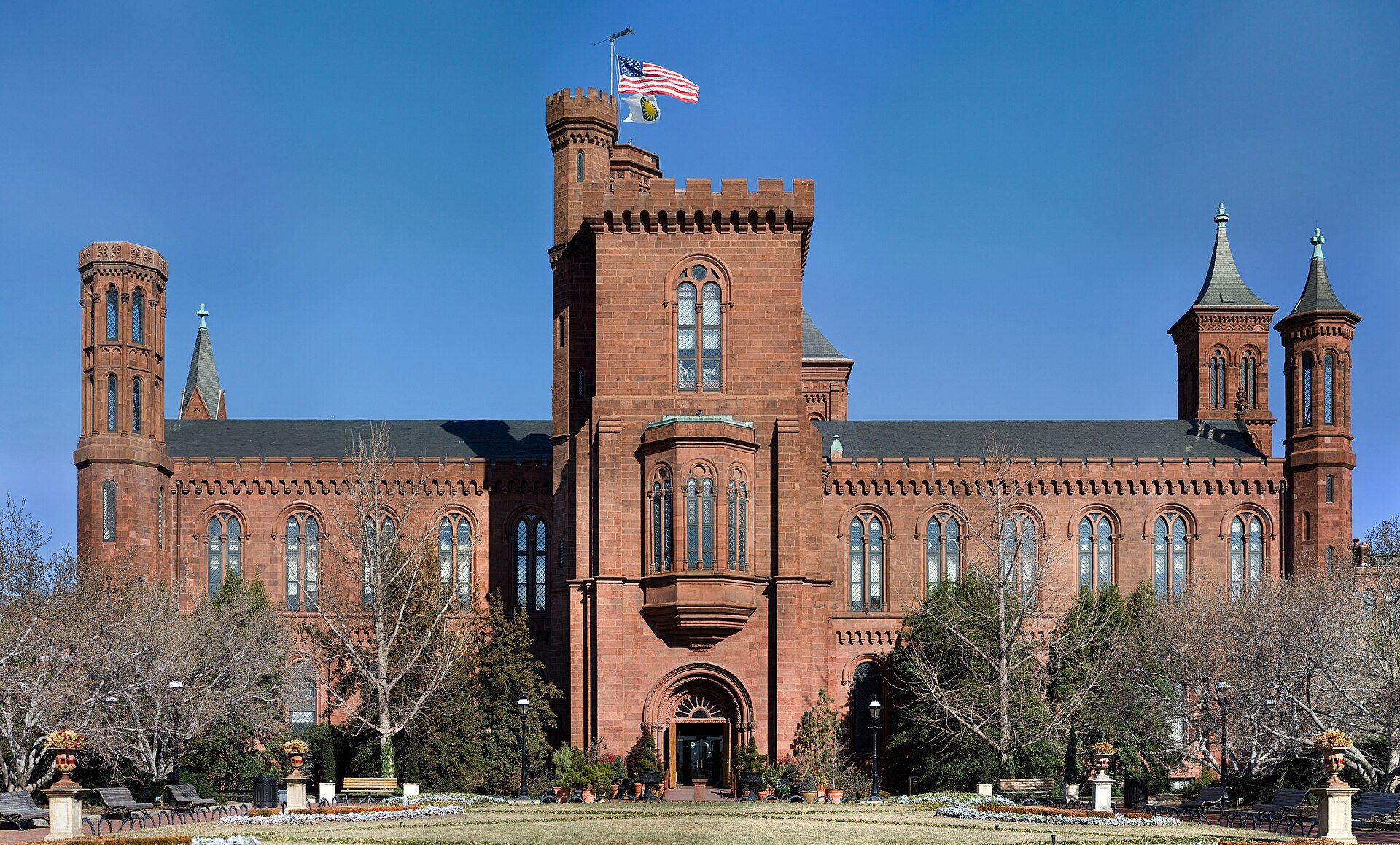
When James Smithson, a British scientist who never set foot in America, bequeathed his fortune to the United States in 1829 "for the increase and diffusion of knowledge," he could not have imagined what his gift would become. Today the Smithsonian Institution encompasses 17 museums in Washington DC alone, holding over 155 million artifacts, specimens, and works of art. From the Hope Diamond to the Wright Brothers' Flyer, from Dorothy's ruby slippers to the Apollo 11 command module, the Smithsonian houses treasures that define human achievement. And every single museum is completely free to enter. Most of the Smithsonian museums line the National Mall, creating a corridor of knowledge that stretches from the National Gallery of Art near the Capitol to the Freer Gallery near the Washington Monument. No visitor can see everything in a single trip, which is precisely why a knowledgeable guide proves invaluable. They know which galleries are worth your limited time, which hidden gems most tourists walk past, and how to navigate collections so vast that the National Museum of Natural History alone contains 146 million specimens.
Guided Tours
With 155 million objects spread across seventeen museums, even the most organized visitor faces an impossible task. Guides curate itineraries tailored to your specific interests, whether they run toward dinosaur fossils, space exploration, or Impressionist paintings. They trace connections no wall label provides -- from the Wright Brothers' fragile wooden flyer to the Apollo 11 command module to the Space Shuttle Discovery.
Expert guides know which galleries empty out at lunch while crowds surge elsewhere, which overlooked corners hold treasures that rival the famous icons, and how to pace a day across multiple museums without burnout. Guided highlight tours: $45-65 per person for 2-3 hours covering one or two museums. Private guide: $300-500 for a half-day tour for up to 6 people.
Collections Highlights
National Air and Space Museum: The Wright Brothers' 1903 Flyer, Spirit of St. Louis, Apollo 11 command module, and SpaceShipOne all under one roof. National Museum of Natural History: The 45.52-carat Hope Diamond, the giant squid, and the Sant Ocean Hall with a life-size whale model. National Gallery of Art: Technically not a Smithsonian but adjacent on the Mall, housing the only Leonardo da Vinci painting in the Americas. National Museum of African American History and Culture: The newest and most powerful Smithsonian museum, tracing 400 years of African American experience. Udvar-Hazy Center: The Air and Space annex near Dulles Airport houses the Space Shuttle Discovery and an SR-71 Blackbird. National Zoo: Giant pandas, great apes, and 2,700 animals across 163 acres, completely free. American History Museum: The original Star-Spangled Banner, Dorothy's ruby slippers, Julia Child's kitchen, and the Greensboro lunch counter
When to Visit
Standing before 155 million objects spread across seventeen museums, even the most organized visitor faces an impossible task. Which galleries reward lingering, and which can be appreciated in a quick walkthrough? Where do the Mary Cassatt pastels hang in the American Art Museum, and why do most tourists walk right past them? The Smithsonian's very abundance becomes its challenge, and a knowledgeable guide transforms overwhelming choice into curated discovery, tailoring an itinerary to your specific passions whether they run toward dinosaur fossils, space exploration, or Impressionist paintings.
Beyond simple navigation, guides weave connections that no wall label can provide. They trace the arc from the Wright Brothers' fragile wooden flyer to the Apollo 11 command module to the Space Shuttle Discovery at the Udvar-Hazy Center, making visible the thread of human ingenuity that connects a bicycle shop in Ohio to footprints on the Moon. They know which galleries empty out at lunch while crowds surge elsewhere, which overlooked corners hold treasures that rival the famous icons, and which museum cafe serves the best coffee when your legs demand a rest.
Perhaps most valuably, guides help you understand what you are seeing in its proper context. The Hope Diamond is not merely a large blue stone but a talisman of curses and kings, colonial exploitation and geological marvel. The original Star-Spangled Banner is not just a tattered flag but the physical fabric of a nation's birth, its red glare illuminating Francis Scott Key's night vision at Fort McHenry. Pair the Smithsonian with a guide, and the collection transforms from a warehouse of objects into a narrative of human civilization that you can walk through in a single day.
Admission and Costs
All museums: Permanently free, funded by the federal government and the Smithson endowment. Special exhibitions: Occasionally require free timed passes, but never charge admission. IMAX theaters: $10-15 per person at Air and Space and Natural History museums.
Guided museum tours: $45-65 per person for expert-led 2-3 hour tours of one or two museums. Private museum guide: $300-500 for a half-day private tour covering your chosen museums for up to 6 people.
Tips for Visitors
Pick 2-3 museums per day: Trying to see more leads to museum fatigue and you retain nothing from the experience. Bag check required: Large bags, backpacks over certain sizes, and tripods are not allowed in most museums. Food courts inside: The Natural History and Air and Space museums have food courts, but lines are long at peak hours. Free WiFi: Available in all Smithsonian museums for downloading audio guides and maps. Metro access: Smithsonian station drops you between the Natural History and American History museums on the National Mall. Gift shops: Each museum has excellent shops, and purchases directly support the Smithsonian's mission. Combine with the Mall: Plan outdoor monument visits between museum sessions to avoid burnout from being indoors all day