
Historical Significance
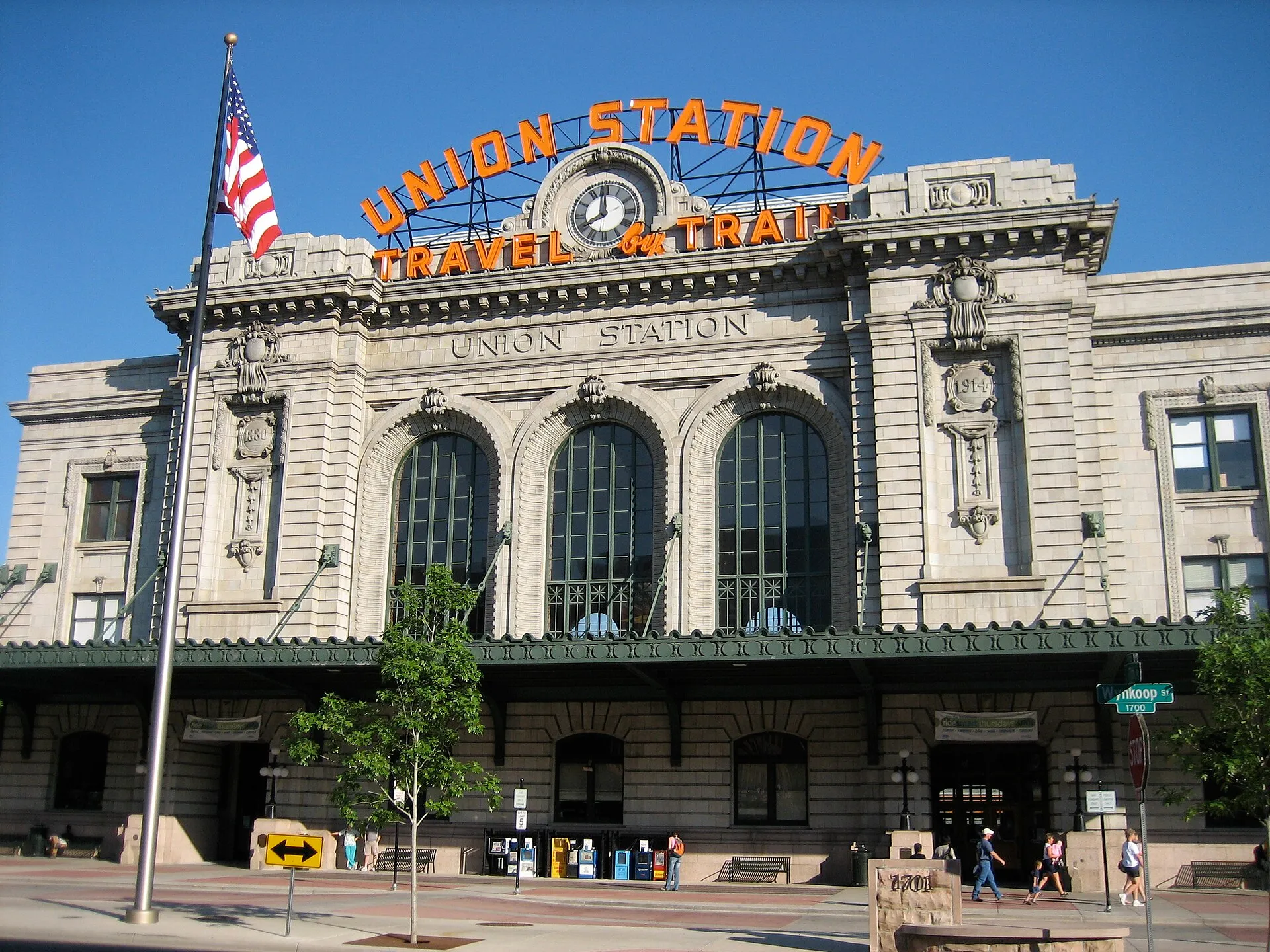
Three distinct eras of architecture coexist within Union Station's walls, and appreciating their layered relationship requires a narrator who can trace the building's evolution. The original 1881 structure established Denver as a railroad crossroads. The 1914 Beaux-Arts redesign, necessitated by a fire, created the grand facade and interior that define the building today. The 2014 adaptive reuse, which won national preservation awards, transformed a sleepy Amtrak stop into Denver's social heart while respecting the historic fabric that makes the space meaningful. Guides decode these layers, pointing out original terrazzo floors, restored ceiling medallions, and deliberately mismatched furniture that balances preservation with modern function.
Denver's story cannot be separated from the railroads that built it, and Union Station sits at the centre of that history. The tracks that pass through this building connected mining boom towns in the mountains to markets in the East, carrying gold and silver that financed Colorado's growth. Workers from around the world laid those tracks, and their stories are embedded in the station's fabric. Guides connect the elegant Great Hall to the labour that made it possible, to the transcontinental railroad's completion, and to the economic forces that shaped Denver from a frontier outpost into a regional capital.
The station anchors Lower Downtown, and understanding its role illuminates the broader LoDo renaissance. This neighbourhood of Victorian warehouses was nearly demolished in the 1960s before preservationists recognised its value. Today these brick buildings house breweries, galleries, and lofts that command premium prices, and the walk from Union Station to Larimer Square traces that transformation. Guides extend the station tour into this surrounding context, recommending restaurants among the dozen-plus options within the station and identifying architectural details along surrounding streets that most visitors walk past without recognition. The station is not just a destination but a starting point for exploring Denver's downtown core and eventually venturing to attractions like Red Rocks Amphitheatre.
Architecture
The Great Hall: Sit in one of the leather wingback chairs beneath original chandeliers and look up at the coffered ceiling -- this is Denver's most photogenic interior. "TRAVEL BY TRAIN" neon sign: The iconic rooftop sign, visible from blocks away, has been a Denver landmark since the 1950s -- photograph it at dusk when it glows against the twilight sky.
Terminal Bar: Order a craft cocktail at the centre-of-the-hall bar and experience the station as a social space, exactly as the designers intended. Tattered Cover Bookstore: Denver's beloved independent bookseller operates a location in the station -- browse Colorado history and Western literature. Train Hall canopy: Walk through to the modern open-air train platform to see the sweeping steel canopy that shelters Amtrak and light rail passengers. Wynkoop Plaza at night: The station's front plaza hosts seasonal events, from summer food markets to the holiday light display.
When to Visit
Great Hall: Open daily 6:00 AM - 1:00 AM. Restaurants and shops: Most open 7:00 AM - 11:00 PM (varies by establishment). Transit operations: RTD light rail and bus service runs approximately 4:30 AM - 1:15 AM.
Best time to visit: Mid-morning weekdays for architecture appreciation without crowds, or Friday evenings for the vibrant social scene. Seasonal events: Holiday lighting November-January transforms the exterior and plaza into a winter wonderland.
Admission and Costs
Entry and exploring: Completely free -- walk in anytime and admire the Great Hall. Dining: $15-50 per person depending on restaurant (Mercantile, Stoic & Genuine, Pigtrain Coffee). Cocktails at Terminal Bar: $14-18, served in the centre of the Great Hall beneath the chandeliers.
Guided LoDo walking tour: $25-40 per person, 2 hours including Union Station history. Private architecture tour: $175-300 for groups up to 8 people, 2-3 hours covering the station and surrounding LoDo district.
Tips for Visitors
Airport connection: The A Line light rail runs directly from Denver International Airport to Union Station in 37 minutes for $10.50 -- skip the taxi and start your trip here. Reservations recommended: Popular restaurants like Mercantile Dining & Provision and Stoic & Genuine fill up, especially on weekends -- book ahead.
Walking hub: Union Station is the ideal starting point for exploring LoDo, Larimer Square, Coors Field, and the 16th Street Mall on foot. Free WiFi: Available throughout the station -- work from a Great Hall chair for a more inspiring office than any coworking space. Crawford Hotel: If budget allows, spend a night in the hotel occupying the station's upper floors -- rooms are designed around the building's original architecture. Bike sharing: Denver B-cycle stations are located directly outside -- rent a bike and ride along the South Platte River trail.
Frequently Asked Questions
Is there a best season to visit Denver Union Station?
Denver Union Station is a year-round indoor destination with restaurants, cocktail bars, and the magnificent Great Hall providing a comfortable experience regardless of weather. That said, April through October lets you enjoy the Wynkoop Plaza outdoor events and the LoDo neighbourhood walk to Larimer Square without braving Denver's cold winters. The holiday season from November through January transforms the station's exterior and plaza into a spectacular winter light display that draws locals and visitors alike.
When can visitors tour Denver Union Station?
Great Hall: Open daily 6:00 AM - 1:00 AM. Restaurants and shops: Most open 7:00 AM - 11:00 PM (varies by establishment). Transit operations: RTD light rail and bus service runs approximately 4:30 AM - 1:15 AM.
How much is the entrance fee for Denver Union Station?
Entry and exploring: Completely free - walk in anytime and admire the Great Hall. Dining: $15-50 per person depending on restaurant (Mercantile, Stoic & Genuine, Pigtrain Coffee).
What is the highlight of Denver Union Station's interior?
The Great Hall: Sit in one of the leather wingback chairs beneath original chandeliers and look up at the coffered ceiling - this is Denver's most photogenic interior.