
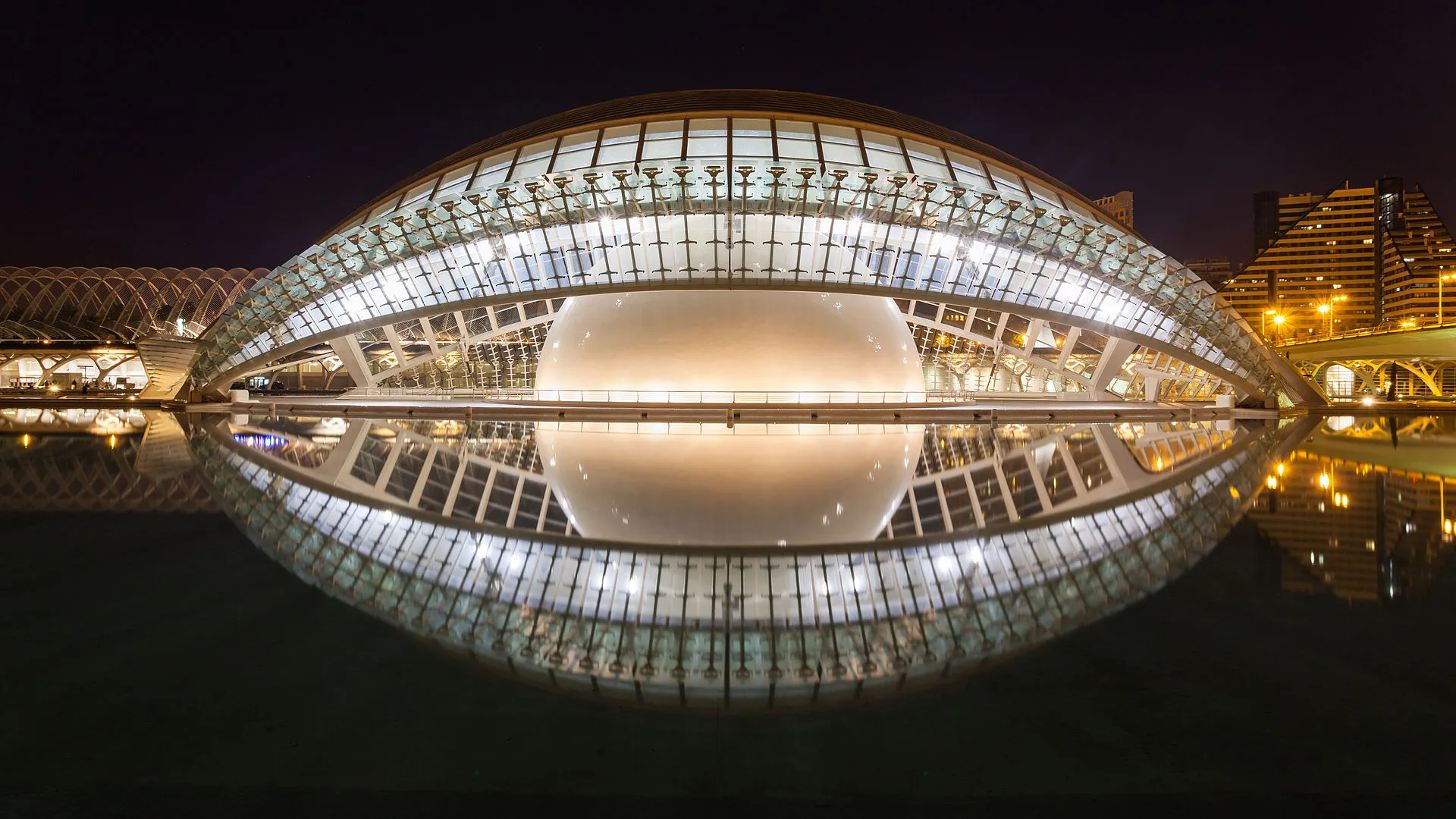
Valencia timeline
- 138 BC
Rome founds Valentia
A Roman consul settled retired legionaries on an island in the Turia, laying out the grid the old town still follows.
- 138 BCE
Harbour begins
Founded by Rome as Valentia in 138 BC, Valencia is Spain's third-largest city and the capital of the Valencian Community.
-
Balansiya under Islam
Moorish rule reshaped the city with irrigation channels — the huerta system that still feeds Valencian rice and citrus.
-
El Cid takes Valencia
Rodrigo Díaz de Vivar captured the city and held it until his death in 1099, a brief Christian interlude before Almoravid rule returned.
-
Kingdom of Valencia
James I of Aragon conquered the city and founded the Kingdom of Valencia, giving the region its own laws, currency, and identity.
- 15th century
UNESCO World Heritage listing
By the late 15th century the city had grown enormously rich from Mediterranean trade, an era immortalised in the UNESCO-listed La Lonja de la Seda, the Gothic silk.
-
Silk-trade golden age
Work began on La Lonja de la Seda as Valencia grew into one of the Mediterranean's richest ports, rivaling Venice and Genoa.
-
La Lonja de la Seda was built as a silk exchange
La Lonja de la Seda was built between 1482 and 1548 as a silk exchange.
-
The Great Flood
The Turia burst its banks and drowned the city; the river was later rerouted and its old bed became the Turia Gardens.
-
City of Arts opens
Calatrava's L'Hemisfèric was the first of the futuristic complex to rise from the drained riverbed, remaking Valencia's global image.
Cited city facts
Key facts for visiting Valencia
The Turia Gardens stretch 9 kilometres through central Valencia
Created in the drained bed of the Turia River after catastrophic 1957 floods, this green corridor is one of the longest urban parks in Europe
Las Fallas sees hundreds of sculptural monuments burned in a single night
On the Cremà of 19 March each year, towering papier-mâché figures called ninots are set ablaze across the city, with a single ninot spared by popular vote and preserved in the Museu Faller — a tradition UNESCO inscribed as Intangible Cultural Heritage in 2016
Valencia's Central Market contains over 1,000 stalls under a single roof
Built in 1928 in Art Nouveau style with stained glass and ceramic tiles, it is one of the largest covered fresh-food markets operating in Europe
La Lonja de la Seda was built between 1482 and 1548 as a silk exchange
The Gothic hall, inscribed by UNESCO as a World Heritage Site in 1996, reflects Valencia's golden age as one of the Mediterranean's wealthiest trading ports, rivaling Venice and Genoa in commercial power
The Port of Valencia is the busiest container port in the Mediterranean
Handling roughly 5 million containers a year, Valenciaport underpins the city's role as Spain's leading maritime gateway and a top-five container hub in Europe
Source: tour-guide.com — Free to cite with attribution
Things to see
What are the top attractions in Valencia?
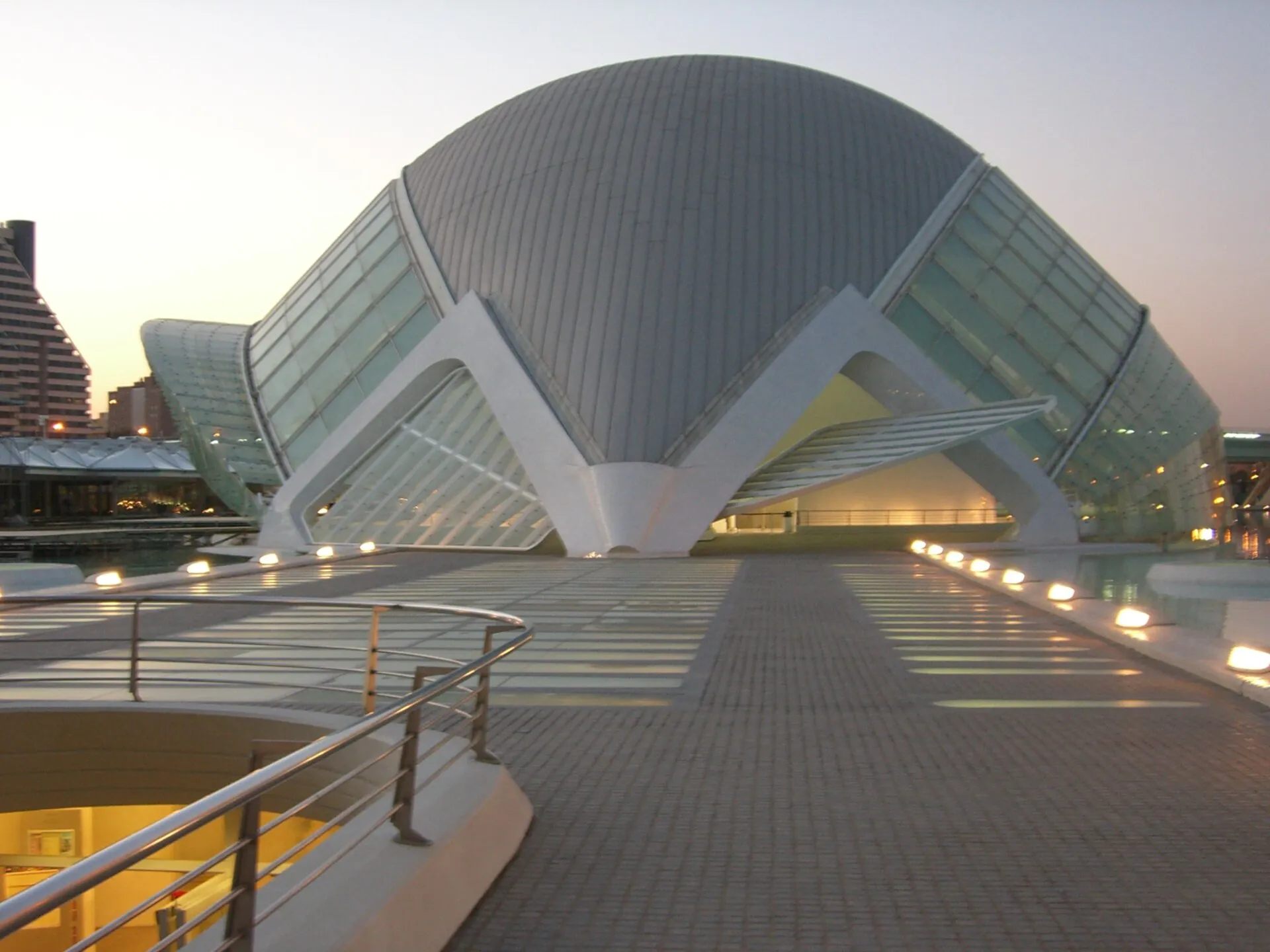
- City of Arts and Sciences at sunset — Calatrava's white structures glow pink and gold as they reflect in the surrounding pools
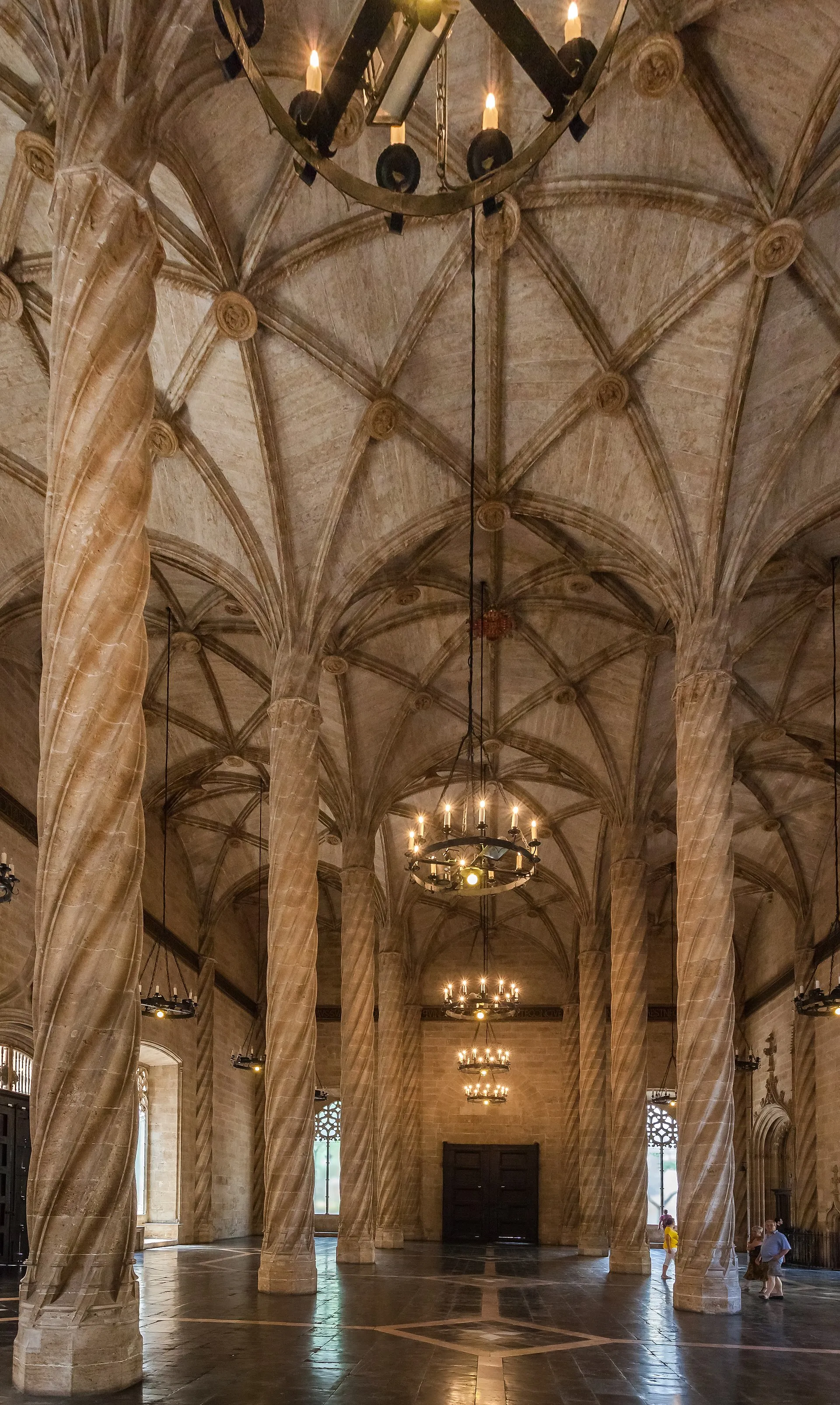
- La Lonja de la Seda's Columned Hall — Spiraling stone columns rise like palm trees in this UNESCO masterpiece of late Gothic architecture
- Central Market tasting tour — Sample Valencian olive oil, cured tuna, tigernuts for horchata, and seasonal citrus among 1,000-plus stalls
- Turia Gardens bike ride — Cycle the full length of the former riverbed from Cabecera Park to the oceanfront
- Las Fallas mascletà — The daily 2 PM pyrotechnic display in Plaza del Ayuntamiento shakes the ground beneath your feet
- Authentic paella in El Palmar — Ride out to the Albufera lagoon where rice farming and paella tradition began
- Malvarrosa Beach and the port — Stroll the promenade where Sorolla painted his luminous seaside canvases
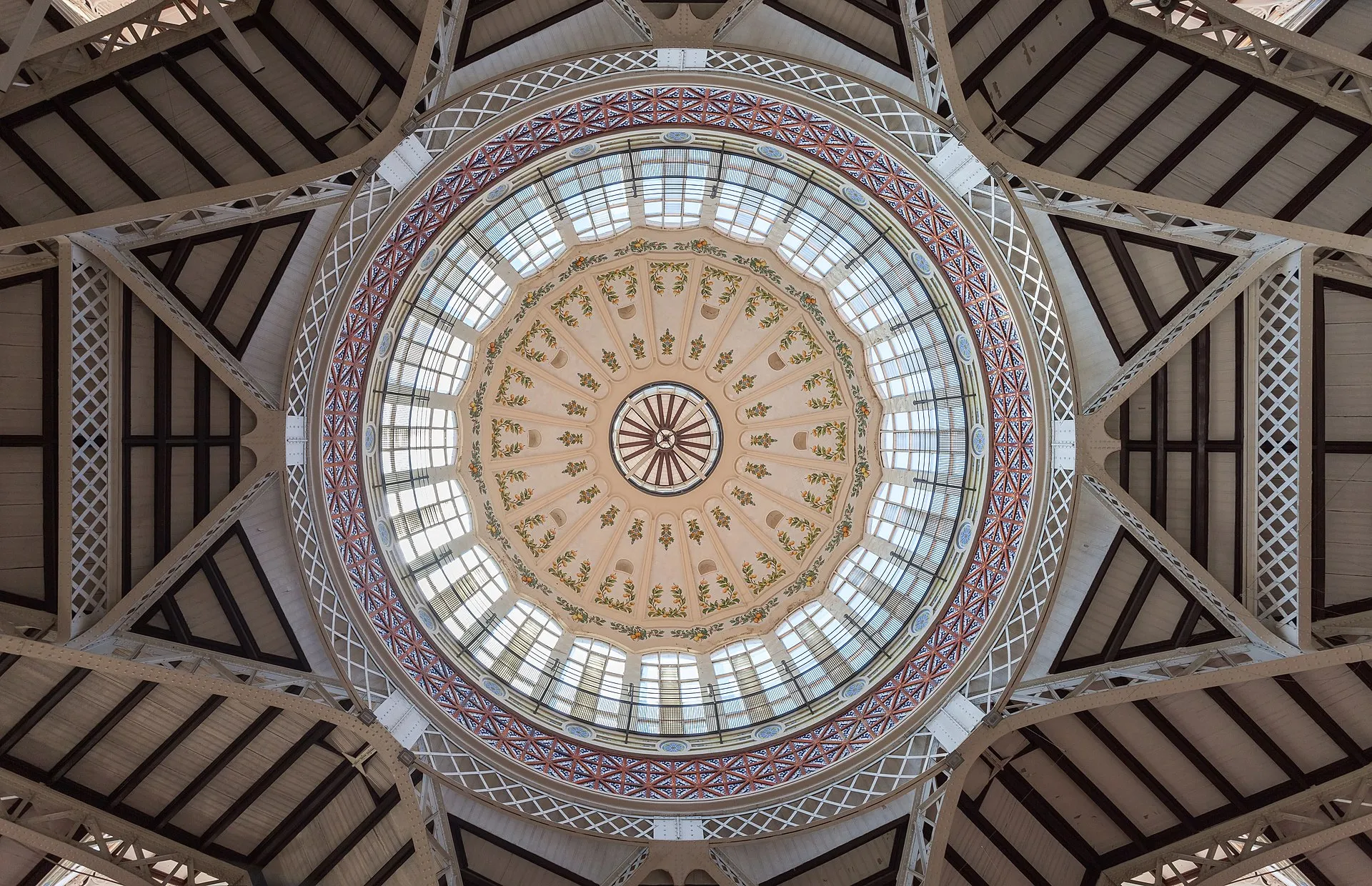
Central Market
Taste your way through 1,000+ stalls in a stunning Art Nouveau landmark | Free entry, daily tips
City of Arts and Sciences
Navigate Calatrava's futuristic complex with expert guidance | Tickets, hours & insider tips
La Lonja de la Seda
Unlock the secrets of Valencia's UNESCO Gothic masterpiece | Prices, hours & guided tours
Guide planning
How much does a tour guide cost in Valencia?
Valencia's guide scene is more personal and less commercialized than in larger Spanish cities, and rates are among the most reasonable of any major destination in Spain. A good local guide is the fastest way to connect the medieval old town to the futuristic riverbed — here is what to budget:
- Group walking tours of the old town run €12–20 (~$13–22) per person for two to three hours, typically taking in the Cathedral and Miguelete bell tower, the Central Market, and La Lonja de la Seda
- Private half-day tours (up to six people) range €120–200 (~$130–220), while a full day pairing the historic centre with the City of Arts and Sciences runs €220–350 (~$240–380)
- Gastronomy specialists — a Central Market tasting tour is €30–50 (~$33–55) per person, while a paella cooking class or a guided trip to the Albufera rice fields in El Palmar runs €60–120 (~$65–130)
- Las Fallas experts command a premium during the March festival, when demand outstrips supply — book several months ahead and expect €150–250 (~$165–275) for a private guide
- Entry fees are usually added on top of the guiding fee: La Lonja is just €2 (~$2.20) and free on Sundays, while individual City of Arts venues range €8–38 (~$9–42)
Look for the official Guía Oficial de Turismo de la Comunitat Valenciana accreditation — licensed guides are the only ones permitted to lead formal tours inside the region's monuments. A €5–10 (~$5–11) tip per person is appreciated for a private guide, though never expected; for group walking tours, €2–3 (~$2–3) per person is standard.
Season planner
When is the best time to visit Valencia?
- 1–19 March: The build-up to Las Fallas — the mascletà thunders across Plaza del Ayuntamiento every afternoon at 2 PM, climaxing with the Cremà on the 19th, when hundreds of sculptures burn citywide; book guides and hotels months ahead
- April–June: Warm Mediterranean weather, a blooming Turia Gardens, and Semana Santa Marinera — Valencia's distinctive maritime Holy Week processions in the seafront Cabanyal quarter
- July: The month-long Feria de Julio brings concerts, fireworks over the old riverbed, and a batalla de flores, while nearby Buñol stages La Tomatina on the last Wednesday of August
- September–October: Sea temperatures stay warm enough for swimming, and the grape harvest fills the nearby Utiel-Requena vineyards
- Avoid: Late July and August when temperatures regularly exceed 35°C and humidity peaks — plan shaded routes, indoor monuments, and early starts
Spring
Mar-May
Summer
Jun-Aug
Autumn
Sep-Nov
Winter
Dec-Feb
Each score averages that season’s monthly ratings out of 5. The top-rated window is usually the peak season too, so read the guidance above for its trade-offs before you book.
On the ground
How do you get around Valencia?
- Valencia is walkable — the old town, Central Market, Cathedral, and La Lonja de la Seda all sit within a compact core, so guides keep the pace comfortable and most visitors never need transport inside the centre
- Airport and metro — Metrovalencia lines 3 and 5 link the airport to the centre in about 25 minutes for roughly €4.90 (~$5); single metro and EMT bus rides in the city cost about €1.50 (~$1.60)
- Cycle the riverbed — the flat, traffic-free Turia Gardens make the Valenbisi bike-share the easiest way to reach the City of Arts and Sciences from the old town
- Reserve paella at lunch — Valencians eat paella as a midday meal, never at dinner, so a good guide books the right restaurant, whether in town or out at the Albufera lagoon
- Bring sun protection — even in spring the Mediterranean sun is intense; guides plan shaded routes and indoor breaks
- Valencian vs Spanish — street signs are in Valencià (a variant of Catalan) alongside Castilian Spanish, and a guide helps decode local place names and customs
- Horchata breaks — ask your guide to stop at a traditional horchatería for this refreshing tigernut drink served with fartons pastries
- Tipping customs — €5–10 (
$5–11) for private guides is appreciated; €2–3 ($2–3) per person is standard for group tours
Frequently Asked Questions
What is the best time to visit Valencia?
March is the headline month: from the 1st to the 19th the mascletà rattles Plaza del Ayuntamiento at 2 PM daily, building to Las Fallas (15–19 March), when the city fills with hundreds of giant sculptures that are burned on the final night — book guides months ahead. For calmer weather, April–June and September–October bring warm Mediterranean days, a blooming Turia Gardens, and manageable crowds. Late July and August turn hot and humid (regularly above 35°C), though the beaches and evening terrazas stay lively.
How much does a tour guide cost in Valencia?
Group walking tours of the old town run about €12–20 (~$13–22) per person for two to three hours. Private half-day tours cost €120–200 (~$130–220) for up to six people, and a full day pairing the City of Arts and Sciences with the historic centre runs €220–350 (~$240–380). A Central Market food tour with tastings is typically €30–50 (~$33–55) per person. Look for the official Guía Oficial de Turismo de la Comunitat Valenciana accreditation.
How do you get around Valencia?
The old town, Central Market, Cathedral, and La Lonja de la Seda sit within a compact, walkable core. Metrovalencia lines 3 and 5 link the airport to the centre in about 25 minutes for roughly €4.90 (~$5), while EMT buses and the Valenbisi bike-share cover the rest. The flat, traffic-free Turia Gardens make cycling the easiest way to reach the City of Arts and Sciences from the old town.
Why is Valencia worth visiting beyond Madrid and Barcelona?
Founded by Rome as Valentia in 138 BC, Valencia is Spain's third-largest city and the capital of the Valencian Community, home to the busiest container port in the Mediterranean. It is the birthplace of paella, guardian of the UNESCO-listed La Lonja de la Seda from its silk-trading golden age, and the setting for Las Fallas, itself recognised by UNESCO. With far fewer crowds than Madrid or Barcelona and prices to match smaller cities, it rewards travellers exploring Spain beyond the obvious.