
Córdoba timeline
- 169 BCE
Córdoba begins
Established around 152–169 BC and later capital of the province of Baetica, it was the birthplace of the philosopher Seneca and the poet Lucan
- 2nd century BCE
Roman Corduba was founded in the mid-
Roman Corduba was founded in the mid-2nd century BC.
-
Córdoba begins
Established around 152–169 BC and later capital of the province of Baetica, it was the birthplace of the philosopher Seneca and the poet Lucan
-
But the city's defining age came later
But the city's defining age came later: in 756 the exiled Umayyad prince Abd al-Rahman I made Córdoba the seat of an independent emirate, and in 929 Abd al-Rahman III.
-
UNESCO World Heritage listing
— The ruined caliphal palace-city eight kilometres west of town, built by Abd al-Rahman III from 936 and declared a UNESCO site in 2018, is reached by a dedicated.
- 10th century
Córdoba capital era
Córdoba was the capital of the Caliphate of Córdoba and, in the 10th century, likely the largest city in Western Europe
-
Synagogue of Córdoba
Synagogue of Córdoba — One of only three medieval synagogues surviving in Spain, its intricate Mudéjar stucco work dating to 1315.
-
UNESCO World Heritage listing
The Historic Centre (listed in 1984 and extended in 1994), the Fiesta of the Patios (inscribed as Intangible Cultural Heritage in 2012), and the caliphal city of Medina.
-
UNESCO World Heritage listing
The Historic Centre (listed in 1984 and extended in 1994), the Fiesta of the Patios (inscribed as Intangible Cultural Heritage in 2012), and the caliphal city of Medina.
-
UNESCO World Heritage listing
The Historic Centre (listed in 1984 and extended in 1994), the Fiesta of the Patios (inscribed as Intangible Cultural Heritage in 2012), and the caliphal city of Medina.
Cited city facts
Key facts for visiting Córdoba
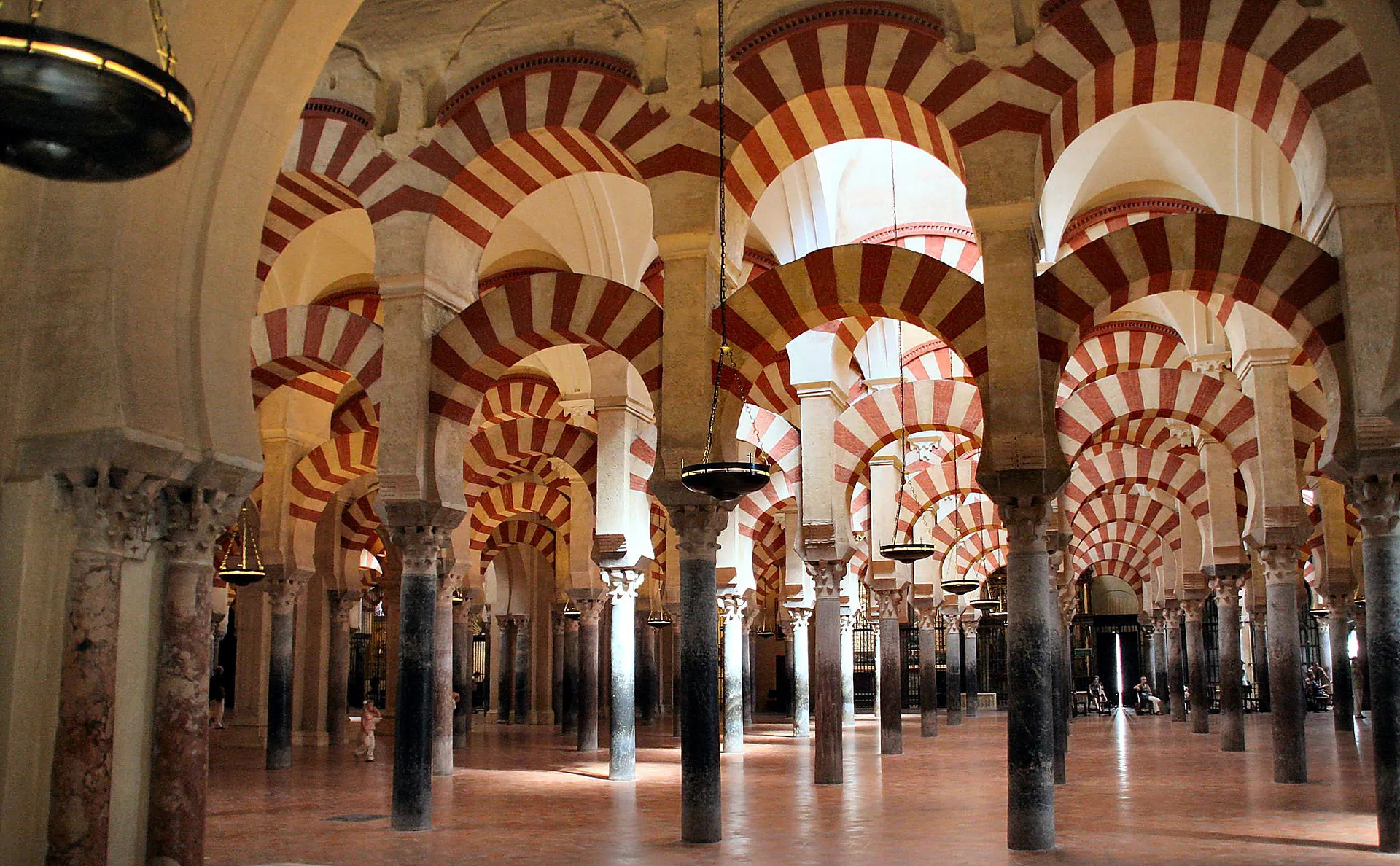
The Mezquita-Cathedral holds 856 columns of jasper, onyx, marble, and granite
Many were recycled from Roman temples and Visigothic churches; to lift the low salvaged shafts, the architects stacked a second tier of arches, creating the forest of double-tiered arches that has stood for more than 1,000 years
Córdoba carries four UNESCO inscriptions
The Historic Centre (listed in 1984 and extended in 1994), the Fiesta of the Patios (inscribed as Intangible Cultural Heritage in 2012), and the caliphal city of Medina Azahara (2018) together make Córdoba one of the most UNESCO-recognised cities in Europe for its size
In the 10th century, estimates put Córdoba's population near half a million
Under Abd al-Rahman III's Caliphate the city was probably the largest and most literate in Western Europe, remembered for its libraries and paved, lamp-lit streets at a time when London held barely 20,000 people
Córdoba is regularly the hottest provincial capital in mainland Spain
Sitting in the sheltered Guadalquivir valley with little sea breeze, the city averages July highs near 37°C and has recorded extremes above 46°C, so summer touring is best done at dawn and after dusk
Roman Corduba was founded in the mid-2nd century BC
Established around 152–169 BC and later capital of the province of Baetica, it was the birthplace of the philosopher Seneca and the poet Lucan — the first of the many civilisations layered beneath today's streets
Source: tour-guide.com — Free to cite with attribution
Things to see
What are the top attractions in Córdoba?
- Mezquita-Cathedral at morning opening — Arrive when the doors unlock at 8:30 AM (free entry Monday–Saturday until 9:30) to walk the hypostyle hall in near-solitude, sunlight filtering through the forest of red-and-white arches toward the golden mihrab
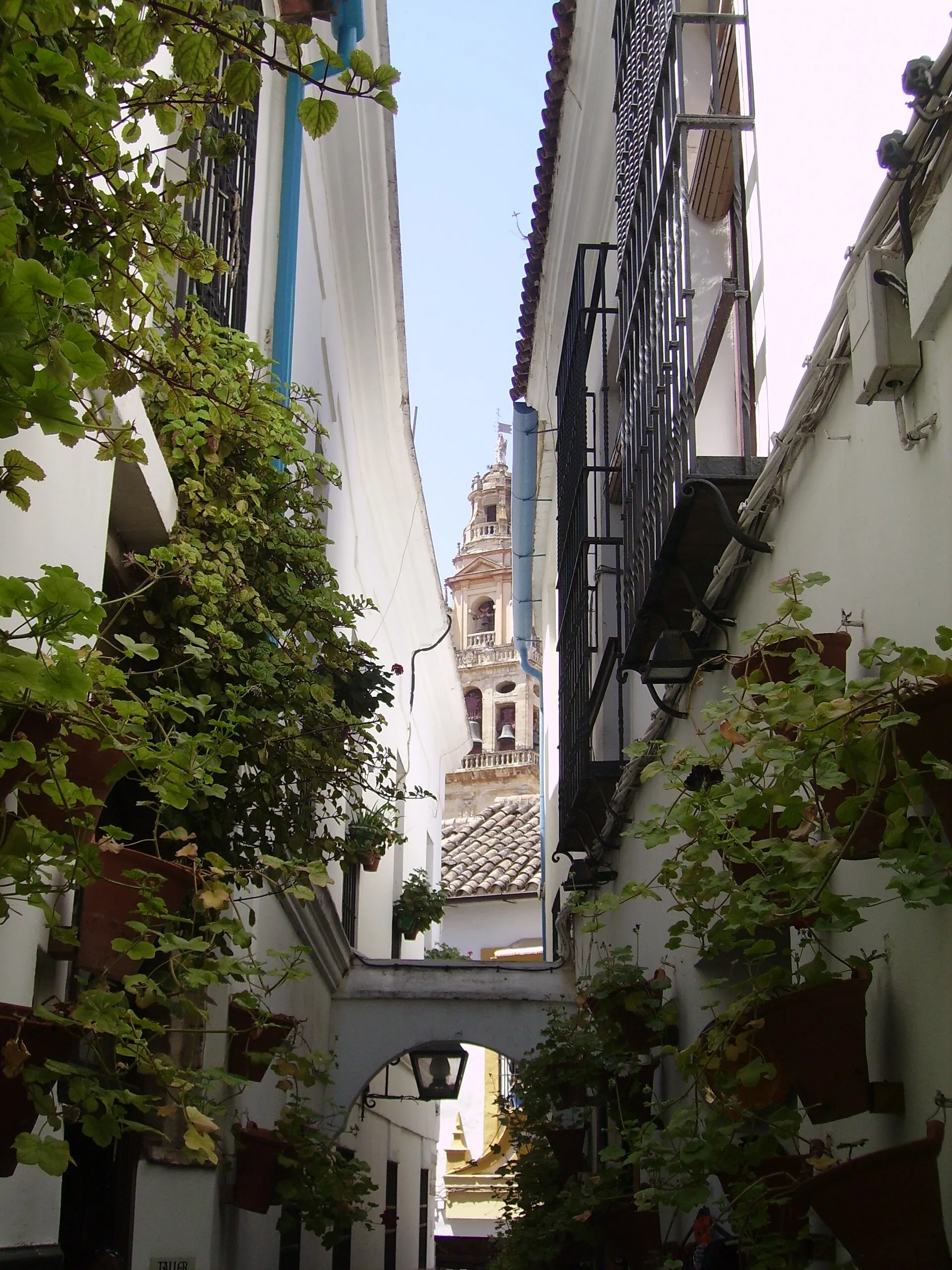
- Jewish Quarter (Judería) — A maze of whitewashed lanes wrapping the Mezquita's western flank, holding the Casa de Sefarad museum, the Maimonides statue, and the flower-hung Calleja de las Flores
- Synagogue of Córdoba — One of only three medieval synagogues surviving in Spain, its intricate Mudéjar stucco work dating to 1315
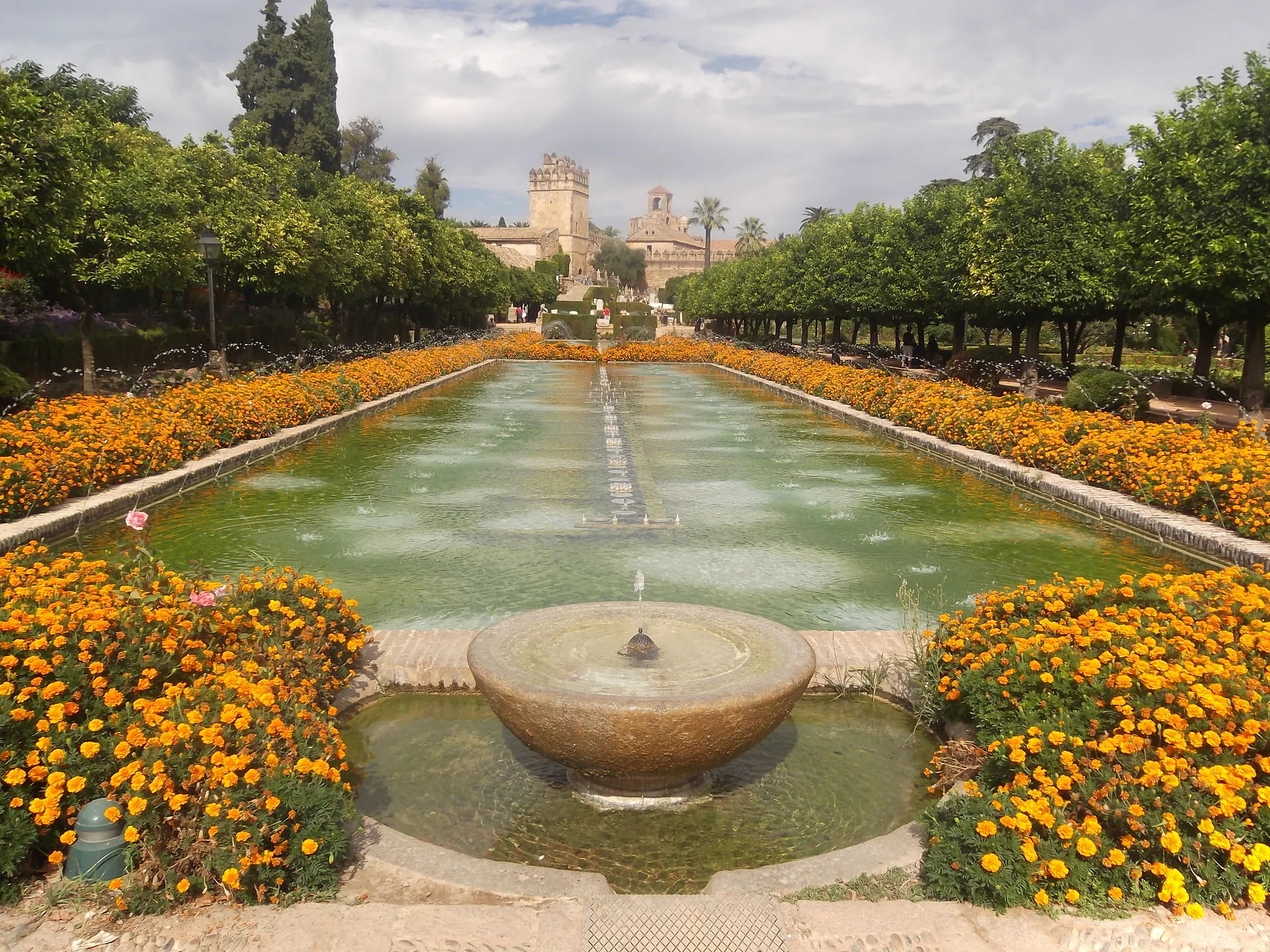
- Alcázar de los Reyes Cristianos gardens at dusk — Terraced pools, fountains, and clipped hedges glow under warm lighting on summer nights in the fortress where the Catholic Monarchs directed the final Reconquista
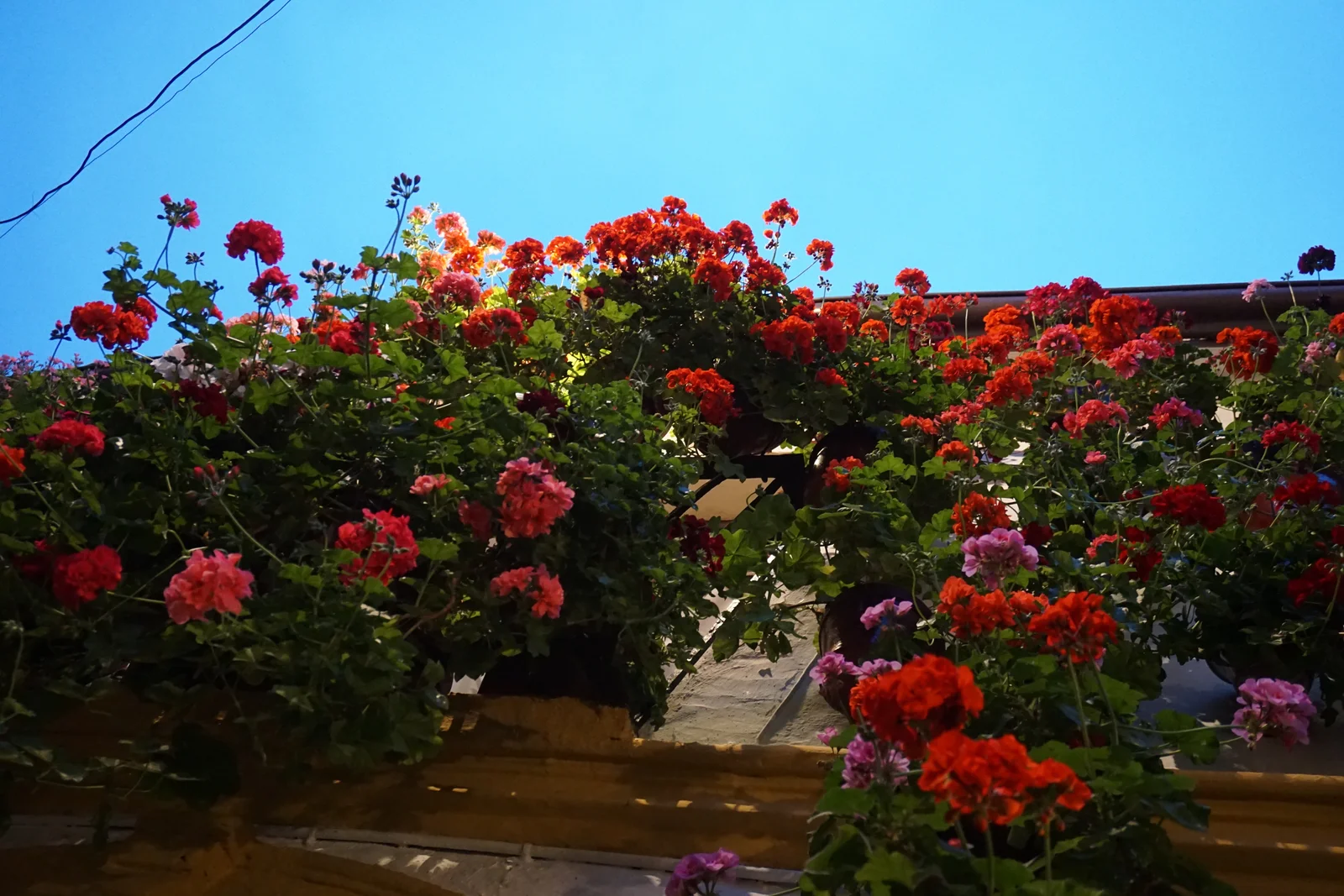
- Patios Festival courtyards — In the first two weeks of May, families across the San Basilio and Santa Marina districts compete to create the most beautiful courtyard, with geranium-covered walls, hanging pots, and central wells framed by jasmine
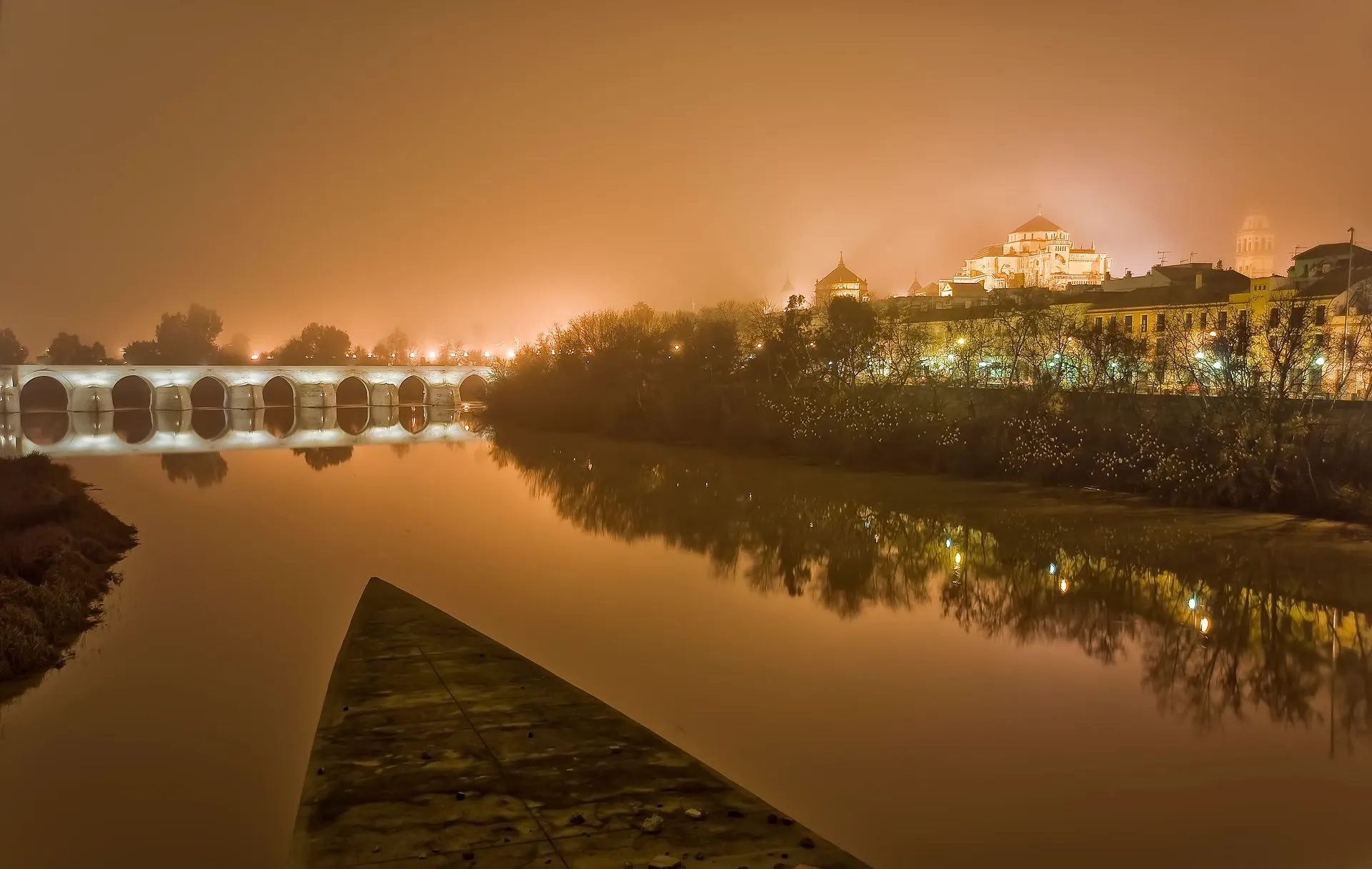
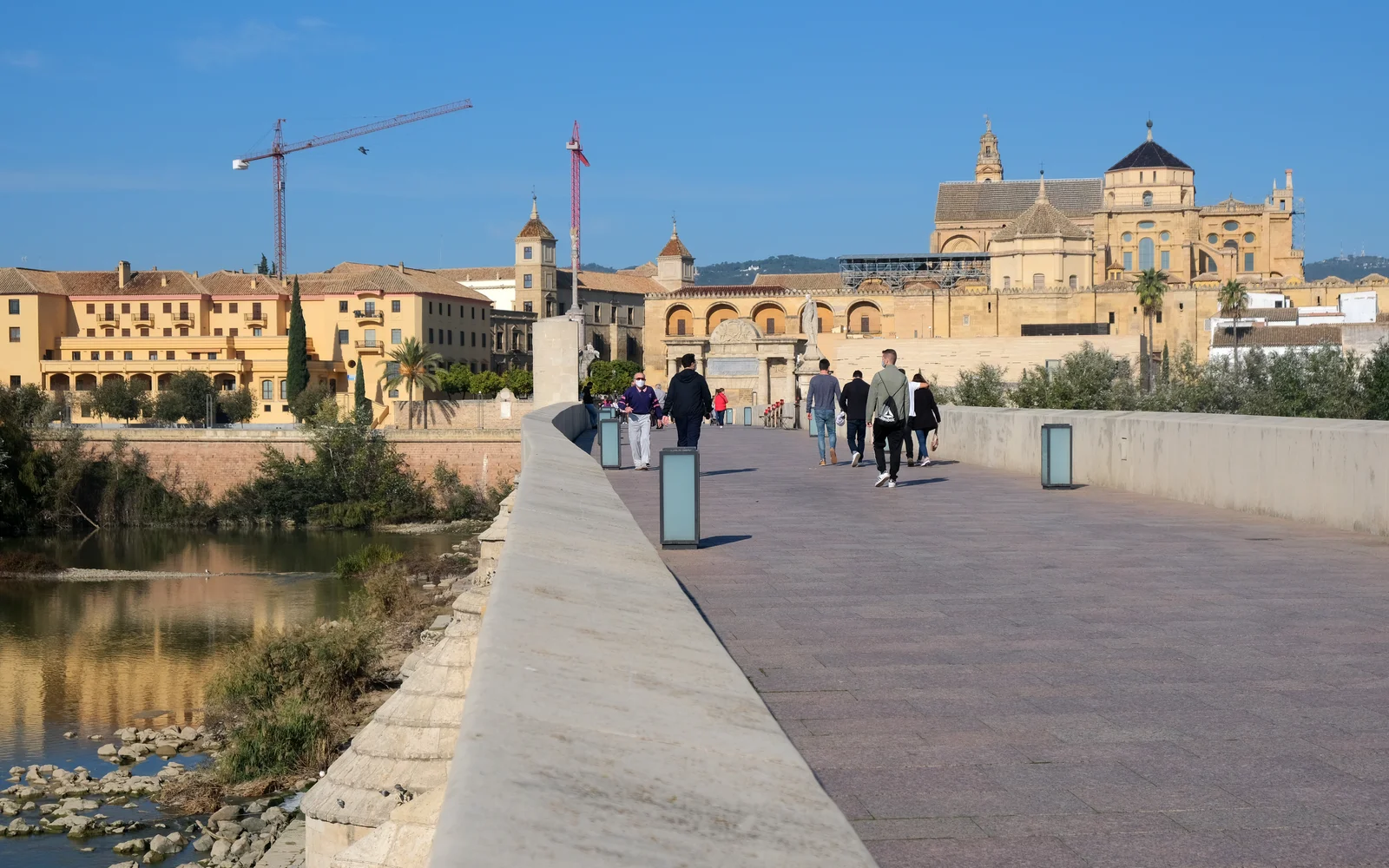
- Roman Bridge at sunset — The sixteen-arch span across the Guadalquivir, Roman in origin and much rebuilt, links the Mezquita side to the Calahorra Tower, and the view back toward the old town is unforgettable at golden hour
- Medina Azahara — The ruined caliphal palace-city eight kilometres west of town, built by Abd al-Rahman III from 936 and declared a UNESCO site in 2018, is reached by a dedicated shuttle bus from its visitor centre
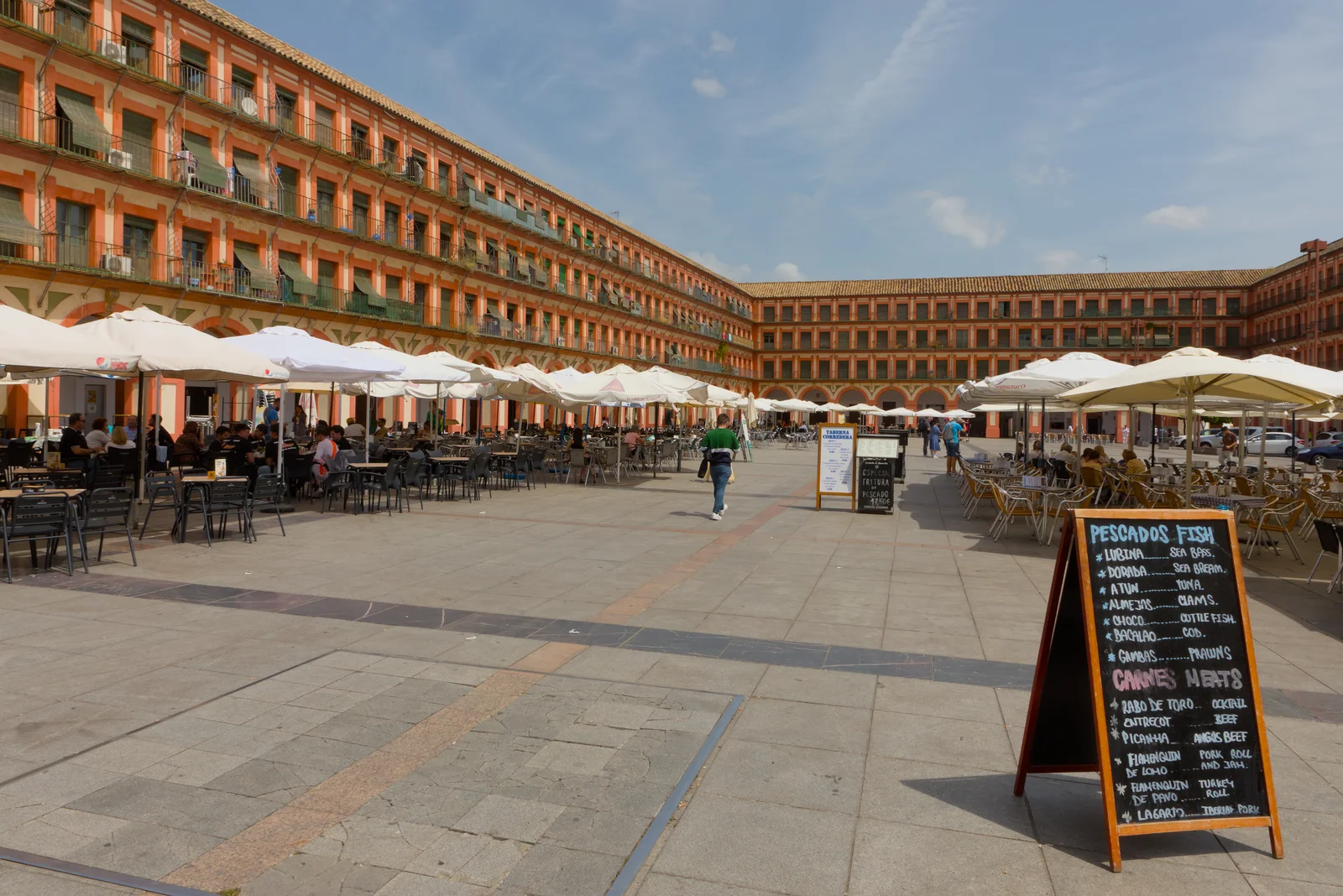
- Salmorejo in Plaza de la Corredera — Córdoba's signature cold tomato soup, thicker and creamier than gazpacho, served with jamón and hard-boiled egg beneath the arcades of the city's great 17th-century square
Alcázar de los Reyes Cristianos
Fortress of monarchs, gardens of splendour | Prices, hours & guided visits
Jewish Quarter (Judería) of Córdoba
Sephardic heritage, medieval lanes & hidden courtyards | Walking tours, prices & local insights
Mezquita-Cathedral of Córdoba
Navigate twelve centuries of layered history with a local expert | Prices, hours & free entry windows
Guide planning
How much does a tour guide cost in Córdoba?
Córdoba's layered history — Roman colony, Visigothic seat, Caliphate capital, reconquered Christian city — rewards a guide who can move fluently between civilisations, and rates here are gentler than in Madrid or Barcelona. Here is roughly what to budget:
- Group walking tours of the historic centre run €10–20 (~$11–22) per person for two to three hours, usually taking in the Jewish Quarter, the exterior of the Mezquita-Cathedral, and the Roman Bridge
- Private half-day tours (up to six people) range €100–160 (~$110–175), while a full day adding the Alcázar de los Reyes Cristianos and a patios walk runs €180–320 (~$195–350)
- Specialist guides — an art historian for the Mezquita's cathedral insertion, or a Sephardic-history guide for the Judería — command €150–250 (~$165–270) for a focused session
- Monument entry is extra: about €11 (~$12) for the Mezquita (free 8:30–9:30 AM on weekdays), €5 (~$5) for the Alcázar, and free entry with a modest €1.50 (~$2) ticket at Medina Azahara for non-EU visitors
- Tipping is never expected but appreciated — around €5–10 (~$5–11) per person for a private guide, or €3–5 each on a group walk
Look for the official Guía Oficial de Turismo de Andalucía accreditation: licensed guides are the only ones permitted to lead tours inside the Mezquita and the Alcázar.
Season planner
When is the best time to visit Córdoba?
- May: The Festival de los Patios (first two weeks) opens private courtyards across the San Basilio and Santa Marina districts, overlapping with the Cruces de Mayo flower-cross displays and live flamenco — the single best time to visit, so book guides and rooms months ahead
- March–April: Orange trees blossom, temperatures hover around 20–25°C, and Semana Santa processions wind through the old quarter and across the Roman Bridge
- October–November: The summer heat has broken, autumn light turns the limestone gold, and visitor numbers thin considerably — ideal for unhurried touring of the Mezquita-Cathedral and Alcázar
- December–February: Mild, quiet, and inexpensive; days reach a comfortable 15°C, though the cavernous stone interior of the Mezquita can feel cold, so aim for a mid-morning slot
- Avoid July–August, when afternoons routinely exceed 40°C — Córdoba is regularly the hottest provincial capital in mainland Spain, and outdoor touring becomes grueling
Spring
Mar-May
Summer
Jun-Aug
Autumn
Sep-Nov
Winter
Dec-Feb
Each score averages that season’s monthly ratings out of 5. The top-rated window is usually the peak season too, so read the guidance above for its trade-offs before you book.
On the ground
How do you get around Córdoba?
- Arrive by AVE high-speed train — Córdoba sits on the main Madrid–Seville line, roughly 1h45 from Madrid, 45 minutes from Seville, and about an hour from Málaga, making it an easy day trip or a base for wider Andalusia
- Walk the old town — the Mezquita-Cathedral, Jewish Quarter, Roman Bridge, and Alcázar all sit within a ten-minute stroll, and the medieval core is pedestrianised, so drivers should use a peripheral car park
- Visit the Mezquita first thing — the doors open at 8:30 AM, with free weekday entry until 9:30 before the mass; guides treasure this window for uninterrupted commentary in the prayer hall
- Reach Medina Azahara by shuttle — the caliphal ruins lie eight kilometres west; a dedicated bus runs from the visitor centre, and private cars are not allowed up to the site itself
- Embrace patio culture — even outside the May festival, many taverns and small hotels have interior courtyards; a guide knows which ones welcome visitors year-round
- Eat and drink local — try salmorejo rather than only gazpacho, and pair it with a chilled Montilla-Moriles fino or amontillado, the local sherry-style wines a guide can point you toward in an unmarked taberna
- Wear comfortable shoes and carry water — the old quarter's cobbles are uneven and shade is scarce, so a good guide plans rest stops in shaded plazas, especially in summer
Córdoba in Pictures
Frequently Asked Questions
What is the best time to visit Córdoba?
May is the standout month. The Festival de los Patios (first two weeks) opens dozens of private courtyards to the public, and it overlaps with the Cruces de Mayo and the Feria de Nuestra Señora de la Salud, so the whole city smells of jasmine and azahar (orange blossom). April and October are nearly as good — around 20–25°C, with Semana Santa processions in early spring and golden light on the limestone in autumn. Avoid July and August, when afternoons routinely pass 40°C and outdoor touring becomes an ordeal; if you must come then, start at the Mezquita-Cathedral at its 8:30 AM opening and retreat indoors by midday.
How much does a tour guide cost in Córdoba?
Group walking tours of the historic centre run about €10–20 (~$11–22) per person for two to three hours. Private half-day tours cost roughly €100–160 (~$110–175) for up to six people, and a full day linking the Mezquita-Cathedral, the Jewish Quarter, and the Alcázar de los Reyes Cristianos runs €180–320 (~$195–350). Monument entry is usually charged on top. Only holders of the official Guía Oficial de Turismo de Andalucía licence may lead tours inside the Mezquita and Alcázar, so look for that accreditation when booking.
How do you get around Córdoba?
The historic centre is compact and walkable — the Mezquita, the Jewish Quarter, the Roman Bridge, and the Alcázar all sit within a ten-minute stroll of one another. Most visitors arrive by AVE high-speed train: about 1h45 from Madrid, 45 minutes from Seville, and roughly an hour from Málaga. From the station it is a 15–20 minute walk or a short taxi into the old town, and city buses cover the newer districts. Drivers should leave cars in a peripheral car park, as the medieval core is pedestrianised.
What makes Córdoba worth a visit beyond the Mezquita?
Córdoba was the capital of the Caliphate of Córdoba and, in the 10th century, likely the largest city in Western Europe — a centre of convivencia where Muslim, Jewish, and Christian scholars worked side by side. That legacy survives in four UNESCO inscriptions: the Historic Centre with its Mezquita, the Fiesta de los Patios, and the ruined caliphal city of Medina Azahara. Beyond the monuments, the city is defined by its flower-filled patios, its cold salmorejo soup, and the Montilla-Moriles wines poured in its taverns — the everyday Andalusian culture that a guide from nearby Seville or Granada can help you read as part of the wider story of Spain.