
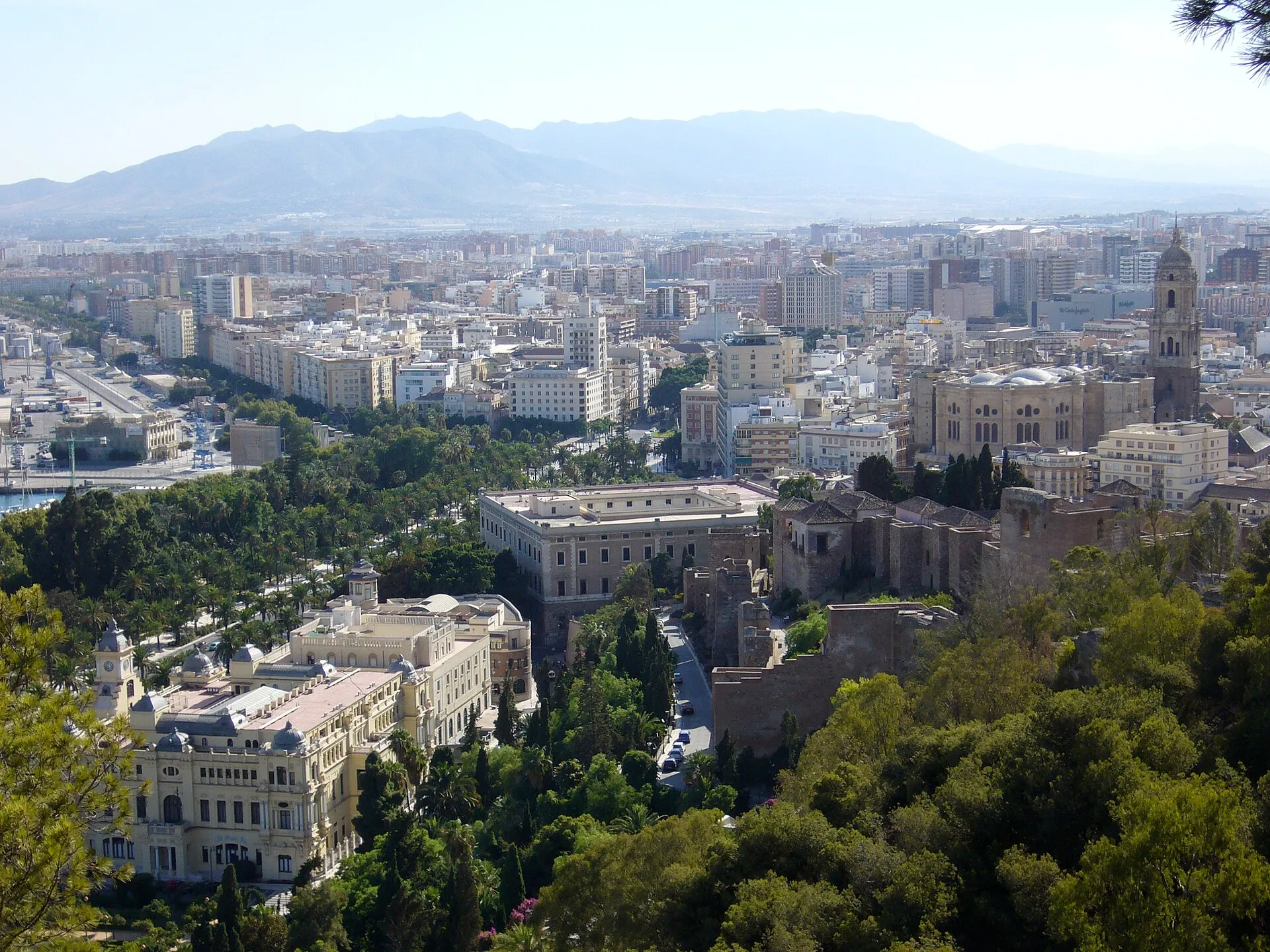
Málaga timeline
- 770 BCE
Malaga was founded by Phoenician traders
Malaga was founded by Phoenician traders around 770 BC.
-
Picasso Museum courtyard and collection
the museum tells his story through 285 works donated by his family.
-
Harbour begins
Founded by Phoenician traders around 770 BC, this port on Andalusia's southern coast layers nearly three millennia of history across its hillsides: Phoenicians, Romans.
Cited city facts
Key facts for visiting Málaga
Malaga was founded by Phoenician traders around 770 BC
Making it one of the oldest continuously inhabited cities in the Western Mediterranean, with over 2,800 years of recorded history
The city averages 300 sunny days per year
Malaga receives more annual sunshine than almost any other major European city, making even its mild winters viable for outdoor sightseeing
Malaga now has more than 40 museums and cultural venues
Two decades of investment have transformed the city from a beach-holiday gateway into one of Spain's densest museum landscapes, including branches of the Pompidou Centre and the Russian State Museum
Picasso was born at Plaza de la Merced 15 on 25 October 1881
The artist's birthplace is now a museum, and the city's Museo Picasso Malaga holds 285 works donated by his family, spanning every major period of his career
Source: tour-guide.com — Free to cite with attribution
Things to see
What are the top attractions in Málaga?
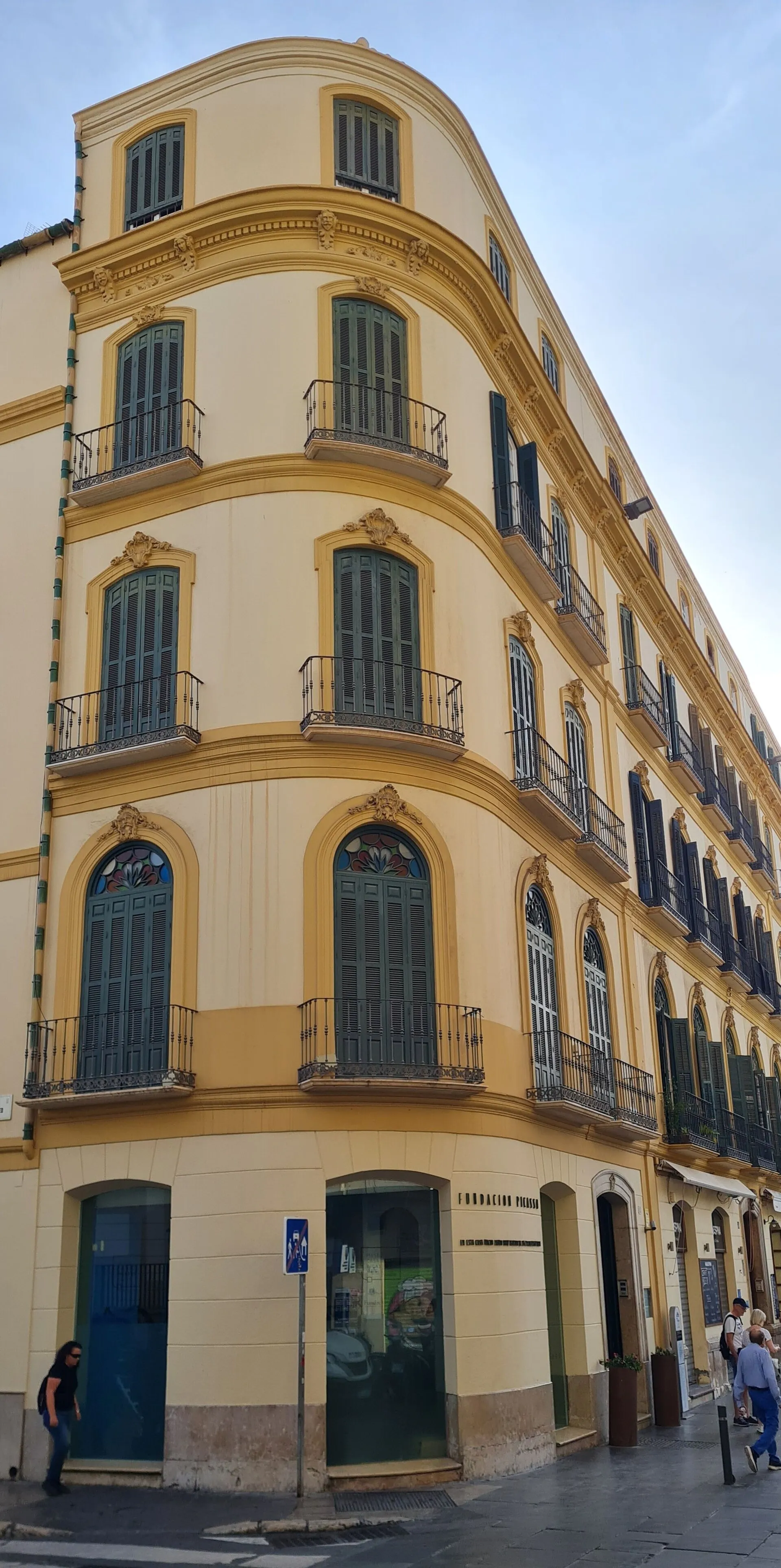
- Picasso Museum courtyard and collection — Born at Plaza de la Merced in 1881, Picasso's connection to Málaga runs deep; the museum tells his story through 285 works donated by his family
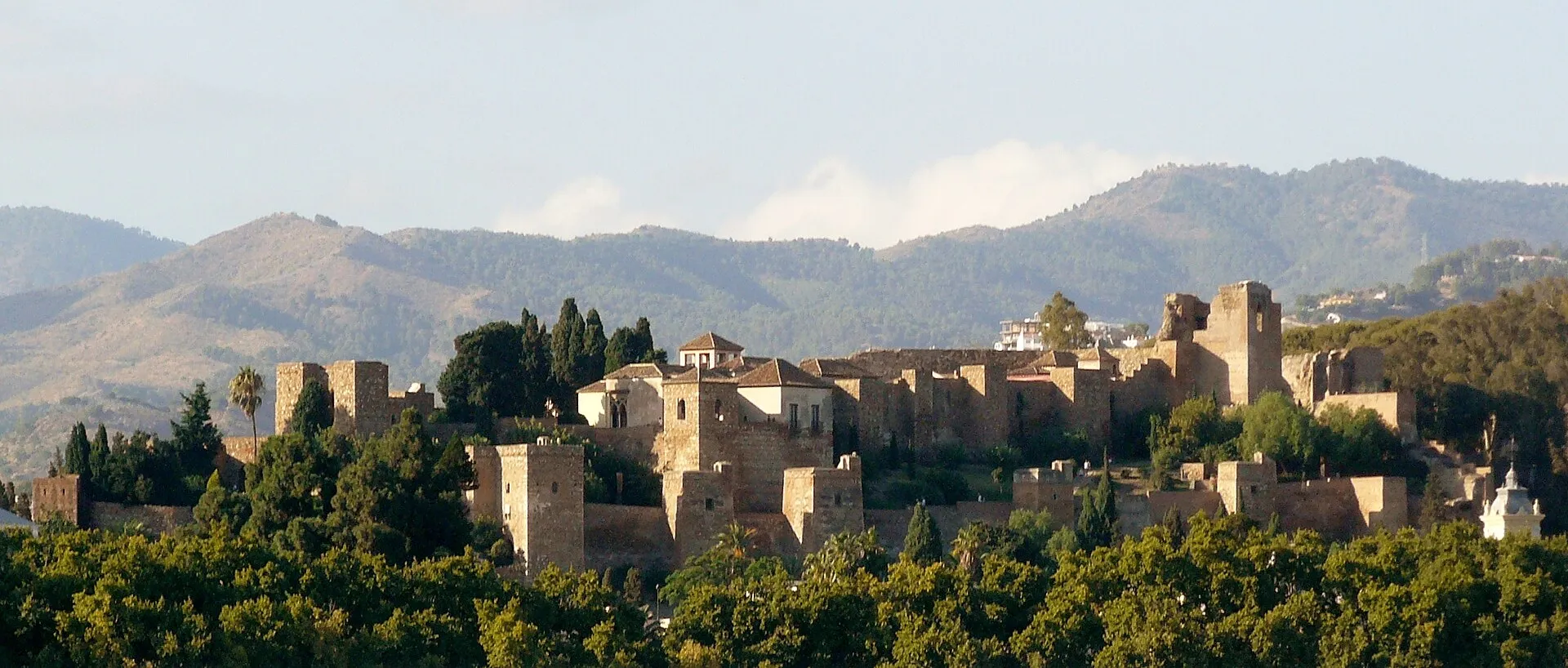
- Alcazaba and Gibralfaro — Walk the double-walled path connecting the 11th-century palace to the 14th-century hilltop castle for the finest panorama in the city
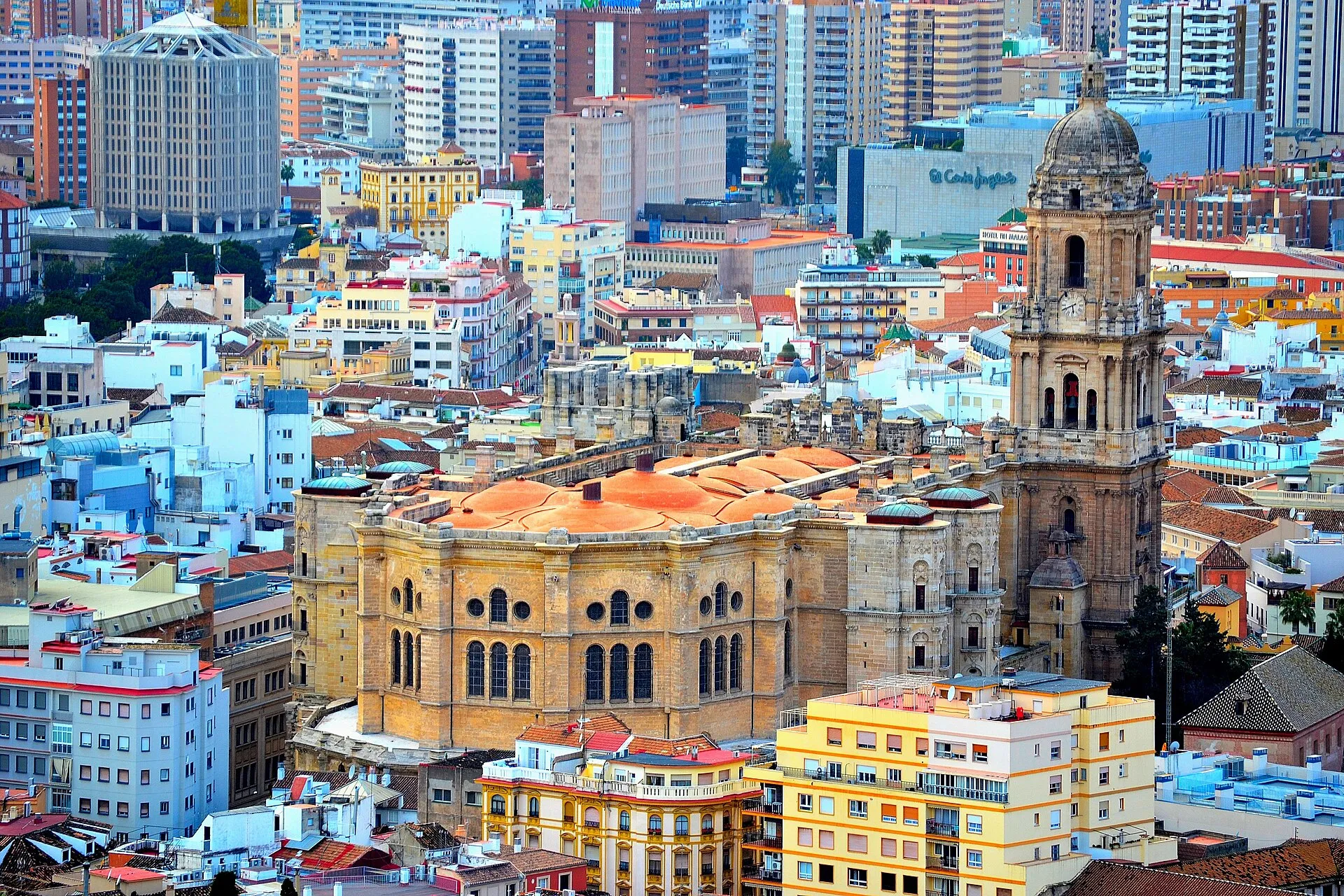
- Cathedral rooftop tour — Guided climbs to the roof terraces reveal why La Manquita's missing tower became the city's most beloved imperfection
- Roman Theatre — Discovered in 1951 beneath buildings that were demolished to reveal a 1st-century BC amphitheatre at the Alcazaba's feet
- Centre Pompidou Málaga — The first Pompidou branch outside France, housed in a rainbow-cube structure on the Muelle Uno waterfront promenade
- Soho street art district — International muralists have transformed entire building facades in the neighborhood between the river and the port
- Pedregalejo beach espetos — Sardines skewered on cane sticks and grilled over olive-wood fires at chiringuitos along the eastern shoreline
Alcazaba of Málaga
Spain's finest Moorish fortress-palace | 11th-century walls, Nasrid gardens & Roman ruins below
Málaga Cathedral
La Manquita — the one-armed cathedral | Renaissance grandeur, rooftop views & 40 chapels
Picasso Museum Málaga
285 masterworks in Picasso's hometown | Guided tours through a Renaissance palace
Guide planning
How much does a tour guide cost in Málaga?
Málaga's layered past — Phoenician port, Roman colony, Moorish stronghold, and Picasso's birthplace — means a knowledgeable local guide changes what you actually see rather than simply pointing at it. Rates here are among the most reasonable of any major Spanish city:
- Group walking tours of the historic centre run €12–18 (~$13–20) per person for two to three hours, typically taking in the Cathedral exterior, the Roman theatre, and the approach to the Alcazaba
- Private half-day tours (up to six people) range €120–180 (~$130–195), while a full-day itinerary pairing the fortress with the Picasso Museum runs €220–350 (~$240–380)
- Specialist guides — an art historian for the Picasso collection, or a licensed guide for the Cathedral rooftop climb — command €150–250 (~$165–270) for a focused session
- Entry fees are usually added on top of the guiding fee: roughly €3.50 (~$4) for the Alcazaba, €8 (~$9) for the Picasso Museum's permanent collection, and €6 (~$7) for the Cathedral
Look for the official Guía Oficial de Turismo de Andalucía accreditation — licensed guides are the only ones permitted to lead tours inside the Alcazaba and Cathedral. A €5–10 (~$5–11) tip per person is appreciated for a private guide, though never expected.
Season planner
When is the best time to visit Málaga?
- March–May: Mild temperatures in the low 20s°C, Semana Santa processions wind through the historic center, jacaranda trees bloom purple across the plazas, and the beaches are uncrowded
- September–October: Sea temperatures still hover around 22°C for swimming, summer crowds thin out, and the Feria de Málaga — nine days of flamenco, horses, and fino wine in mid-August — bleeds its energy into early September
- November–February: Málaga averages roughly 300 sunny days a year, so even winter brings pleasant daytime weather around 17°C, ideal for museums, the Alcazaba, and walking tours
- Avoid: Mid-July to mid-August if you dislike intense heat (35°C+) and packed beaches, though evenings stay lively with outdoor terraces well past midnight
Spring
Mar-May
Summer
Jun-Aug
Autumn
Sep-Nov
Winter
Dec-Feb
Each score averages that season’s monthly ratings out of 5. The top-rated window is usually the peak season too, so read the guidance above for its trade-offs before you book.
On the ground
How do you get around Málaga?
- The historic centre is walkable — the Alcazaba, Cathedral, Picasso Museum, and Soho are all within a 15-minute walk of Plaza de la Merced, so most visitors never need transport inside the old town
- Airport in 12 minutes — the Cercanías C-1 train links Málaga-Costa del Sol Airport to the central María Zambrano and Centro-Alameda stations every 20 minutes for about €1.80 (~$2), continuing west to Torremolinos and Fuengirola
- Metro and city buses — a two-line Metro and the orange EMT buses cover the university and outer districts; a single ride is roughly €1.40 (~$1.50)
- Reaching the beaches — Malagueta is a 10-minute walk from the centre; for the espeto chiringuitos of Pedregalejo and El Palo, take bus 11 east along the seafront
- Day trips by high-speed rail — AVE trains from María Zambrano reach Córdoba in under an hour and Madrid in about two and a half hours, making Málaga a practical base for exploring inland Spain
- Tipping customs — €5–10 per person for private guides is appreciated; for group walking tours, €3–5 is standard if you enjoyed the experience
Frequently Asked Questions
What is the best time to visit Málaga?
Spring (March–May) is ideal: temperatures sit in the low 20s°C, Semana Santa processions fill the historic centre, and the beaches are still uncrowded. September and October are nearly as good, with sea temperatures warm enough to swim once the summer crowds have gone. Málaga's roughly 300 sunny days a year mean even winter is pleasant for the Alcazaba climb and the city's museums.
How much does a tour guide cost in Málaga?
Group walking tours of the old town run about €12–18 (~$13–20) per person for two to three hours. Private half-day tours cost €120–180 (~$130–195) for up to six people, and a full day pairing the Alcazaba with the Picasso Museum runs €220–350 (~$240–380). Only guides holding the official Guía Oficial de Turismo de Andalucía licence may lead tours inside the Alcazaba and Cathedral.
How do you get around Málaga?
The historic centre is compact and walkable — the Cathedral, Alcazaba, and Picasso Museum are all within a 15-minute stroll of Plaza de la Merced. The Cercanías C-1 train links the airport to the centre in about 12 minutes for €1.80 (~$2), and a two-line Metro plus EMT buses cover the outer districts. For the beach chiringuitos of Pedregalejo, bus 11 runs east along the seafront.
Why is Málaga worth visiting beyond the beach?
Founded by Phoenician traders around 770 BC, Málaga is one of the oldest continuously inhabited cities in Europe and Andalusia's second city after Seville. It is Picasso's birthplace, home to more than 40 museums, and the cultural capital of the Costa del Sol, with a busy cruise port and a growing technology sector clustered at the Málaga TechPark.