
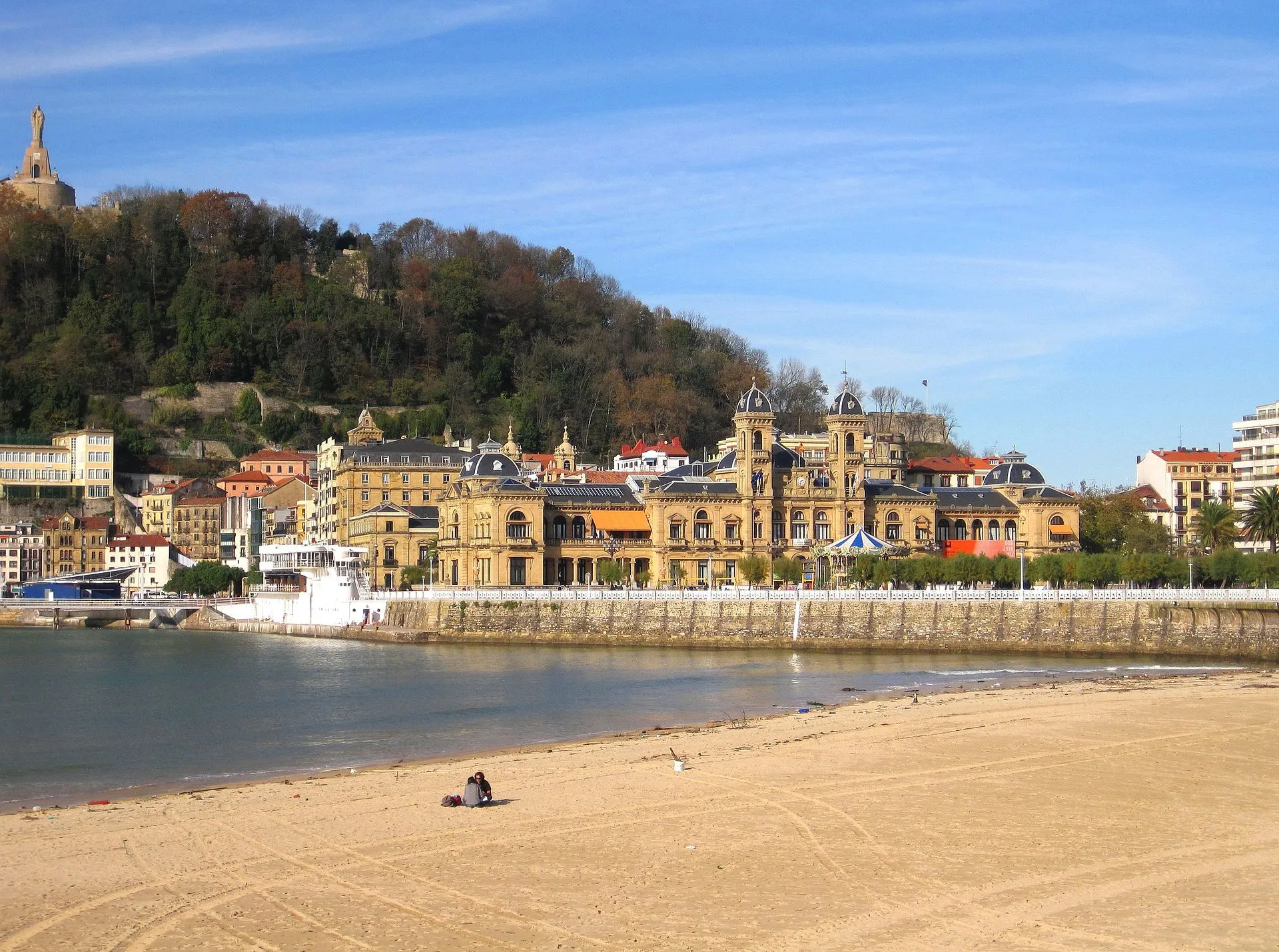
San Sebastián timeline
-
Town chartered
San Sebastian's medieval charter tied the bay to Navarrese and maritime power.
-
City burned and rebuilt
Wartime destruction led to the elegant nineteenth-century city visitors see today.
-
Film festival begins
The festival added a lasting cultural layer to the resort city.
Cited city facts
Key facts for visiting San Sebastián
San Sebastian holds more Michelin stars per capita than any other city on Earth
A population of just 190,000 supports multiple three-star restaurants including Arzak, Akelarre, and Martin Berasategui's namesake nearby, alongside dozens of starred establishments
The San Sebastian International Film Festival has run annually since 1953
It is the oldest and most prestigious film festival in the Spanish-speaking world, regularly attracting A-list premieres each September
La Concha beach measures 1,350 metres from end to end
Sheltered by Santa Clara island in the centre of the bay, the crescent-shaped beach experiences almost no wave action, creating calm swimming conditions unusual for the Atlantic coast
Tamborrada mobilises over 15,000 drummers every 20 January
For 24 consecutive hours, uniformed drum companies march through the streets of San Sebastian in a tradition dating back to 1836, marking the city's patron saint festival
Source: tour-guide.com — Free to cite with attribution
Things to see
What are the top attractions in San Sebastián?
- La Concha at sunset — The bay glows amber as the sun drops behind Monte Igueldo, best witnessed from the Miramar Palace gardens
- Parte Vieja pintxos ritual — Join locals moving from bar to bar, one pintxo and one drink at each, the quintessential Donostia experience
- Peine del Viento — Eduardo Chillida's iron wind combs anchored into the rocks at the western end of La Concha, where Atlantic waves crash spectacularly
- Monte Igueldo funicular — The century-old railway climbs to a viewpoint that reveals the full sweep of the bay and the Cantabrian coast beyond
- Zurriola Beach and surfing — The wilder, wave-battered beach east of the Kursaal attracts surfers year-round and hosts international competitions
- Txoko visit — Private gastronomic societies where members cook elaborate meals together, a tradition unique to the Basque Country that some guides can arrange access to
- Bretxa Market — The locals' market tucked beneath the old quarter, where fishmongers and vegetable sellers showcase the ingredients that fuel the city's culinary reputation
La Concha Beach
Shell-shaped bay, Belle Époque promenade & Santa Clara island views
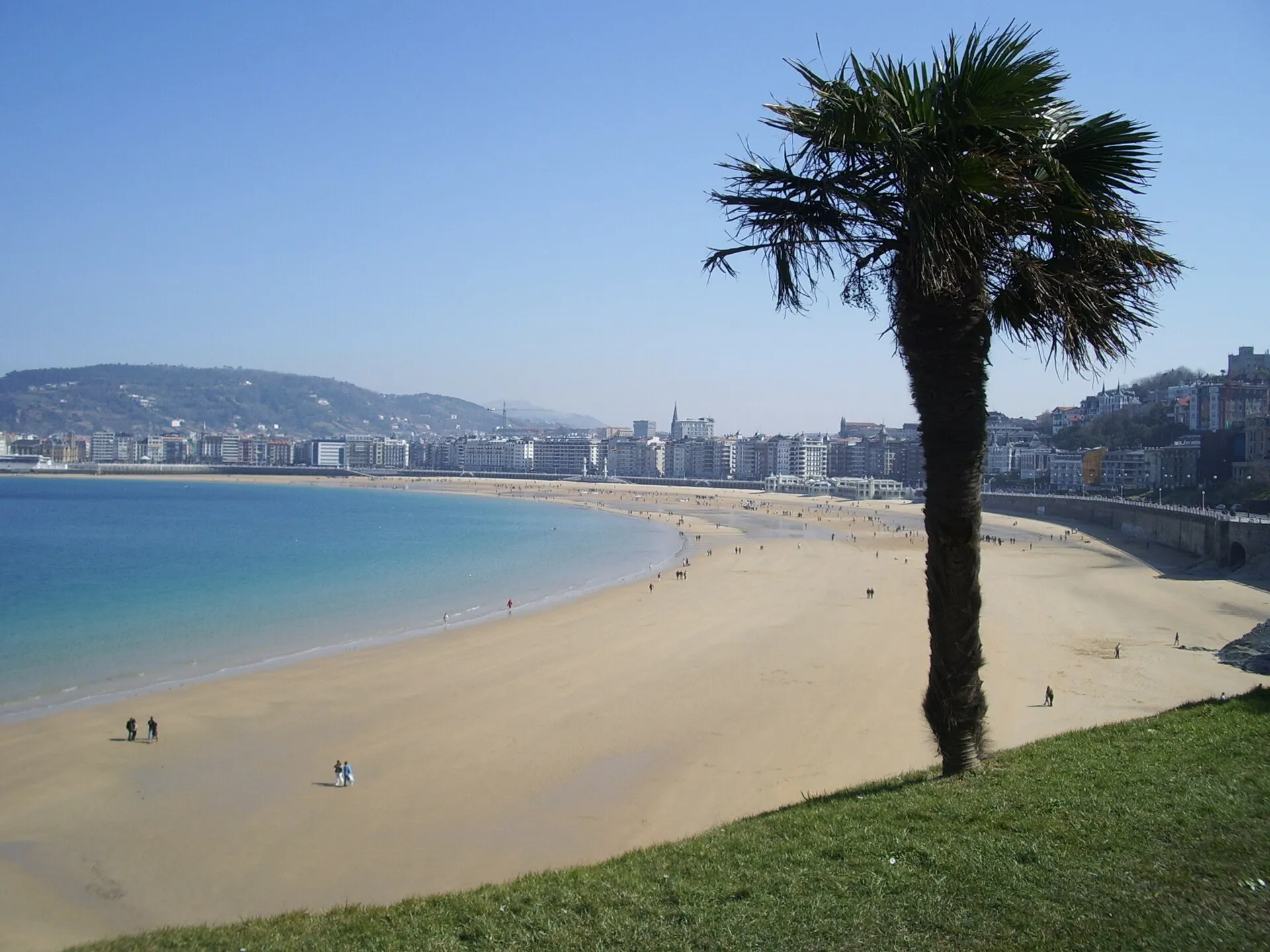
Monte Igueldo
1912 funicular, panoramic bay views & vintage amusement park
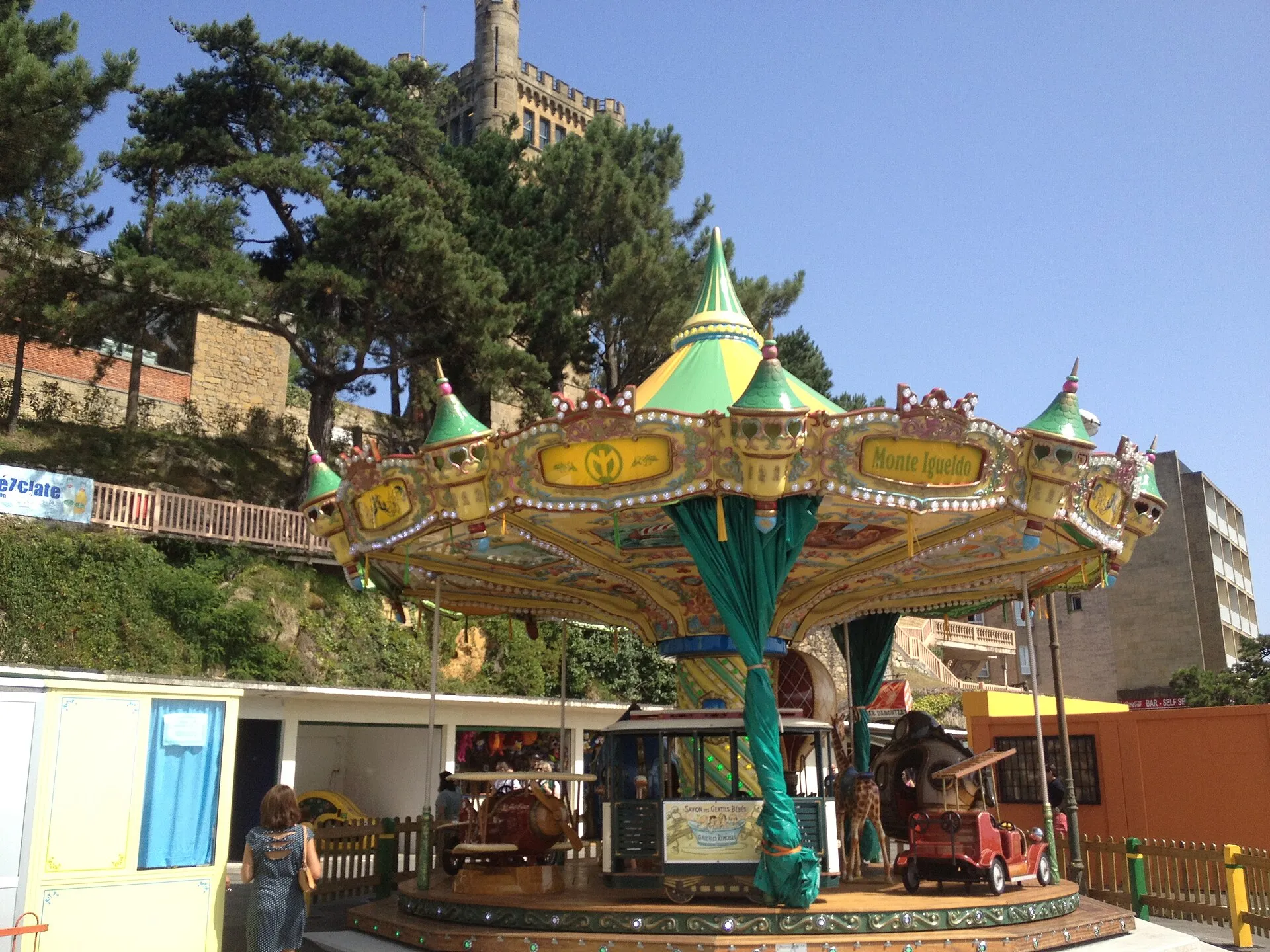
Parte Vieja
The world's densest pintxos quarter | Medieval streets, txakoli & Basque culture
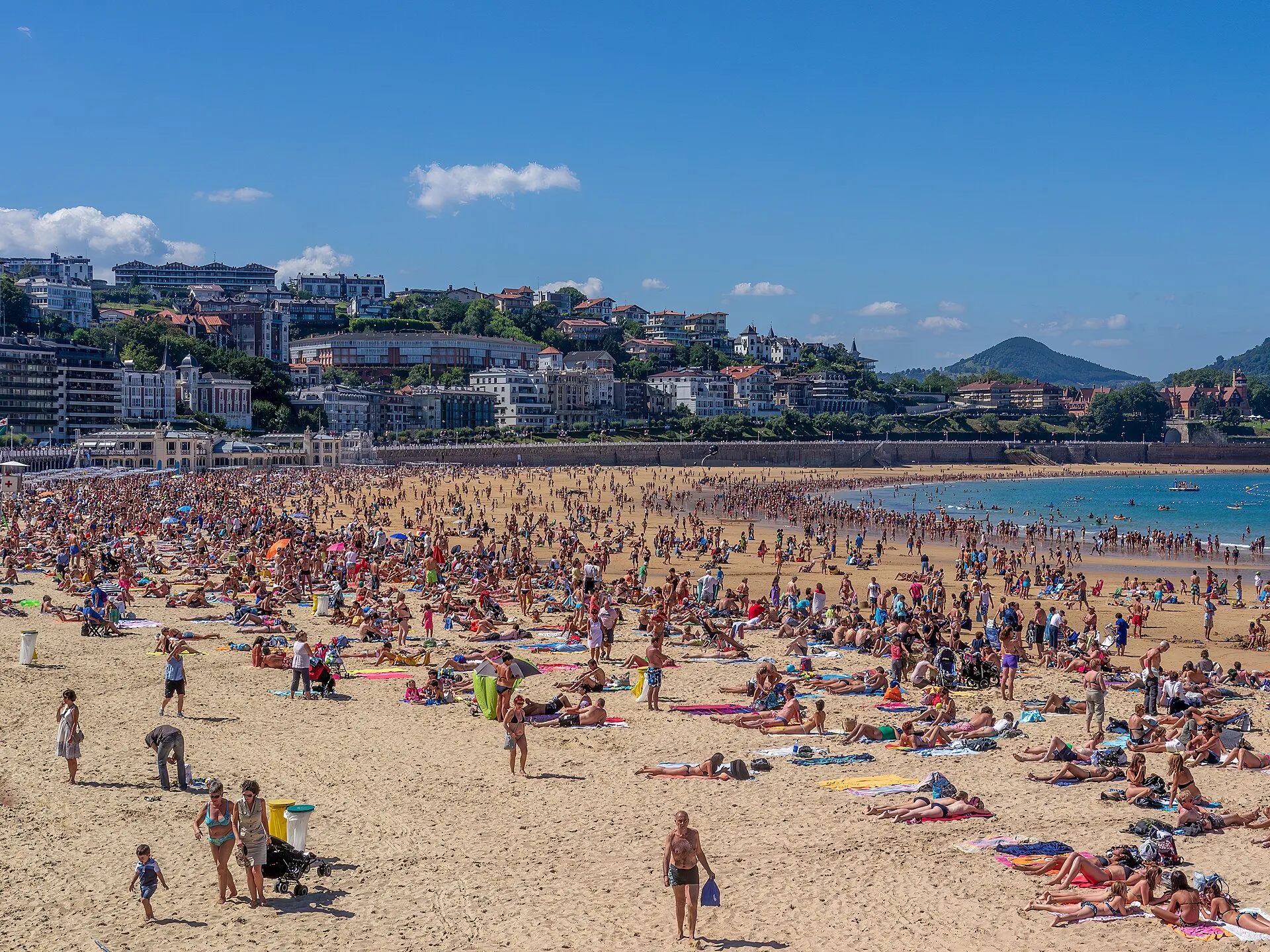
Guide planning
How much does a tour guide cost in San Sebastián?
Per person, 3 hours, food included
Prices typically exclude Michelin restaurant reservations and funicular tickets (€4). Many food tours include pintxos tastings and drinks in the price.
Season planner
When is the best time to visit San Sebastián?
- June-September: Warm beach weather with average highs of 22-25°C, ideal for combining La Concha Beach with city exploring, though July-August brings peak crowds
- September: The golden month - warm seas, the San Sebastián International Film Festival, and the Basque festival of Aste Nagusia in nearby towns
- January 20th: Tamborrada, the city's thunderous 24-hour drumming festival that kicks off San Sebastián Day - an unforgettable spectacle
- October-November: Quieter streets, cooler weather perfect for extended pintxos crawls, and mushroom season in Basque cuisine
Spring
Mar-May
Summer
Jun-Aug
Autumn
Sep-Nov
Winter
Dec-Feb
Each score averages that season’s monthly ratings out of 5. The top-rated window is usually the peak season too, so read the guidance above for its trade-offs before you book.
On the ground
How do you get around San Sebastián?
- Donostia or San Sebastián — Both names are correct and used interchangeably - Donostia is the Basque name, and locals appreciate visitors who use it
- Book restaurants early — Michelin-starred restaurants like Arzak, Mugaritz, and Akelarre book up weeks or months in advance - plan ahead or ask your guide for help
- Pintxos etiquette — Order at the bar, not seated. Take a plate and help yourself to cold pintxos on the counter, then order hot ones. Keep your toothpicks or napkins to tally your bill
- Tipping — Not expected in pintxos bars, but rounding up is appreciated. For private guides, 10% is generous and welcomed
- Getting around — The city center is compact and very walkable. The bus system connects the beaches, and the funicular handles Monte Igueldo
- Weather awareness — The Basque coast can shift from sunshine to rain quickly — carry a light jacket even in summer. The local saying goes: "If you can see the mountains, it's going to rain. If you can't, it's already raining."
Frequently Asked Questions
What is the best time to visit San Sebastián?
June-September: Warm beach weather with average highs of 22-25°C, ideal for combining La Concha Beach with city exploring, though July-August brings peak crowds.
How much does a tour guide cost in San Sebastián?
San Sebastián's identity is deeply tied to food and Basque culture, so the right guide makes all the difference:
How do you get around San Sebastián?
San Sebastián's centre is compact and very walkable between the beaches. Local buses connect to Monte Igueldo and outer neighborhoods. The funicular climbs Monte Igueldo.