
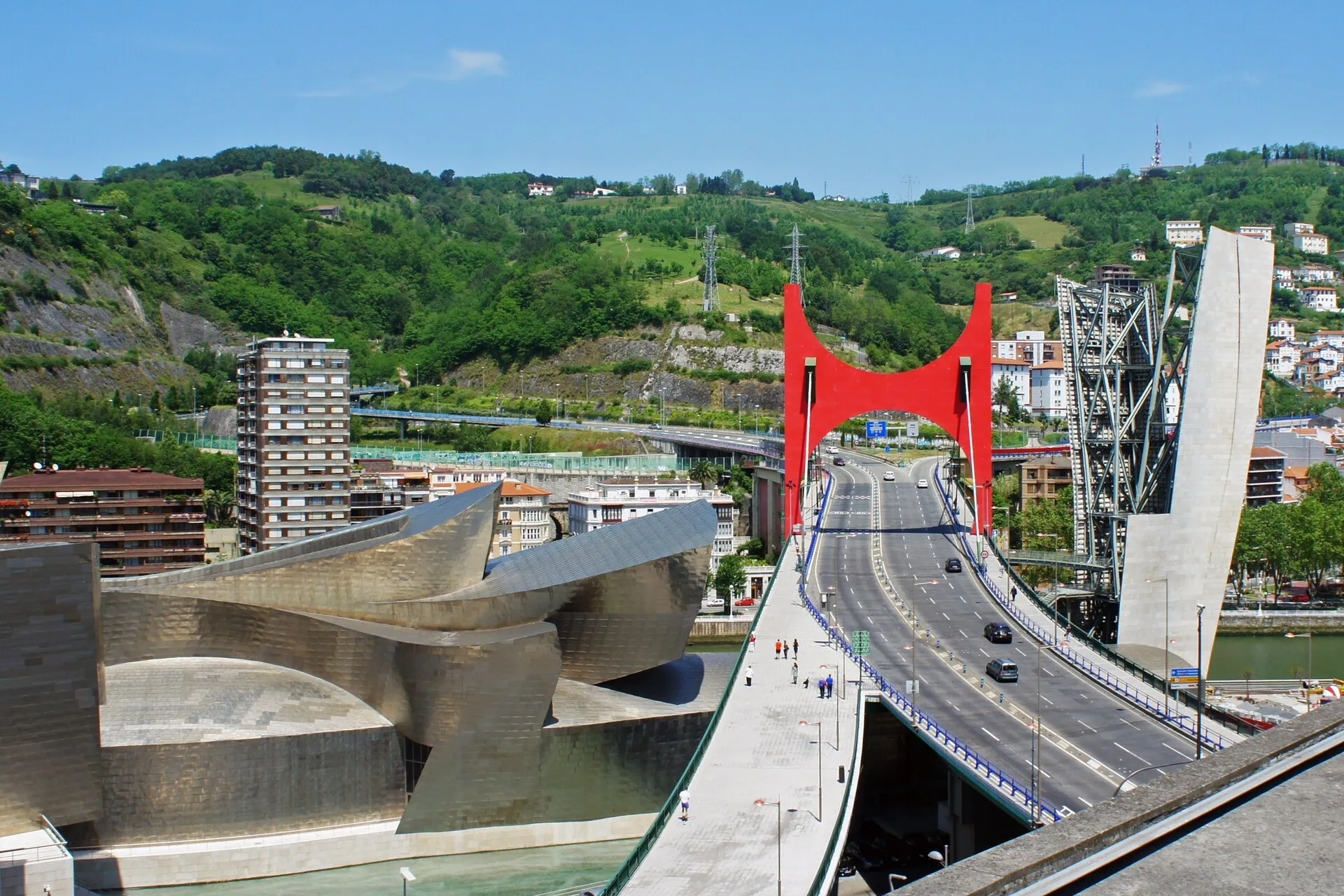
Bilbao timeline
-
Bilbao founded
The port town was chartered on the Nervion, anchoring Biscay trade.
-
Industrial expansion
Postwar mining, steel, and shipbuilding turned Bilbao into an industrial city.
-
Guggenheim opens
The museum became the symbol of Bilbao's cultural and urban reinvention.
Cited city facts
Key facts for visiting Bilbao
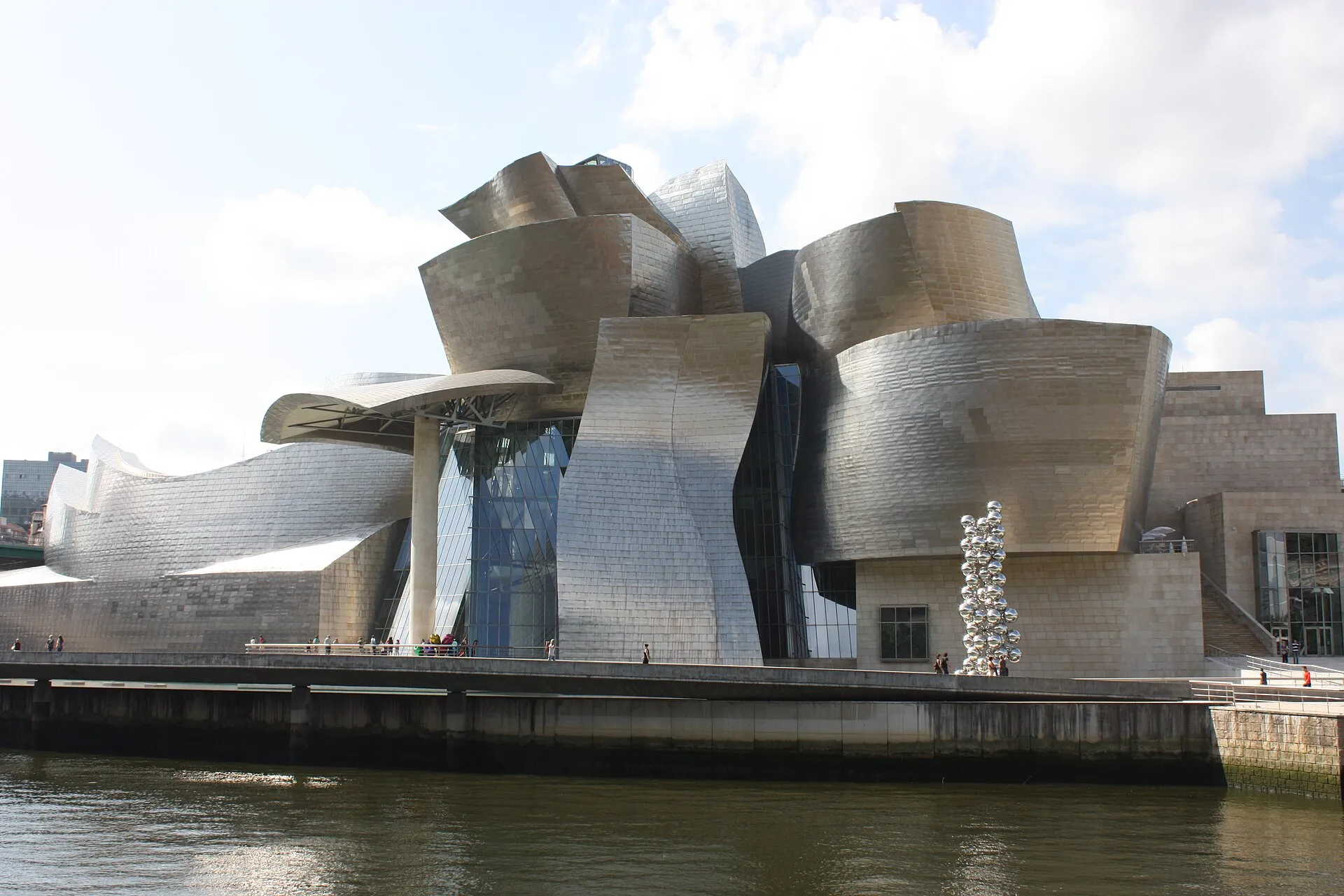
The Guggenheim Bilbao is clad in 33,000 titanium panels
Frank Gehry's 1997 building used aerospace software to design its flowing curves, and the titanium sheets are thinner than a human fingernail at just 0.38 mm
Euskara (Basque) is a language isolate with no known relatives
Spoken by around 750,000 people in the Basque Country, it predates the arrival of Indo-European languages and has no established genetic link to any other living language
Bilbao averages 170 rainy days per year
The city receives roughly 1,200 mm of annual rainfall from Atlantic weather systems, earning it the reputation of being one of the wettest cities in southern Europe
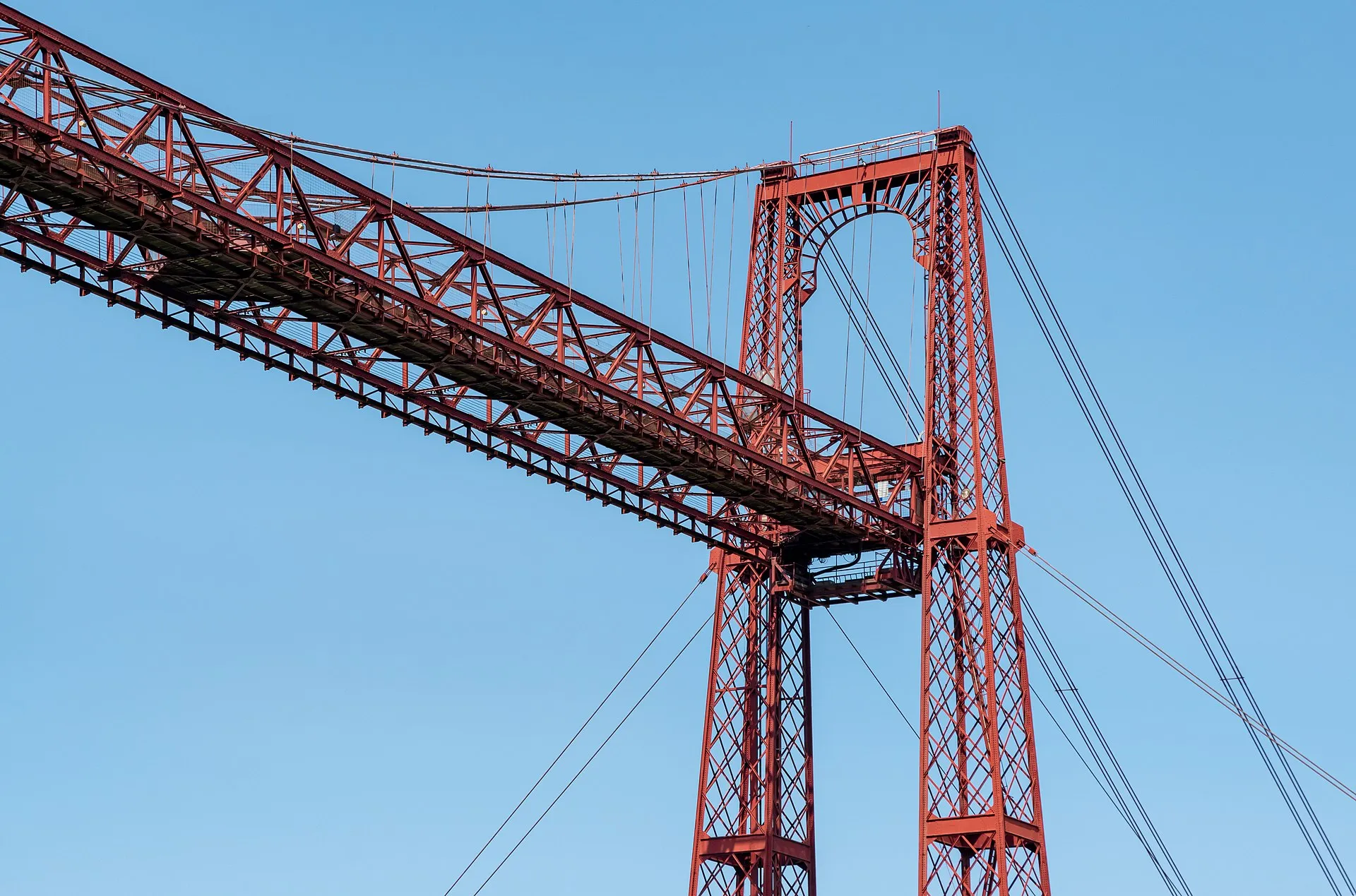
The Vizcaya Bridge has been operating continuously since 1893
Designed by Alberto de Palacio, a student of Gustave Eiffel, it is the world's oldest transporter bridge still in service and was declared a UNESCO World Heritage Site in 2006
Source: tour-guide.com — Free to cite with attribution
Things to see
What are the top attractions in Bilbao?
- Guggenheim Museum exterior and interior — Jeff Koons' flower-covered Puppy sculpture guards the entrance, while Richard Serra's massive steel spirals dominate the atrium
- Siete Calles of Casco Viejo — The seven original streets where Bilbao was founded in 1300, now packed with independent shops and pintxos bars
- Vizcaya Bridge gondola ride — Cross the Nervión in the world's oldest transporter bridge, or walk the upper walkway for panoramic estuary views
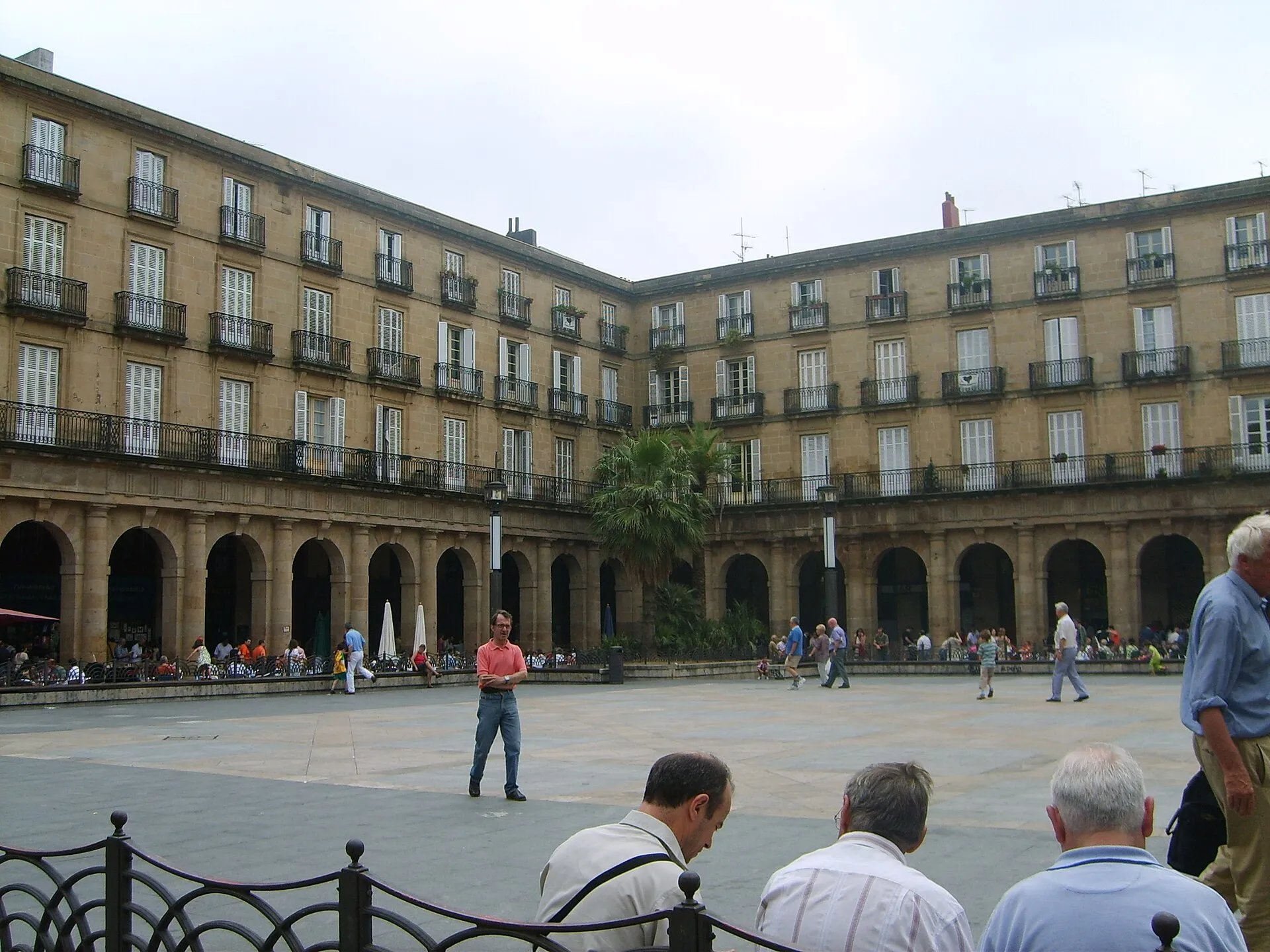
- Plaza Nueva pintxos crawl — The neoclassical arcaded square is ground zero for Bilbao's pintxos scene, best experienced on Sunday mornings
- Nervión riverfront walk — The regenerated waterfront stretches from the Zubizuri footbridge to the Euskalduna Palace, tracing the city's transformation
- Mount Artxanda funicular — A short cable railway ride to sweeping views over the city nestled in its valley of green hills
- Museo de Bellas Artes — One of Spain's finest art museums with works from El Greco to Francis Bacon, often overlooked in favor of the Guggenheim
Casco Viejo
Expert guides for Bilbao's medieval heart | Pintxos, history & hidden corners
Guggenheim Museum Bilbao
Expert guides for Gehry's titanium masterpiece | Prices, hours & contemporary art insights
Vizcaya Bridge
Expert guides for the world's oldest transporter bridge | UNESCO heritage, engineering & river views
Guide planning
How much does a tour guide cost in Bilbao?
Per person, 3 hours with tastings
Guggenheim admission (€16) and other attraction tickets are separate. The Bilbao Bizkaia Card covers free transport and museum discounts.
Season planner
When is the best time to visit Bilbao?
- May-June: Mild temperatures around 20°C, long daylight hours, and the city's terraces come alive without peak summer crowds
- September-October: Warm autumn weather, Aste Nagusia festival in late August spills into September, grape harvest season in nearby Rioja
- Semana Grande (August): Bilbao's biggest festival with fireworks, concerts, and bullfighting — vibrant but very busy
- Year-round consideration: Bilbao receives rain throughout the year, averaging 170 rainy days — pack waterproof layers regardless of season
Spring
Mar-May
Summer
Jun-Aug
Autumn
Sep-Nov
Winter
Dec-Feb
Each score averages that season’s monthly ratings out of 5. The top-rated window is usually the peak season too, so read the guidance above for its trade-offs before you book.
On the ground
How do you get around Bilbao?
- Learn a few Basque words — Saying "kaixo" (hello) and "eskerrik asko" (thank you) in Euskara earns genuine warmth from locals who deeply value their language
- Pintxos etiquette — Order one or two pintxos per bar, then move on — bar-hopping is the tradition, and each establishment has its own specialty
- Always carry rain gear — Bilbao's Atlantic climate means showers can appear suddenly even on sunny days — a compact umbrella is essential year-round
- Tram and metro are excellent — Norman Foster designed the metro stations, and the sleek Euskotren tram connects all major sights along the river — guides help you navigate efficiently
- Day trip to San Juan de Gaztelugatxe — The dramatic island hermitage (featured in Game of Thrones) is just 35 km from Bilbao and worth a half-day excursion
- Tipping customs — Service is typically included in Bilbao; rounding up the bill or leaving €5-10 for a private guide is appreciated but not expected
Frequently Asked Questions
What is the best time to visit Bilbao?
May-June: Mild temperatures around 20°C, long daylight hours, and the city's terraces come alive without peak summer crowds.
How much does a tour guide cost in Bilbao?
Bilbao's unique blend of Basque heritage and contemporary art demands a guide who can bridge both worlds. Here's what to look for:
How do you get around Bilbao?
Bilbao has a modern metro (designed by Norman Foster), trams along the river, and the compact Casco Viejo is walkable.