
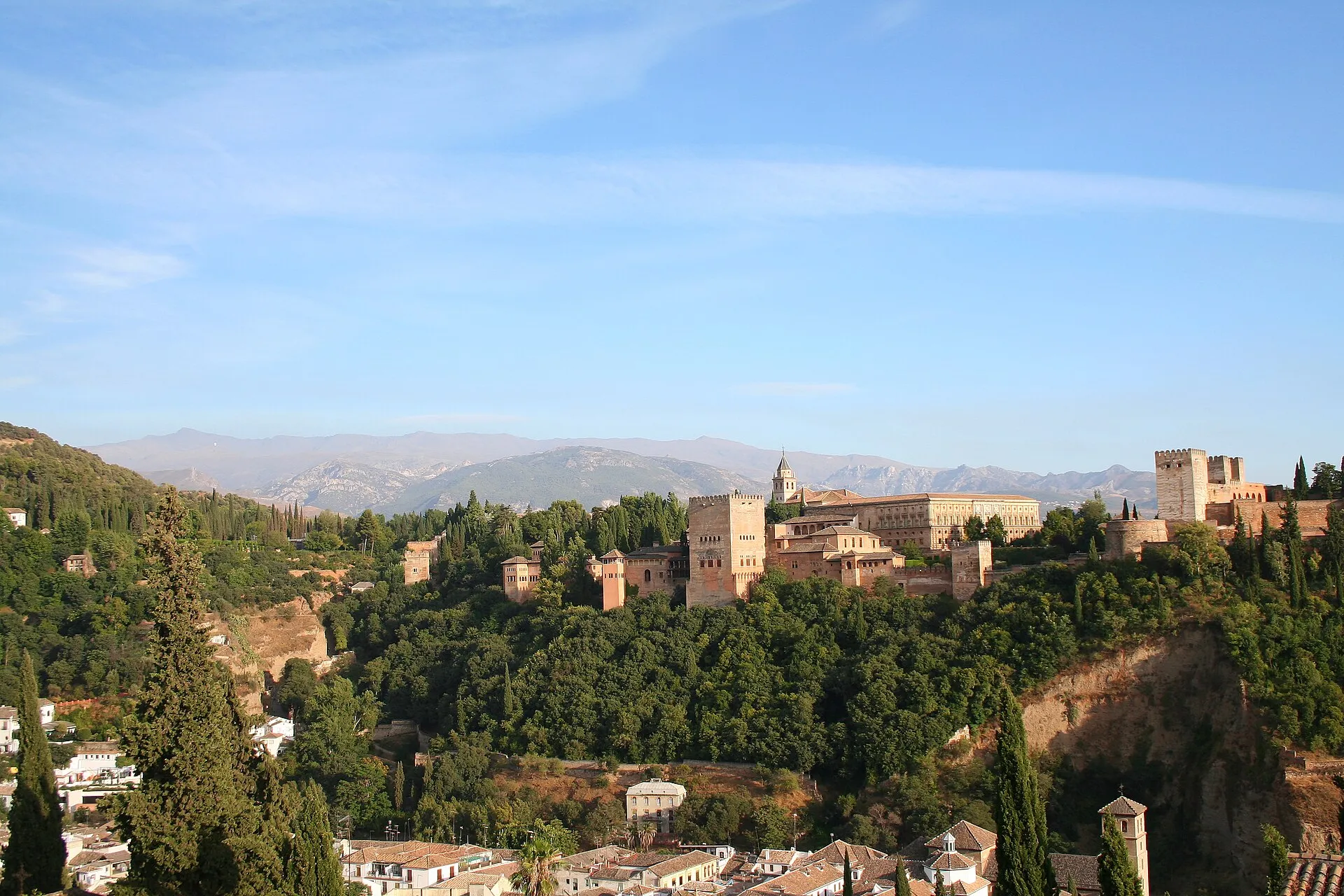
Granada timeline
-
Zirid kingdom begins
Granada became an independent Andalusi power center in the medieval period.
-
Nasrid emirate founded
The dynasty created the Alhambra court culture that defines Granada today.
-
Catholic Monarchs take Granada
The conquest ended Muslim rule in Iberia and transformed the city.
Cited city facts
Key facts for visiting Granada
Only 6,600 visitors per day are admitted to the Nasrid Palaces
Strict capacity limits make Alhambra tickets among the hardest to obtain in European tourism, with peak-season slots selling out 60 to 90 days in advance
Granada is the last Moorish kingdom to fall in the Reconquista, surrendering on 2 January 1492
The handover of keys from Sultan Boabdil to Ferdinand and Isabella ended nearly 800 years of Islamic rule on the Iberian Peninsula
The Alhambra complex spans 142,000 square metres
Encompassing the Nasrid Palaces, the Generalife gardens, the Alcazaba fortress, and the Charles V Palace, it is one of the largest palatial complexes in the Mediterranean world
Granada is one of the few cities in Spain where tapas are still served free with every drink
A tradition rooted in the city's student culture, the complimentary plates grow larger and more elaborate the longer you stay at a single bar
Source: tour-guide.com — Free to cite with attribution
Things to see
What are the top attractions in Granada?
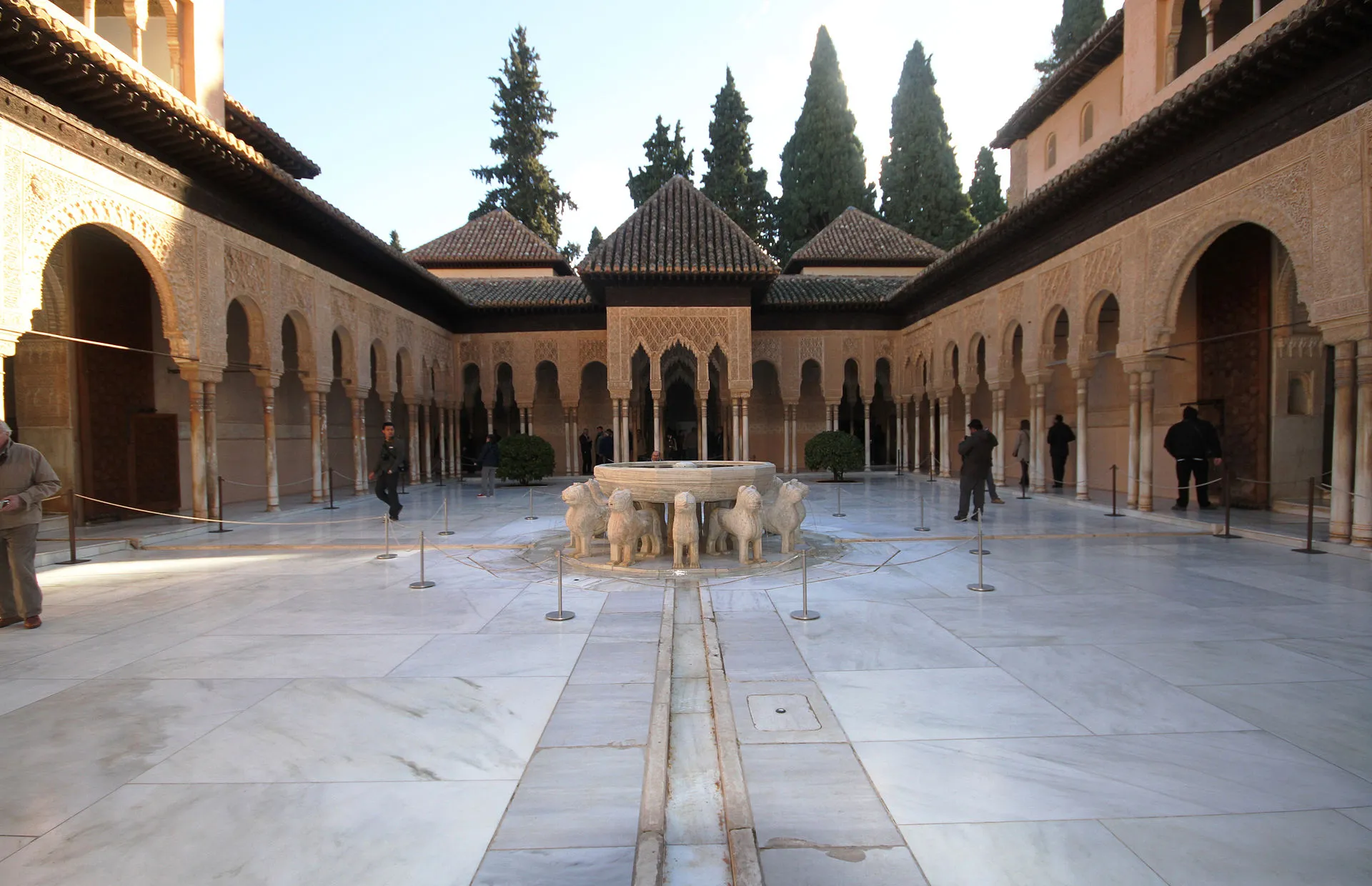
- Nasrid Palaces at the Alhambra — Intricate muqarnas ceilings and the Court of the Lions, the pinnacle of Islamic art in Europe
- Mirador de San Nicolás — The iconic viewpoint where the Alhambra glows amber against Sierra Nevada at sunset
- Sacromonte cave flamenco — Raw, sweat-close performances in whitewashed caves carved into the hillside
- Royal Chapel sacristy — Queen Isabella's personal art collection, including works by Botticelli and Memling
- Generalife Gardens — The Alhambra's summer palace with its famous Patio de la Acequia water channel
- Free tapas crawl — Order a caña of beer and receive a full plate of food at bars along Calle Navas and Calle Elvira
- Sierra Nevada day trip — Europe's southernmost ski resort sits just 45 minutes from the city center
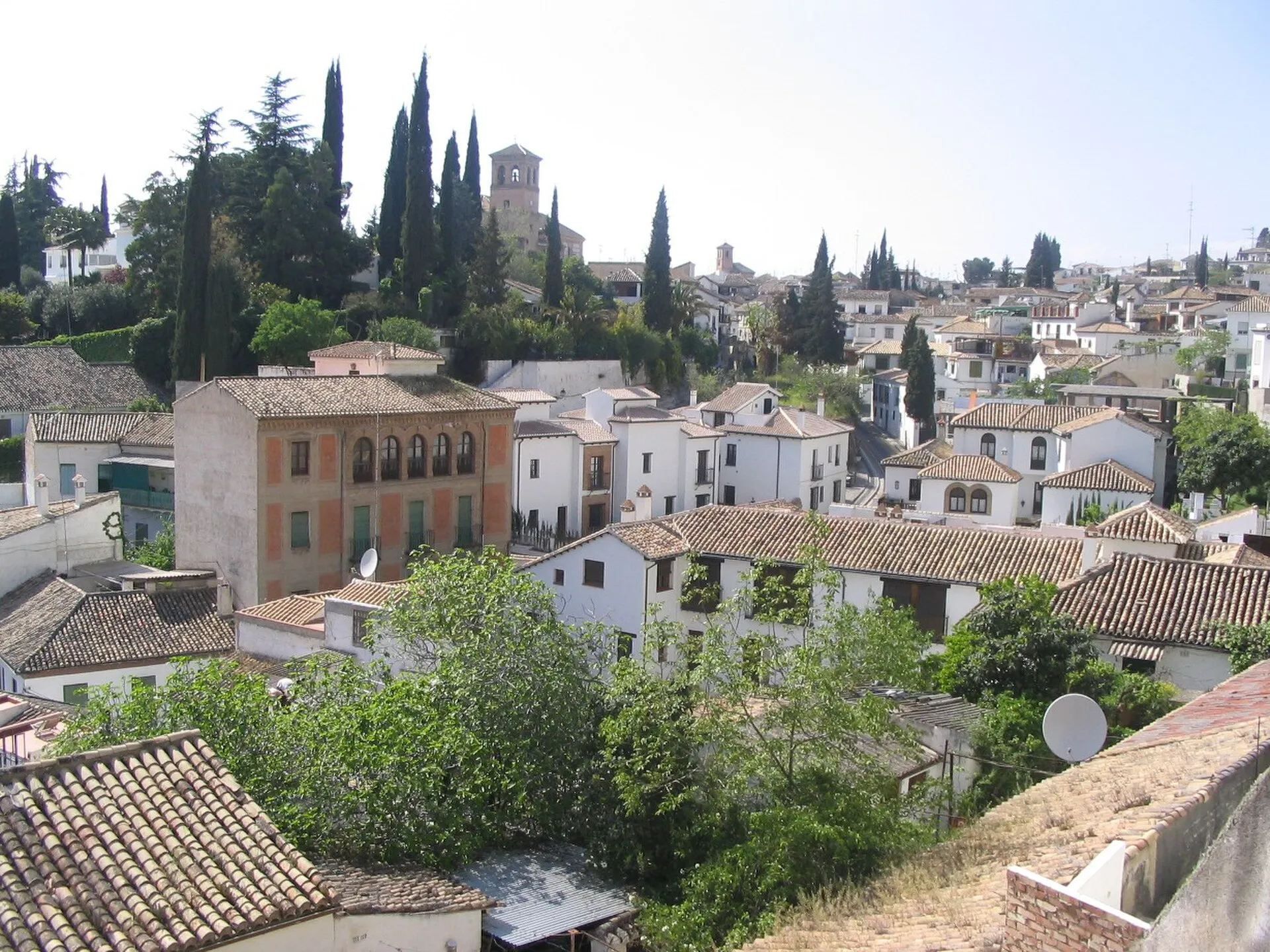
Albaicín
Expert guides for Granada's ancient Moorish quarter | Walking tours, miradores & hidden gems
Alhambra
Expert guides for Granada's Moorish palace | Prices, hours & skip-the-line access
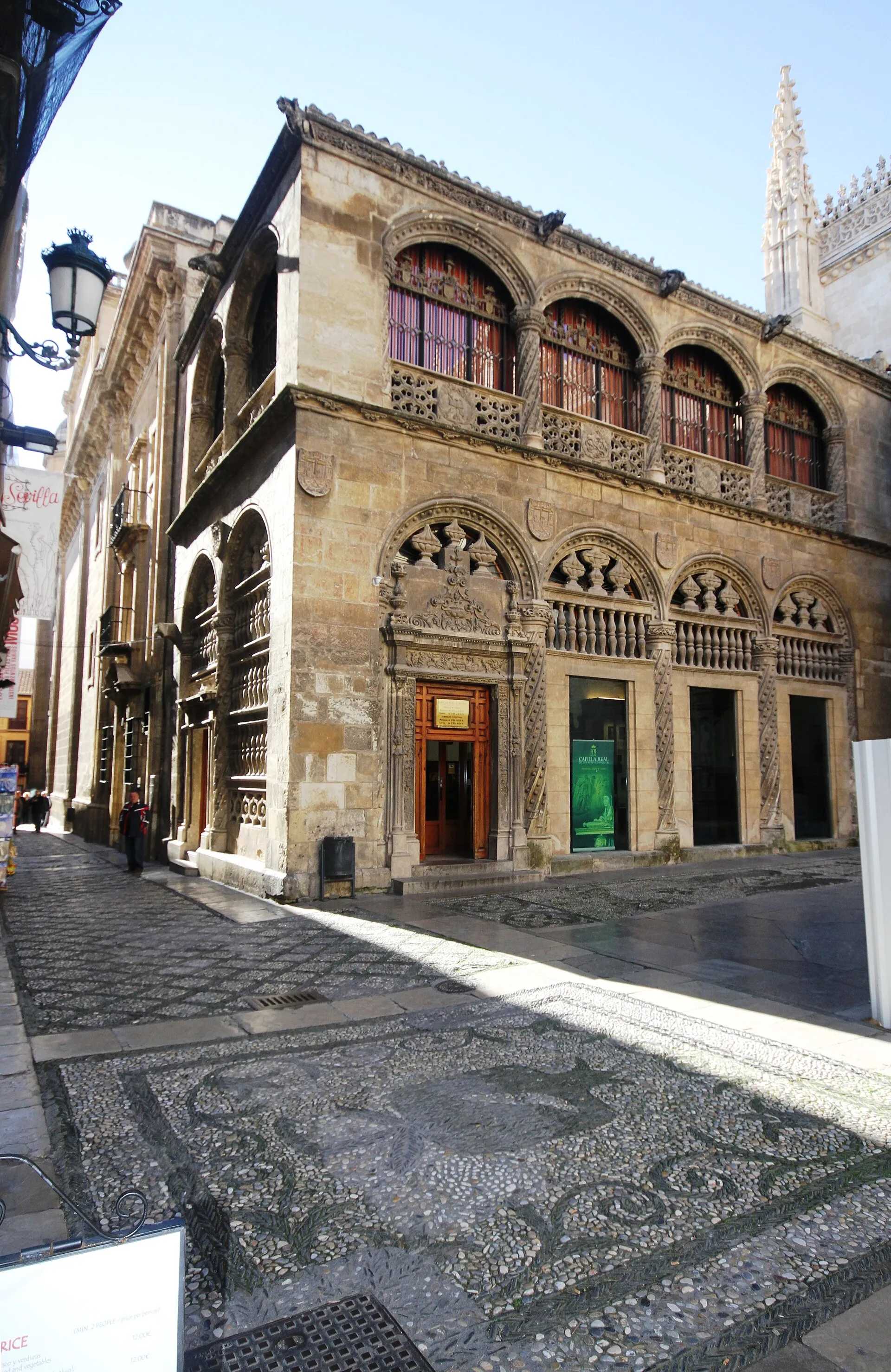
Royal Chapel of Granada
Expert guides for Spain's most important royal burial site | Prices, hours & history
Guide planning
How much does a tour guide cost in Granada?
Granada's layered history rewards specialist knowledge. Consider these guide options:
- Alhambra specialists: Guides with deep expertise in Nasrid architecture, Islamic geometry, and the hydraulic engineering of the Generalife gardens
- Moorish history experts: Scholars who trace the full arc from the 8th-century Umayyad conquest through the fall of the Nasrid kingdom in 1492
- Flamenco and Sacromonte guides: Cultural insiders who explain the Roma roots of cave flamenco and help you find authentic performances
- Culinary and tapas tour leaders: Locals who navigate the best free-tapas bars in Realejo, Elvira, and the university district
Season planner
When is the best time to visit Granada?
- March-May: Mild temperatures, wildflowers on hillsides, fewer crowds at the Alhambra than summer
- September-October: Heat subsides, the university term brings life back to the city, beautiful autumn light on the palace walls
- December-February: Cool but atmospheric, possibility of snow on Sierra Nevada with the Alhambra in the foreground, very few tourists
- Avoid: July-August midday tours (temperatures regularly exceed 38 °C), though early morning and evening visits remain pleasant
Spring
Mar-May
Summer
Jun-Aug
Autumn
Sep-Nov
Winter
Dec-Feb
Each score averages that season’s monthly ratings out of 5. The top-rated window is usually the peak season too, so read the guidance above for its trade-offs before you book.
On the ground
How do you get around Granada?
- Book Alhambra tickets months ahead: Only 6,600 visitors per day are admitted to the Nasrid Palaces, and slots sell out 60-90 days in advance during peak season
- Embrace free tapas culture — Every drink comes with a complimentary tapa that grows more generous the longer you stay at one bar
- Wear sturdy shoes — The Albaicín and Sacromonte are steep, cobblestoned neighborhoods where flat, grippy footwear is essential
- Carry cash for small bars — Many traditional tapas spots in the old quarters do not accept cards
- Time your Alhambra visit wisely — Morning light is best for photography in the Nasrid Palaces; late afternoon offers softer tones in the Generalife
- Tipping etiquette — Round up or leave €5-10 for a private guide; for group tours, €3-5 per person is appreciated
Frequently Asked Questions
What is the best time to visit Granada?
March-May: Mild temperatures, wildflowers on hillsides, fewer crowds at the Alhambra than summer.
How much does a tour guide cost in Granada?
Granada's layered history rewards specialist knowledge.
How do you get around Granada?
Granada's centre is walkable but hilly. Minibuses (C30, C32) navigate the narrow Albaicín streets. The Alhambra bus connects the centre to the palace.