
Collections Highlights
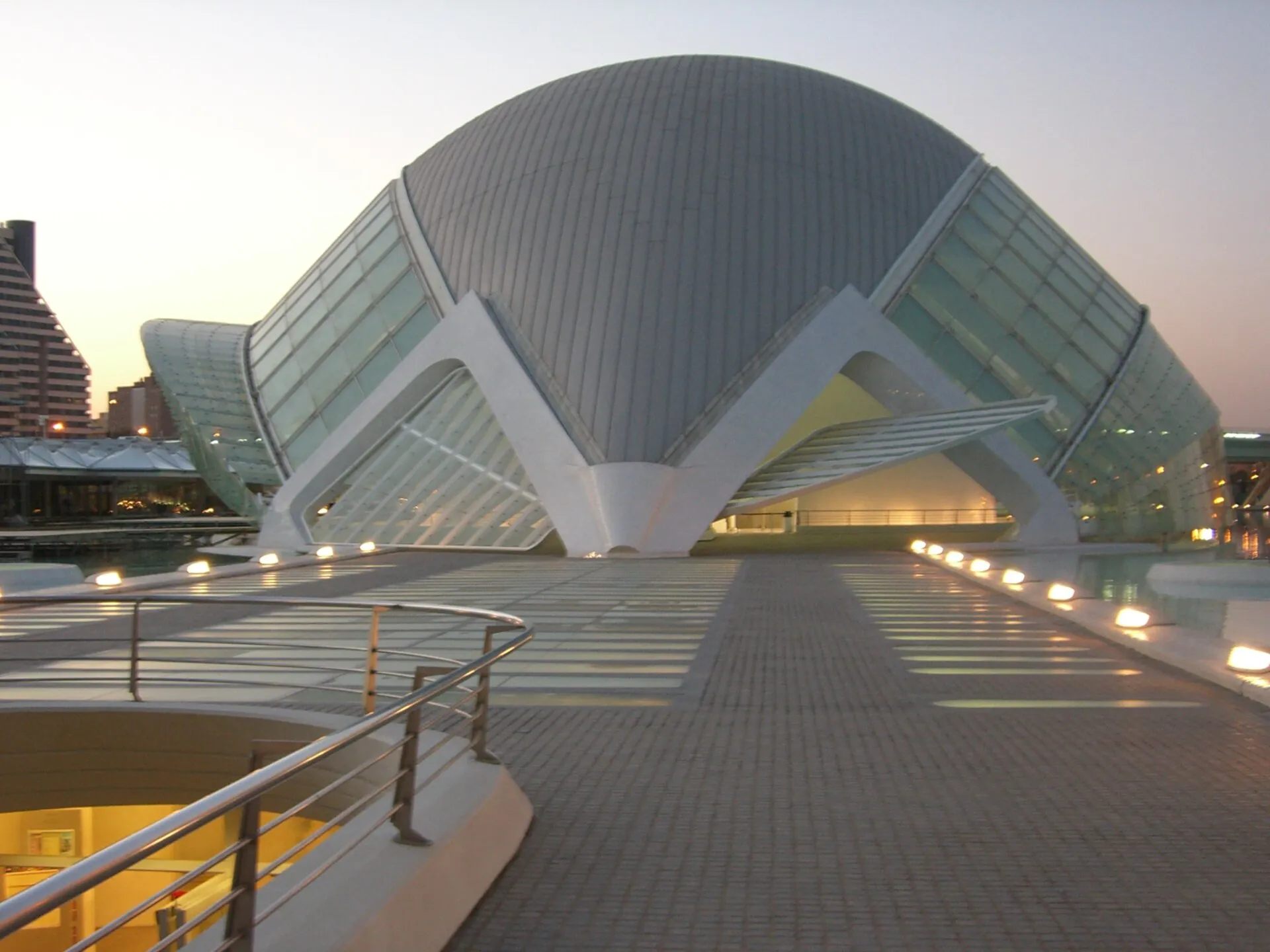
Across the complex's museums, a handful of standout exhibits reward a deliberate visit. Inside the Príncipe Felipe Science Museum, seek out the giant Foucault Pendulum, whose slow swing demonstrably traces Earth's rotation, and the Chromosome Forest, a walk-through display of the human genome. The museum's tributes to Valencian and Spanish laureates — including Santiago Ramón y Cajal (Wikipedia) and Severo Ochoa — anchor its science-heritage galleries. The Oceanogràfic, Europe's largest aquarium, is the real draw: its standout residents are the beluga whales in the Arctic tank, the shark and ray species viewed through the glass underwater tunnel, and the delicate backlit jellyfish galleries. The dedicated dolphinarium is one of the continent's biggest. At the Hemisfèric, the exhibit is the building's own concave IMAX dome, a 900-square-meter screen wrapping films and planetarium shows across your full field of vision. Round out the day beneath L'Umbracle, the open-air sculpture promenade displaying rotating contemporary works among native Mediterranean plantings. Combine this stop with the full Valencia guide and explore more destinations across Spain.
Guided Tours
Because the campus is vast and split across separate venues, guided options genuinely change what you take away. Architectural walking tours trace how Santiago Calatrava (Wikipedia) modeled each structure on skeletal and plant forms, decoding details — the ribbed roof of the Science Museum, the "eye" of the Hemisfèric — that are invisible to the untrained visitor. At the Oceanogràfic, behind-the-scenes tours take you above the tanks and into the animal-care areas, while the famous "Sleeping with Sharks" experience lets families spend a night beside the shark tunnel. Science Museum guides steer you through three floors of interactive exhibits and flag the installations worth your limited time. Combined skip-the-line guided packages, typically €45-€80 per person, bundle priority entry across multiple venues with expert commentary and efficient routing so you never double back. Many local guides also share the complex's contentious history — its cost overruns, structural disputes, and political drama — context you won't find on the official signage. Book architectural and Oceanogràfic tours ahead in summer, when slots fill quickly.
When to Visit
General hours: Daily 10:00 AM - 7:00 PM (extended to 9:00 PM in July and August). Oceanogràfic: Opens at 10:00 AM, last entry varies by season — check their calendar. Hemisfèric screenings: Typically start at 11:00 AM with shows every hour until closing. Best time to visit: Weekday mornings before noon, when school groups are fewer and you can photograph the buildings without crowds. Sunset bonus: The reflecting pools create stunning mirror images of the buildings at golden hour — plan to be outside around 6-7 PM
Admission and Costs
Wear comfortable shoes: The complex covers over two kilometers end to end, and surfaces are hard on feet. Bring sunscreen and water: White surfaces amplify sun reflection — there's minimal shade between buildings. Start at the far end: Most visitors enter from the Hemisfèric side; begin at the Oceanogràfic and work backward against the flow. Free exterior access: You can explore the grounds, pools, and L'Umbracle gardens without any ticket at all. Parking is ample: Underground garage beneath the complex charges roughly €3 per hour, with entrances well-marked on Av. Autopista del Saler. Combine with Turia Gardens: Walk the old riverbed park northward toward the city center for a car-free route past playgrounds, sports fields, and Gulliver Park
Tips for Visitors
Architectural storytelling: A guide reveals how Calatrava translated bone structures and plant forms into concrete — details invisible to the untrained eye. Efficient routing: The complex is enormous and disorienting; guides map the perfect path so you cover every highlight without doubling back. Behind the controversy: Local guides share the fascinating and contentious story of the project's cost overruns, structural failures, and political drama. Science Museum navigation: Three floors of interactive exhibits can overwhelm — guides know which installations are worth your time. Photography spots: Guides position you at the angles where the buildings' reflections create perfect symmetry in the pools
Frequently Asked Questions
When is the best time of year to visit the City of Arts and Sciences?
May through September showcases the complex at its most photogenic, when Calatrava's white futuristic structures reflect brilliantly in the surrounding pools under Valencia's intense Mediterranean sun. The Oceanogràfic aquarium is excellent year-round, but the outdoor reflecting pools and walkways between buildings are most enjoyable in warm weather. Evening visits in summer take advantage of extended hours and spectacular illuminations that transform the architecture after dark.
What are the opening hours for City of Arts and Sciences?
General hours: Daily 10:00 AM - 7:00 PM (extended to 9:00 PM in July and August). Oceanogràfic: Opens at 10:00 AM, last entry varies by season — check their calendar.
What does a visit to City of Arts and Sciences cost?
Free exterior access to the grounds, pools, and L'Umbracle gardens. Parking in the underground garage costs roughly €3 per hour. Individual venue tickets range from €8 to €38, with combined passes offering savings across multiple attractions.
What is the best way to experience City of Arts and Sciences?
Wear comfortable shoes — the complex covers over two kilometers end to end on hard surfaces. Bring sunscreen and water, as white surfaces amplify sun reflection with minimal shade. Start at the Oceanogràfic and work backward against the crowd flow.