
Major City
🇵🇪 Tour Guides in Puno
Folklore capital of Peru, perched on the shores of the world's highest navigable lake

What makes Puno a top destination?
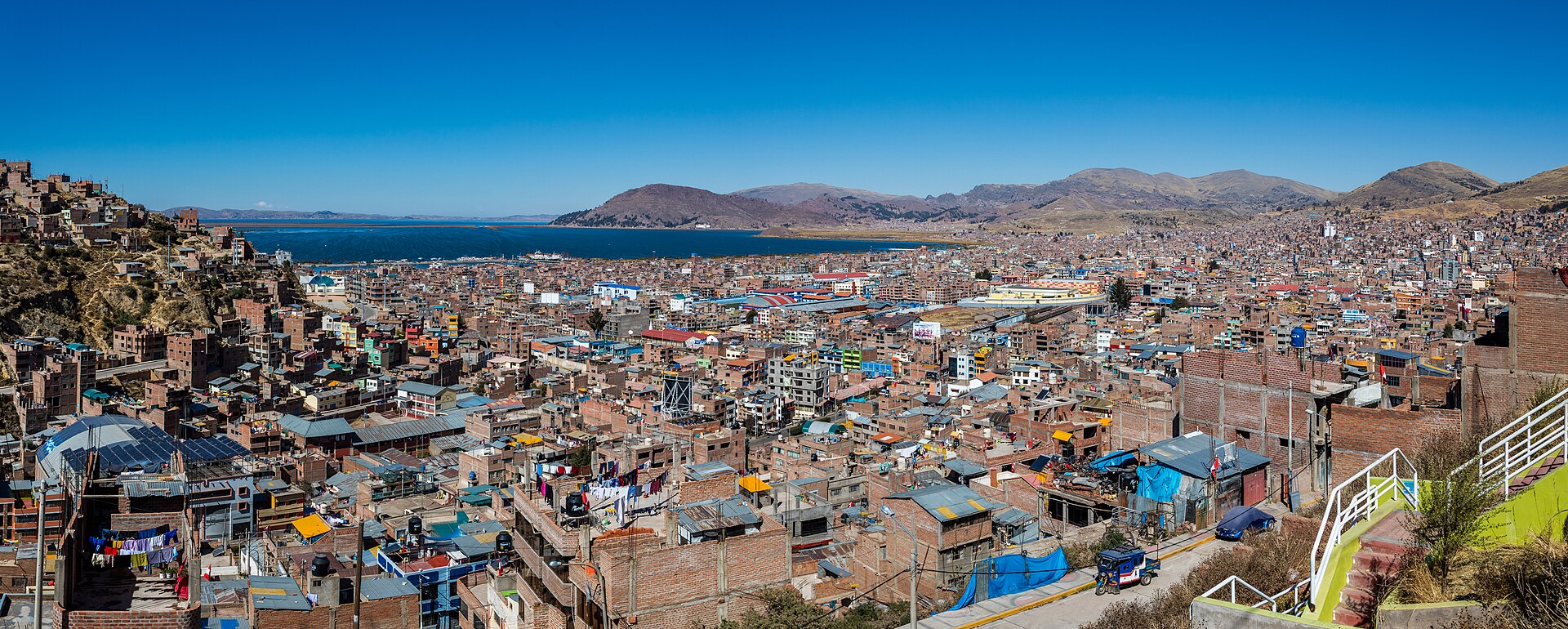
Puno sits at 3,830 meters on the western shore of Lake Titicaca, a vast expanse of deep-blue water straddling the Peru–Bolivia border at an altitude where the sky seems impossibly close and the light carries a sharpness found nowhere at sea level. The city itself is modest — gritty, honest, built from concrete and corrugated iron rather than colonial splendor — but it serves as the launchpad for one of South America's most culturally rich experiences: the island communities of Titicaca. The Uros floating islands, woven entirely from totora reeds and rebuilt every few months as the lower layers decompose, have been inhabited for centuries by the Uros people who originally constructed them as a defense against Inca expansion. Further out on the lake, Taquile Island is home to a Quechua-speaking community whose textile traditions have been recognized by UNESCO as Intangible Cultural Heritage — the men knit intricate caps that encode their marital status and social standing. On the mainland, the pre-Inca Sillustani burial towers rise from a peninsula jutting into a smaller lake, built by the Colla people before the Inca absorbed them into the empire. Puno is also Peru's undisputed folklore capital, hosting the Virgen de la Candelaria festival each February — a two-week explosion of masked dances, brass bands, and elaborate costumes that draws performers from across the altiplano.
What should you see in Puno?
- Overnight on Taquile or Amantaní — Sleeping in a local family's home on a Titicaca island, watching the Milky Way blaze over the lake with zero light pollution, is unforgettable.
- Candelaria festival (February) — Peru's grandest folklore celebration fills Puno with masked dancers, enormous brass bands, and two weeks of non-stop celebration.
- Sunrise on Lake Titicaca — The high-altitude light turns the water from black to cobalt to gold in minutes — get on a boat early.
- Taquile textiles — Watch men knit the iconic chullo caps that encode their personal stories, a living UNESCO tradition.
- Uros islands reed building — Understand the engineering behind islands that must be constantly rebuilt as the lower reed layers decompose into the lake.
- Sillustani at golden hour — The chullpa burial towers silhouetted against the altiplano sunset, with Lake Umayo stretching behind them.
🏞️ Lake Titicaca
The highest navigable lake on Earth — sacred waters, island cultures, and light like nowhere else
🏺 Sillustani
Towers of the dead — pre-Inca burial monuments standing sentinel over Lake Umayo
🏞️ Taquile Island
Where men knit their life stories into caps and women weave the community's identity
🌉 Uros Floating Islands
Handwoven from reeds, anchored to the lakebed, and constantly rebuilt — a civilization that floats
What does a tour guide cost in Puno?
| Tour Type | Price | Details |
|---|---|---|
| Uros Islands Half-Day | S/40-80 | ~$11-22 per person |
| Uros + Taquile Full Day | S/80-160 | ~$22-43 per person |
| Sillustani Afternoon | S/50-100 | ~$14-27 with transport |
| Private Full-Day Guide | S/200-400 | ~$54-108 |
When should you visit Puno?
- Cold nights — Even in summer (December-March), temperatures drop near freezing after dark — pack warm layers, especially for island overnights.
- Dry season (May to October) — Offers the clearest skies and calmest lake waters; rainy season (December-March) brings afternoon storms but fewer tourists.
What is the best way to get around Puno?
- Highest altitude in this guide — At 3,830m, Puno demands serious acclimatization — spend at least a day in Cusco (3,400m) or Arequipa (2,335m) first.
- Bus from Cusco — The scenic 6-7 hour bus ride through the altiplano passes several archaeological sites and high-altitude lakes — choose a tourist bus with stops rather than a direct service.
- Coca leaf tea — Freely available and genuinely effective against altitude headaches — drink it generously, it is legal and traditional throughout the highlands.
Frequently Asked Questions
What is the best time to visit Puno?
Cold nights: Even in summer (December-March), temperatures drop near freezing after dark — pack warm layers, especially for island overnights.
How much does a tour guide cost in Puno?
Uros Islands Half-Day: S/40-80 ($11-22 per person). Uros + Taquile Full Day: S/80-160 ($22-43 per person). Sillustani Afternoon: S/50-100 (~$14-27 with transport).
How do you get around Puno?
Puno's centre is compact and walkable. Mototaxis and regular taxis cover the town. Boats access Lake Titicaca's islands.