
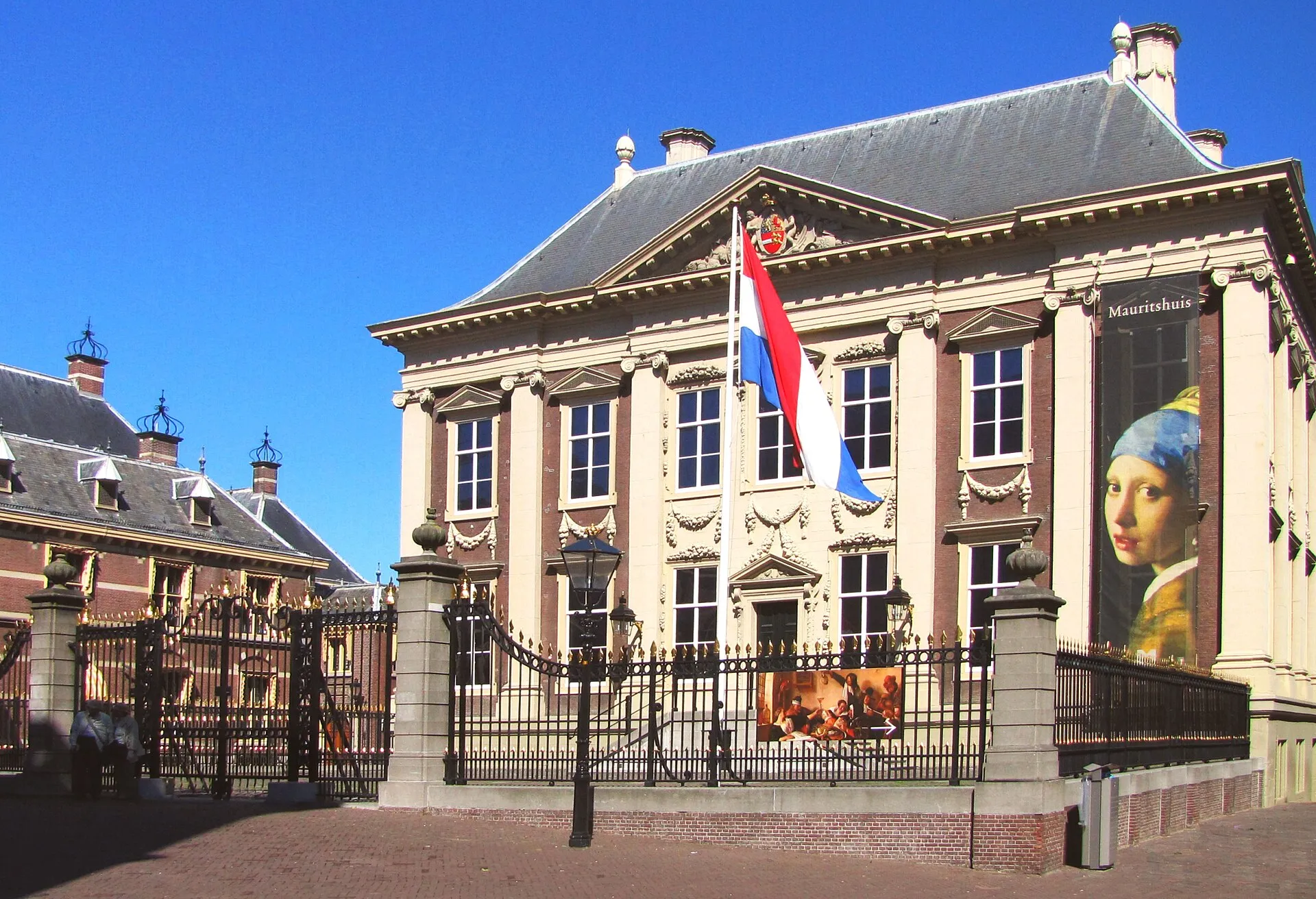
Collections Highlights
Girl with a Pearl Earring: Vermeer's most famous painting — sometimes called "the Mona Lisa of the North" — hangs where you can examine the luminous earring and the girl's ambiguous expression from close range. The Anatomy Lesson of Dr. Nicolaes Tulp: Rembrandt's 1632 group portrait revolutionized the genre — rather than lining up subjects in a row, he composed a dynamic scene around a cadaver that draws viewers into the drama of scientific inquiry. The Goldfinch: Carel Fabritius's tiny painting (33.5 x 22.8 cm) of a chained bird has fascinated viewers for centuries and inspired Donna Tartt's Pulitzer Prize-winning novel of the same name. Dutch Still Lifes: Lavish flower arrangements, laden tables, and vanitas compositions explore themes of abundance, mortality, and the fleeting nature of beauty — distinctly Dutch philosophical paintings disguised as decoration. The Building: The townhouse itself, with its painted ceilings, period furnishings, and views over the Hofvijver to the Binnenhof, provides architectural context that enhances every painting.
Guided Tours
A private art historian guide transforms the Mauritshuis from a gallery visit into a masterclass in Dutch Golden Age painting. Specialist tours focus on Vermeer's optical techniques (connecting Girl with a Pearl Earring to the Vermeer Centrum in nearby Delft), Rembrandt's revolutionary approach to group portraiture, or the relationship between Dutch trading wealth and artistic patronage that produced this extraordinary concentration of masterworks. The museum's intimate scale — 16 rooms rather than the Rijksmuseum's 80 galleries — allows guides to spend meaningful time with individual paintings, explaining the sfumato technique behind the pearl, the optical illusion in The Goldfinch, and the competitive dynamics between painters vying for wealthy patrons' commissions. Combine with the Binnenhof across the Hofvijver for a morning covering Dutch art and governance.
When to Visit
Open: Monday 13:00-18:00; Tuesday-Sunday 10:00-18:00; Thursday until 20:00. Best: Tuesday-Wednesday mornings at opening; Thursday evenings are quieter and atmospheric. Busiest: Weekend afternoons and any time during blockbuster temporary exhibitions. Allow: 1-2 hours — the museum is small but every room rewards careful attention.
Admission and Costs
General admission: €19 adults; free for under 18. Audio guide: Included with admission (via the Mauritshuis app). Guided tours: Group tours available upon booking; private art historian guides charge €100-200 for a 1.5-hour focused visit. Museumkaart: Accepted for free entry.
Tips for Visitors
Go early, go small: The Mauritshuis rewards being the first inside. Arrive at opening, head to the Vermeer room, and enjoy Girl with a Pearl Earring before the crowds build. Thursday evenings: Extended hours until 20:00 with fewer visitors — a relaxed way to experience the collection with gallery space to yourself. Combine with Binnenhof: The Binnenhof sits directly across the Hofvijver — walk the pond's edge between the two for one of the finest views in the Netherlands. Guided context: A guide transforms the visit from looking at beautiful paintings to understanding why these specific works matter — connections between artists, patrons, and the world they depicted become visible. Underground gallery: The museum expanded underground in 2014, connecting the original building to a neighboring structure. The new spaces host temporary exhibitions and provide a modern contrast to the historic rooms. Cafe with a view: The museum cafe overlooks the Hofvijver — coffee with a view of the Binnenhof reflected in the pond is one of The Hague's quiet pleasures.
Frequently Asked Questions
When is the best time to visit Mauritshuis?
Open: Monday 13:00-18:00; Tuesday-Sunday 10:00-18:00; Thursday until 20:00. Best: Tuesday-Wednesday mornings at opening; Thursday evenings are quieter and atmospheric.
What does admission to Mauritshuis cost?
General admission: €19 adults; free for under 18. Audio guide: Included with admission (via the Mauritshuis app). Guided tours: Group tours available upon booking; private art historian guides charge €100-200 for a 1.5-hour focused visit.
What is the best strategy for seeing the Girl with a Pearl Earring without crowds at Mauritshuis?
Go early, go small: The Mauritshuis rewards being the first inside. Arrive at opening, head to the Vermeer room, and enjoy the Girl with a Pearl Earring before the crowds build.