
Architecture
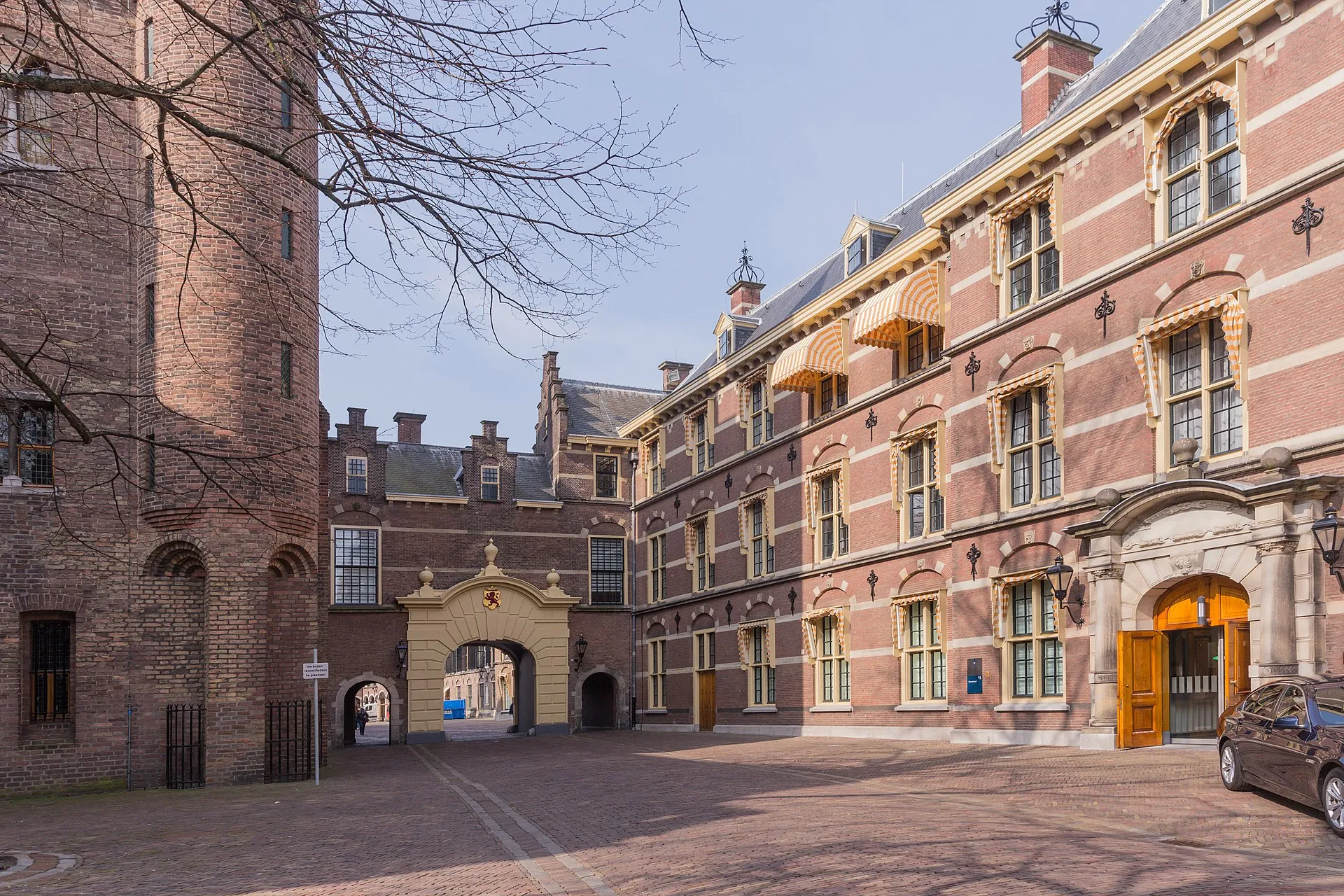
Ridderzaal (Hall of Knights): The 13th-century Gothic hall with its dramatic timber ceiling and stained glass windows hosts the annual Prinsjesdag ceremony — the Netherlands' most significant political ritual. Hofvijver Reflection: The rectangular pond reflecting the Binnenhof's towers and the Mauritshuis creates one of the Netherlands' most iconic views — especially atmospheric at dusk. Prinsjesdag: On the third Tuesday of September, the King arrives in a golden coach, reads the government's plans for the coming year in the Ridderzaal, and departs through crowds lining the route — ceremony and democracy intertwined. Architectural Layers: Buildings from eight centuries — 13th-century Gothic, 17th-century Classicism, 19th-century additions — coexist around the courtyard, each layer representing a different era of Dutch governance. Democratic Heritage: The States-General (Dutch parliament) has met here since the 16th century, making the Binnenhof one of the world's oldest continuously used parliamentary complexes.
Historical Significance
The Binnenhof's 800-year continuous use as a seat of governance makes it one of Europe's most historically significant political complexes. The Ridderzaal's annual Prinsjesdag ceremony connects medieval tradition to modern parliamentary democracy in a ritual that has adapted to changing constitutions while maintaining its symbolic core. The complex witnessed the signing of the Act of Abjuration in 1581 — the declaration of independence from Spain that influenced the American Declaration of Independence nearly two centuries later. During the Dutch Golden Age, the States-General directed the affairs of the world's most powerful trading nation from these halls. The Peace Palace nearby extends The Hague's governance story from national to international, while Madurodam offers a miniature perspective on Dutch civic infrastructure including a scale model of the Binnenhof itself.
When to Visit
Courtyard: Generally open during daylight hours (access may vary during renovation). Ridderzaal interior: Limited access during renovation; check ProDemos visitor center for current tour availability. Hofvijver views: Always accessible — the pond and surrounding walkways are public. Best: Early morning or dusk for reflections on the Hofvijver; Prinsjesdag (third Tuesday in September) for the royal procession.
Admission and Costs
Courtyard and exterior: Free. Guided tours (when available): €10-15 through ProDemos, the democracy education center. Prinsjesdag viewing: Free (arrive very early to secure a good position along the route). Political walking tours: €15-30 per person covering the Binnenhof, government district, and royal institutions.
Tips for Visitors
Renovation status: A major restoration began in 2021. Parliamentary functions have relocated temporarily. Check ProDemos for current access status before visiting. Hofvijver walk: The best view is from the Lange Vijverberg on the pond's opposite side — the full Binnenhof complex reflected in the water, with the Mauritshuis at the corner. Combine with Mauritshuis: The Mauritshuis literally borders the Hofvijver — a natural pairing that covers Dutch political and artistic history in a single morning. ProDemos Visitor Center: Located next to the Binnenhof, this free exhibition explains the Dutch political system through interactive displays — useful context before or after seeing the buildings. Prinsjesdag tip: If visiting in September, the third Tuesday draws enormous crowds. Arrive by 10:00 for a viewing spot along the Lange Voorhout, where the golden coach passes beneath a canopy of old trees.
Frequently Asked Questions
What months offer the best Binnenhof experience?
May through August provides the most pleasant weather for admiring the complex from the Hofvijver lake and exploring the surrounding grounds, with long Dutch evenings ideal for photography of the reflection. Prinsjesdag in September, when the King arrives in a golden coach to open Parliament, is the most ceremonial day to be here. Note that the ongoing major renovation may limit access, so check current status regardless of season.
When can visitors tour Binnenhof?
Courtyard: Generally open during daylight hours (access may vary during renovation). Ridderzaal interior: Limited access during renovation; check ProDemos visitor center for current tour availability.
How much is the entrance fee for Binnenhof?
Courtyard and exterior: Free. Guided tours (when available): €10-15 through ProDemos, the democracy education center. Prinsjesdag viewing: Free (arrive very early to secure a good position along the route).
What should visitors know before visiting Binnenhof?
Renovation status: A major restoration began in 2021. Parliamentary functions have relocated temporarily. Check ProDemos for current access status before visiting.