
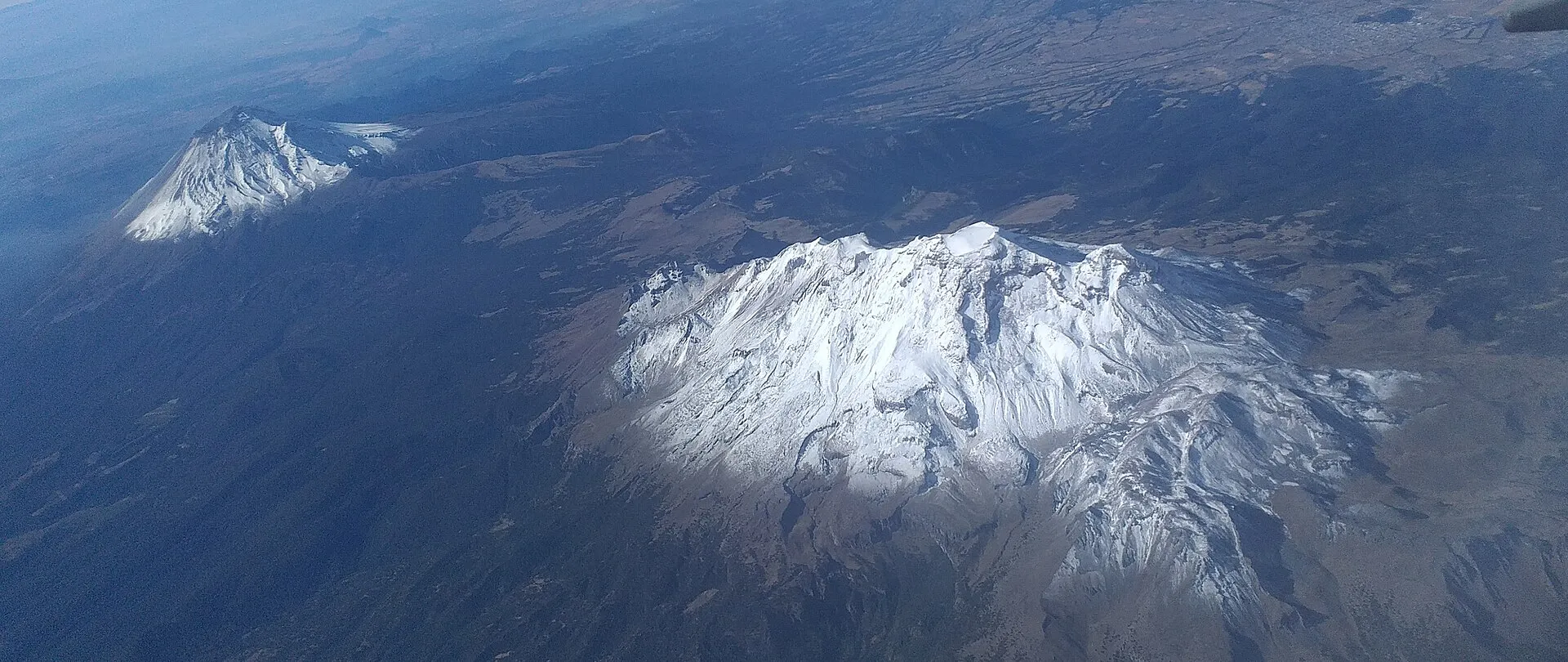
Country guide
What makes Mexico a must-visit destination?
Few countries carry as much history in their soil as Mexico. Three thousand years before the Spanish arrived, the Olmec — Mesoamerica's "mother culture" — were carving colossal basalt heads along the Gulf coast. Their heirs built one of humanity's great cradles of civilization: the Maya raised limestone cities such as Chichén Itzá and Uxmal and tracked the heavens with a precision Europe would not match for centuries; the Zapotec flattened a mountaintop to found Monte Albán above the valley of Oaxaca; and at Teotihuacán, a metropolis of some 125,000 people laid out the Avenue of the Dead beneath pyramids so imposing that the later Aztecs believed the gods themselves had built them. When the Mexica (Aztecs) raised their island capital of Tenochtitlán on Lake Texcoco in 1325, it was already among the largest cities on Earth — and its ruins lie directly beneath the Zócalo and Templo Mayor in the heart of modern Mexico City.
That world was upended in 1519, when Hernán Cortés landed on the Gulf coast and, in alliance with peoples chafing under Aztec rule, laid siege to Tenochtitlán until it fell in 1521. For three centuries Mexico was the viceroyalty of New Spain, the richest colony of the Spanish empire, its silver bankrolling Madrid and its cities rising in exuberant Churrigueresque baroque. The collision of Mesoamerican and European worlds produced the mestizo culture that still defines the country — visible in the gold-leafed churches of Oaxaca, the colonial mansions of Mérida, and above all in the cult of the Virgin of Guadalupe, whose 1531 apparition became the spiritual anchor of the nation.
Mexico's modern identity was forged in two upheavals. On the night of 16 September 1810, the parish priest Miguel Hidalgo rang his church bell in Dolores and called for independence, finally won in 1821. A century later the Mexican Revolution of 1910–1920 toppled a long dictatorship and remade the country, and in its wake the great muralists — Diego Rivera, José Clemente Orozco, and David Alfaro Siqueiros — painted that story across public walls from the capital to Guadalajara. Their work turned Mexican history into something you can read on a wall, and it remains one of the country's most striking introductions to itself.
What binds these layers together is a culture of extraordinary vitality. Mexican cuisine — from Oaxaca's seven moles to Yucatecan cochinita pibil and the taco in a thousand forms — is recognized by UNESCO as a treasure of humanity, and few celebrations on Earth rival the marigold-strewn altars of Día de los Muertos. Sixty-eight indigenous languages are still spoken alongside Spanish, and the cenotes the Maya once held sacred now draw divers from around the world. Spanish is universal and English common in the resort zones, but it is a knowledgeable local guide who turns a checklist of ruins and beaches into a genuine encounter with the civilizations that made Mexico.
- Language
- Spanish Widely spoken across Mexico
- Currency
- Mexican peso (MX$) Legal tender across Mexico
- Time zone
- UTC−5 to −8 Local time in Mexico
- Power plugs
- Types A, B · 127V Sockets used across Mexico
- Getting around
- Domestic flights & ADO buses Getting between Mexico's cities
- Best months
- Jan, Feb, Mar, Apr, May, Oct, Nov, Dec Averaged across Mexico's city ratings
Mexico timeline
-
Tenochtitlan founded
The Mexica capital created the sacred and urban layer beneath Mexico City.
-
Spanish conquest
The fall of Tenochtitlan began colonial Mexico and a new architectural landscape.
-
Independence movement begins
The Grito de Dolores launched the struggle behind civic plazas and national holidays.
-
Independence achieved
The Plan of Iguala and imperial transition completed the break with Spain.
-
Mexican Revolution
The revolution reshaped politics, murals, and the public memory visitors encounter.
-
Capital heritage listed
UNESCO recognition tied Mexico Citys historic center to the deeper Teotihuacan landscape.
Local context
Culture and travel signals
35 UNESCO World Heritage Sites
The most of any country in the Americas, including the pre-Hispanic city of Teotihuacán, the historic centers of Mexico City and Oaxaca, the Maya city of Chichén Itzá, and the agave landscape of Tequila in Jalisco
Mexican cuisine is a UNESCO Intangible Cultural Heritage
Inscribed in 2010 as one of the first cuisines ever granted the distinction, it recognizes traditions stretching back thousands of years — nixtamalization of maize, the milpa farming system, and the layered mole sauces perfected in Oaxaca
42.1 million international tourists in 2023
Mexico ranks as the sixth-most visited country in the world and the most visited in Latin America, with Cancún's airport alone processing over 30 million passengers a year
Over 6,000 known cenotes in the Yucatán Peninsula
These natural sinkholes in the limestone bedrock were considered sacred portals by the ancient Maya and now form part of the world's longest underwater cave systems, with the Sac Actun network near Mérida mapped past 370 kilometers
68 recognized indigenous languages
Alongside Spanish, Mexico officially recognizes 68 indigenous language groups spanning 364 variants, from Náhuatl and Yucatec Maya to the Zapotec and Mixtec still heard in the markets of Oaxaca — a living legacy of its Mesoamerican civilizations
Nearly 200 archaeological zones open to the public
The Instituto Nacional de Antropología e Historia (INAH) maintains and opens close to 200 archaeological sites nationwide, from Teotihuacán outside Mexico City to Monte Albán above the valley of Oaxaca
The most populous Spanish-speaking country on Earth
With roughly 130 million people (126 million counted in the 2020 census), Mexico is home to more Spanish speakers than any other nation — nearly triple the population of Spain itself
Source: tour-guide.com — Free to cite with attribution
Season planner
A year in Mexico
Use this best time to visit snapshot as a country-wide average, then check the city guides for local timing.
Mar-May
Spring
Spring is Mexico's strongest guide window — Mar-May (4.7/5) across its cities.
Jun-Aug
Summer
Summer stays workable in Mexico at Jun-Aug (3/5), so lean on city-by-city timing.
Sep-Nov
Autumn
Autumn stays workable in Mexico at Sep-Nov (3.3/5), so lean on city-by-city timing.
Dec-Feb
Winter
Winter holds up well for guided travel in Mexico, averaging Dec-Feb (4/5).
Where should you go in Mexico?
Central Mexico
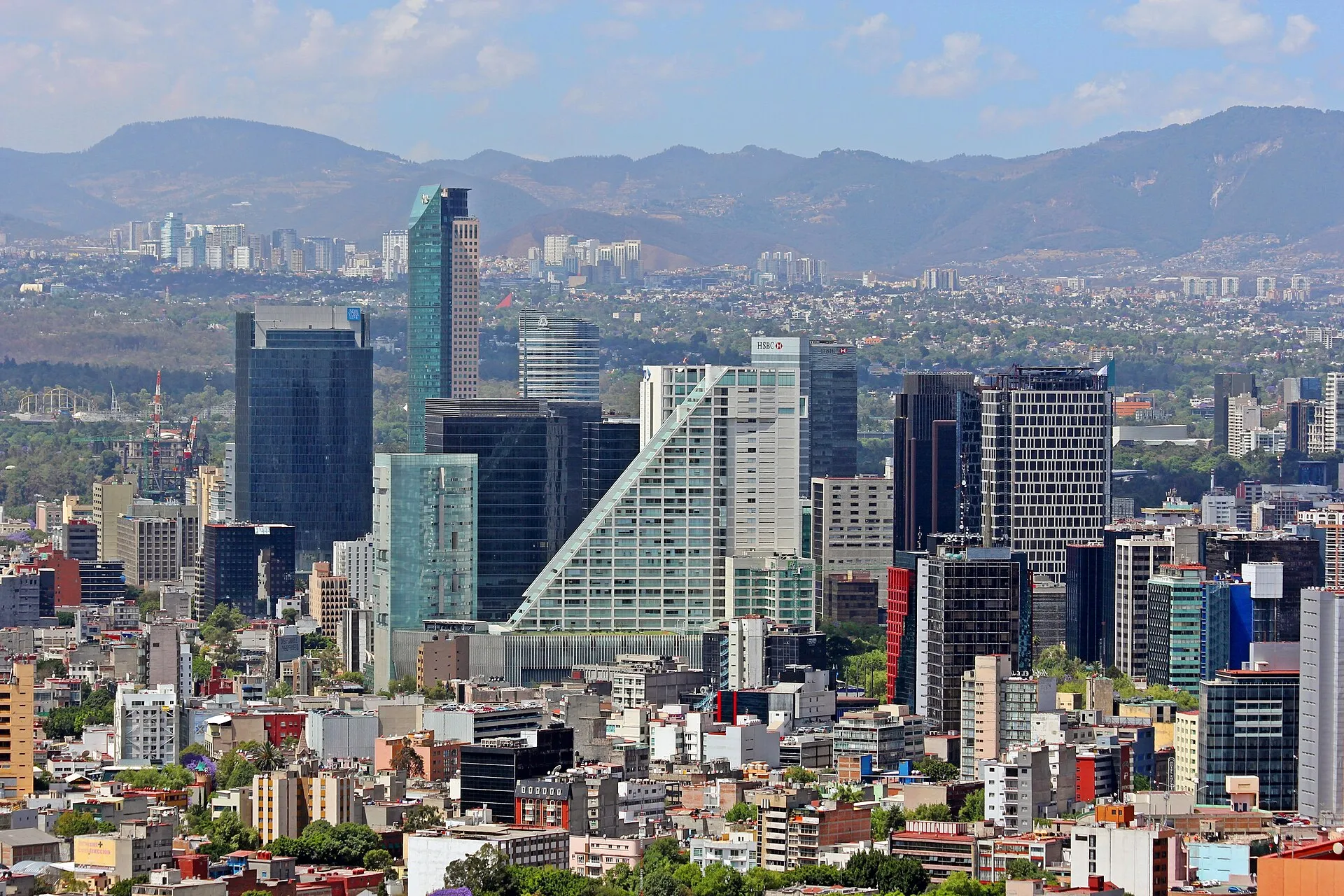
Mexico City sprawls across the bed of a drained lake at 2,240 meters, its historic core built directly over the Aztec capital — Spanish cathedrals and the excavated Templo Mayor share the same plaza. From the city you can reach the colossal pyramids of Teotihuacán, the cobalt-walled Frida Kahlo Museum in Coyoacán, and the Art Deco splendor of the Palacio de Bellas Artes, all wrapped in a food scene ranked among the world's most inventive. Some 500 kilometers west, Guadalajara — the proud capital of Jalisco — gave the world mariachi and tequila; its twin-spired cathedral and the Orozco frescoes vaulting the Hospicio Cabañas anchor a historic center that rivals the capital's.
The Yucatán & Caribbean Coast
On the Caribbean, Cancún is the launchpad for the Maya world — the serpent-shadowed pyramid of Chichén Itzá, the clifftop temples of Tulum above a turquoise sea, and the ferry-hop calm of Isla Mujeres. Inland, the "White City" of Mérida anchors the Yucatán with limestone elegance: its mansion-lined Paseo de Montejo is a legacy of the henequén boom, and day trips reach the ornate Puuc facades of Uxmal and the jungle-shrouded cenotes that riddle the peninsula.
Oaxaca & The South
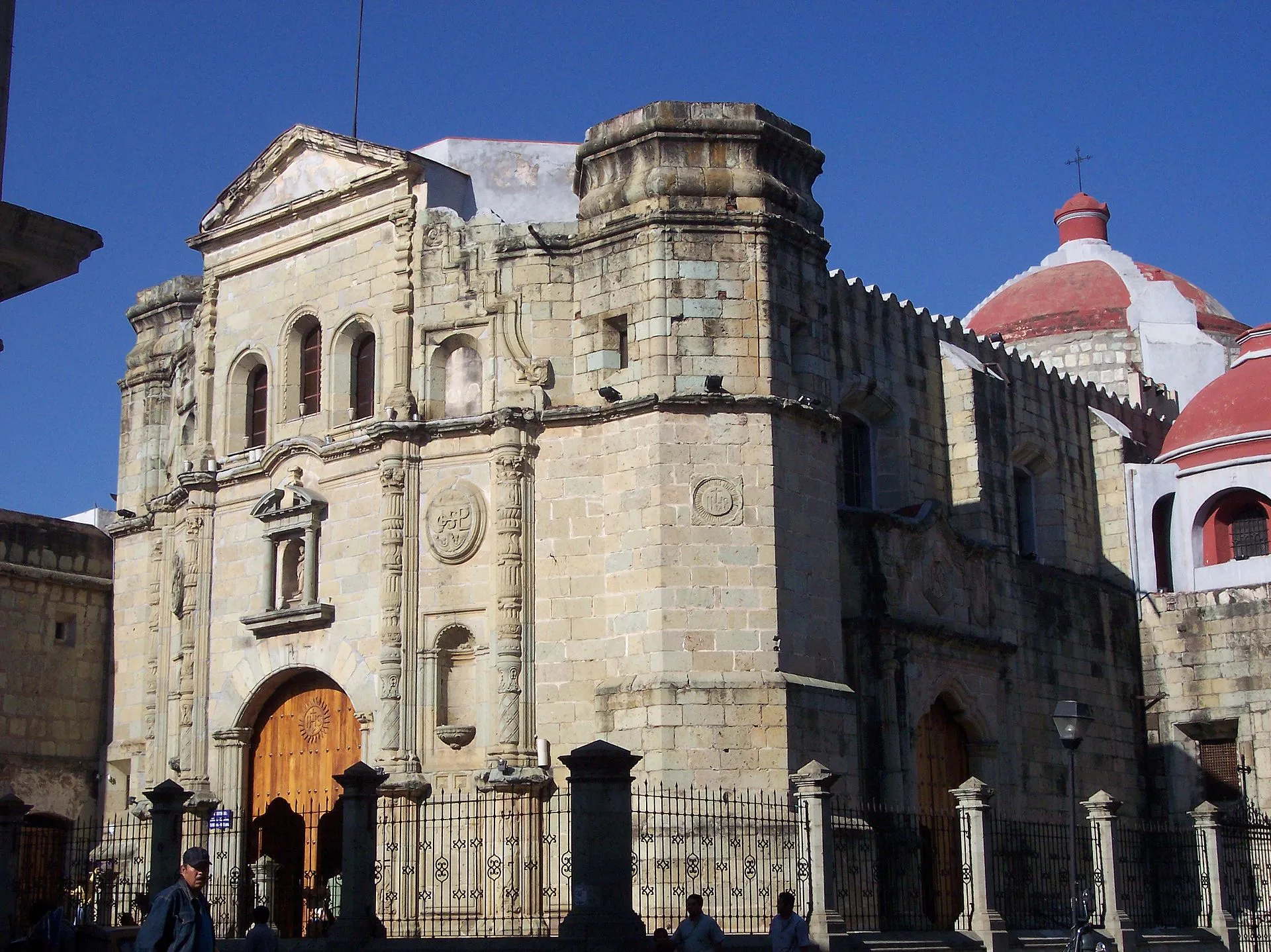
Oaxaca fills a highland valley where the Zapotec capital of Monte Albán crowns a leveled mountaintop and the baroque Santo Domingo Temple glows with gold leaf. It is Mexico's culinary and indigenous heartland — the land of the seven moles, of smoky mezcal still distilled in family-run palenques, and of the mineral terraces of Hierve el Agua suspended above the valley.
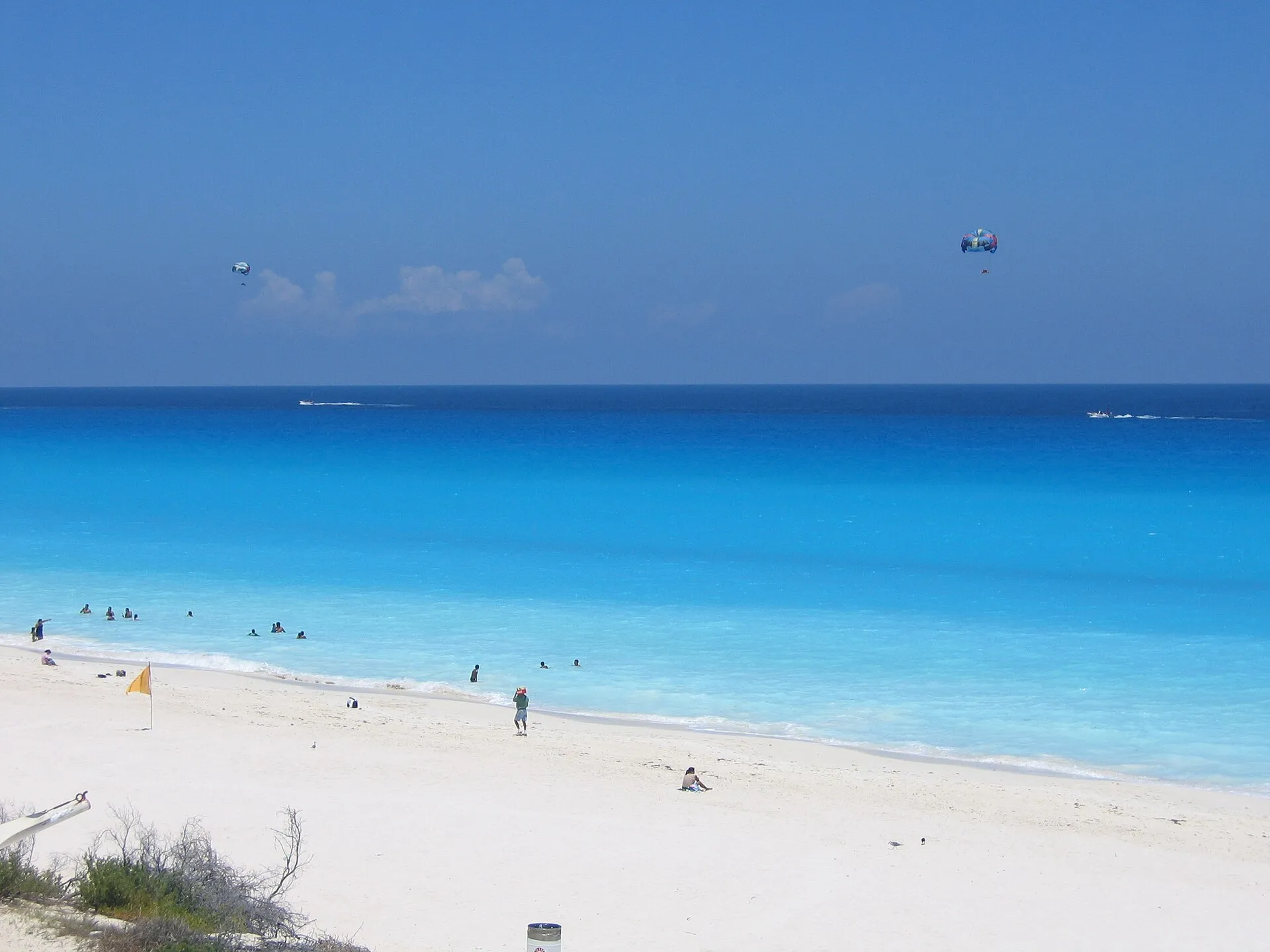
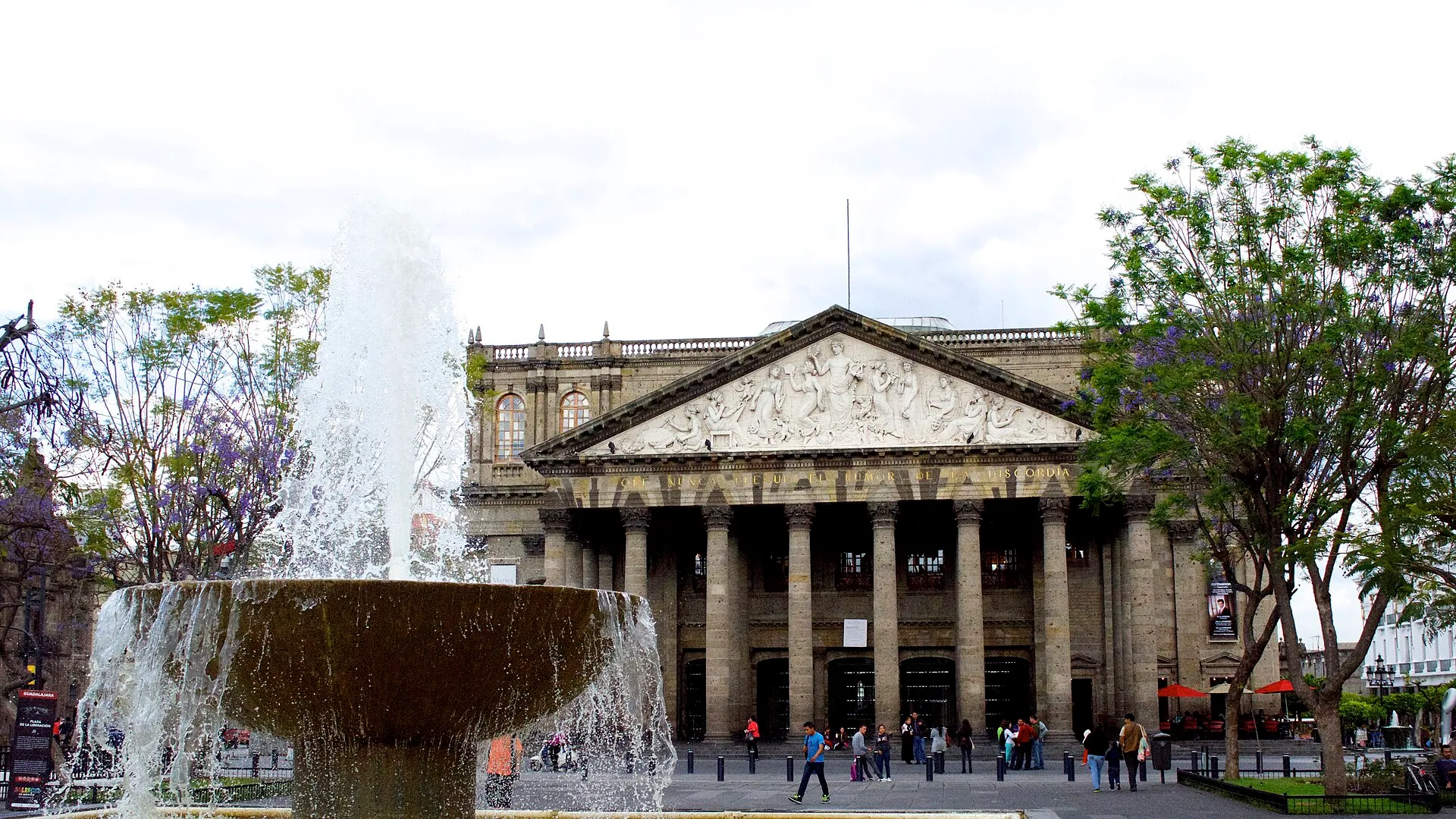
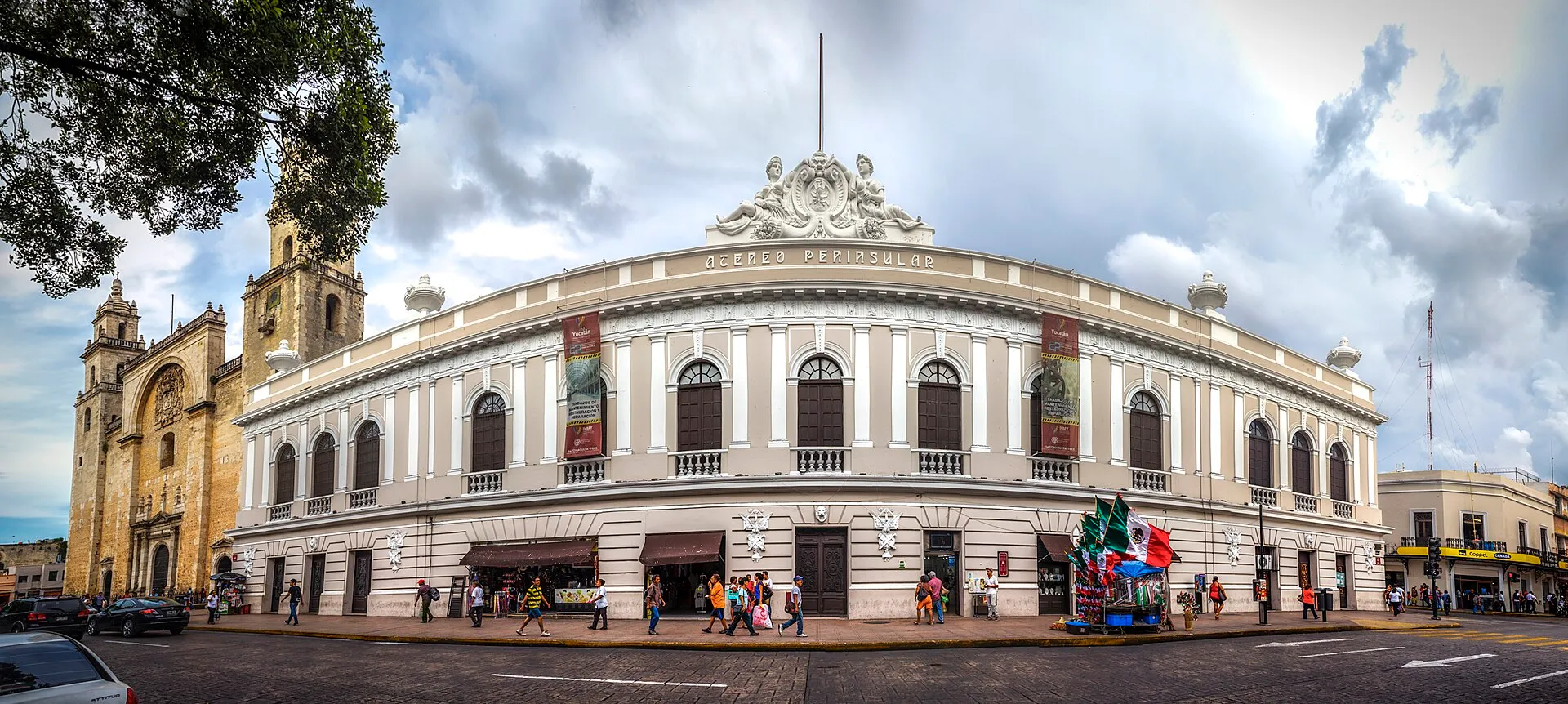
Must-see attractions across Mexico
These are the sights travelers cross Mexico for, each anchored to its own city. Pair one with a guide and the context comes alive.
What do visitors need to know about Mexico?
Finding a Guide
- Mexico's Secretaría de Turismo — certifies professional guides nationally; ask for a SECTUR credential to confirm quality and legitimacy
- Licensed INAH guides — at major ruins like Teotihuacán and Chichén Itzá, these guides operate at the entrances and bring deep expertise in Mesoamerican history
- Established tour operators — companies such as Journeys Beyond the Surface and other vetted operators employ English-speaking guides across the country
- Quality hotels — maintain relationships with trusted local guides, especially valuable in cities like Oaxaca and Mérida where independent guide markets are strong
What a Private Guide Costs
| Tour Type | Price Range |
|---|---|
| Group walking tour | MX$300–600 ($17–35) per person |
| Private half-day guide | MX$1,500–3,000 ($85–170) |
| Private full-day guide | MX$2,500–5,000 ($140–285) |
| Archaeological site guide (2 hrs) | MX$800–1,500 ($45–85) |
| Multi-day expedition guide (incl. transport) | MX$4,000–8,000 ($230–460) per day |
Must-See Experiences
- Teotihuacán — walk the Avenue of the Dead and scale the Pyramid of the Sun
- Frida Kahlo Museum — the Blue House where Mexico's most iconic artist lived and worked
- Chichén Itzá — one of the New Seven Wonders, with its equinox serpent shadow
- Tulum — clifftop Maya ruins overlooking the Caribbean Sea
- Monte Albán — Zapotec mountaintop city with panoramic valley views
- Hierve el Agua — petrified waterfall pools in the Oaxacan mountains
- Tequila — agave fields and distillery tours in the spirit's birthplace
- Cenotes — sacred swimming holes carved through Yucatán limestone
Getting Around
Mexico is large, so plan intercity travel deliberately:
- Domestic flights are the fastest way to cover the big distances — for example Mexico City to Cancún or Oaxaca — and low-cost carriers keep fares reasonable if you book ahead
- First-class buses (ADO, ETN, Primera Plus) are comfortable, punctual, and excellent value for regional hops such as Cancún to Mérida
- Colectivos — shared vans — are the cheapest way to reach nearby villages, ruins, and cenotes, though they run on their own schedule
- In the cities, Mexico City's Metro costs under MX$5 a ride, and ride-share apps like Uber and DiDi work well in most large urban areas
Money, Safety & Health
- Currency — carry Mexican pesos (MX$) for markets, street food, and small towns; credit cards are widely accepted in cities and resorts
- Tipping — 10–15% at restaurants, roughly MX$50–100 per person for guides, and small tips for bag handlers and valets
- Water — stick to bottled or filtered water everywhere; restaurant ice is usually purified but ask if unsure
- Altitude — Mexico City sits at 2,240 meters, so drink plenty of water and take your first day slowly to acclimatize
- Safety — stay in established tourist areas, use authorized taxis or ride-share apps, and check your government's travel advisory for the specific states on your route
When to Visit
- Dry season (October–April) brings the clearest skies over archaeological sites and the most comfortable highland temperatures
- Caribbean hurricane risk runs June through November, peaking in September and October
- Signature festivals — Día de los Muertos (November 1–2) and Oaxaca's Guelaguetza (July) draw the biggest cultural crowds, so book guides and lodging months ahead
- Pricing note — costs run well below Europe or the US, though the Cancún corridor is pricier than mainland Mexico; site entry and transport are usually extra
Frequently Asked Questions
What is the best time of year to visit Mexico?
The dry season from October through April is the most comfortable time to explore most of Mexico, with clear skies over archaeological sites and pleasant temperatures in the highlands. Mexico City enjoys a spring-like climate year-round thanks to its elevation, making it a reliable destination in any month, while the Riviera Maya and Yucatán coast carry hurricane risk from June through November and see their heaviest downpours in September and October. Plan around the festivals for an unforgettable trip — Day of the Dead celebrations in late October and early November transform Oaxaca and Pátzcuaro into candlelit spectacles, and Oaxaca's Guelaguetza festival in July showcases indigenous dance and culture at its most vibrant, while family-run mezcal distilleries known as palenques open their doors to curious visitors throughout the year.
How much does a private tour guide cost in Mexico?
Mexico offers excellent value, especially for archaeological and cultural tours. A group walking tour of Mexico City's historic center or Oaxaca's markets runs MX$300–600 ($17–35) per person, while a private half-day guide — invaluable at complex sites like Teotihuacán or Chichén Itzá — costs MX$1,500–3,000 ($85–170). A full day with a private guide runs MX$2,500–5,000 ($140–285), and licensed guides at the ruins themselves are often available for a fixed two-hour tour at the entrance.
Do I need to speak the local language to travel in Mexico?
Spanish is the primary language, and while English is common in resort areas like Cancún, it drops off quickly elsewhere. An English-speaking guide unlocks the depth of Mesoamerican history — decoding Náhuatl place names, navigating Oaxaca's indigenous markets where Zapotec and Mixtec are still spoken, and connecting you to communities that define Mexico far beyond the beach resorts.
Is Mexico safe for tourists?
Most of Mexico's headline destinations — Mexico City, Oaxaca, Mérida (consistently ranked among the safest cities in the Americas), Guadalajara, and the Yucatán resorts around Cancún — are welcoming to visitors who take normal urban precautions. Stick to established tourist areas, use authorized sitio taxis or ride-share apps like Uber and DiDi, keep valuables out of sight, and follow your guide's local advice. Mexico is a vast country and conditions vary sharply by state, so check your government's travel advisory for the specific regions on your itinerary before you travel.
What foods and cultural experiences should not be missed in Mexico?
Eating is the fastest way into Mexican culture. Start with the classics — tacos al pastor, tamales, and fresh ceviche — then chase down regional specialties: Oaxaca's seven moles and table-sized tlayudas, Yucatecan cochinita pibil slow-roasted in banana leaves, and Puebla-style chiles en nogada. Beyond the table, time your trip around a landmark celebration if you can — the marigold-draped altars of Día de los Muertos (November 1–2), Oaxaca's Guelaguetza in July, or a mariachi night in Guadalajara — and let a local guide add the history behind a distillery visit in Tequila or a mezcal palenque in the Oaxacan hills.