
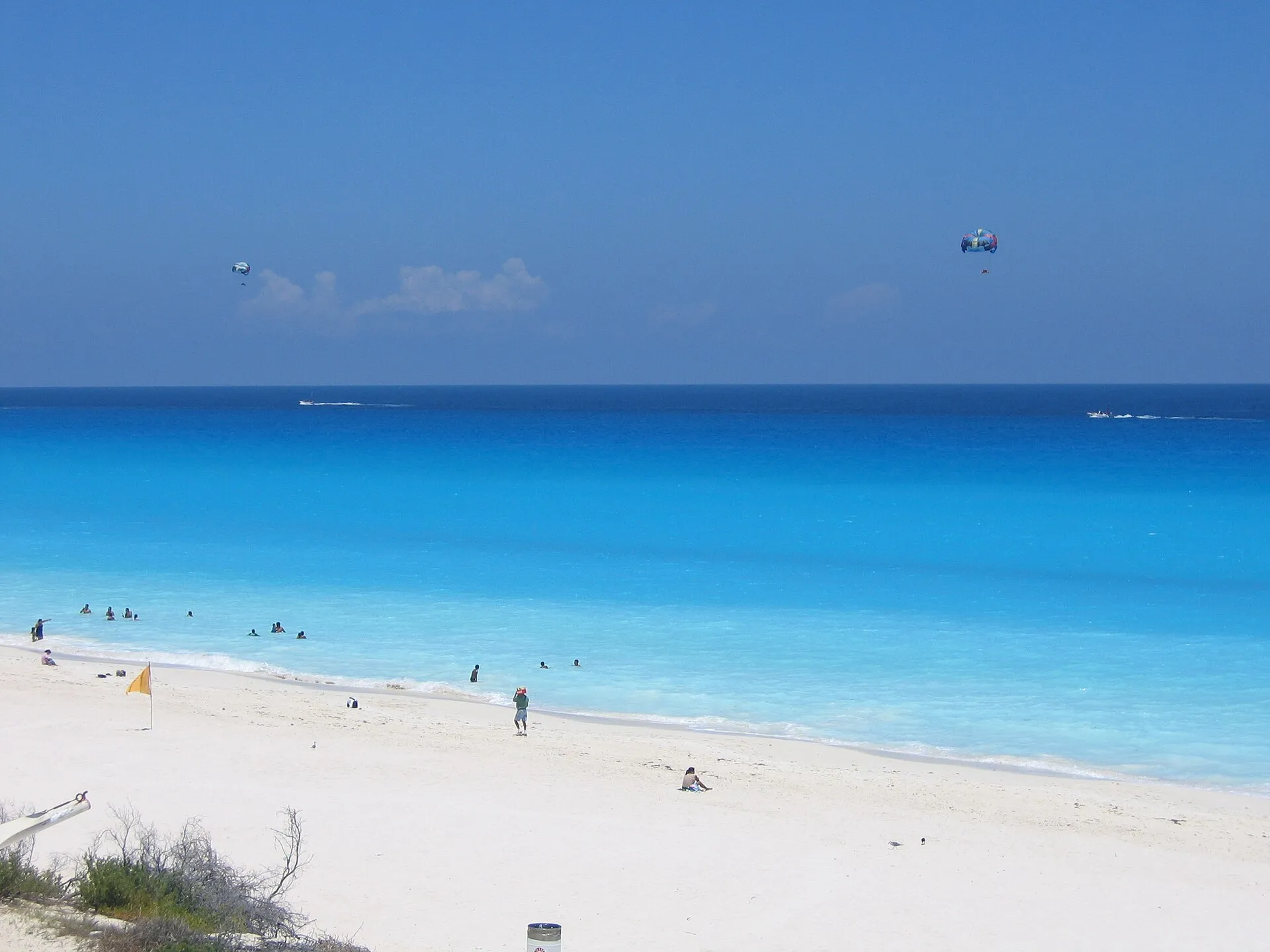
Cancún timeline
-
MUSA underwater museum
MUSA underwater museum — More than 500 submerged sculptures off Punta Nizuc and Manchones that you can snorkel or dive among
-
The barrier island was an almost empty sandbar
In 1970 the barrier island was an almost empty sandbar;
-
Cancún capital era
The Maya-Toltec capital, a 2.5-hour drive west of Cancún, was named one of the New Seven Wonders of the World in 2007 and draws its largest crowds at the spring and.
Cited city facts
Key facts for visiting Cancún
Planned from an empty sandbar in 1970
Mexico's tourism-development fund (INFRATUR, now FONATUR) chose the barrier island from a computer-assisted survey of the coast and built the resort city from nothing, laying out downtown in numbered Supermanzana superblocks — one of the first and most successful government-master-planned tourism destinations in the world
Close to 900,000 residents, up from barely a few hundred
The 2020 census counted about 888,000 people in the city (911,000 in the surrounding Benito Juárez municipality), a metropolis grown in five decades from a fishing outpost of only a handful of families — one of the fastest urban expansions in the Americas
A 23 km Hotel Zone shaped like the number 7
Cancún's iconic Zona Hotelera stretches along a narrow sand spit with the Caribbean Sea on one side and the calm Nichupté Lagoon on the other, its resorts, marinas, and beach clubs strung along a single boulevard, Kukulcán
Over 30 million airline passengers a year
Cancún International Airport is the busiest in Mexico after Mexico City, funnelling the traffic that makes the Riviera Maya one of the most visited beach corridors on Earth and the country's single largest tourism engine
Over 6,000 cenotes in the Yucatán Peninsula
The limestone karst underlying the peninsula is riddled with freshwater sinkholes sacred to the ancient Maya, who considered them portals to the underworld (Xibalba); many near Mérida remain unmapped and feed the world's longest flooded cave systems
Chichén Itzá draws about 2.6 million visitors a year
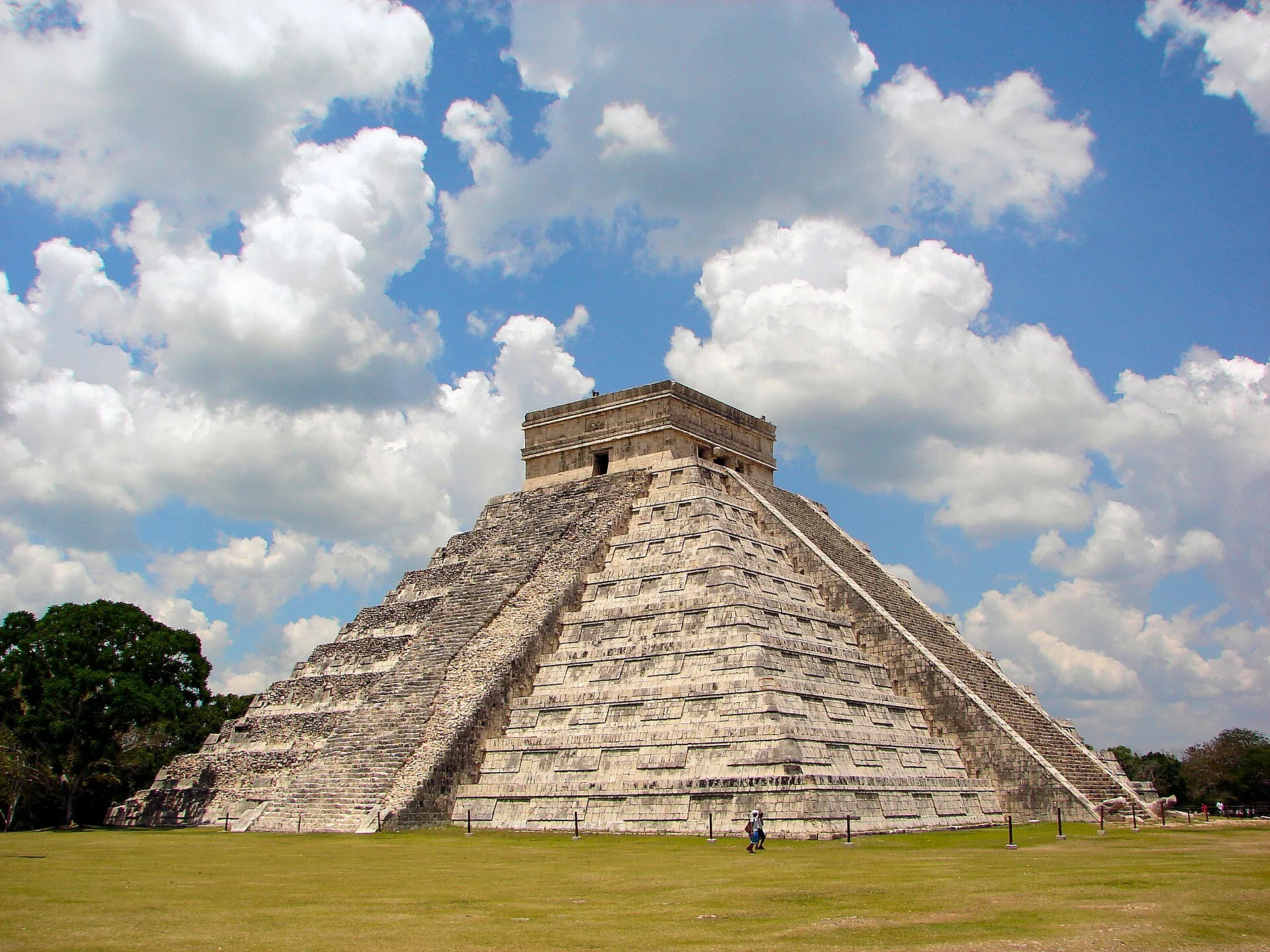
The Maya-Toltec capital, a 2.5-hour drive west of Cancún, was named one of the New Seven Wonders of the World in 2007 and draws its largest crowds at the spring and autumn equinoxes, when a serpent-shaped shadow descends El Castillo
The Tren Maya reached Cancún in December 2023
The 1,554-kilometre intercity railway loops the Yucatán Peninsula and stops in Cancún, reconnecting the resort by rail to inland Maya sites and colonial cities such as Mérida for the first time in generations
Source: tour-guide.com — Free to cite with attribution
Things to see
What are the top attractions in Cancún?
- Chichén Itzá at dawn — Beat the midday crowds and scorching heat at this Wonder of the World, 2.5 hours west
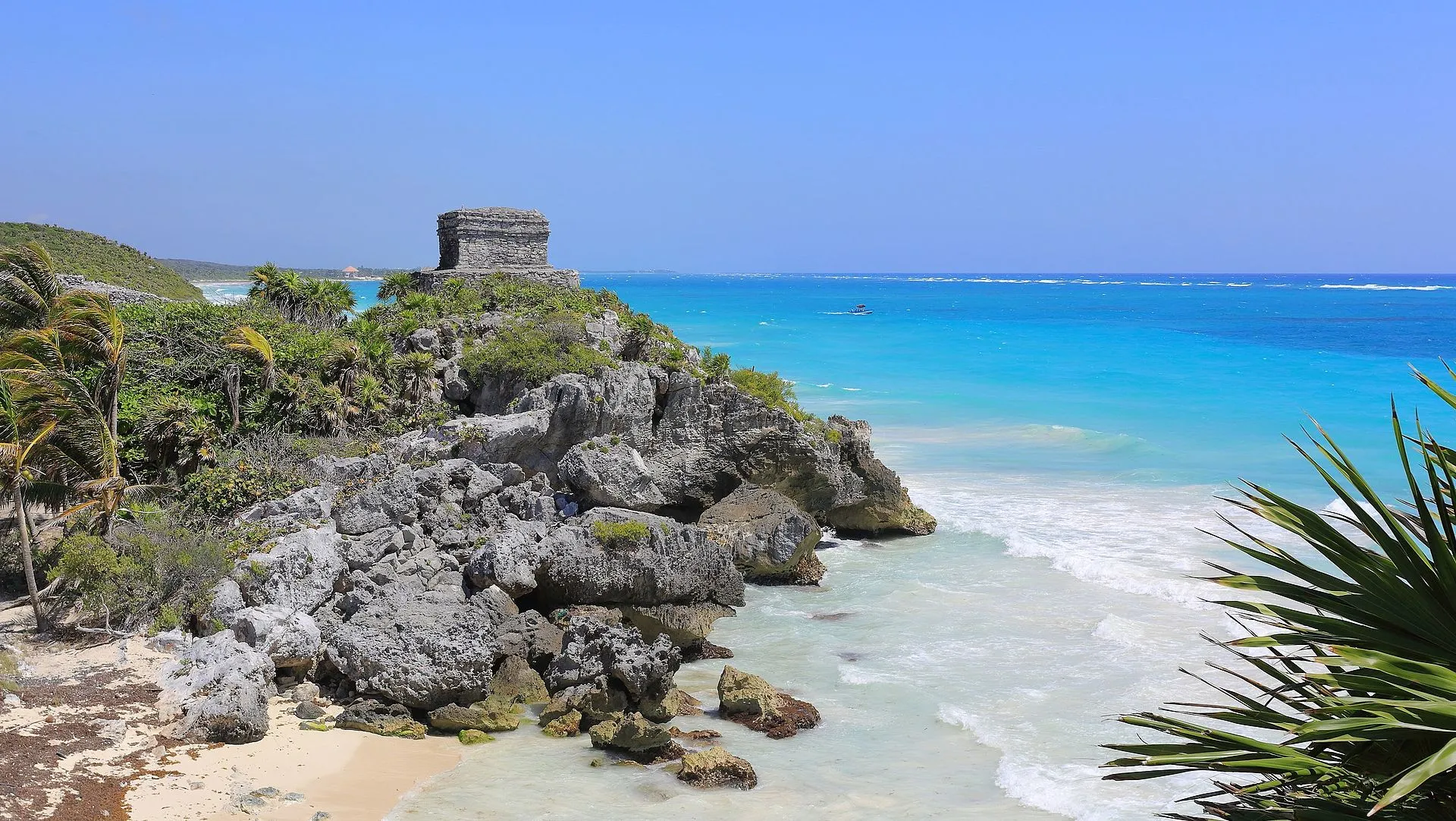
- Tulum with a swim — Explore the only Maya city built on the Caribbean, then cool off on the beach directly below the cliffs
- Cenote swimming — Thousands of freshwater sinkholes riddle the Yucatán; Ik Kil near Chichén Itzá and the cenotes around Mérida are spectacular
- Isla Mujeres by ferry — A 15-to-20-minute Ultramar crossing from Puerto Juárez to a completely different pace of life
- Whale shark season — Mid-June through September, swim beside the ocean's largest fish north of Isla Mujeres
- MUSA underwater museum — More than 500 submerged sculptures off Punta Nizuc and Manchones that you can snorkel or dive among
Chichén Itzá
One of the New Seven Wonders of the World
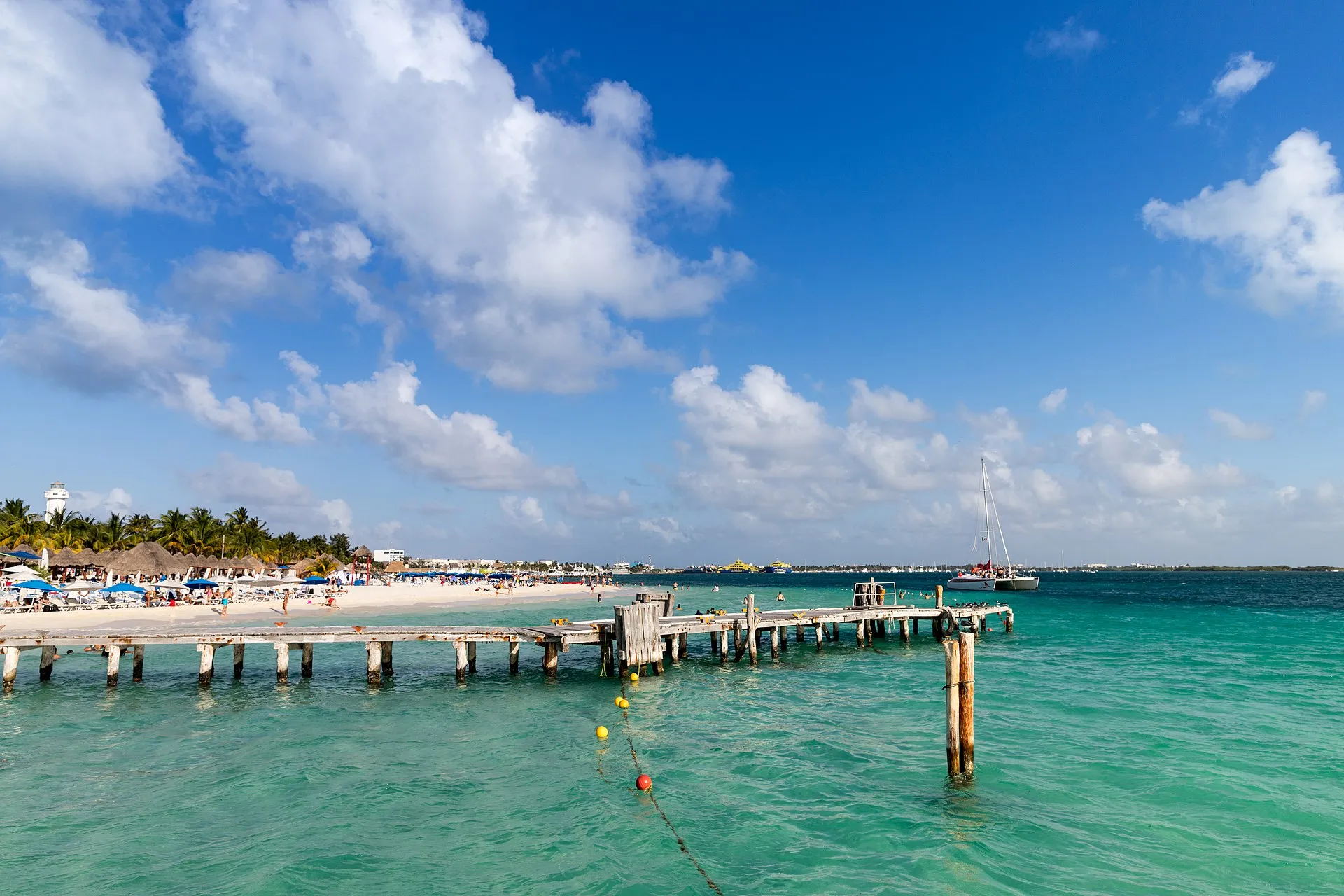
Isla Mujeres
Playa Norte's calm shallows, MUSA's underwater sculptures, and summer whale sharks, a 20-minute ferry from Cancún
Tulum
Maya clifftop city where ancient walls meet Caribbean waves
Guide planning
How much does a tour guide cost in Cancún?
Cancún guiding is priced per excursion rather than per hour, and the ruins-and-cenote day trips are where a licensed guide earns their fee. Book directly where you can — hotel concierges and booking desks add a margin.
| Tour Type | Price | Details |
|---|---|---|
| Group Day Trips | MX$1,500-2,500 | $85-140 per person, transport and lunch usually included |
| Chichén Itzá Private | MX$5,000-8,000 | $280-450 for up to 4, incl. transport |
| Cenote & Ruins Combo | MX$2,000-3,500 | $110-195 per person |
| Isla Mujeres Guided Day | MX$1,500-2,500 | $85-145 per person, ferry and lunch |
| Whale Shark Swim (seasonal) | MX$3,000-4,500 | $170-260 per person, incl. marine-park fee |
| Full-Day Private | MX$6,000-10,000 | $335-560 for the whole vehicle |
Season planner
When is the best time to visit Cancún?
- Best months — November through April brings dry, sunny days and sea temperatures in the high 20s °C, though this is high season and the priciest stretch
- Shoulder value — May and early June offer warm water and thinner crowds before the summer family rush
- Hurricane season — June through November, with September and October carrying the highest storm risk and the heaviest sargassum seaweed on the beaches
- Whale sharks — Mid-June to mid-September draws the crowds north of Isla Mujeres, overlapping the wetter months, so build in weather flexibility
- Equinox spectacle — Around March 20-21, tours to Chichén Itzá fill months ahead for the serpent-shadow descent
Spring
Mar-May
Summer
Jun-Aug
Autumn
Sep-Nov
Winter
Dec-Feb
Each score averages that season’s monthly ratings out of 5. The top-rated window is usually the peak season too, so read the guidance above for its trade-offs before you book.
On the ground
How do you get around Cancún?
- City buses — Cheap R-1 and R-2 routes run the length of the Hotel Zone and into El Centro for around MX$12; keep small coins handy
- Intercity coaches — Comfortable, air-conditioned ADO buses leave the downtown terminal for Tulum, Playa del Carmen, and Mérida; shared colectivo vans along Highway 307 are cheaper still
- Ferries — The Ultramar ferry to Isla Mujeres departs Puerto Juárez every 30 minutes; the Hotel Zone piers cost more and run less often
- Tren Maya — The new railway station links Cancún to inland Maya sites and the airport, an easy alternative to the highway for reaching Mérida
- Water color — The Caribbean here is genuinely that shade of turquoise — no filter needed
- Tipping — 10-15% is standard; guides especially appreciate tips given directly
Frequently Asked Questions
What is the best time to visit Cancún?
November through April is the sweet spot: dry, sunny days with sea temperatures in the high 20s °C and little humidity, though it is also the busiest and priciest stretch. The Atlantic hurricane season runs June through November, with September and October carrying the highest risk of storms and the heaviest sargassum seaweed on the beaches. May and early June are an underrated shoulder window — warm water, thinner crowds, and lower rates before the summer family rush.
How much does a tour guide cost in Cancún?
Expect group day trips at MX$1,500–2,500 ($85–140) per person, a private Chichén Itzá tour at MX$5,000–8,000 ($280–450) for up to four, and a cenote-and-ruins combo at MX$2,000–3,500 ($110–195) per person. Licensed INAH guides can also be hired for a fixed two-hour tour at the entrance of the ruins themselves, which is the best value if you arrange your own transport.
How do you get around Cancún?
Cheap R-1 and R-2 city buses run the length of the Hotel Zone and into downtown for around MX$12, while comfortable ADO coaches connect the bus terminal to Tulum, Playa del Carmen, and Mérida; shared colectivo vans along Highway 307 are cheaper still. For Isla Mujeres, the Ultramar ferry leaves Puerto Juárez every 30 minutes.
How was Cancún created?
Cancún is one of the world's most successful planned resort cities. In 1970 the barrier island was an almost empty sandbar; Mexico's tourism-development bank (INFRATUR, later FONATUR) selected the spot from a computer-assisted survey of the Caribbean coast and built the resort from scratch, laying out downtown in numbered Supermanzana superblocks. In barely fifty years it grew from a fishing outpost into a metropolis of close to 900,000 people and the busiest gateway to Mexico's Caribbean.
Is Cancún a good base for exploring the Yucatán?
Yes — it is the region's main hub. Within a two-hour radius you can reach the Wonder-of-the-World pyramid of Chichén Itzá, the clifftop Maya port of Tulum, the island calm of Isla Mujeres, and dozens of cenotes, while the new Tren Maya railway and ADO buses put the colonial "White City" of Mérida and its cenotes within easy day-trip range.