
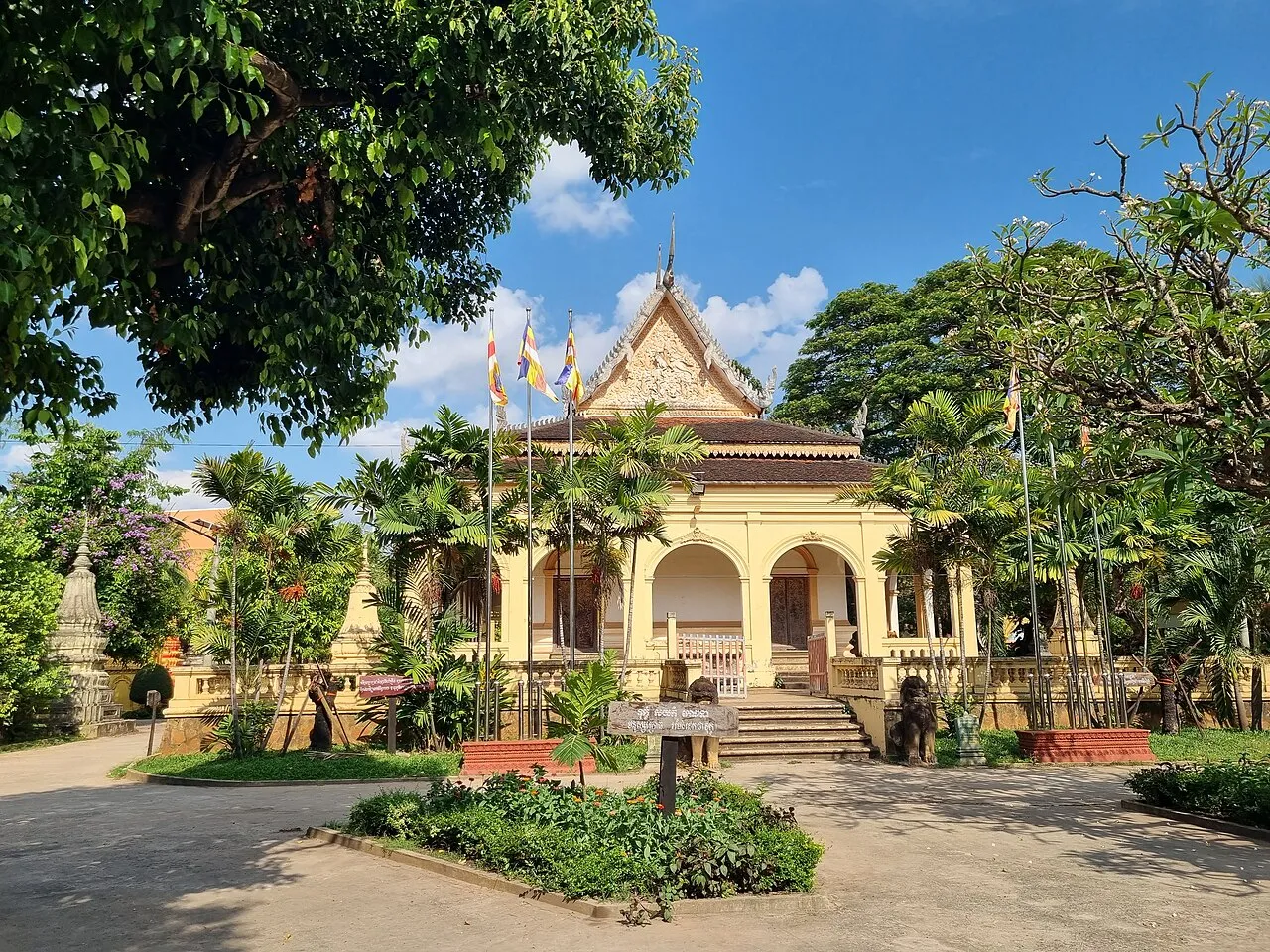
Siem Reap timeline
-
Khmer Empire begins
The Angkor story starts with the imperial order that shaped the Siem Reap region.
- 12th century
Angkor Wat rises
The temple city reached the monumental scale that anchors visits today.
-
Angkor protected
UNESCO listing and international conservation helped reopen the temples to global visitors.
Cited city facts
Key facts for visiting Siem Reap
The Angkor Archaeological Park covers over 400 km²
The park contains hundreds of temple complexes ranging from the vast scale of Angkor Thom's 9 km² walled city to intimate brick towers barely 5 metres tall; the UNESCO World Heritage designation covers the entire park, not just the major monuments, and restoration work by international conservation teams from France, India, Japan, and Germany continues at multiple sites
Angkor Wat's bas-relief gallery extends 1,200 metres continuously
The eight narrative panels of Angkor Wat's third enclosure wall constitute the longest continuous carved narrative in the world, depicting Hindu mythology and Khmer military history at a level of figurative detail that rivals any carved narrative tradition globally; without a guide, most visitors cannot identify a single scene
Siem Reap grew from a market town of 20,000 to a city of 250,000 since 1998
The opening of Siem Reap International Airport and the subsequent tourism boom transformed a sleepy provincial town into Cambodia's second city in under 30 years; the Pub Street district, the Old Market, and the NGO restaurant strip all emerged from this rapid urbanisation driven by the temples' global fame
Over 72 distinct temple complexes are accessible within the park's boundaries
The most-visited five temples — Angkor Wat, Bayon, Ta Prohm, Baphuon, and Banteay Srei — receive the overwhelming majority of visitors, while dozens of temples within easy cycling distance see fewer than 50 visitors per day, a disparity a knowledgeable guide can exploit to give visitors a rare experience of standing alone in a 12th-century temple
Source: tour-guide.com — Free to cite with attribution
Things to see
What are the top attractions in Siem Reap?
- Angkor Wat — the world's largest religious monument, famous for sunrise reflections and a 1,200-metre bas-relief gallery
- Angkor Thom & Bayon — the walled capital with 54 towers bearing 216 enigmatic stone faces
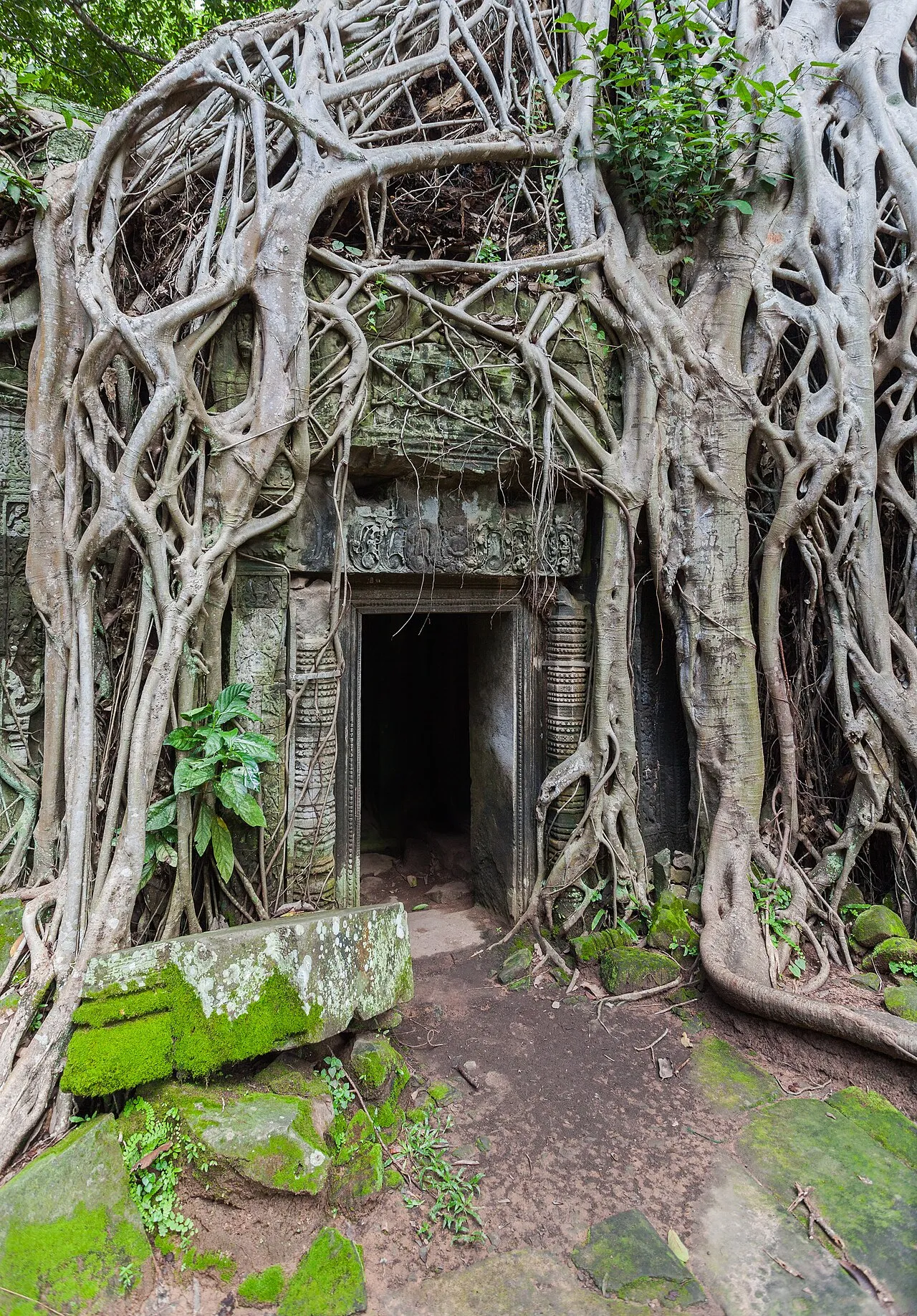
- Ta Prohm — the jungle monastery where massive tree roots have grown through the sandstone walls over centuries
- Preah Khan Temple — a sprawling Buddhist university temple with moats and guardian nagas
- Banteay Srei — the finest pink sandstone carvings in the entire Angkor complex, 25 km north of the main park
- Tonlé Sap floating villages — stilted communities on Southeast Asia's largest freshwater lake, 15 km south of town
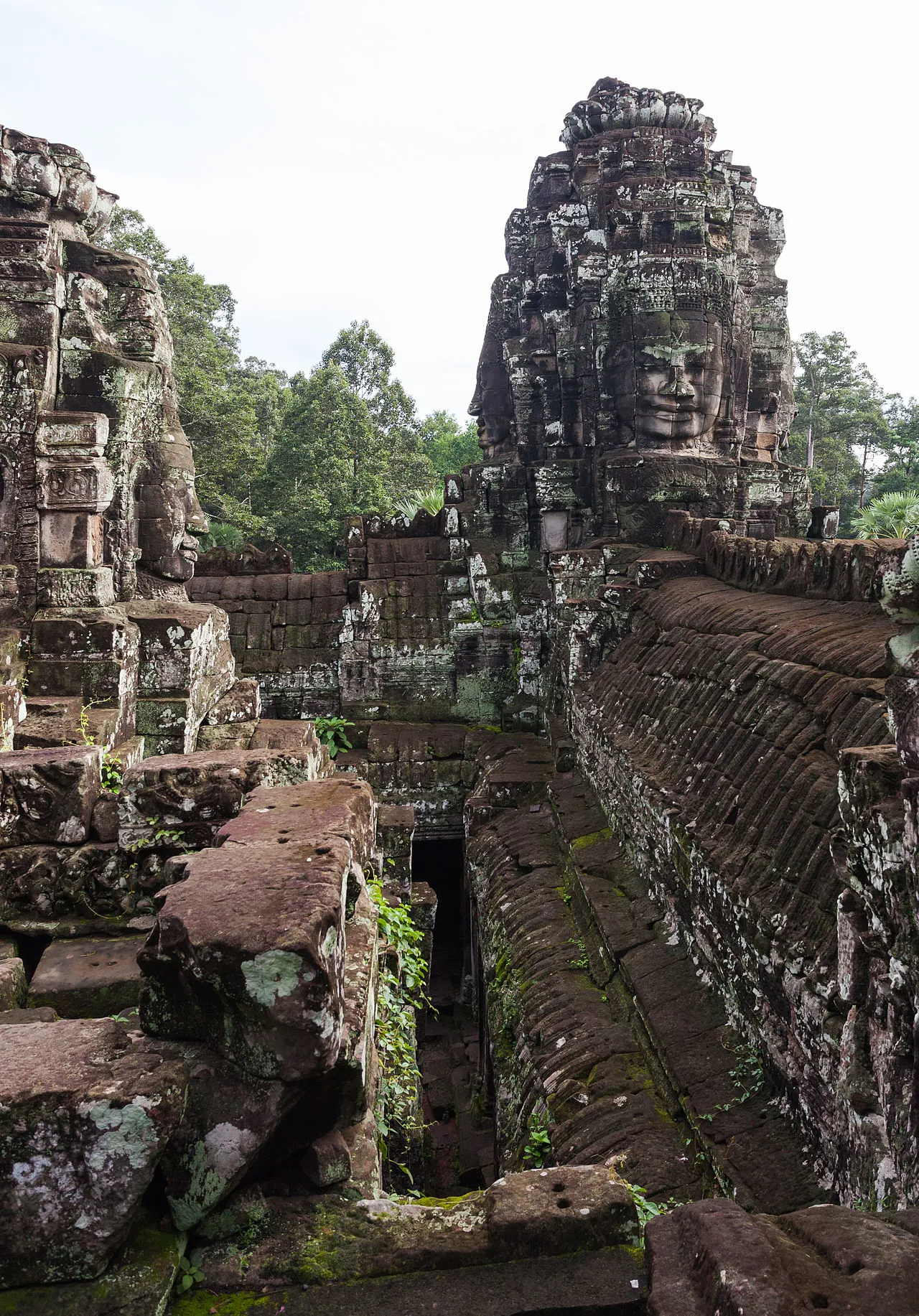
Angkor Thom & Bayon
216 stone faces gazing in all directions from the towers of the Khmer Empire's last capital
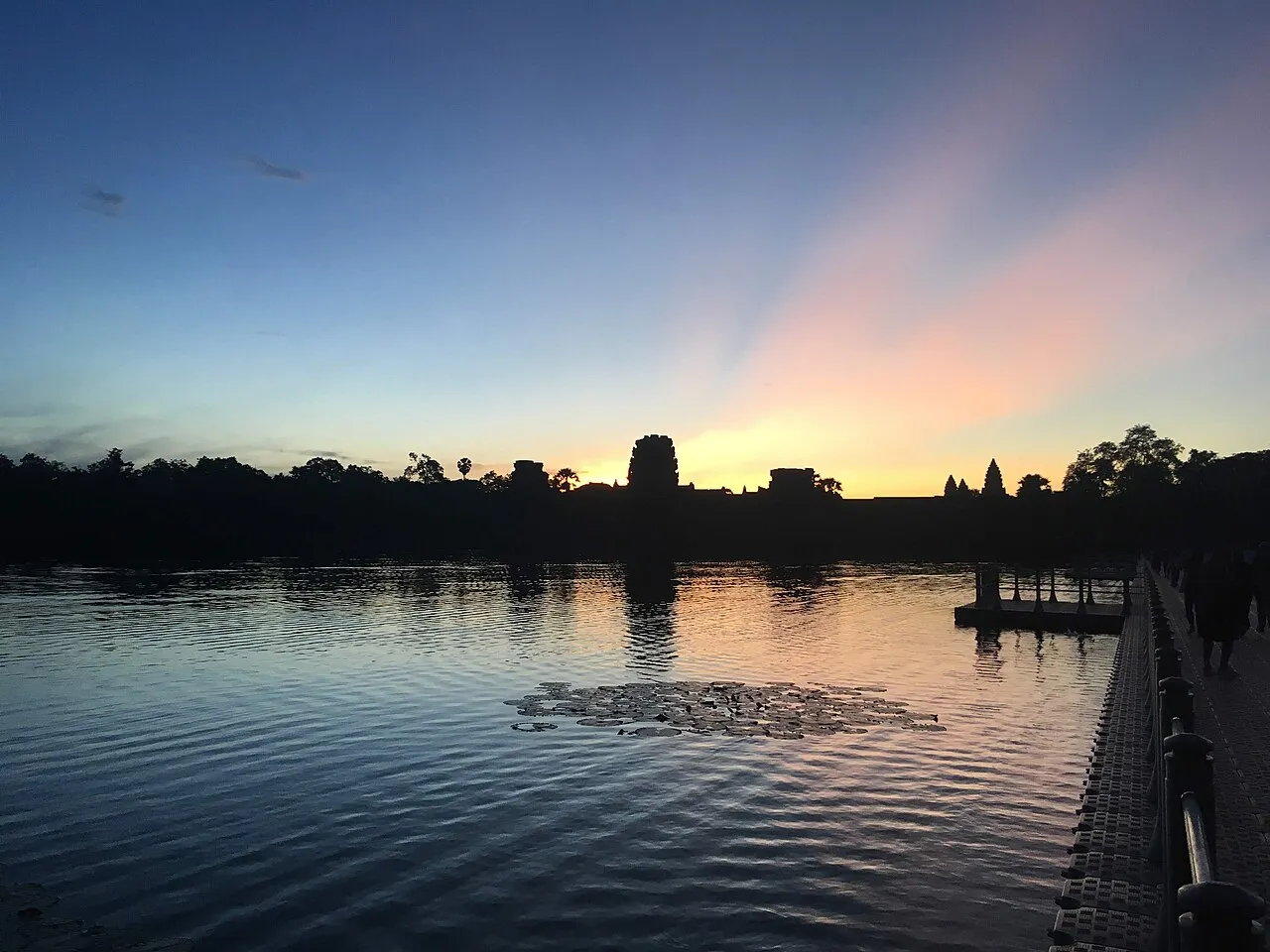
Angkor Wat
The world's largest religious monument and the defining image of Khmer civilization
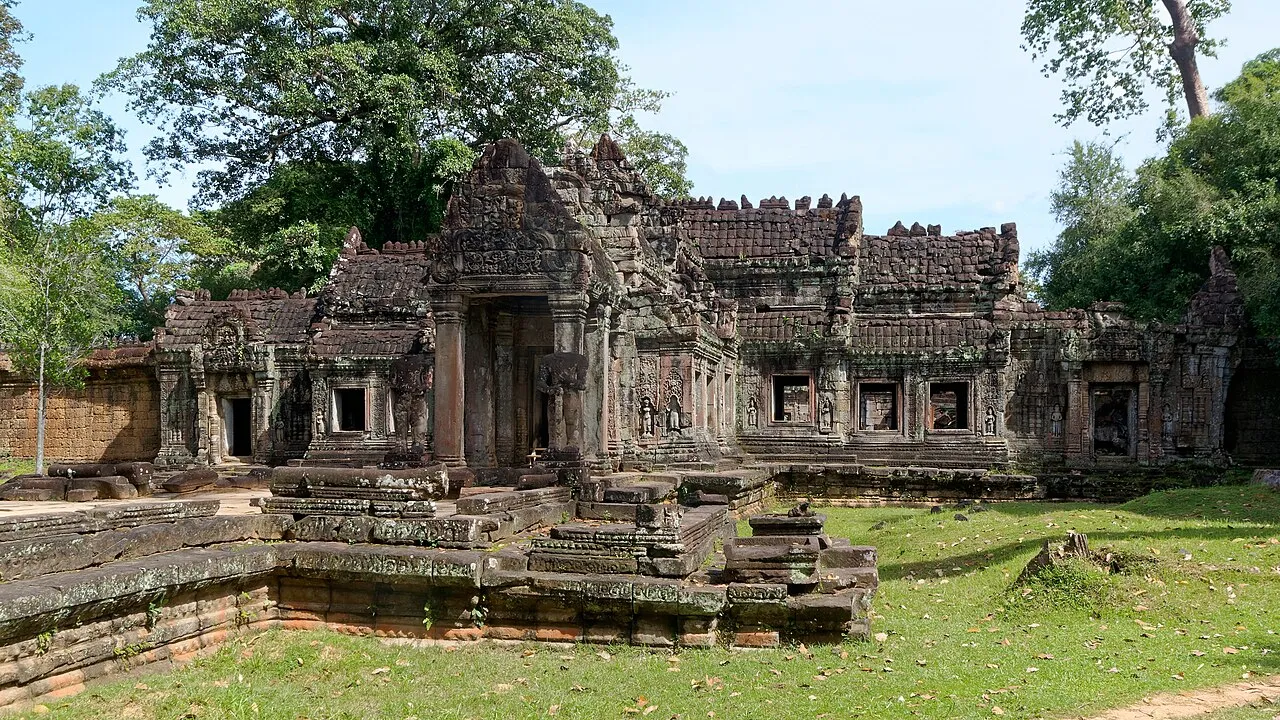
Preah Khan Temple
A vast 12th-century temple-university where corridors and courtyards stretch into the jungle
Ta Prohm
Where centuries-old tree roots have reclaimed the walls of a 12th-century Khmer monastery
Guide planning
How much does a tour guide cost in Siem Reap?
| Tour Type | Price | Details |
|---|---|---|
| Group Angkor circuit (half day) | $15–30 | Per person, main temples |
| Licensed Angkor guide (full day) | $35–60 | Private, covers main + outer circuit |
| Specialist Khmer history guide | $60–100 | Academic background, private |
| Sunrise + Bayon + Ta Prohm full day | $45–75 | With tuk-tuk transport |
| Remote temples day trip (Banteay Srei) | $50–80 | Transport + guide, 25 km drive |
Season planner
When is the best time to visit Siem Reap?
November through February is Siem Reap's ideal window — the dry season brings clear skies, manageable temperatures of 25–32°C, and optimal light for temple photography. Book accommodation 4–8 weeks ahead for the December–January peak. Angkor Wat's astronomical sunrise alignment occurs on the spring equinox (around March 20–21), when the sun rises exactly behind the central tower — reserve accommodation 3+ months ahead for this event. The wet season from June through October turns the surrounding jungle intensely green, reduces crowds by 40–60%, and provides dramatic storm light over the temples in the late afternoon — experienced guides know which temples drain quickly and which should be avoided after heavy rain.
Spring
Mar-May
Summer
Jun-Aug
Autumn
Sep-Nov
Winter
Dec-Feb
Each score averages that season’s monthly ratings out of 5. The top-rated window is usually the peak season too, so read the guidance above for its trade-offs before you book.
On the ground
How do you get around Siem Reap?
- Tuk-tuk — negotiate a full-day rate ($15–20) at your hotel; the driver waits at each temple while you explore
- Bicycle — available from $5–8 per day; ideal for the main circuit in cool months (November–February)
- Electric bike — $15–20 per day; suits the outer circuit and early morning rides before heat builds
- Private driver with guide — $50–80 per day; recommended for remote temples and the Roluos Group
- Angkor pass — purchase the day before a sunrise visit; 1-day $37, 3-day $62, 7-day $72; biometric photo required
Frequently Asked Questions
How many days do I need in Siem Reap to see the temples?
Three days is the minimum for a serious visit to the Angkor Archaeological Park — one day for the main circuit (Angkor Wat sunrise, Bayon, Ta Prohm, Baphuon), a second day for the outer circuit (Pre Rup, East Mebon, Ta Som, Neak Pean), and a third for the sites missed on the first two days or for revisiting Angkor Wat without a crowd in the late afternoon. A week reveals the outlying temples — Banteay Srei with its extraordinary pink sandstone carvings 25 km north of the main complex, Kbal Spean's river of a thousand lingas in the Kulen foothills, and the Roluos Group of pre-Angkorian temples that predate Angkor Wat by two centuries.
What is the best time of day to visit Angkor Wat?
Sunrise at the main reflecting pool (arriving by 5:15 AM) is Angkor Wat's most celebrated experience — the five towers appear as silhouettes above the water as dawn light grows. Midday (10 AM–2 PM) is the worst window in the hot season, when temperatures reach 36–40°C and shadows flatten the bas-relief carvings. The late afternoon window from 3–5 PM offers golden light on the west-facing towers and dramatically fewer visitors than the morning crowds. A guide who knows the light conditions and the crowd patterns can structure a full-day Angkor Wat visit across two or three timed entries.
How do I get around the Angkor Archaeological Park?
Tuk-tuk is the standard and most practical option — negotiate a full-day rate of $15–20 with your hotel the evening before, and the driver waits at each temple while you explore. Bicycle hire ($5–8 per day) suits the main circuit temples, which are connected by quiet roads; the 17 km outer circuit is manageable for fit cyclists in the cooler months but exhausting in heat. Electric bikes are increasingly available for $15–20 per day and suit the outer circuit well. Private minibus with guide and driver ($50–80 per day) is the most comfortable option for remote temples requiring long drives.