

Overview
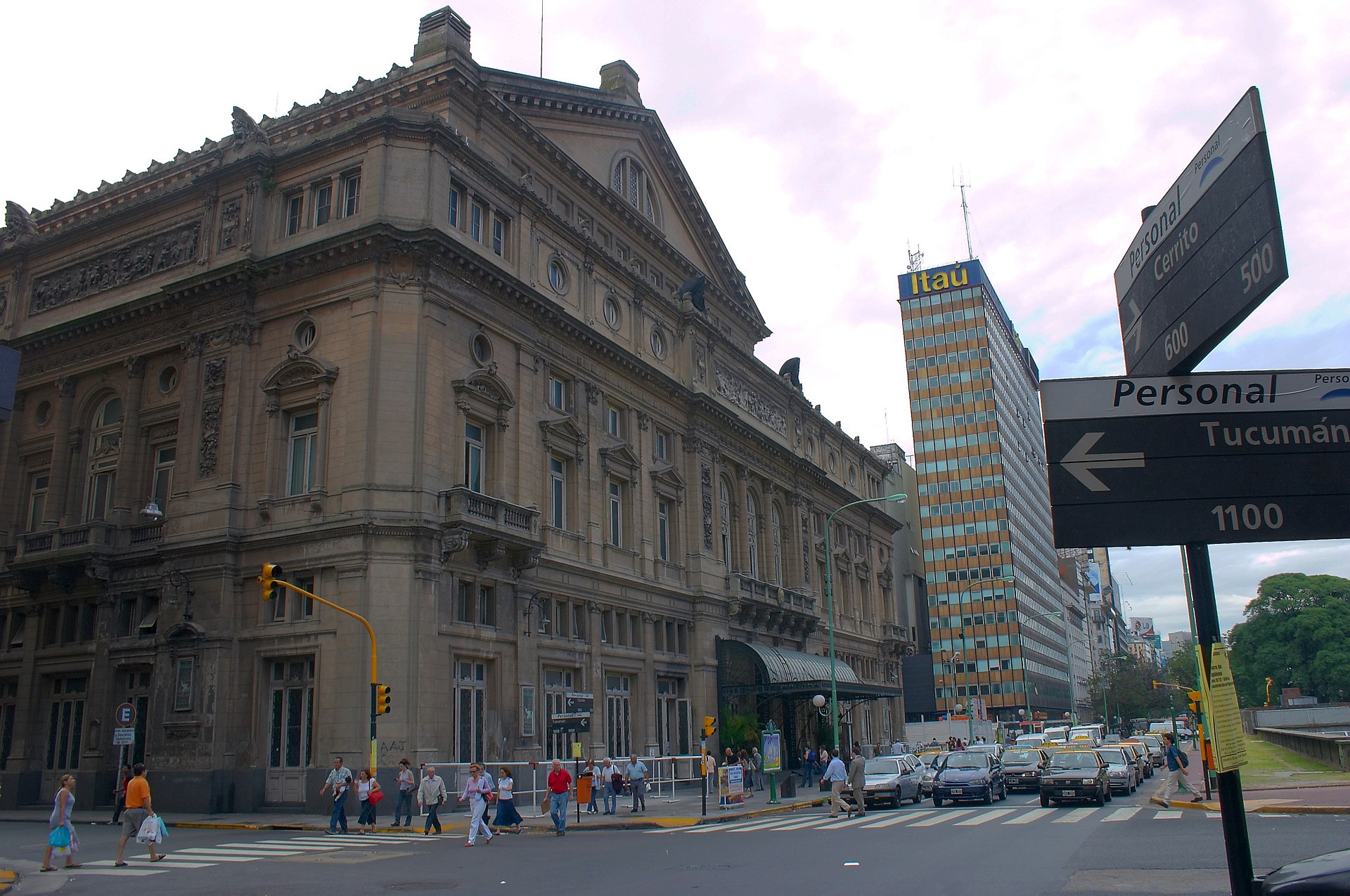
The Teatro Colón is not merely an opera house — it is the crown jewel of Buenos Aires, an institution that has hosted Caruso, Callas, Pavarotti, Stravinsky, Toscanini, and Nureyev within walls that acousticians consistently rank among the top five concert venues on Earth. Opened in 1908 after 20 years of construction, the building fuses Italian Renaissance, French Baroque, and German Romantic influences into a horseshoe-shaped auditorium that seats 2,487 in seven tiers of red velvet and gold leaf, with standing room for another 1,000. The central chandelier alone weighs over 1 ton and holds 700 lightbulbs.
What sets the Colón apart from European peers like La Scala, the Vienna Staatsoper, or the Palais Garnier is its acoustic perfection — a product of the room's exact proportions, the carefully chosen materials (a mix of wood, plaster, and fabric), and the horseshoe shape that wraps sound evenly around every seat. Luciano Pavarotti reportedly said the Colón was the only theater where he felt genuinely nervous to perform, because the acoustics exposed every imperfection. A guided backstage tour takes you through the workshops where costumes, wigs, sets, and shoes are still handcrafted on-site — one of the last opera houses in the world to maintain this tradition. The theater sits just blocks from Plaza de Mayo and Recoleta Cemetery, making it easy to weave into a day exploring central Buenos Aires.
Events Schedule
The main auditorium: Step into the horseshoe-shaped hall and look up — the painted ceiling dome by Raúl Soldi, the seven gilded tiers, and the massive chandelier create a space that takes your breath away before a single note is played. The season runs from March through December, with opera, ballet, symphonic concerts, and chamber music rotating through the calendar. Backstage workshops: Watch artisans build sets, stitch costumes, and craft shoes in workshops that operate like a Renaissance guild — all production happens in-house. Acoustic test: Guides often demonstrate the hall's acoustics by dropping a coin on stage — you can hear it from the highest balcony. The Salón Dorado (Golden Hall): A Versailles-inspired salon used for chamber concerts and receptions, dripping with gilt moldings and Murano glass. The Colón's ghost stories: Staff and performers have reported unexplained phenomena backstage for decades — your guide knows the tales.
Seating Guide
The horseshoe layout means every seat hears the music differently. The platea (orchestra stalls) delivers the most balanced sound — center rows F through L are considered the sweet spot. The palcos (boxes) on the first and second tiers offer intimacy and excellent sightlines but slightly less acoustic immersion. The tertulia (upper balcony) provides surprisingly good sound thanks to the hall's design, and seats here cost a fraction of the orchestra price. Paraíso (standing room at the very top) is where music students and budget-savvy porteños gather — the view is distant but the acoustics are remarkably clear. For ballet, the first palco tier gives the best overhead perspective on choreography. For opera, center platea or second-tier palco bajos offer the ideal balance of visual and vocal impact.
When to Visit
Guided tours: Daily 9:00 AM - 5:00 PM, departing every 15-20 minutes. Performances: Check the season calendar (March through December); evening performances typically start at 8:00 PM. Best: Morning tours (9-11 AM) have smaller groups and better light in the main hall. Duration: Guided tours last approximately 50 minutes.
Admission and Costs
Guided tour: AR$8,000-15,000 ($8-15) — prices vary for locals vs. foreigners. Performance tickets: AR$5,000-150,000 ($5-150) depending on seat and production. Standing room (paraíso): AR$3,000-5,000 ($3-5) — the most affordable way to experience the acoustics. Private English-speaking guide + tour: AR$30,000-50,000 ($30-50) for a group.
Tips for Visitors
Book tours early: Morning tours sell out in high season (June-August, when winter drives tourists indoors). Buy tickets online or arrive 30 minutes before opening. Attend a performance: Tours are excellent, but hearing the acoustics with a full orchestra is transformative. Paraíso (standing room in the upper gallery) costs next to nothing and the sound quality is remarkable. Dress code for performances: Smart casual minimum; Argentines dress up for the Colón. Jeans and sneakers are acceptable for tours but feel out of place at evening shows. Photography: Photos without flash are allowed on tours; no photography or recording during performances. Combine with nearby sites: The Colón is a 10-minute walk from Plaza de Mayo and 15 minutes from San Telmo — build it into a walking tour of central Buenos Aires.