

Overview
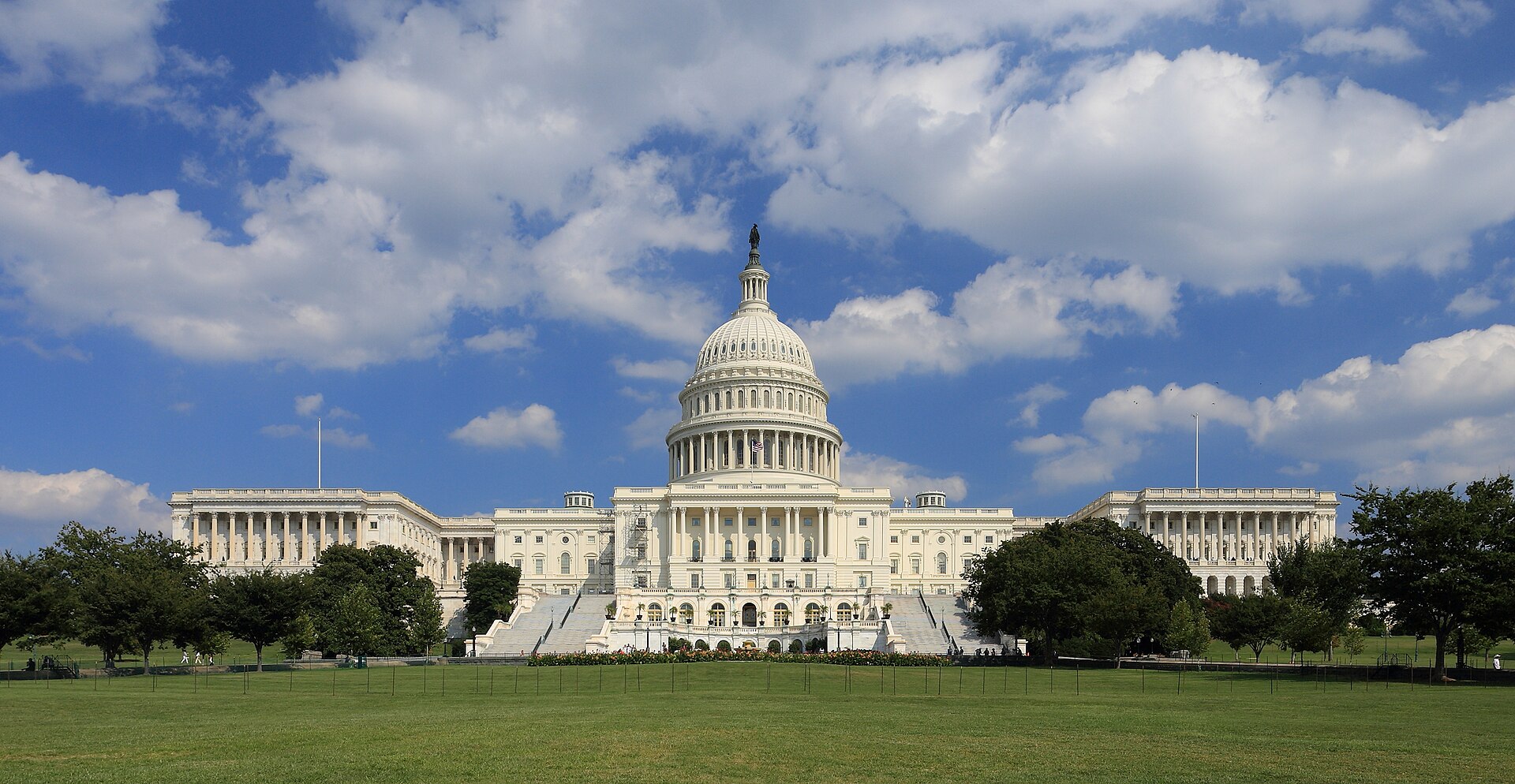
The United States Capitol is more than a building. It is the physical embodiment of representative democracy, the place where the nation's laws have been debated, written, and passed for over two centuries. George Washington laid the cornerstone in 1793, and the building has been expanded, burned by the British, rebuilt, and crowned with its iconic cast-iron dome in phases that mirror the country's own turbulent growth. Today it anchors the eastern end of the National Mall, its gleaming white dome visible from nearly everywhere in the District. Inside, the Capitol is a cathedral of American art and history. The Rotunda rises 180 feet to Constantino Brumidi's fresco "The Apotheosis of Washington." National Statuary Hall holds bronze and marble figures sent by each state to represent their greatest citizens. The ornate Brumidi Corridors feature Renaissance-style paintings that took 25 years to complete. Free tours led by the Capitol Visitor Center staff cover these highlights, but a private guide can open doors to understanding the building's deeper political significance and the stories Congress would rather you did not hear.
Historical Significance
The Capitol Visitor Center tour covers the highlights efficiently, but it cannot explain how legislation actually moves through the building you are walking through. Understanding that process requires a narrator who can describe the parliamentary maneuvers, the committee rooms where bills live or die, and the informal spaces where deals are struck away from cameras. The building is not merely beautiful; it is a machine for making laws, and appreciating its function transforms a pretty room into the engine of American democracy.
Constantino Brumidi spent 25 years painting the corridors and ceilings of the Senate wing, creating Renaissance-style frescoes that visitors often rush past on their way to the Rotunda. The National Statuary Hall contains bronze and marble figures sent by each state, from Sam Houston to Rosa Parks, each statue carrying the weight of its home state's values and aspirations. These artworks demand interpretation. Who chose which figures represent each state, and what does that selection reveal about how Americans wish to remember themselves? A guide versed in Capitol art history answers these questions while you stand before the works.
The Capitol's history includes moments of violence and crisis that the standard tour touches only lightly. British soldiers burned the building in 1814. Representative Preston Brooks beat Senator Charles Sumner nearly to death on the Senate floor in 1856. Abraham Lincoln took his oath of office on the Capitol's unfinished steps while construction cranes loomed overhead and the nation he would lead teetered toward civil war. More recent events have tested the building's security and the democracy it houses. Guides can contextualize these moments, connecting them to the National Mall stretching westward and the Library of Congress and Supreme Court just steps away on Capitol Hill.
Architecture
The architectural heritage of US Capitol reflects centuries of construction, renovation, and adaptation. Structural details reveal the ambitions and techniques of their builders, from load-bearing innovations to decorative programs that encode symbolic meaning.
When to Visit
Tour hours: Monday through Saturday, 8:30 AM to 4:30 PM, with tours departing every few minutes. Closed: Sundays, Thanksgiving, Christmas, New Year's Day, and Inauguration Day. Best time: First tours at 8:30-9:00 AM have the smallest groups and least waiting. Advance booking: Reserve free tour passes online through the Capitol Visitor Center website, especially March through July. Gallery passes: Watch Congress in session from the public galleries with passes from your representative's or senator's office
Admission and Costs
Capitol tour: Completely free, including the Visitor Center exhibitions. Gallery passes: Free, obtained through your member of Congress's office. Library of Congress: Free entry and free tours of the world's largest library, just steps from the Capitol.
Guided Capitol Hill tours: $30-50 per person for 2-hour group tours covering the Capitol exterior, Supreme Court, and Library of Congress. Private Capitol guide: $250-450 for a half-day private Capitol Hill experience including all three buildings.
Tips for Visitors
The Rotunda: 180-foot dome with Brumidi's "Apotheosis of Washington" fresco and eight enormous historical paintings on the walls. National Statuary Hall: Collection of 100 statues, two from each state, in the semicircular chamber that once housed the House of Representatives. Brumidi Corridors: Senate-side hallways painted in Renaissance style by Constantino Brumidi over 25 years until his death in 1880. Crypt: The circular room beneath the Rotunda, originally intended as George Washington's burial place, now housing historical exhibits.
Library of Congress: Steps away, the world's largest library houses 170 million items in a breathtaking Beaux-Arts building. Supreme Court: Across the street, the marble temple of justice offers free lectures when court is not in session. Capitol Grounds: Frederick Law Olmsted designed the landscaped grounds with over 100 varieties of trees and shrubs.