

Overview
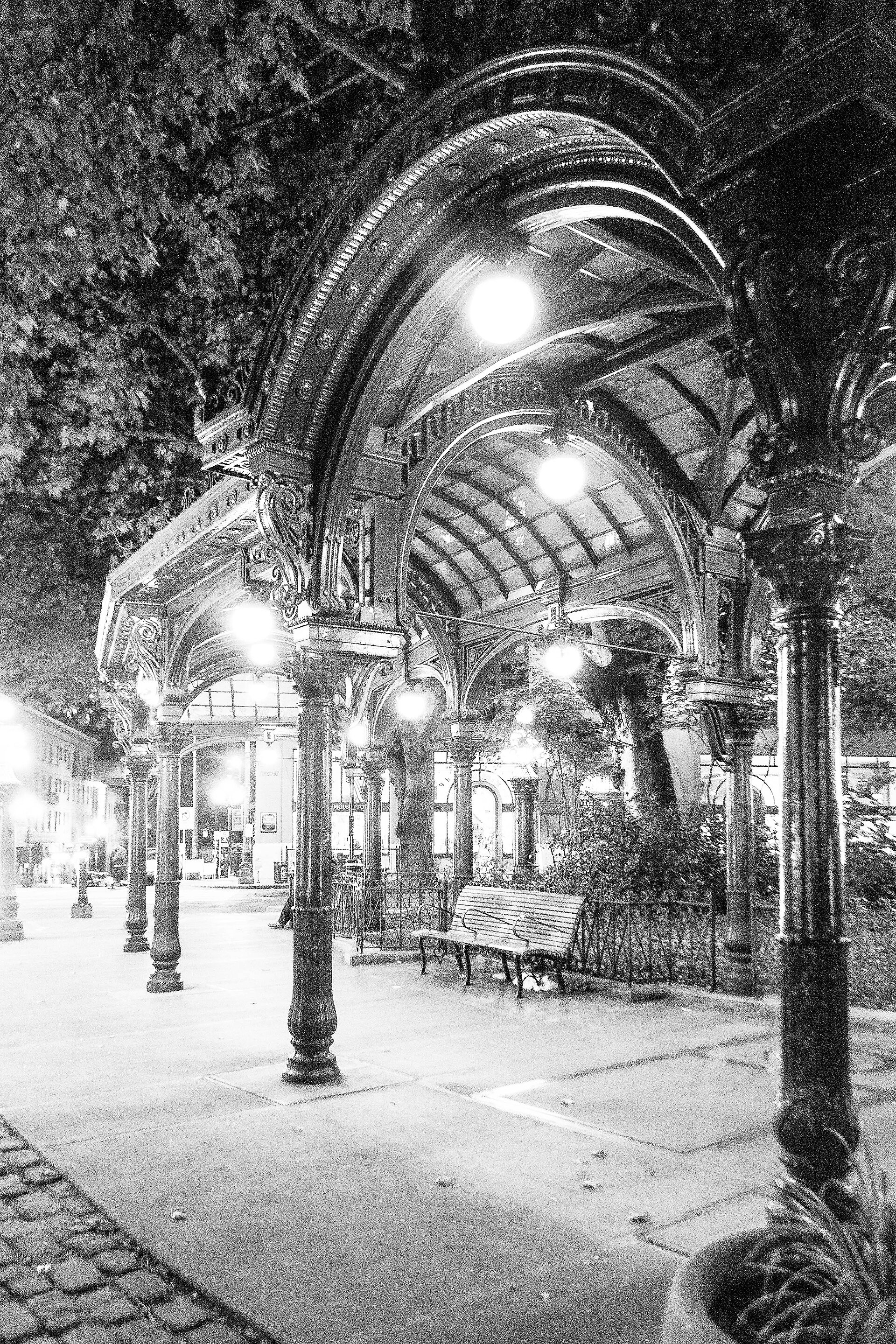
Pioneer Square is where Seattle began. The neighborhood traces its roots to 1852, when Arthur Denny's party of settlers landed on the mudflats of Elliott Bay and established what would grow into the largest city in the Pacific Northwest. After the Great Fire of 1889 leveled 25 blocks of wooden buildings in a single afternoon, the district was rebuilt one to two stories higher than the original street level, burying the old sidewalks and storefronts beneath new streets. Those subterranean passages survive today as the famous Seattle Underground, a sprawling network of preserved corridors and shop fronts accessible through the popular Underground Tour. Above ground, Pioneer Square's Romanesque Revival architecture, red-brick facades, and ornate iron pergola make it one of the most historically intact neighborhoods in the United States. The district also serves as Seattle's gallery hub, with dozens of art spaces concentrated along First Avenue and Occidental Avenue. A guided walking tour through this area pairs perfectly with a visit to Pike Place Market just a 15-minute walk to the north.
Walking Routes
Neighborhood access: Open around the clock as a public neighborhood; shops and galleries typically open 10:00 AM - 6:00 PM. Underground Tour times: Multiple daily departures from 10:00 AM to 5:00 PM; advance booking recommended. First Thursday Art Walk: The first Thursday of every month, galleries stay open late with free receptions from 5:00 to 8:00 PM. Best for photography: Early morning light catches the red-brick textures along Occidental Avenue beautifully. Seasonal events: Holiday markets and outdoor concerts fill the Occidental Park plaza in December and through summer weekends
Local Life
On June 6, 1889, a glue pot in a cabinet shop boiled over and ignited a fire that consumed 25 blocks of wooden buildings in a single afternoon. What rose from those ashes defines Pioneer Square today, and understanding that transformation requires a storyteller. Guides narrate the fire's spread, the city's audacious decision to rebuild one to two stories higher than the original street level, and the Romanesque Revival architecture that replaced flammable wood with brick and stone. They identify decorative cornices, ornamental iron pergolas, and arched windows that most visitors photograph without recognizing their historical significance. The Seattle Underground makes a guide not optional but essential. The subterranean passages that survive beneath modern sidewalks are accessible only through guided tours, where trained narrators lead you through preserved storefronts, buried skylights, and corridors that once served as the city's first-floor shops. Above ground, guides extend this expertise to the neighborhood's thriving gallery scene, introducing visitors to owners and emerging Pacific Northwest artists whose work fills the studios along First Avenue. They know which galleries specialize in glass art, which showcase indigenous traditions, and which represent the next generation of Seattle talent. After exploring Pioneer Square, natural connections extend north to Pike Place Market or to the modern landmarks of Seattle Center, including the Space Needle.
When to Visit
Seattle Underground Tour: Walk beneath present-day streets through preserved 1890s storefronts, sidewalks, and subterranean passageways. Smith Tower: Opened in 1914, this was the tallest building west of the Mississippi for nearly 20 years; the 35th-floor observatory offers a speakeasy-style bar with panoramic views. First Thursday Art Walk: A free, self-guided gallery crawl through dozens of venues showcasing everything from glass art to contemporary sculpture. Occidental Park: A tree-lined cobblestone plaza with totem poles carved by the Tlingit and Haida nations of Southeast Alaska. Pioneer Building: One of the finest Romanesque Revival structures on the West Coast, completed in 1892 and still in active use. Klondike Gold Rush Museum: A free National Park Service museum chronicling Seattle's role as the jumping-off point for the 1897 Yukon gold rush
Admission and Costs
Walking the neighborhood: Free to explore streets, parks, and public art. Bill Speidel's Underground Tour: $22-25 per adult, $10-13 for children (75 minutes). Guided historical walking tour: $30-50 per person (1.5-2 hours covering architecture, fire history, and city founding). Art gallery tour with guide: $40-65 per person (2 hours, curated stops at 5-7 galleries with artist background). Private guide: $175-300 for groups up to 8 people, with flexible routes and customized storytelling
Tips for Visitors
Comfortable walking shoes: The neighborhood is built on hills and cobblestone; sturdy footwear makes a significant difference. Underground Tour footwear: The subterranean paths can be dusty and uneven, with some steep staircases, so avoid sandals or heels. Getting there: Pioneer Square Station on the light rail places you in the heart of the district; driving and parking is possible but meters fill up fast. Food and drink: The neighborhood has a strong restaurant scene, from craft cocktail bars in renovated buildings to ramen counters and wood-fired pizza shops. Connecting to other attractions: Walk north along the waterfront to reach Pike Place Market, or ride the light rail to Seattle Center for the Space Needle. Safety: The area is lively during the day and early evening; like any urban neighborhood, stay aware of your surroundings after dark