
Historical Significance
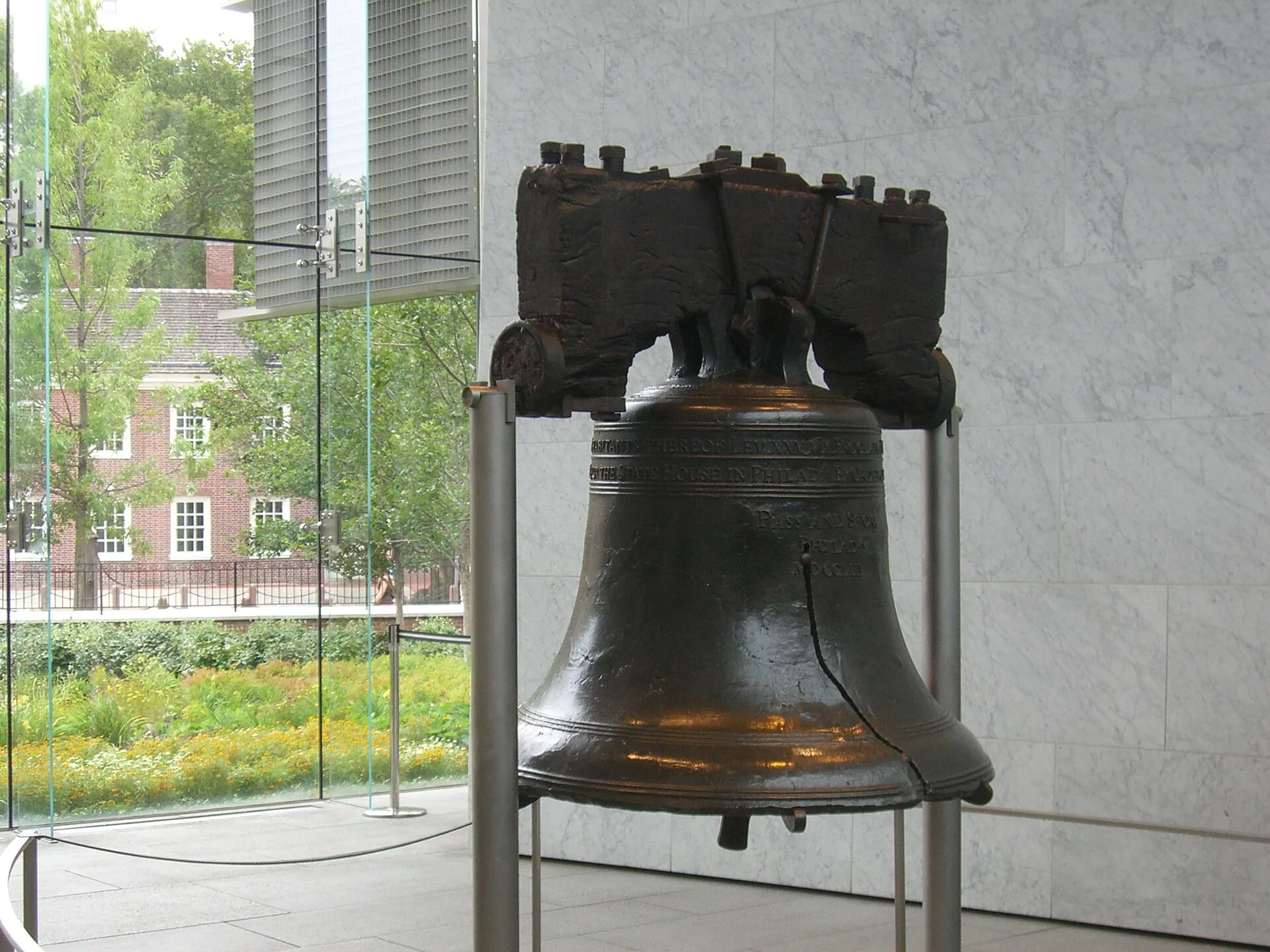
Most visitors arrive believing the bell cracked while ringing on July 4, 1776, a story too perfect to be true because it is not. The actual history is far more interesting and more human. Cast in London in 1752, the bell cracked on its very first test ring in Philadelphia. Local metalworkers John Pass and John Stow melted it down and recast it twice before anyone could tolerate its tone. The famous crack that silenced it for good appeared sometime in the early nineteenth century through circumstances that remain genuinely uncertain. Guides unravel this complicated timeline, explaining how a damaged bell became more famous than any whole one could have been. What transformed this flawed piece of bronze into a global freedom symbol was not the Revolution but the abolition movement decades later. In the 1830s, anti-slavery activists adopted the bell and its inscription from Leviticus, "Proclaim Liberty Throughout All the Land Unto All the Inhabitants Thereof," as their rallying cry against human bondage. They gave it the name "Liberty Bell" and plastered its image across pamphlets and publications. Guides decode these layers of meaning, explaining how the biblical quote shifts depending on whether you read it through an eighteenth-century lens of colonial grievance or a nineteenth-century lens of emancipation. The bell's physical details reward close examination too, from the zigzag fracture and drill stop holes where metalworkers tried to halt its spread to the Pass and Stow inscription identifying the craftsmen who recast it. The Liberty Bell gains immense power when experienced alongside Independence Hall directly across Chestnut Street, and guides ensure both visits tell one cohesive story about American ideals and the ongoing struggle to realize them. The deliberately framed sightline through the pavilion's glass wall places the bell against its original home, connecting artifact to architecture in a single view. From here, Reading Terminal Market waits six blocks north for lunch, while Elfreth's Alley and the Betsy Ross House extend the colonial experience a short walk east.
Architecture
The crack itself: Examine the famous zigzag fracture up close, along with the drill stop holes where metalworkers tried to prevent it from spreading. The Leviticus inscription: Read the full text cast into the bell's crown and consider how its meaning evolved from a Pennsylvania State House bell to a worldwide symbol. The Independence Hall sightline: Stand behind the bell and look through the glass wall for the deliberately framed view of the building where it once hung. Interpretive exhibits: The walkway leading to the bell features detailed panels tracing the bell's journey through abolition, suffrage, and civil rights. Pass and Stow mark: Find the inscription "PASS AND STOW PHILADA MDCCLIII" identifying the local craftsmen who recast the original British bell. Global freedom section: Exhibits showing how the bell inspired freedom movements from South Africa to Tiananmen Square
When to Visit
Standard hours: 9:00 AM to 5:00 PM daily, with extended hours until 7:00 PM during summer peak season. No tickets required: Unlike Independence Hall, the Liberty Bell Center operates on a walk-in basis year-round. Shortest waits: Early morning right at 9:00 AM or late afternoon after 3:30 PM, when tour bus crowds thin out. Peak times to avoid: 10:00 AM to 2:00 PM on weekends and holidays can mean 20-30 minute lines in warm months. Winter advantage: January and February bring the lightest crowds and you may have the bell nearly to yourself
Admission and Costs
Entry: Completely free, no tickets or reservations needed at any time of year. Exhibits: The interpretive displays along the walkway to the bell are included and excellent. NPS ranger programs: Free rangers are stationed at the bell to answer questions and provide context. Group historical tours: $20-40 per person for broader Old City walking tours that include the Liberty Bell as a major stop. Private guide for the historic district: $150-300 for a comprehensive 2-3 hour tour covering the Bell, Independence Hall, and surrounding landmarks
Tips for Visitors
Security screening: A brief bag check and metal detector scan at the entrance adds 5-10 minutes to your visit. Visit time: Allow 20-30 minutes for the exhibits and bell viewing, longer if you read every panel carefully. Pair with Independence Hall: The Liberty Bell Center sits directly across Chestnut Street from Independence Hall, making them a natural combination. Photography: Fully permitted, and the best photos come from the south side where the crack is most visible with Independence Hall behind. Accessibility: The entire Liberty Bell Center is wheelchair accessible with a level entrance and open floor plan. After your visit: Continue to Reading Terminal Market just six blocks north for lunch, or walk two blocks east to Elfreth's Alley. Nighttime viewing: After hours, the bell is visible through the glass walls of the pavilion, beautifully illuminated against the backdrop of Independence Hall
Frequently Asked Questions
Does the time of year matter for visiting the Liberty Bell?
The Liberty Bell Center is indoors and climate-controlled, making it a comfortable visit in any season. That said, spring and fall bring the most pleasant weather for combining the bell with outdoor exploration of the surrounding historic sites. Summer extends the operating hours until 7 PM and brings the liveliest atmosphere to the Independence Mall area, though security lines can be longer during peak tourist season.
When can visitors tour Liberty Bell?
Standard hours: 9:00 AM to 5:00 PM daily, with extended hours until 7:00 PM during summer peak season. No tickets required: Unlike Independence Hall, the Liberty Bell Center operates on a walk-in basis year-round.
How much is the entrance fee for Liberty Bell?
Entry: Completely free, no tickets or reservations needed at any time of year. Exhibits: The interpretive displays along the walkway to the bell are included and excellent.
What should visitors know before visiting the Liberty Bell?
Security screening: A brief bag check and metal detector scan at the entrance adds 5-10 minutes to your visit. Visit time: Allow 20-30 minutes for the exhibits and bell viewing, longer if you read every panel carefully.