
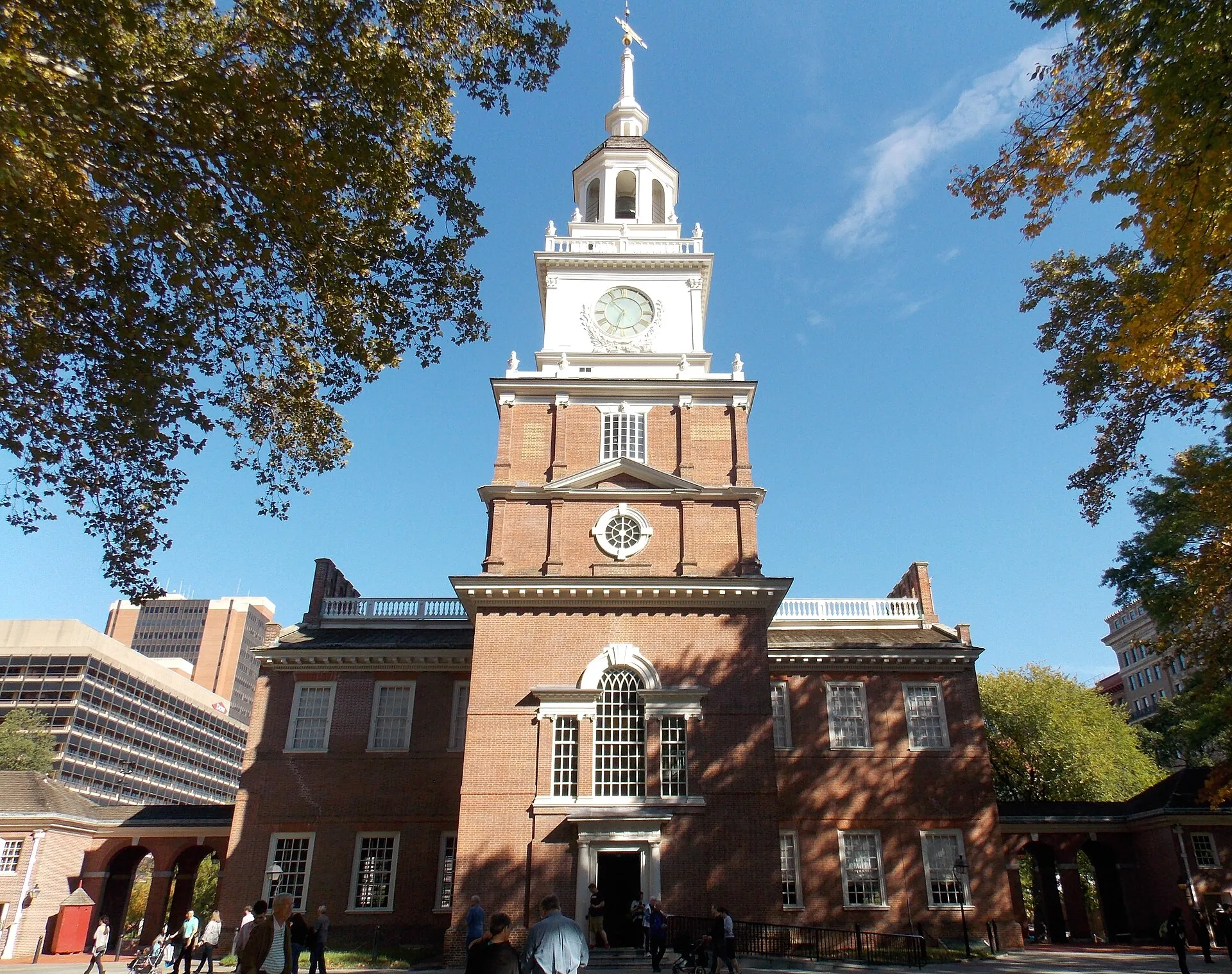
Historical Significance
Without expert narration, you see a room with old furniture arranged around green baize tables. With it, you hear the shouting matches between John Adams and John Dickinson over whether independence was even desirable, feel the tension of a vote that could have failed by a single colony, and understand why Benjamin Franklin was carried to the hall in a sedan chair borne by prisoners from the Walnut Street Jail because his gout prevented walking. The Assembly Room's intimate scale makes the magnitude of what happened here feel simultaneously more real and more astonishing, but only if someone explains that fifty-five delegates argued for four sweltering months without air conditioning, bound by secrecy oaths they honored to their graves. Philadelphia's guide community includes historians who have devoted entire careers to the Revolutionary period, offering insights that no placard can provide. They explain why George Washington sat in a chair carved with a half-sun that Benjamin Franklin wondered was rising or setting until the Constitution was signed, why the windows were nailed shut during the Constitutional Convention to prevent eavesdropping despite the brutal summer heat, and why the Declaration was actually signed over several weeks rather than on July 4th as popular mythology suggests. These details transform a thirty-minute building tour into genuine encounter with the founding generation. Beyond the Assembly Room, guides lead you through Congress Hall next door, where Washington delivered his farewell address and both he and Adams were inaugurated as president, and Old City Hall on the opposite side, where the Supreme Court first convened under Chief Justice John Jay. The best guides weave Independence Hall into a broader Old City narrative that includes the Liberty Bell directly across Chestnut Street, Elfreth's Alley where colonial craftsmen lived, and Christ Church where Franklin worshipped. The timed-entry ticketing system can frustrate first-time visitors, and guides who know the system help ensure your group enters without the stress of same-day scrambling.
Architecture
Security screening: All visitors pass through airport-style security at the entrance, so arrive 15 minutes before your timed slot. No bags over 11x17 inches: Large backpacks, suitcases, and oversized bags are not permitted inside, and there is no bag check available. Photography: Allowed throughout the building, but no flash, tripods, or selfie sticks in the Assembly Room. Combine with the Liberty Bell: The Liberty Bell Center is directly across Chestnut Street and requires no ticket at all. Start at the Visitor Center: The Independence Visitor Center at 6th and Market has exhibits, restrooms, a bookstore, and same-day ticket distribution. Walking shoes essential: The entire Independence National Historical Park is best explored on foot, with cobblestone sidewalks throughout Old City. After hours: Even when the building is closed, the exterior and Independence Square are worth visiting, particularly when illuminated at night
When to Visit
Standard hours: 9:00 AM to 5:00 PM daily, with extended hours until 7:00 PM during peak summer season. Timed entry: Free tickets are required from March through December, available at recreation.gov or same-day at the Independence Visitor Center starting at 8:30 AM. January-February: No tickets needed during these quieter winter months, and ranger tours run on a regular schedule. Best strategy: Reserve tickets online as far in advance as possible, especially for weekend and holiday visits when same-day tickets run out by mid-morning. Closed: Thanksgiving and December 25
Admission and Costs
Entry: Completely free. This is a National Park Service site funded by taxpayers. Timed-entry tickets: Free, but a $1 reservation fee applies when booking online through recreation.gov. NPS ranger tours: Free and included with your timed entry, running approximately every 15-20 minutes. Private history guide: $150-300 for a 2-3 hour walking tour of Independence National Historical Park for up to 6 people. Group historical tours: $20-40 per person for 2-hour Old City walking tours that include Independence Hall and surrounding sites
Tips for Visitors
Washington's Rising Sun Chair: The ornate chair at the front of the Assembly Room features a half-sun on its crest. Franklin remarked at the Constitution's signing that he had wondered whether it was rising or setting, and now knew it was "a rising sun". The Assembly Room: The actual room where delegates signed both the Declaration and Constitution, restored with period-accurate green baize tablecloths and quill pens. Congress Hall: Next door, where the first U.S. Congress met and where Washington delivered his farewell address to the nation. Old City Hall: On the opposite side, where the Supreme Court first convened under Chief Justice John Jay. The Bell Tower: The original steeple where the Liberty Bell once hung, replaced in the 1820s after the original deteriorated. Independence Square: The tree-shaded courtyard behind the hall where the Declaration was first read publicly to citizens on July 8, 1776
Frequently Asked Questions
When is the best season to tour Independence Hall?
May through June and September through October deliver the finest experience, with comfortable temperatures for exploring the surrounding Independence National Historical Park and fewer crowds than the peak summer months. July 4th week draws enormous patriotic crowds to the birthplace of American independence, which is memorable but requires extra patience. Timed-entry tickets are harder to secure in summer, so spring and fall visitors enjoy easier access.
When can visitors tour Independence Hall?
Standard hours: 9:00 AM to 5:00 PM daily, with extended hours until 7:00 PM during peak summer season.
How much is the entrance fee for Independence Hall?
Entry: Completely free. This is a National Park Service site funded by taxpayers. Timed-entry tickets: Free, but a $1 reservation fee applies when booking online through recreation.gov.
What's the tale of Washington's Rising Sun Chair at Independence Hall?
Washington's Rising Sun Chair: The ornate chair at the front of the Assembly Room features a half-sun on its crest.