
Wildlife
Trail Ridge Road: Drive the full 48-mile route from Estes Park to Grand Lake, stopping at Alpine Visitor Center (11,796 feet) for the feeling of standing on top of the world. Elk watching at Moraine Park: At dawn or dusk, hundreds of elk graze in this open meadow -- during fall rut, bull elk bugle with a sound that echoes across the valley.
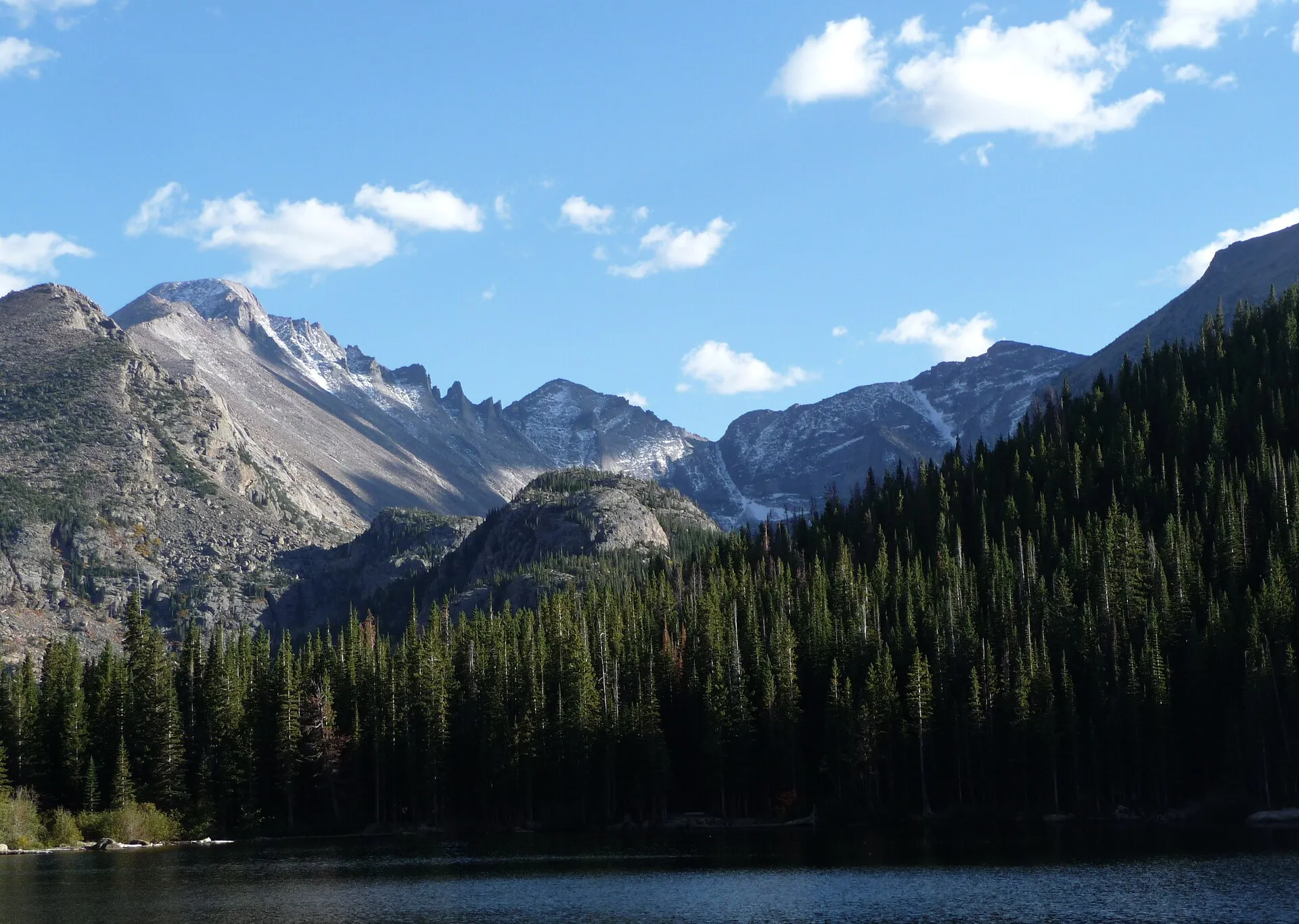
Bear Lake: This mirror-still alpine lake at 9,450 feet is the trailhead for some of the park's most popular hikes, including Emerald Lake and Sky Pond. Alpine wildflower meadows: In July, the tundra explodes with miniature wildflowers -- alpine forget-me-nots, sky pilot, and old-man-of-the-mountain grow just inches tall. Bighorn sheep at Sheep Lakes: In spring and early summer, bighorn sheep descend to the mineral licks at Sheep Lakes along Fall River Road -- arrive early morning. Longs Peak: Colorado's northernmost fourteener is a bucket-list climb through the Keyhole Route -- technical, demanding, and unforgettable for experienced hikers.
Trails
Reserve timed entry early: Peak-season permits release in monthly batches and sell out within minutes -- set a calendar reminder for release dates on recreation.gov. Start early: Trailhead parking fills by 7-8 AM in summer; afternoon thunderstorms roll in reliably by 1-2 PM at altitude, so plan to be off exposed trails by noon.
Pack for all weather: Bring rain gear, warm layers, sunscreen, and a hat regardless of the Denver forecast -- mountain conditions change in minutes. Altitude strategy: Spend a day or two in Denver (5,280 feet) before attempting strenuous high-altitude hikes; drink twice your normal water intake. Old Fall River Road: This one-way gravel road (uphill only) is the original 1920s park road and offers a quieter, more adventurous alternative to Trail Ridge Road. Grand Lake side: The western entrance via Grand Lake is far less crowded than the Estes Park side and offers excellent lakeside dining and lodging. Bear spray not needed: Despite the name, grizzly bears are not present -- the park has only black bears, which are generally shy and rarely encountered on trails.
When to Visit
Park access: Open 24 hours a day, 365 days a year. Trail Ridge Road: Typically open late May through mid-October (weather dependent). Timed entry permits: Required May through October for the Bear Lake corridor and rest of park -- reserve at recreation.gov.
Best time: Late June through early September for full Trail Ridge Road access, wildflower blooms, and reliable weather. Elk rut: Late September through October, bull elk bugle at dawn and dusk -- one of North America's great wildlife spectacles. Visitor centres: Beaver Meadows (main) open 8 AM-6 PM summer, 8 AM-4:30 PM winter.
Admission and Costs
Trail Ridge Road: Drive the full 48-mile route from Estes Park to Grand Lake, stopping at Alpine Visitor Center (11,796 feet) for the feeling of standing on top of the world. Elk watching at Moraine Park: At dawn or dusk, hundreds of elk graze in this open meadow -- during fall rut, bull elk bugle with a sound that echoes across the valley.
Bear Lake: This mirror-still alpine lake at 9,450 feet is the trailhead for some of the park's most popular hikes, including Emerald Lake and Sky Pond. Alpine wildflower meadows: In July, the tundra explodes with miniature wildflowers -- alpine forget-me-nots, sky pilot, and old-man-of-the-mountain grow just inches tall. Bighorn sheep at Sheep Lakes: In spring and early summer, bighorn sheep descend to the mineral licks at Sheep Lakes along Fall River Road -- arrive early morning. Longs Peak: Colorado's northernmost fourteener is a bucket-list climb through the Keyhole Route -- technical, demanding, and unforgettable for experienced hikers.
Tips for Visitors
Wildlife encounters define the Rocky Mountain National Park experience, but seeing elk, bighorn sheep, and moose requires knowing where to look and when. Naturalist guides carry spotting scopes and decades of accumulated knowledge about animal behaviour. They know which meadows elk herds favour at dawn during the September rut, which cliff faces bighorn sheep traverse in early summer, and which willow thickets moose frequent throughout the year. The difference between a guide-led wildlife safari and a solo drive through the park is the difference between hoping to see animals and positioning yourself precisely where they will appear.
Much of the park sits above 9,000 feet, with trails climbing well past 12,000, and altitude affects visitors in ways they rarely anticipate. Headaches, nausea, shortness of breath, and impaired judgment can strike anyone, regardless of fitness level, who ascends too quickly. Experienced guides monitor their groups for altitude sickness symptoms, pace hikes appropriately for acclimatisation, and carry first aid supplies for emergencies. They also manage logistics that would otherwise consume your attention: securing timed entry permits that sell out within minutes, strategising trailhead parking before lots fill at 7 AM, and monitoring weather to ensure you are off exposed alpine terrain before afternoon thunderstorms roll in.
With 355 miles of trails ranging from wheelchair-accessible boardwalks to Class 3 scrambles on Longs Peak, choosing the right route matters enormously. Guides match trails to your fitness level, interests, and available time, constructing itineraries that maximise scenic return while respecting your physical limits. They explain how glaciers carved the landscape into its current form, why treeline occurs at 11,400 feet in this latitude, and how climate change is pushing species higher up the mountain slopes each decade. They position you at Bear Lake for sunrise reflections, at Moraine Park for elk photography, and at Trail Ridge Road overlooks for alpine glow on distant peaks. After a day in the park, return to Denver through Estes Park or loop over to Grand Lake for a less-traveled perspective on Colorado's crown jewel.
Frequently Asked Questions
When is Trail Ridge Road open in Rocky Mountain National Park?
Park access: Open 24 hours a day, 365 days a year. Trail Ridge Road: Typically open late May through mid-October (weather dependent).
How much does it cost to access Rocky Mountain National Park?
Park entrance: $30 per vehicle (7-day pass), $15 per person on foot/bike. Annual pass: $70 for RMNP or $80 for the America the Beautiful interagency pass.
What practical tips should visitors know before visiting Rocky Mountain National Park?
Reserve timed entry early: Peak-season permits sell out within minutes. Start early: Trailhead parking fills by 7-8 AM in summer. Pack for all weather: Mountain conditions change in minutes.